
7 ‘Healthy’ Foods That Might Secretly Harm Your Kidneys
While some foods are celebrated for their health benefits, they can pose hidden risks to kidney health. The kidneys play a crucial role in filtering waste and excess substances from the blood, and certain “healthy” foods might inadvertently impair their function if consumed in excess. It’s essential to understand these potential pitfalls to make informed dietary choices.
Surprising Spinach Risks

Spinach is renowned for its nutritional richness, offering vitamins and minerals vital for overall well-being. However, it is also high in oxalates, compounds that can contribute to kidney stone formation. Cooking spinach reduces its oxalate content significantly, yet moderation remains crucial. Pairing spinach with calcium-rich foods can help minimize absorption, offering a useful technique to reduce potential negative impacts on the kidneys.
Nuts and Seeds: Hidden Dangers
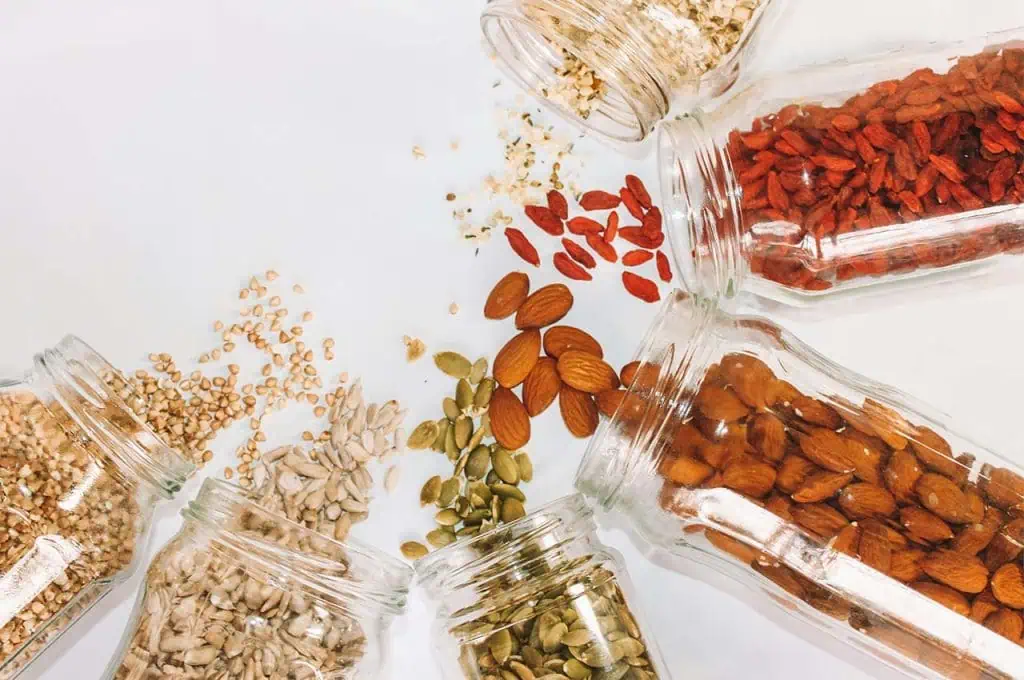
Nuts and seeds provide a wealth of nutrients, including healthy fats and proteins. Yet, their high phosphorus content can stress the kidneys, especially in individuals with compromised kidney function. Opting for varieties with lower phosphorus levels, such as macadamia nuts, and moderating intake is wise. Soaking nuts can also reduce phosphorus levels, helping maintain kidney health while enjoying their benefits.
Dark Chocolate’s Secret Impact

Dark chocolate boasts antioxidants and mood-enhancing properties, often earning it a place in healthy diets. However, it’s also a lesser-known source of oxalates and can contribute to kidney stone risk if consumed excessively. Choosing chocolate with lower cocoa content or consuming it less frequently can mitigate potential kidney issues, ensuring that indulgence remains both enjoyable and safe.
Beets: A Kidney’s Foe?

Beets, celebrated for their vibrant color and nutritious content, are another oxalate-rich vegetable. While they offer cardiovascular benefits, they can also increase kidney stone risk in susceptible individuals. To enjoy beets without adverse effects, consider using smaller portions or balancing them with low-oxalate vegetables. This approach helps retain their health benefits while minimizing potential kidney harm.
Sweet Potatoes: More Than Sweet

Sweet potatoes are celebrated for their high vitamin content and fiber, yet their potassium levels can be a concern for those with kidney issues. While potassium supports heart and muscle function, excess intake can overwhelm compromised kidneys. For a safe dish, opt for simple preparation methods like baking or steaming, which preserve nutrient integrity. Monitor portion sizes and pair with low-potassium ingredients to balance the meal. Recognizing the nutritional benefits of sweet potatoes while managing their intake ensures they remain a healthful choice without adverse effects.
Avocados: Not Always a Superfood
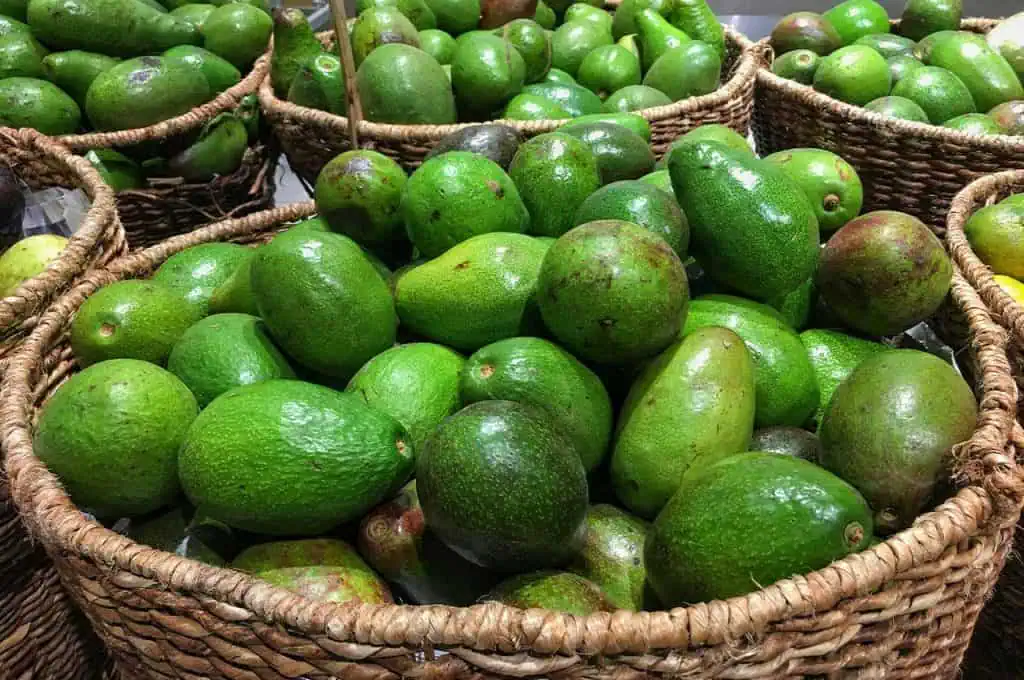
Avocados are acclaimed for their healthy fats and versatile use in dishes, but they are also rich in potassium. For those with kidney concerns, excessive potassium intake may be harmful. Consider substituting small amounts of avocado with lower-potassium alternatives like zucchini or cucumber in recipes. If including avocado, use thin slices to add flavor and nutrition without overindulging. By moderating avocado consumption, you can still enjoy its creamy texture and balanced nutrients while safeguarding kidney health.
Tomatoes: The Unexpected Threat

Tomatoes offer a vibrant boost of flavor and are packed with vitamins, yet they also contain high levels of potassium and oxalates. Those with kidney challenges might find these compounds problematic. Using tomatoes sparingly or customizing servings in sauces to control intake can help. Opting for lower-potassium tomato varieties or using peeled and deseeded preparations reduces potential risks. By adjusting their use in culinary applications, tomatoes can remain a part of a kidney-conscious diet without compromising taste or quality.
