
7 restaurant meals that are now cheaper to buy than cook at home, according to food cost data
In today’s economy, dining out can often be more cost-effective than home cooking. Data highlights certain restaurant meals that offer better value compared to preparing them at home. Here, we explore dishes like rotisserie chicken and fish and chips, revealing why ordering in might just stretch your dollar further.
Rotisserie Chicken: Restaurant Wins
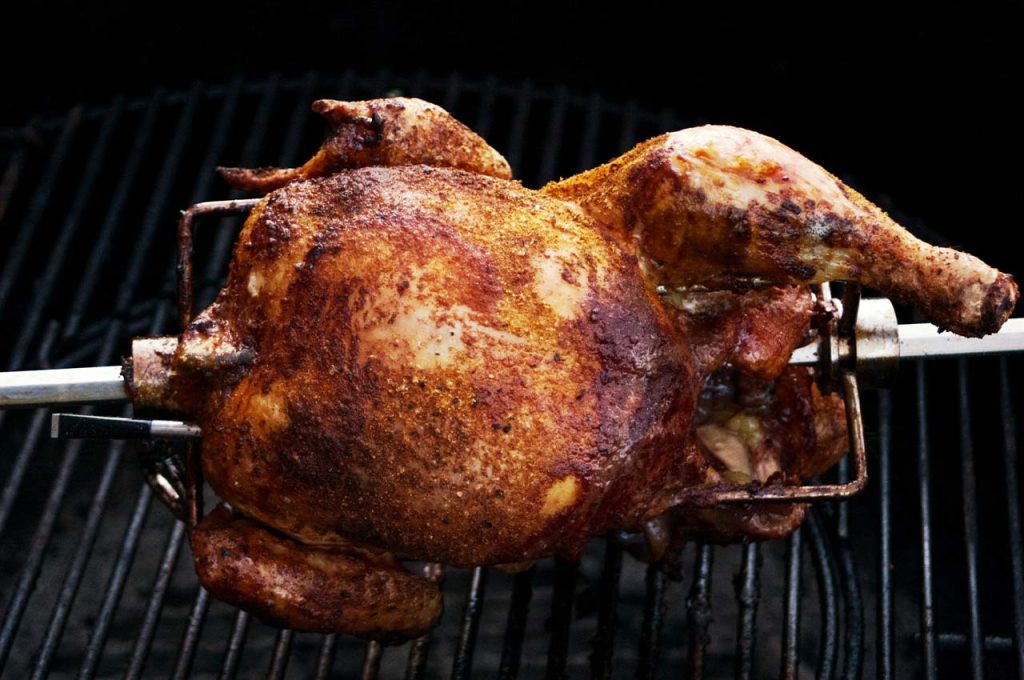
Rotisserie chicken often showcases a perfect balance of convenience and flavor at a cost that’s hard to beat at home. Restaurants have the advantage of buying chickens in bulk, which reduces costs. They also utilize specialized rotisserie ovens that ensure even cooking, yielding juicy meat and a perfectly crisp skin. Home cooks might spend more on ingredients, energy, and time replicating these conditions. Thus, picking up a rotisserie chicken from your local market often proves more economical and equally satisfying.
Fish and Chips: Takeout Triumphs

Fish and chips exemplify the benefits of sourcing from specialists. Restaurants typically have direct access to fresh, bulk seafood, lowering the cost per serving. They also employ deep fryers capable of delivering perfectly crispy batter, an outcome that home frying often struggles to achieve without further investments in equipment and oil. Pairing this with thick-cut fries in a restaurant setting often offers unbeatable value and quality, enhanced by the expertise of chefs who understand the nuances of frying.
Pancake Platters: Diner Deals Dominate

Pancake platters at diners offer a combination of cost efficiency and culinary delight. Diners have the volume to source flour, eggs, and milk economically while maintaining equipment that produces consistently fluffy pancakes. When considering the added convenience of quick service and side items like bacon or fresh fruit, the value increases. Our attempts at home often entail additional costs for these ingredients in smaller quantities, making diner visits both economical and time-saving.
Pad Thai: Restaurant Portions Prevail
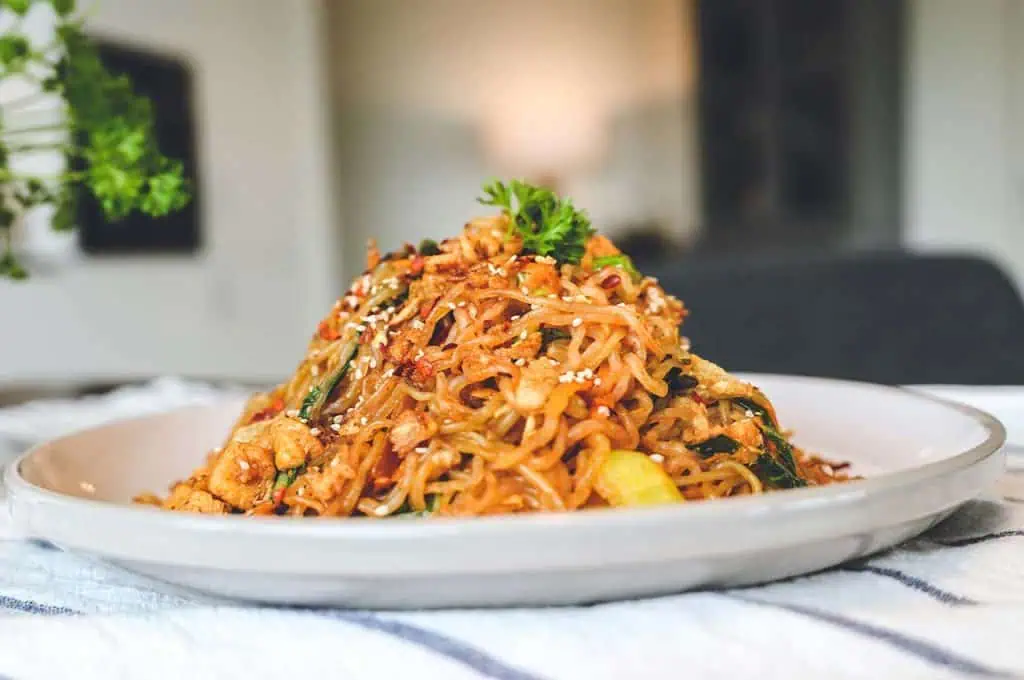
Pad Thai, a staple in Thai cuisine, highlights how restaurant efficiencies work in your favor. Establishments serving this dish often benefit from economies of scale, buying noodles, shrimp, and specialty ingredients like tamarind paste in large amounts. Their expertise in consistently achieving the balance of sweet, spicy, and savory flavors ensures a reliable quality that home endeavors may lack. Plus, the average home cook might struggle with the specialized sauces and seasonings needed, making restaurant options both cost-effective and delectable.
BBQ Pulled Pork: Ready-Made Savings
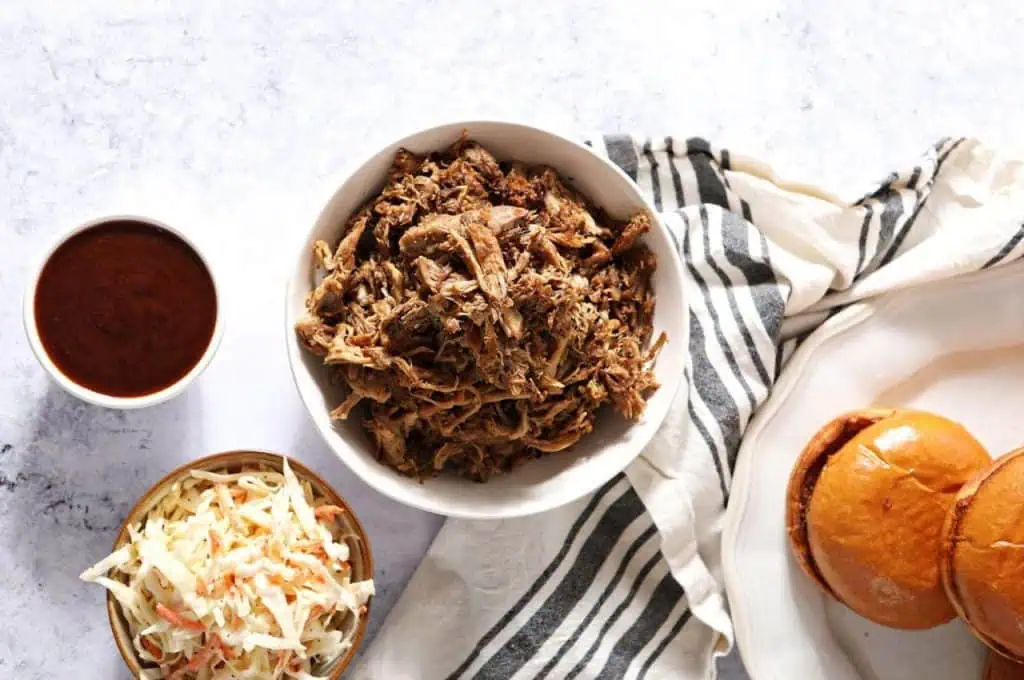
For juicy BBQ pulled pork, restaurants offer a cost-effective solution compared to home preparation. Buying quality pork shoulder, a variety of spices, and the time required for slow cooking can become pricey and labor-intensive. Many eateries use economies of scale, allowing them to serve tender, smoky pulled pork at a fraction of the homemade cost. Purchasing from a restaurant means enjoying expertly balanced flavors and perfectly tender meat without the long cooking process or ingredient expenses.
Get the recipe: Memphis-Style BBQ Pulled Pork Sandwiches
Margherita Pizza: Oven vs. Eatery
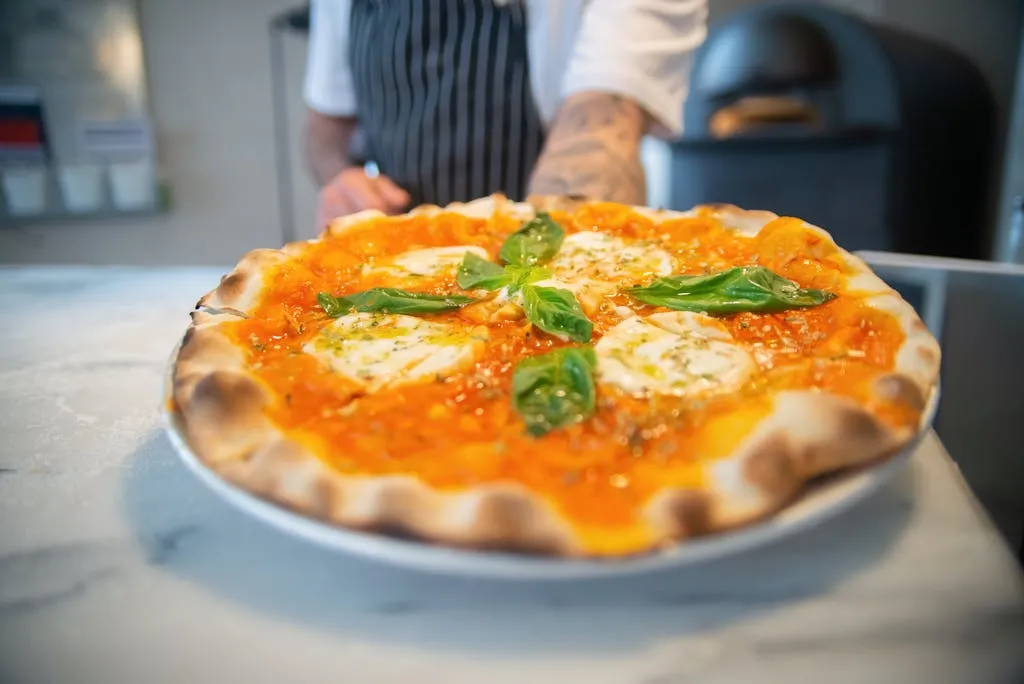
Crafting authentic Margherita pizza at home involves sourcing fresh mozzarella, ripe tomatoes, and fragrant basil, along with the perfect dough recipe. High-quality ingredients, a hot pizza stone, and precise timing are essential for success, making home preparation potentially costlier than dining out. Pizzerias use brick ovens and experienced techniques to achieve that ideal crisp crust and balance of toppings efficiently, often at a lower price point due to bulk ingredient purchasing and optimized cooking conditions.
Sushi Rolls: Specials Beat Home Costs

Preparing sushi rolls at home requires a variety of fresh ingredients, including sushi-grade fish, nori, and specific vegetables, alongside rice, vinegar, and rolling mats. The cost of acquiring these and ensuring their quality can quickly add up. Restaurants specialize in delivering consistent, expertly prepared sushi, benefiting from local seafood partnerships and trained chefs. Their ability to produce intricate rolls swiftly and in large quantities allows for pricing competitive enough to make dining out for sushi not only convenient but financially sensible.
