
9 vintage airline meals that used to be fancy
Decades ago, flying was considered a glamorous experience, and in-flight meals played a major role in shaping that perception. Airlines prepared dishes with hotel-style presentation, served them with full table settings, and treated dining as a highlight of long-distance travel. Passengers could expect attentive service and carefully arranged plates that reflected a more leisurely era. Over time, efficiency, cost, and space limitations replaced these elaborate touches, leaving behind a nostalgic history of elevated meals in the sky.
Roast Beef Carved Aboard

Early long-haul flights sometimes featured roast beef carved directly from service trolleys, giving travelers an experience similar to traditional restaurant dining. Passengers received freshly sliced portions along with vegetables and warm gravy, enhancing the sense of comfort at altitude. As aircraft capacity increased and service windows narrowed, this theatrical presentation became impractical, eventually disappearing from standard cabin offerings.
Lobster Tail Plates
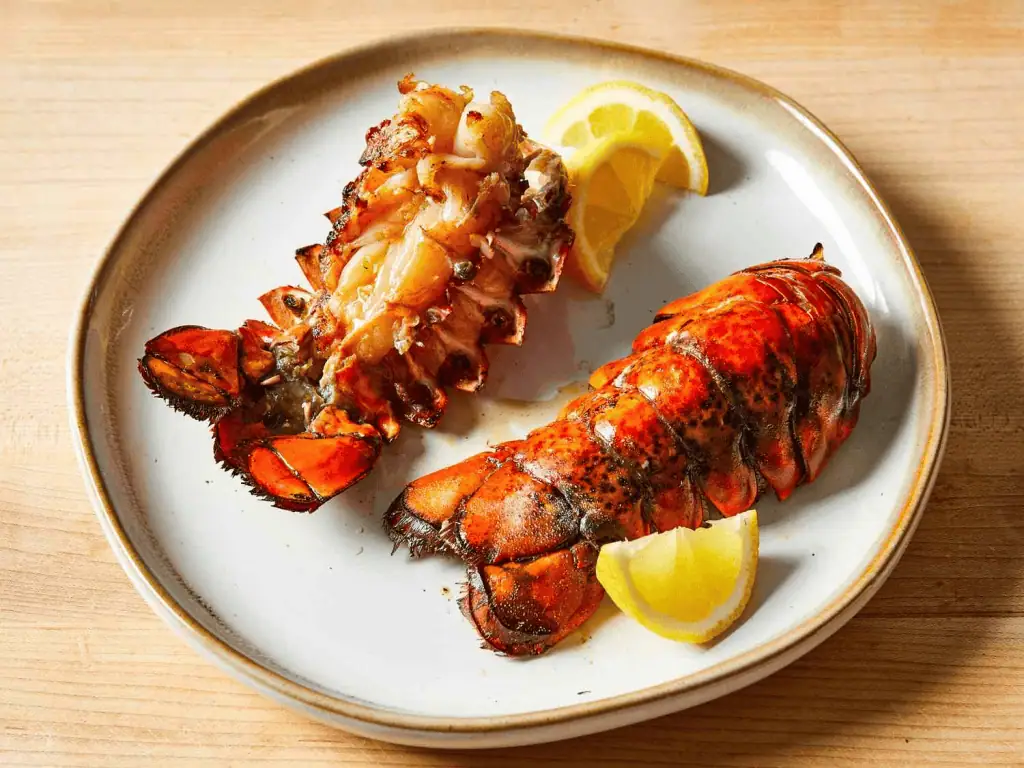
Lobster tail once appeared regularly on international airline menus, presented with butter, lemon, and neatly arranged sides that signaled premium service. It allowed carriers to project sophistication and reassure passengers that they were receiving exceptional value during long flights. Rising costs and the need for more streamlined catering later pushed such luxury items off most menus, ending an era when upscale seafood was a typical option.
Cold Cut Platters

Cold cut platters featuring smoked meats, cheeses, bread, and pickles were a common sight in mid-century airline dining. These assortments traveled well, offered variety, and required minimal heating, making them both practical and stylish. Travelers appreciated the freedom to mix flavors and build small bites throughout the flight. As airlines standardized their service, these more bespoke setups faded in favor of simpler, pre-assembled trays.
Poached Salmon with Dill Sauce
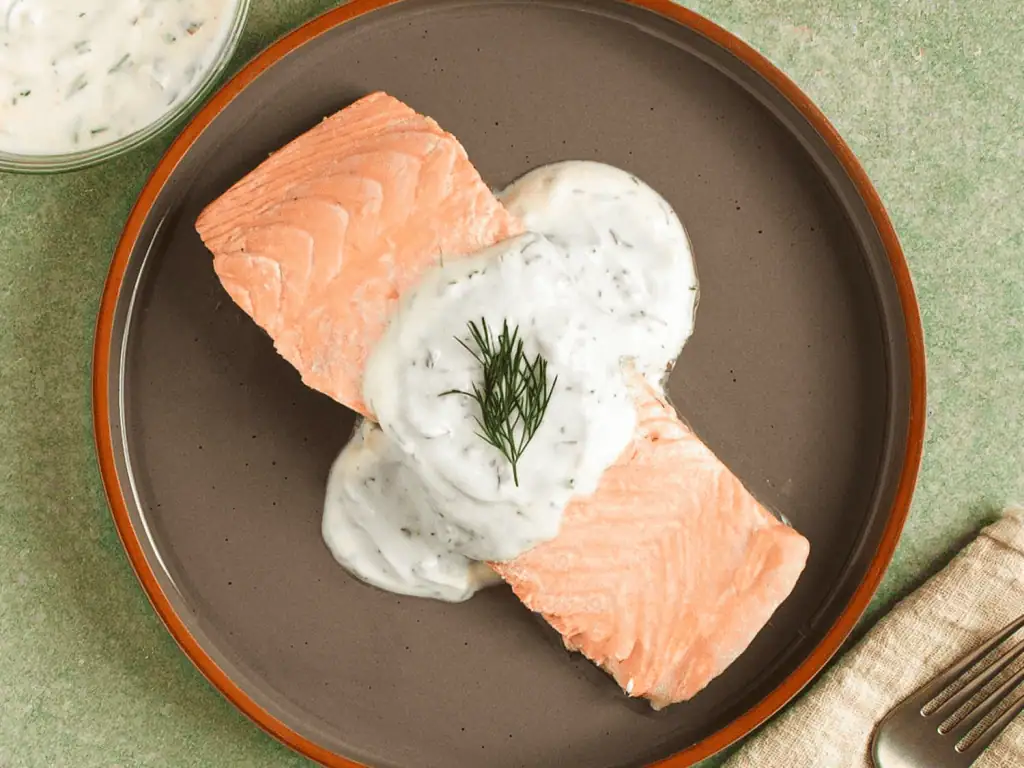
Poached salmon served with dill sauce, capers, and vegetables provided an elegant seafood choice that matched the presentation standards of fine hotel restaurants. It was selected for its delicate flavor and its ability to retain quality during reheating. Over time, airlines reduced the complexity of such dishes as meal production and onboard logistics grew more demanding, leaving passengers with simpler versions lacking earlier decorative touches.
Fruit and Cheese Trolleys

Fruit and cheese trolleys once moved through cabins, giving passengers the opportunity to choose from seasonal fruits, cheeses, and crackers. This style of service conveyed abundance and hospitality, offering a level of interaction uncommon in today’s more compressed environment. As demand for efficiency increased and cabin layouts changed, the space and staffing needed for trolley service became unrealistic, leading to its gradual disappearance.
Chicken à la King
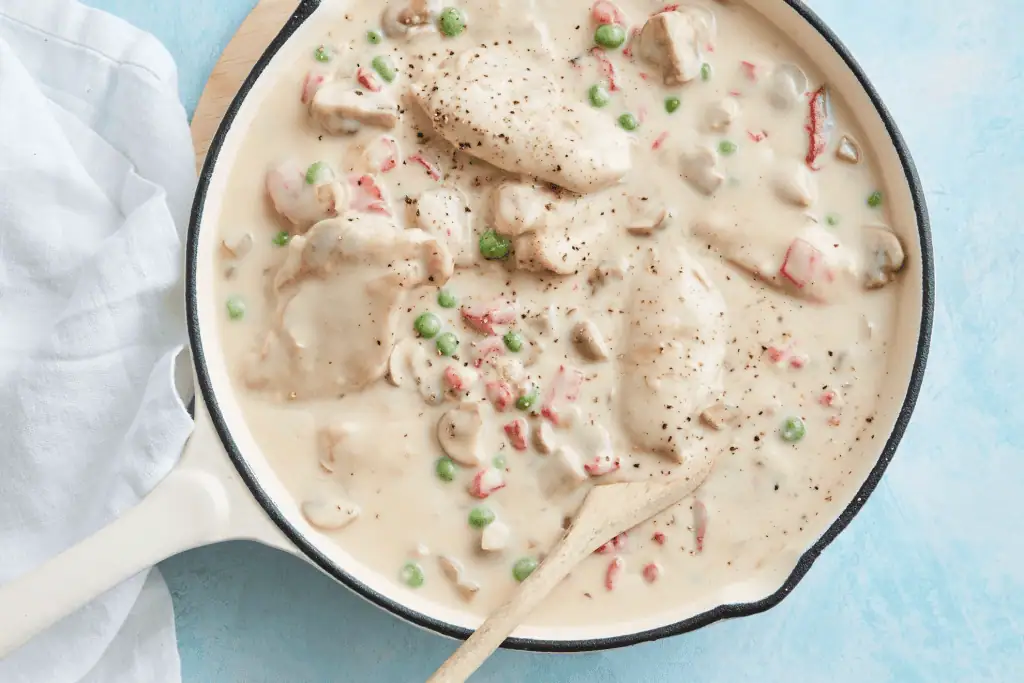
Chicken à la King was a signature mid-century airline dish presented in ceramic cookware with rice or pastry shells. Its smooth texture and rich sauce made it ideal for in-flight reheating while maintaining a refined look. As dining trends shifted toward lighter meals and catering operations streamlined their menus, this once-popular option was phased out in favor of dishes better suited to fast, large-scale preparation.
Shrimp Cocktail Starters
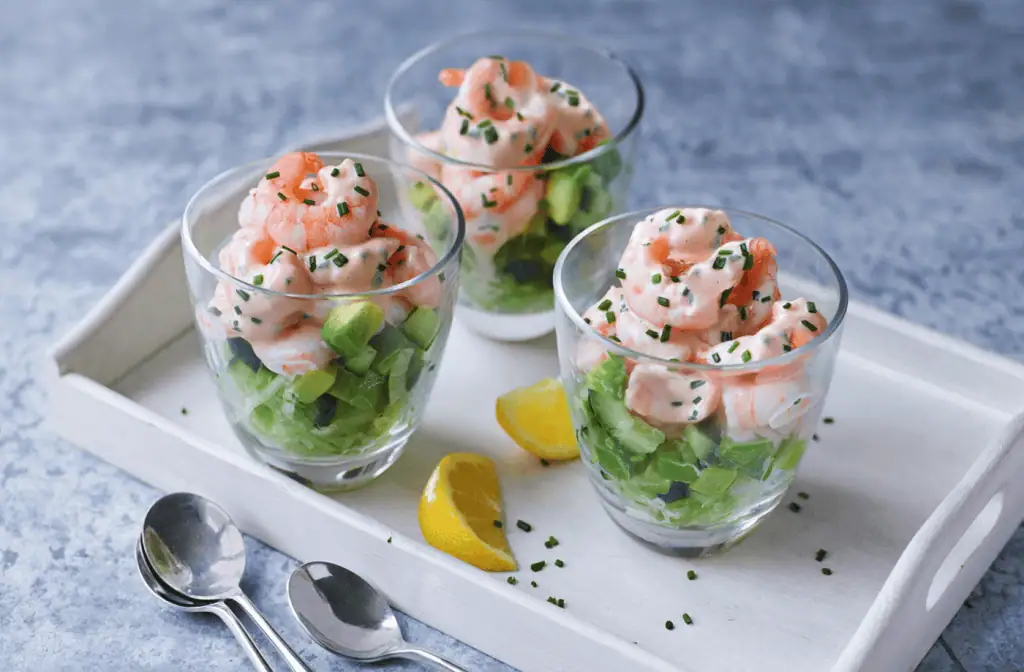
Shrimp cocktails served in small chilled dishes were a frequent appetizer on long international flights. They added a sense of formality to the meal experience, setting the stage for multi-course service. The combination of presentation and simplicity made the dish a favorite among travelers. However, as airlines redesigned their menus around uniform service and shorter preparation times, shrimp cocktails became less common outside premium cabins.
Omelette Breakfast Trays

Freshly prepared omelette trays were standard during morning flights, often accompanied by pastries, fruit, and small sides. These breakfasts offered a personalized touch and provided warmth and comfort during early travel hours. However, preparing such meals grew harder as aircraft size increased and turnaround expectations tightened. Today’s breakfasts are typically more compact and rely on items that require minimal handling.
Ice Cream Sundae Service
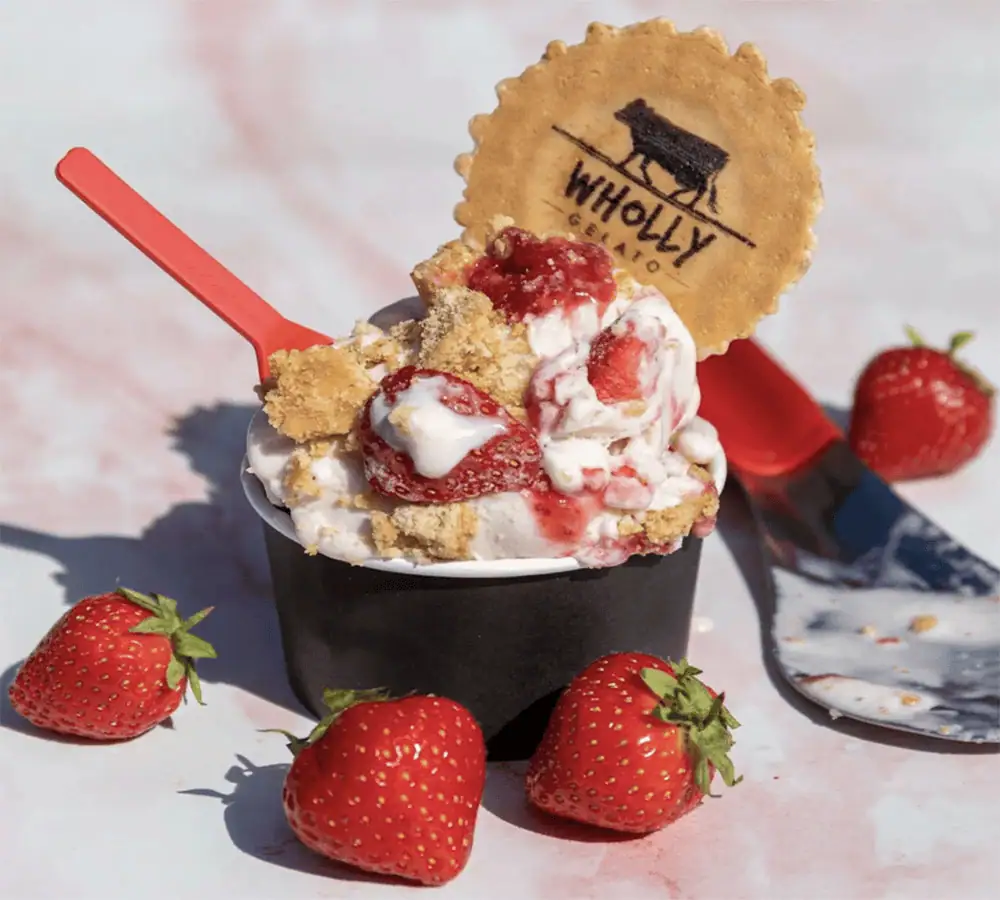
Customizable ice cream sundaes were once a memorable part of in-flight dining, with toppings served tableside to create a small moment of indulgence. The dessert added charm to long trips and offered passengers a rare sense of choice while cruising. As airlines adapted to faster, more uniform operations, the individualized preparation needed for sundaes became difficult to maintain, leading to their replacement by simpler packaged sweets.
