
10 Anti-Inflammatory Power Foods You Can Add to Every Dinner
Chronic inflammation is linked to heart disease, diabetes, and arthritis, but diet plays a powerful role in reducing it. According to the Harvard School of Public Health, eating more anti-inflammatory foods can lower long-term disease risk. These 10 everyday ingredients are backed by science and can easily be added to dinner, making meals more nourishing while protecting overall health.
Salmon

Rich in omega-3 fatty acids EPA and DHA, salmon helps reduce inflammatory markers like C-reactive protein (CRP). A study in Nutrients found omega-3 intake lowers joint pain and inflammation in arthritis patients. Just two servings a week are enough to make a measurable difference.
Broccoli
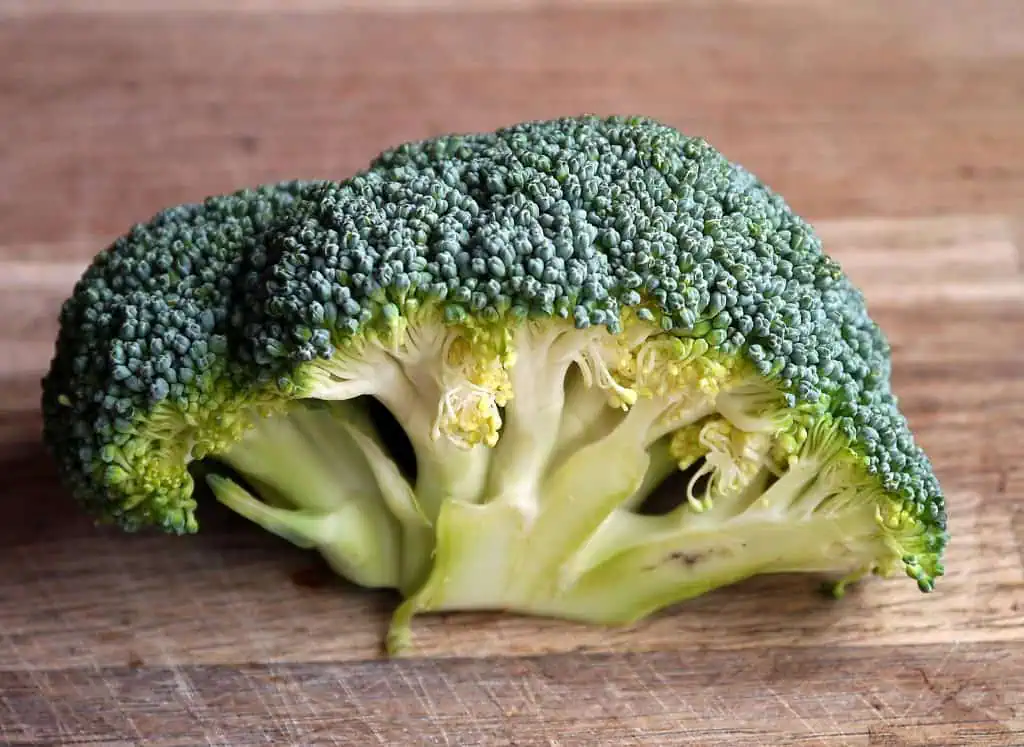
Broccoli contains sulforaphane, a compound shown to reduce inflammation by lowering cytokine activity. Research in the Journal of Functional Foods highlights its role in protecting against chronic diseases. Steamed, roasted, or added to stir-fries, broccoli is a simple yet powerful addition.
Turmeric

Turmeric’s active compound, curcumin, has been widely studied for its anti-inflammatory properties. According to the Journal of Medicinal Food, curcumin supplementation reduced CRP levels in people with metabolic syndrome. Adding turmeric to soups, curries, or roasted vegetables can bring both color and health benefits.
Olive Oil
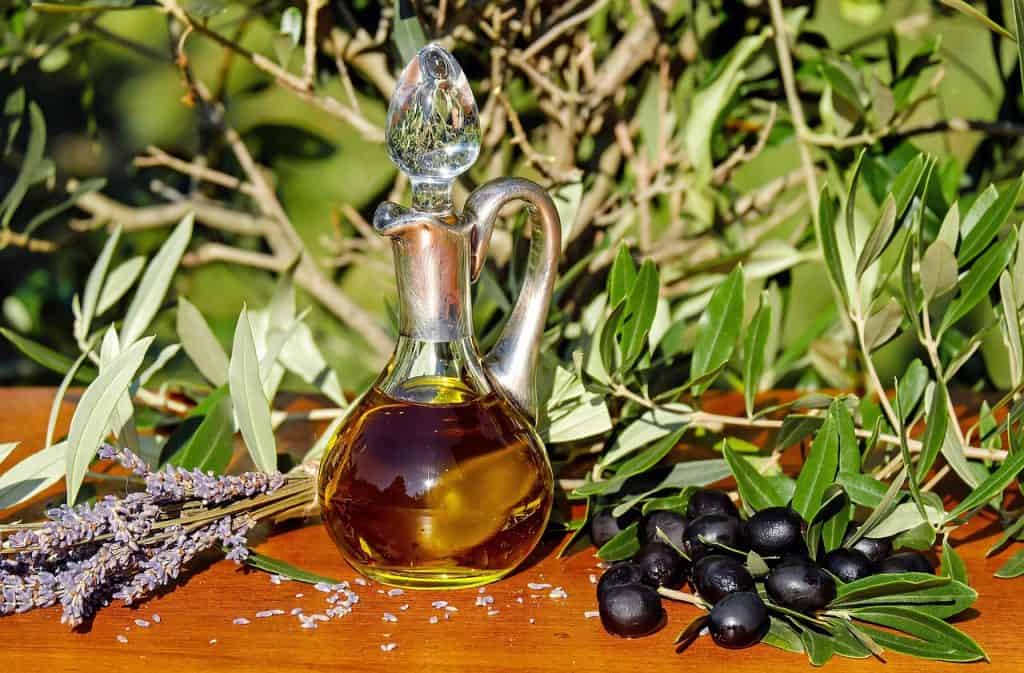
Extra virgin olive oil is rich in monounsaturated fats and polyphenols, which help fight inflammation. The PREDIMED trial found that a Mediterranean diet rich in olive oil reduced inflammatory biomarkers and cardiovascular risk. Using olive oil as a base for cooking or salad dressings is an easy swap with lasting impact.
Berries

Blueberries, strawberries, and raspberries are high in anthocyanins, antioxidants that lower oxidative stress. A Journal of Nutrition study found that berry consumption reduced inflammatory markers in adults with metabolic syndrome. Adding a small serving of berries to salads or as a side dish enhances both flavor and nutrition.
Leafy Greens
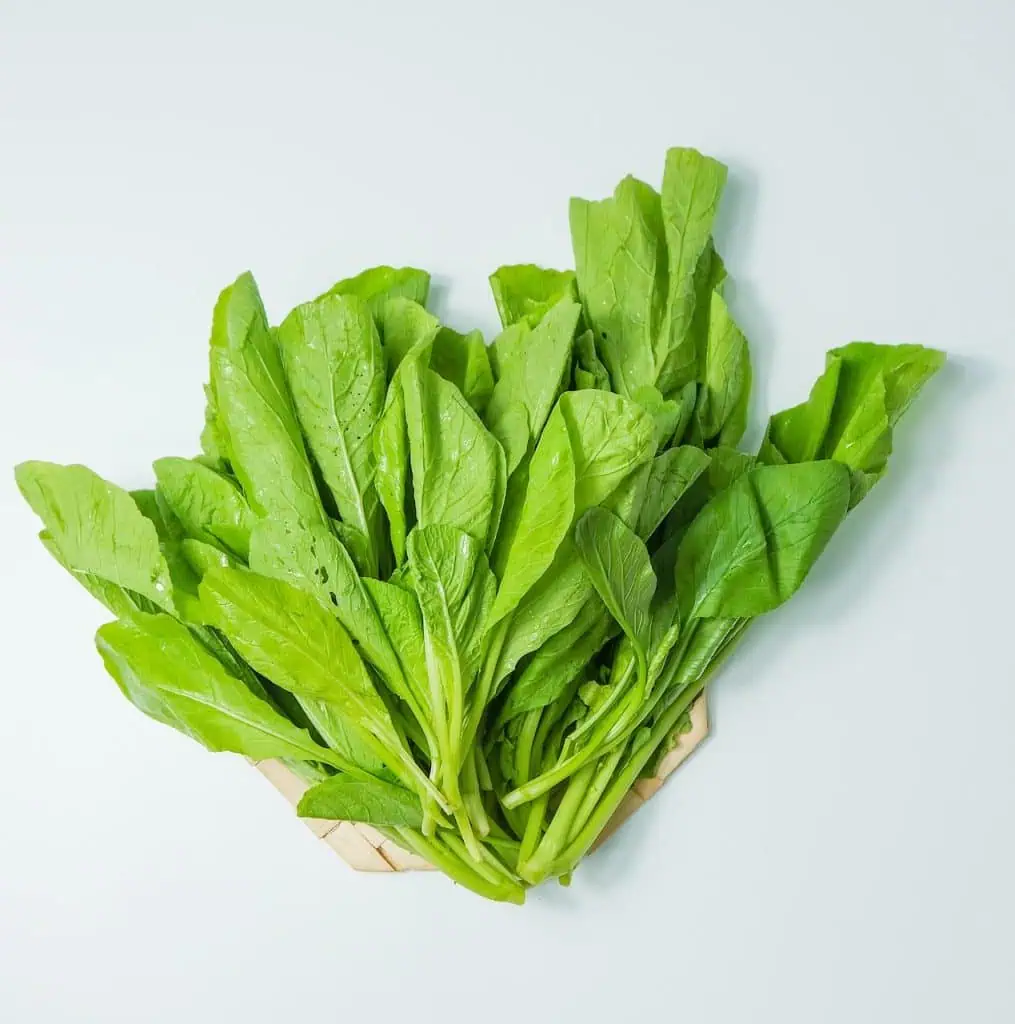
Spinach, kale, and Swiss chard provide vitamins A, C, and K, plus phytonutrients that combat inflammation. The British Journal of Nutrition notes that leafy greens lower CRP and improve vascular health. Tossing greens into pasta, soups, or grain bowls is an easy way to work them into dinners.
Tomatoes

Tomatoes are packed with lycopene, an antioxidant linked to reduced inflammation. Research in the Journal of Clinical Endocrinology & Metabolism found that tomato-rich diets lowered inflammatory stress in overweight individuals. Cooking tomatoes in olive oil boosts lycopene absorption, making sauces and stews especially beneficial.
Garlic

Garlic contains sulfur compounds like allicin, which reduce pro-inflammatory enzymes. A review in Food & Function reported that garlic supplementation lowered CRP and improved immune response. Whether sautéed in stir-fries or roasted whole, garlic adds both flavor and health-boosting compounds to dinner.
Walnuts

Walnuts are another omega-3-rich food that supports anti-inflammatory activity. A Circulation Research study showed that walnut consumption improved endothelial function and reduced inflammation markers. A handful added to salads, grain bowls, or as a crust for fish is both tasty and effective.
Ginger
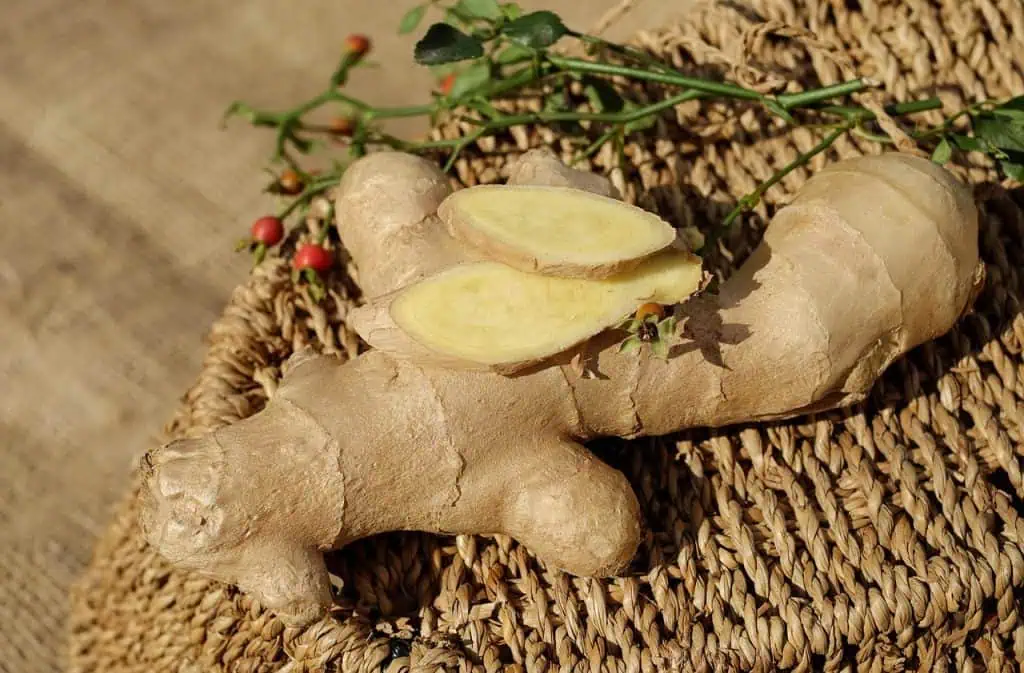
Ginger contains gingerol, a compound with potent anti-inflammatory and antioxidant effects. A study in Arthritis & Rheumatology found ginger supplements reduced pain and inflammation in patients with osteoarthritis. Grated into stir-fries, soups, or teas, ginger is an easy daily addition.
