
12 High-Fiber Foods That Keep You Full and Healthy
Fiber rarely gets the spotlight it deserves. It works quietly behind the scenes, supporting digestion, steadying blood sugar, and keeping hunger at bay long after a meal ends. Yet most of us walk around without nearly enough of it. The good news? Fixing that gap does not require bland salads or chalky supplements. Some of the most delicious foods on the planet happen to be fiber powerhouses.
Picture a warm bowl of oats on a chilly morning, a hearty lentil soup simmering on the stove, or a handful of raspberries that taste like candy but work like medicine. These everyday ingredients prove that eating well can be genuinely pleasurable. Whether you are looking to feel fuller between meals, support your heart, or simply add more variety to your plate, there is a fiber-rich option here for every craving. Let’s dig into the foods that make healthy eating effortless and satisfying.
Oats
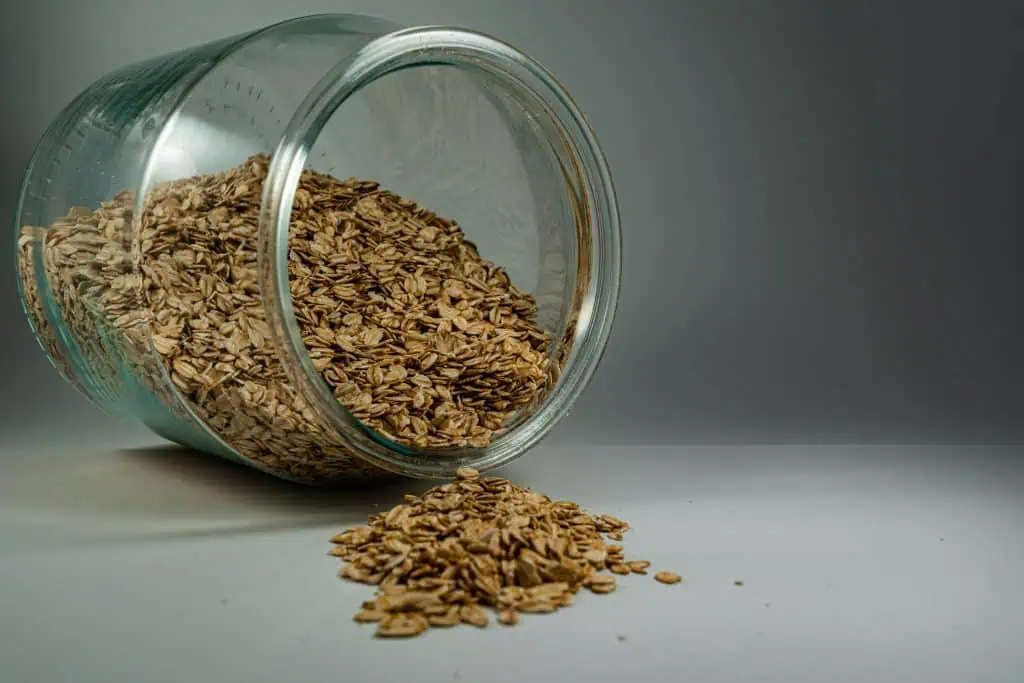
Oats are one of the best sources of soluble fiber, particularly beta-glucan, which helps lower cholesterol and supports heart health. They’re also versatile, serving as a base for oatmeal, overnight oats, or even baked goods. A warm bowl of oats keeps you full throughout the morning, making it a perfect breakfast choice. Adding fruit, nuts, or seeds enhances both flavor and nutritional value.
Lentils
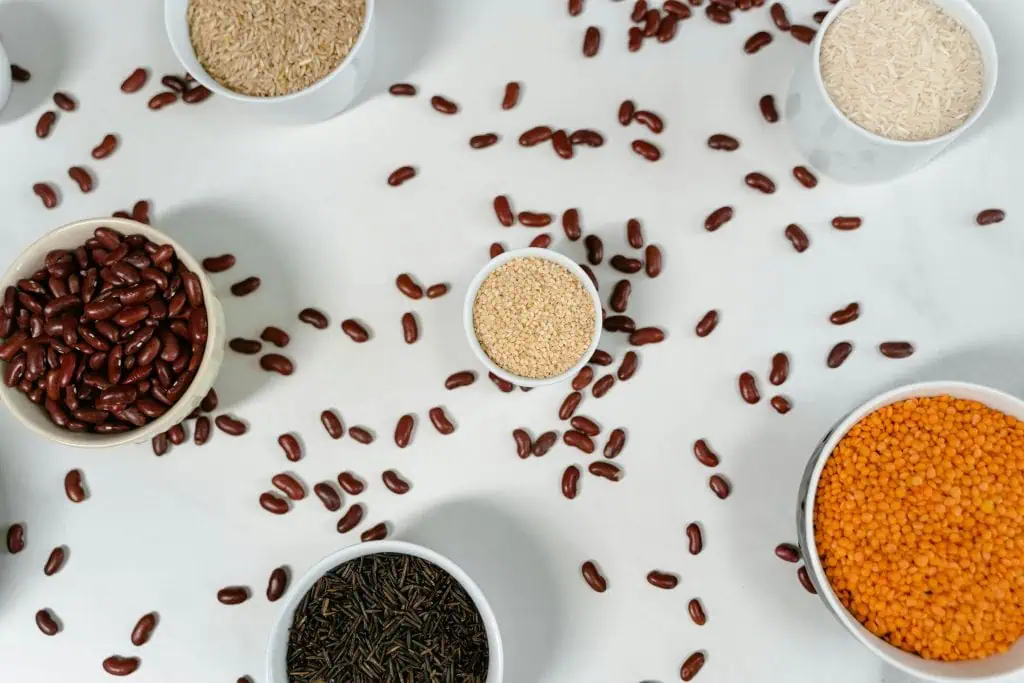
Lentils pack both protein and fiber, making them one of the most filling plant-based foods. They promote steady energy levels while supporting digestive health. Lentils can be added to soups, stews, or salads, or used as a meat substitute in vegetarian dishes. Affordable and quick to cook, they’re an easy way to get a fiber boost while enjoying hearty, flavorful meals.
Apples
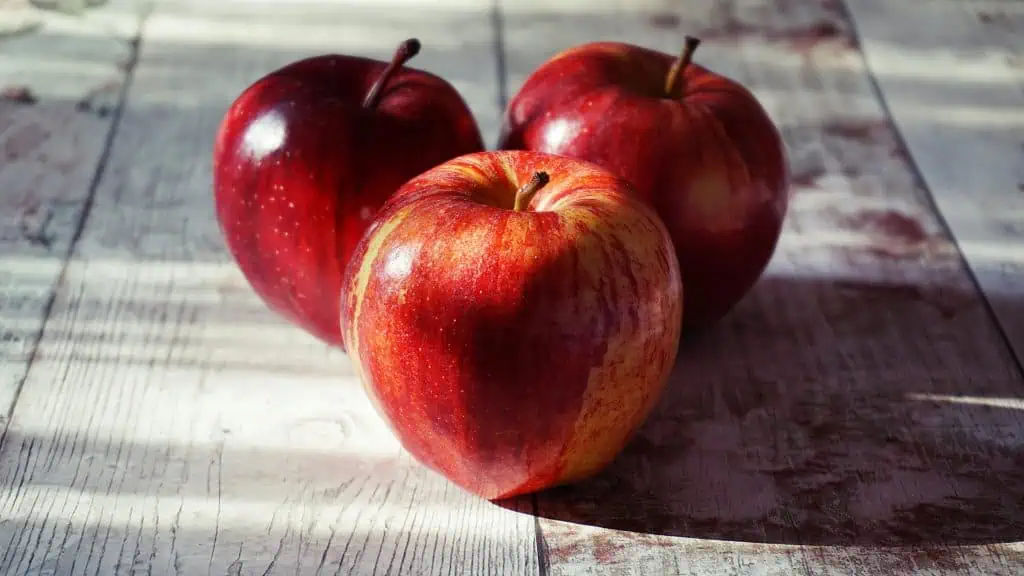
Apples provide a good mix of soluble and insoluble fiber, with the skin offering most of the benefits. This combination aids digestion while also helping you feel full for longer. Their natural sweetness makes them a convenient snack or a great addition to salads and baked goods. An apple a day really does contribute to long-term health thanks to its fiber and antioxidant content.
Chickpeas
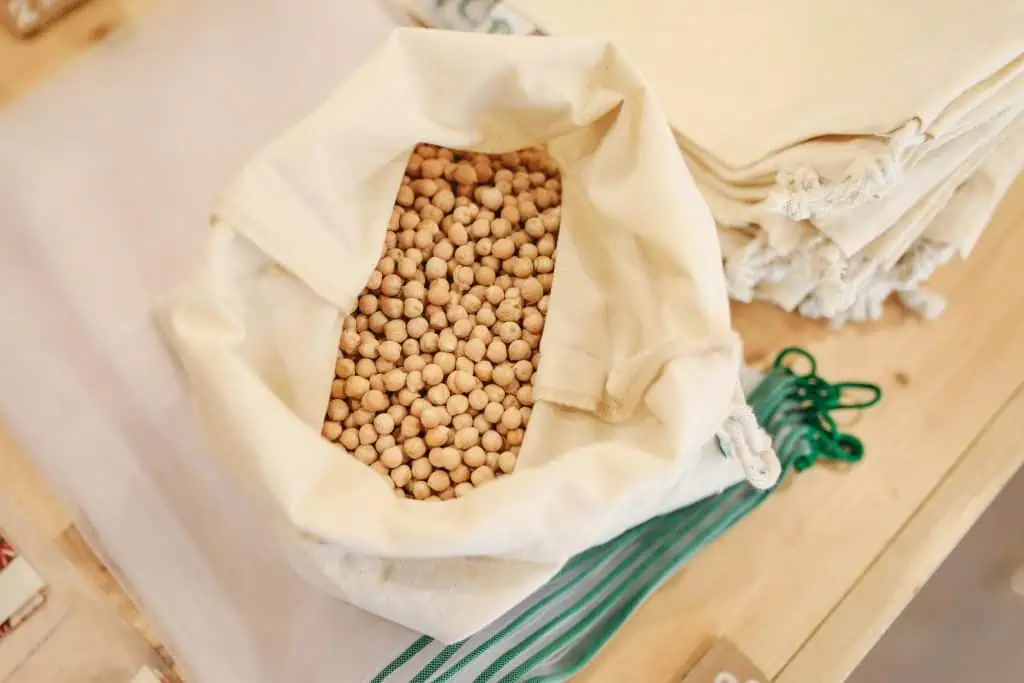
Chickpeas, also known as garbanzo beans, are loaded with fiber and protein, helping stabilize blood sugar and curb hunger. They’re the foundation of dishes like hummus and can also be roasted into crunchy snacks or added to soups and curries. Their versatility and satisfying texture make them one of the best pantry staples for supporting digestive and heart health.
Raspberries
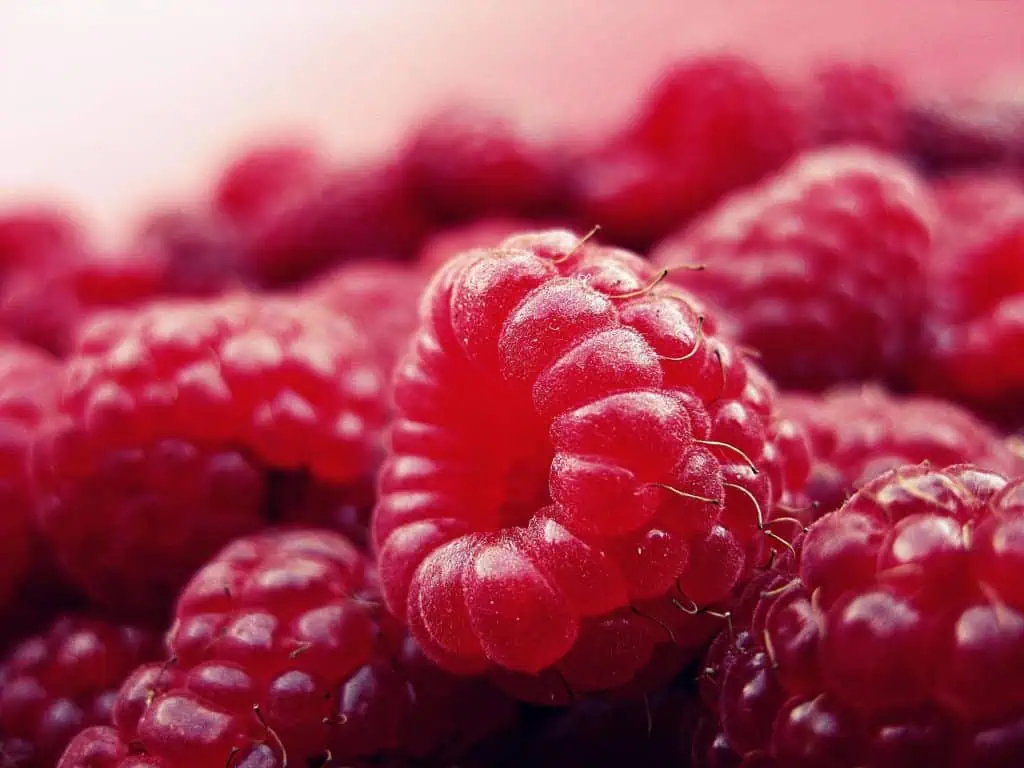
Raspberries stand out among fruits for their exceptionally high fiber content. A single cup provides approximately 8 grams, offering a sweet and refreshing way to support digestive health. They’re also rich in antioxidants and vitamin C. Whether eaten fresh, blended into smoothies, or sprinkled on yogurt, raspberries deliver flavor and nutrition in every bite.
Quinoa
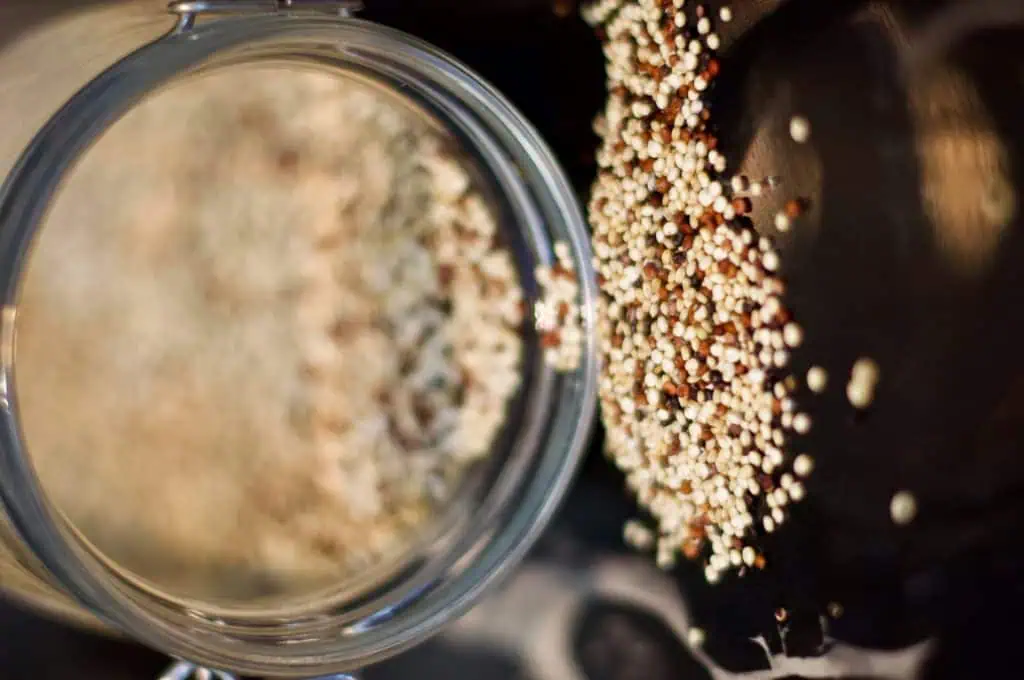
Quinoa is a fiber-rich whole grain that also provides complete protein, making it especially valuable in plant-based diets. Its nutty flavor and fluffy texture pair well with vegetables, proteins, or salads. Packed with nutrients like magnesium and iron, quinoa supports both energy levels and digestion. It’s a versatile base that proves healthy eating can also be satisfying and filling.
Broccoli
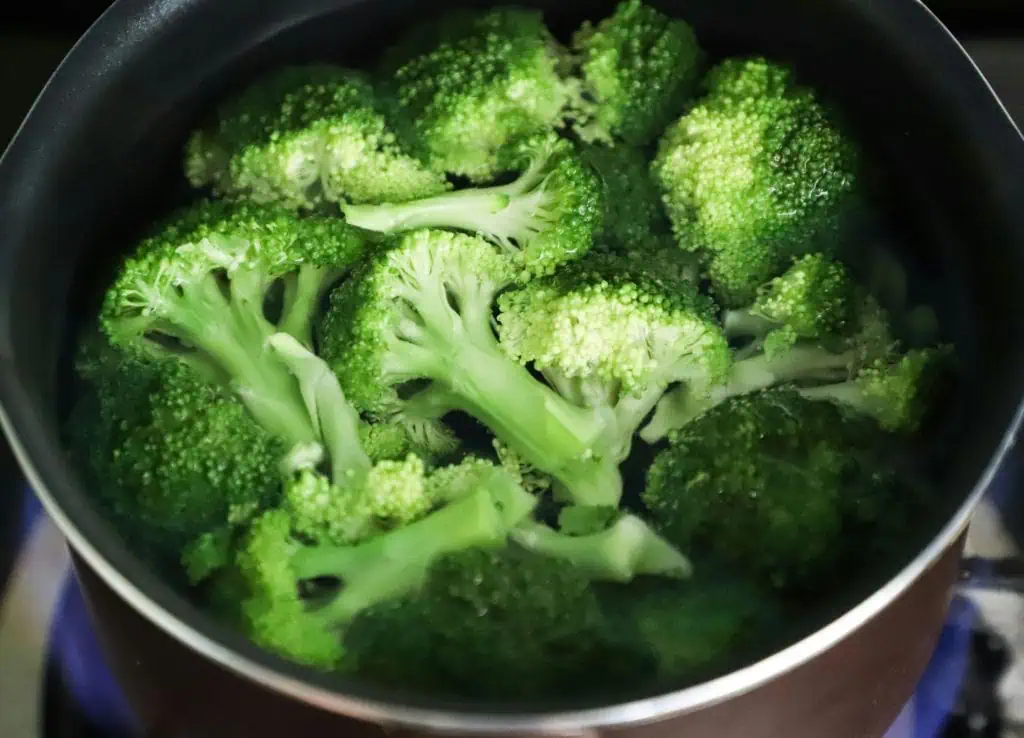
Broccoli is a cruciferous vegetable that offers both fiber and powerful antioxidants. Its high fiber content supports digestive health, while its compounds may also reduce the risk of chronic diseases. Steamed, roasted, or added to stir-fries, broccoli is easy to incorporate into daily meals. Its combination of nutrients makes it a powerhouse vegetable for fullness and overall wellness.
Black Beans
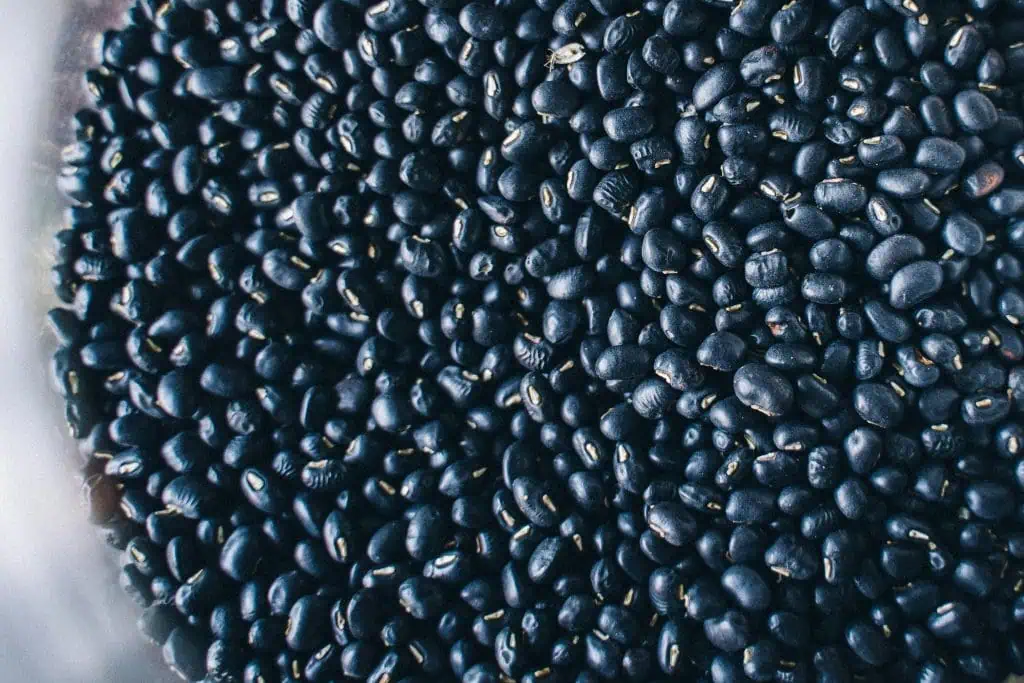
Black beans are a staple in high-fiber diets, offering about 15 grams per cup along with plenty of protein. They help maintain stable energy levels and support heart health. Often used in Latin American cuisine, they’re delicious in soups, burritos, or salads. Their hearty texture makes them filling and versatile, proving that fiber-rich foods can also be deeply satisfying.
Chia Seeds
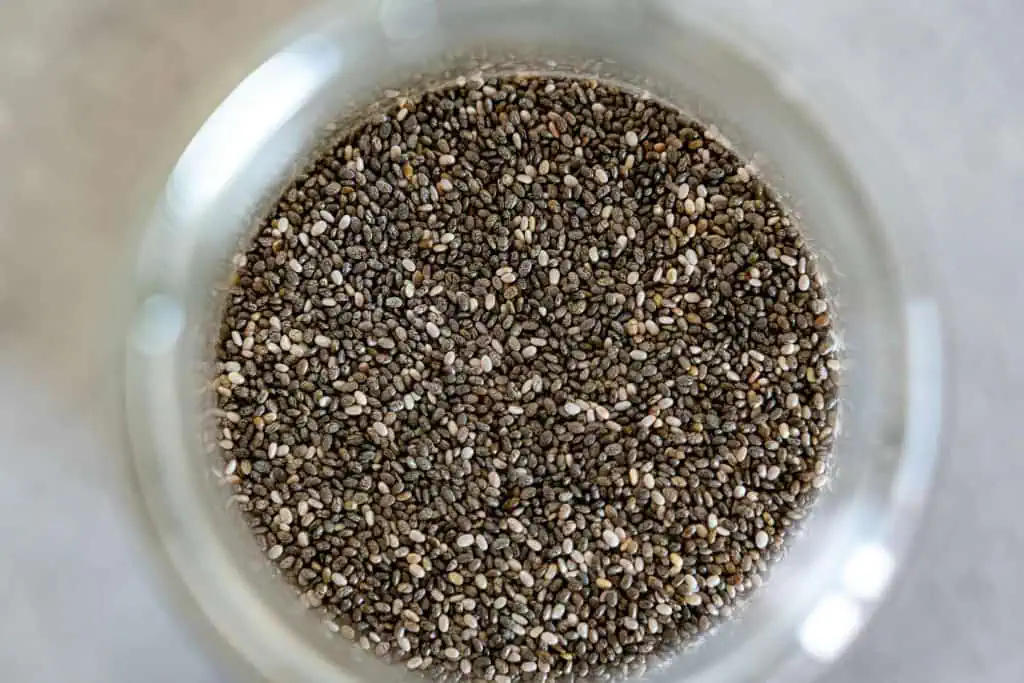
Chia seeds may be tiny, but they’re incredibly rich in fiber, especially soluble fiber that forms a gel when mixed with liquid. This slows digestion and helps keep you full longer. They’re perfect for making chia pudding, adding to smoothies, or sprinkling on oatmeal. With omega-3 fatty acids and antioxidants, chia seeds offer multiple health benefits in a small package.
Pears

Pears provide a refreshing way to boost fiber intake, particularly when eaten with the skin. Their gentle sweetness makes them ideal as a snack or dessert, while their soluble fiber aids digestion and helps regulate blood sugar. Pears are also hydrating due to their high water content, making them a nutritious and filling fruit that supports long-term health.
Sweet Potatoes

Sweet potatoes are packed with fiber and antioxidants like beta-carotene. Their combination of soluble and insoluble fiber supports digestion and provides lasting energy. Whether baked, roasted, or mashed, they’re a versatile side dish that feels indulgent while offering significant nutritional benefits. Their natural sweetness makes them a family-friendly way to increase fiber intake.
Almonds

Almonds provide fiber along with healthy fats, protein, and vitamin E, making them one of the most balanced snacks available. The fiber helps support digestion and satiety, while their crunch makes them satisfying to eat. Just a handful provides a meaningful boost in daily intake. Whether eaten raw, roasted, or as almond butter, they’re a delicious way to promote fullness and heart health.
