
10 Budget-Friendly Superfoods That Actually Boost Your Health
Superfoods don’t have to be exotic or expensive. Many affordable pantry staples provide vitamins, minerals, and antioxidants that improve overall health. According to the Centers for Disease Control and Prevention (CDC), nutrient-dense foods like beans, leafy greens, and oats are among the most cost-effective ways to lower chronic disease risk. Here are 10 budget-friendly superfoods proven by science to deliver real health benefits.
Oats
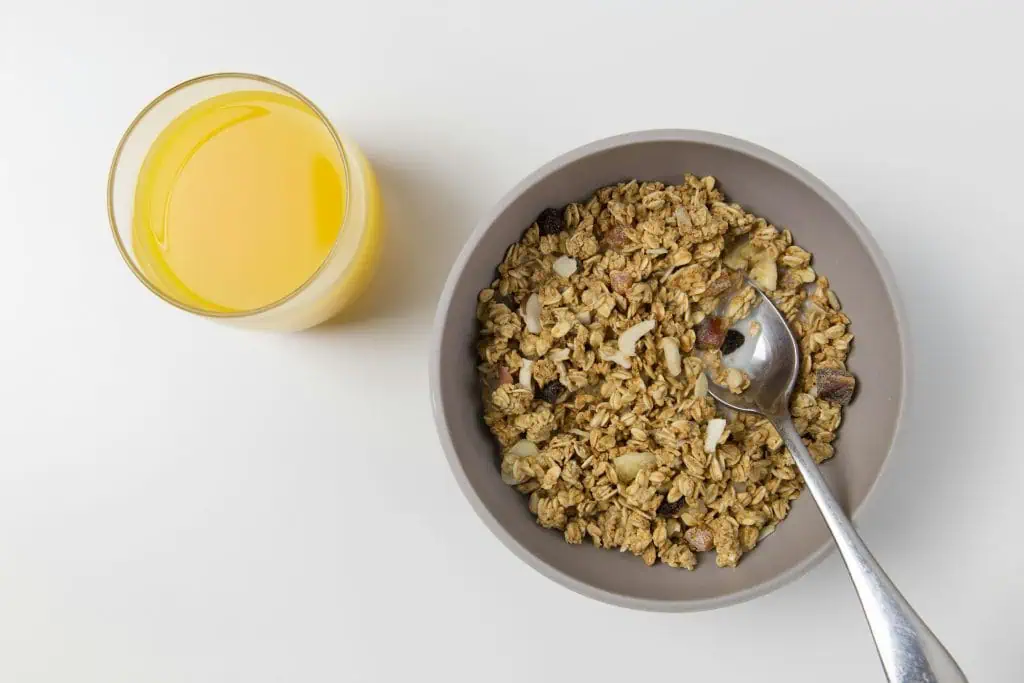
Oats are rich in beta-glucan, a soluble fiber that helps lower cholesterol. A review in the American Journal of Clinical Nutrition confirmed that daily oat consumption reduces LDL cholesterol and improves heart health. Affordable and versatile, oats can be enjoyed as oatmeal, added to smoothies, or used in baking.
Lentils

Packed with protein, fiber, and iron, lentils are a powerhouse legume. Research in Nutrients shows lentil consumption improves blood sugar control and supports cardiovascular health. They’re inexpensive, cook quickly, and work well in soups, stews, or salads, making them one of the most accessible superfoods.
Eggs

Eggs are one of the most affordable sources of high-quality protein. The Journal of the American College of Nutrition highlights that eggs provide essential nutrients like choline, which supports brain health. Despite past concerns, studies show moderate egg intake does not increase heart disease risk for most people.
Apples

Apples are rich in fiber and antioxidants such as quercetin. A meta-analysis in the European Journal of Nutrition found regular apple consumption lowers the risk of heart disease and certain cancers. Inexpensive and portable, apples are an easy, everyday superfood that supports overall health.
Spinach

Spinach is loaded with lutein, iron, and vitamin K. The Journal of Agricultural and Food Chemistry reports that lutein helps protect against eye diseases like macular degeneration. Affordable fresh or frozen, spinach can be added to smoothies, omelets, or soups for a nutrient boost.
Yogurt

Plain yogurt is rich in probiotics, calcium, and protein. A study in BMC Medicine found regular yogurt intake is linked with a lower risk of type 2 diabetes. Opting for unsweetened varieties provides gut health benefits and makes yogurt a versatile base for both sweet and savory dishes.
Sweet Potatoes

Sweet potatoes provide beta-carotene, which converts into vitamin A. Research in Advances in Nutrition shows beta-carotene-rich diets support immune function and eye health. Inexpensive and filling, sweet potatoes can be roasted, mashed, or baked for a nutrient-dense side dish.
Cabbage

Cabbage is part of the cruciferous vegetable family, known for compounds that support cancer prevention. A review in Annals of Oncology noted that cruciferous vegetables are linked with lower risk of colorectal cancer. Affordable and long-lasting, cabbage works well in stir-fries, soups, or slaws.
Beans

Black beans, kidney beans, and chickpeas provide fiber, protein, and magnesium. The American Journal of Clinical Nutrition found bean consumption helps reduce cholesterol and improves satiety. Cheap and versatile, beans are a staple in many cuisines and make meals both filling and heart-healthy.
Bananas

Bananas are a budget-friendly source of potassium, which helps regulate blood pressure. A study in Hypertension showed potassium-rich diets are linked to reduced cardiovascular risk. Bananas are easy to carry, naturally sweet, and can be used in smoothies, oatmeal, or as a simple snack.
