
10 Hidden Pantry Staples vs. Unnecessary Fancy Finds
In every kitchen, there are hidden gems, modest pantry staples that outperform their fancier counterparts. Unlock the potential of these ingredients for both ease and value, providing delicious meals without the need for extravagant alternatives. From canned beans to humble carrots, these unassuming starters await your creative touch, ready to transform everyday dishes into nourishing culinary experiences.
Canned Beans vs. Imported Lupini Beans

Canned beans may not sound glamorous, but they’re nutrient-dense, wallet-friendly, and incredibly versatile. They deliver fiber, protein, and essential minerals like magnesium and iron without the prep time that lupini beans require. While lupini beans are praised for their protein content and low starch, their lengthy soaking and bitter alkaloids make them far less convenient. For most home cooks, canned beans provide nearly the same nutritional benefits with far more accessibility.
Rolled Oats vs. Ancient Grain Mixes

Rolled oats have long been a breakfast staple, offering soluble fiber that supports heart health and keeps you full. They’re simple, affordable, and backed by decades of research on lowering cholesterol. Ancient grain mixes, often blending quinoa, amaranth, and teff, sound exotic, but they don’t necessarily deliver more nutrition. While they provide variety, rolled oats remain one of the most reliable, cost-effective choices for everyday health.
Carrots vs. Goji Berries for Antioxidants

Carrots, rich in beta-carotene, convert to vitamin A in the body, supporting vision and immune health. They’re accessible, affordable, and well-studied for their antioxidant properties. Goji berries, often marketed as a “superfood,” do contain unique compounds like zeaxanthin, but their benefits don’t drastically outpace everyday vegetables. For most people, fresh carrots can deliver similar antioxidant perks without the high cost of imported gojis.
Cabbage vs. Kale Chips
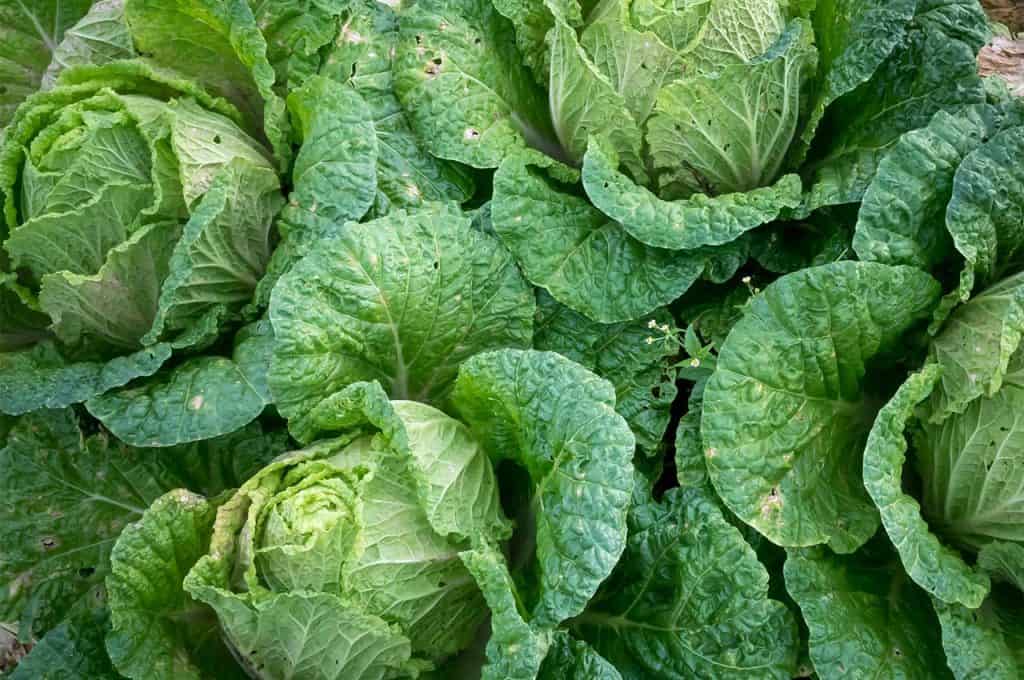
Cabbage, long a staple in kitchens worldwide, is packed with vitamin C, vitamin K, and protective phytonutrients, offering powerful health benefits at a fraction of the cost. Kale chips, often sold as a premium snack, boast similar nutrients but lose some value during processing and come with added oils and salt. Fresh or lightly cooked cabbage delivers much of the same nutrition, without the markup or unnecessary extras.
Brown Rice vs. Wild Rice Blends

Brown rice is a hearty, fiber-rich staple that supports digestion and helps regulate blood sugar, making it a reliable everyday grain. Wild rice blends, often marketed as more exotic and nutrient-packed, provide extra protein and antioxidants but usually come with a higher price tag and smaller portion of actual wild rice mixed in. For balanced nutrition and affordability, plain brown rice holds its own against these fancier blends.
Apples vs. Acai Powder
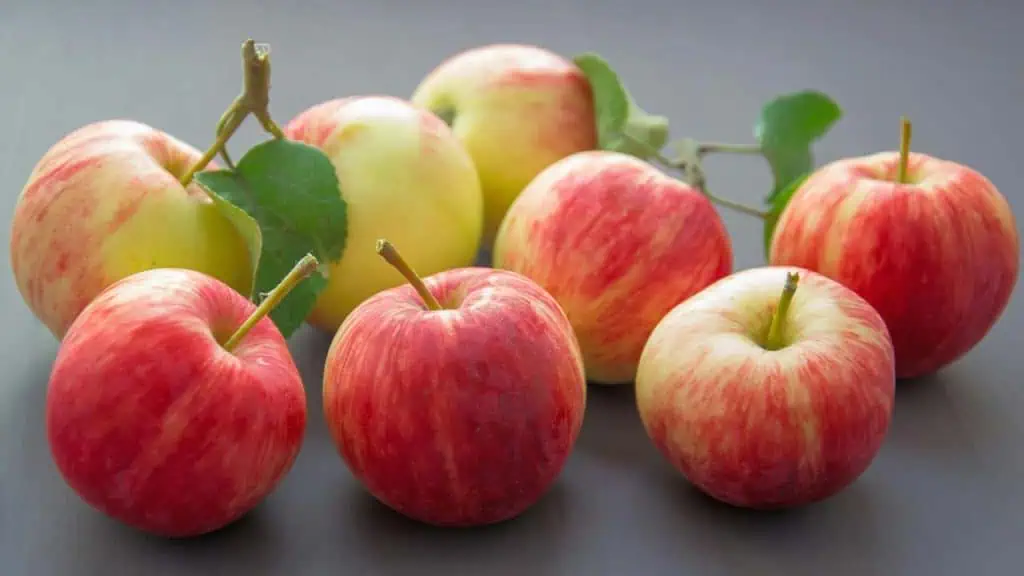
Apples are a classic source of fiber, vitamin C, and polyphenols, linked to reduced heart disease and improved gut health, backed by the saying “an apple a day.” Açaí powder, often sold as a superfood, is rich in antioxidants like anthocyanins but loses some potency during processing and comes at a steep cost. While both offer benefits, apples deliver affordable, accessible nutrition that rivals the trendy allure of açaí.
Lentils vs. Chia Seeds for Protein & Fiber
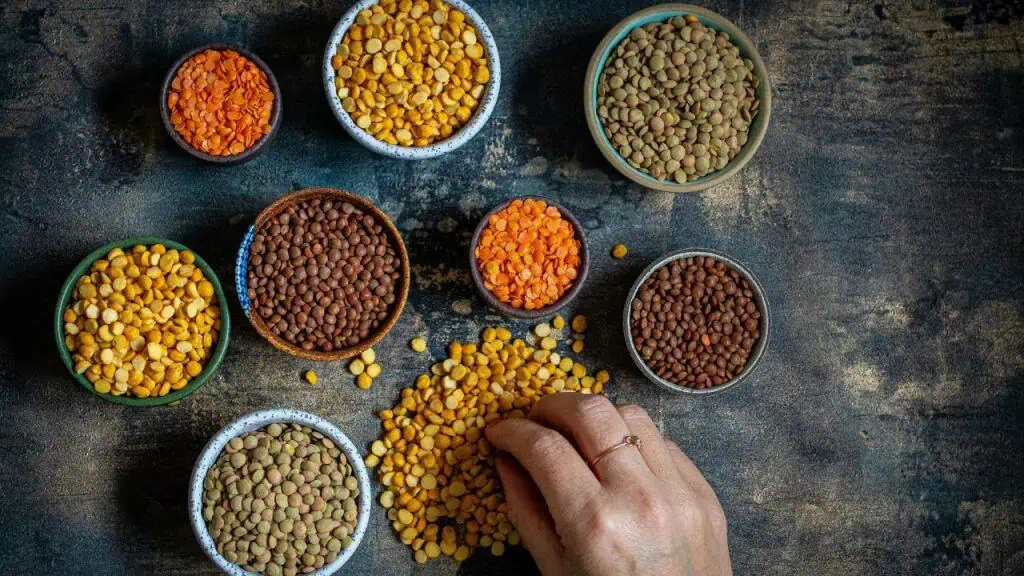
Lentils have long been a powerhouse, offering about 18 grams of protein and 15 grams of fiber per cooked cup, making them a staple in plant-based diets and linked to lower risks of chronic disease. Chia seeds, though nutrient-dense, provide less protein but deliver omega-3s and soluble fiber that supports digestion. Both are valuable, but lentils remain a budget-friendly, filling option that matches chia’s benefits without the hefty price tag.
Sunflower Seeds vs. Hemp Hearts

Sunflower seeds are rich in vitamin E, magnesium, and antioxidants, supporting heart health and reducing inflammation, while also being a convenient, affordable snack. Hemp hearts, on the other hand, are prized for their complete protein profile, containing all nine essential amino acids, along with omega-3 and omega-6 fatty acids. While both have strong nutritional perks, sunflower seeds hold their ground as a more accessible, budget-friendly choice.
Potatoes vs. Cassava Flour Snacks

Potatoes, especially when baked or boiled, provide potassium, vitamin C, and fiber, making them a versatile and nutrient-dense staple. However, once fried into chips or loaded with toppings, they quickly become a source of excess fat and sodium. Cassava flour snacks, often marketed as grain-free or gluten-free, offer an alternative but are typically low in protein and fiber. In the end, both can lean indulgent, portion size and preparation make the real difference.
Canned Fish vs. Expensive Omega-3 Supplements

Canned fish like sardines and tuna deliver a natural, affordable source of omega-3 fatty acids, along with protein, vitamin D, and selenium. According to a review in Nutrients (2020), dietary fish consumption often provides greater cardiovascular benefits than isolated omega-3 supplements. While supplements may help in cases of deficiency, canned fish offers a nutrient-dense, budget-friendly option that rivals pricey capsules.
