
9 Ingredients Fine Dining Kitchens Are Suddenly Dropping and Why
In fine dining, trends are as dynamic as the culinary landscapes they shape. Chefs continually reassess ingredients, seeking freshness, sustainability, and genuine flavor. Understanding why certain items fall out of favor can be essential for both aspiring chefs and home cooks. Here, we delve into nine ingredients once at the forefront, yet now slipping away from the spotlight in elite kitchens, offering insights into evolving culinary philosophies.
Truffle Oil: Moving Away From Artificial Luxury

Truffle oil, long celebrated for imparting a luxurious note, is often critiqued for its artificial aroma. Predominantly made with synthetic flavor components rather than real truffles, many chefs consider it a shortcut that fails to deliver authentic depth.
The push towards natural ingredients emphasizes the use of real truffles, when possible, or alternative umami-rich elements that offer a more genuine, layered taste profile. Shifting away from truffle oil supports a commitment to integrity and quality in dishes.
Foie Gras: The Ethical Debate Reshaping Menus

Foie gras has always been controversial, with ethical concerns at the forefront. The force-feeding process involved in its production has led many chefs to rethink its place on menus, especially as diners become more conscious of animal welfare.
Several cities and countries have moved towards banning its sale, influencing broader culinary trends. In its place, chefs explore humane alternatives that still deliver the desired richness, such as generous use of high-quality duck liver from ethical sources.
Microgreens: Overused Garnishes Out of Favor

Once adored for their elegance and vibrant touch, microgreens are often viewed as a lazy crutch in plating. Many chefs now opt for herbs or edible flowers that contribute more than just appearance, offering distinctive flavors and aromas.
This pivot emphasizes thoughtful composition, where garnishes enhance rather than detract. As dining evolves towards authentic and meaningful presentations, simplistic and overly familiar garnishes like microgreens are being reevaluated across the fine dining spectrum.
Liquid Nitrogen: Decline of Showy Presentations
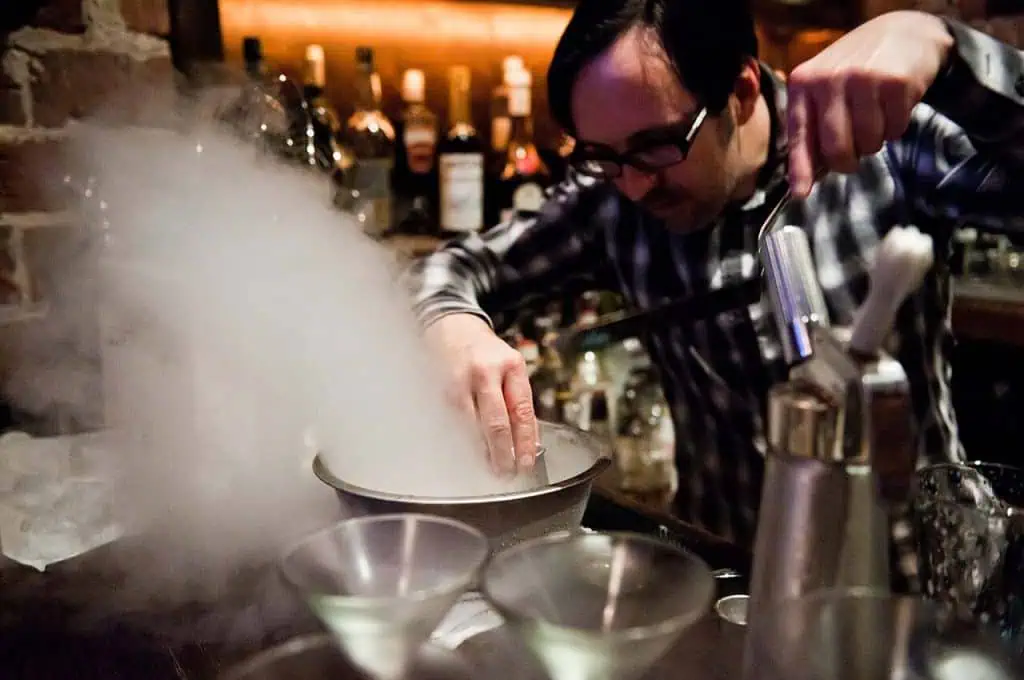
Liquid nitrogen, known for creating dramatic effects, is seeing reduced use as chefs prioritize substance over spectacle. Once a hallmark of molecular gastronomy, its novelty has waned, with diners seeking more connection with their food.
Chefs are leaning towards warmth and genuine flavor developments rather than theatrical displays. The shift encourages techniques that elevate ingredients through skill and innovation, moving away from effects that risk overshadowing the culinary narrative.
Caviar Substitutes: Authenticity Is Winning
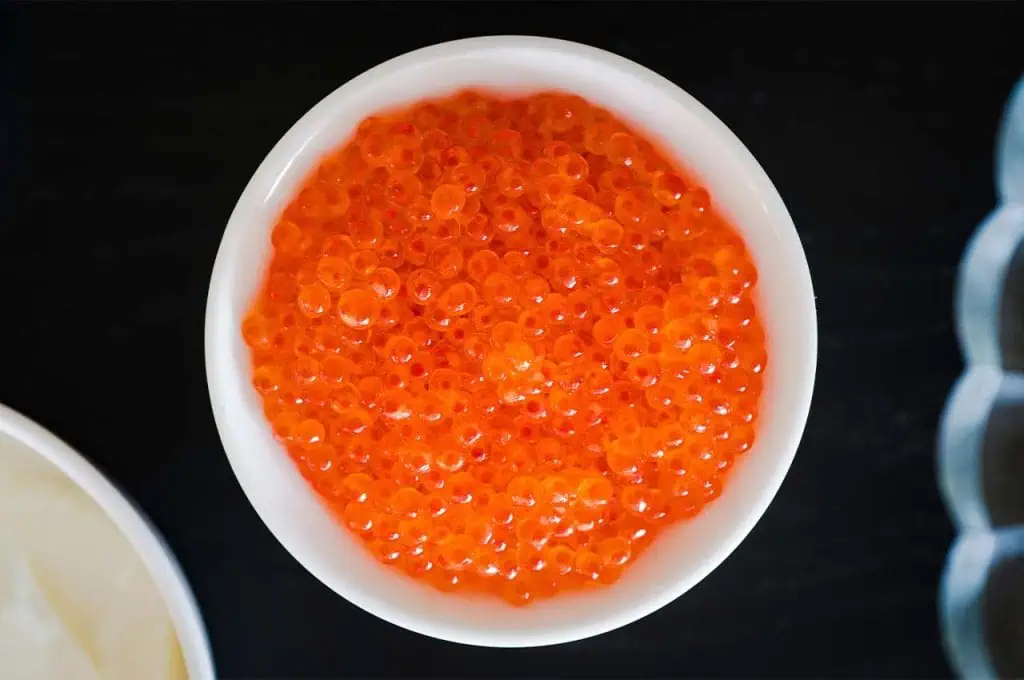
The shift away from caviar stems from a desire for authenticity and sustainability. Instead of traditional caviar, chefs are opting for ingredients like trout roe, which offer similar textural joy and brininess without the environmental cost.
This change encourages a focus on local, traceable sources, allowing chefs to build flavors from scratch using elements true to their region. These substitutes maintain the luxurious essence capably but prioritize genuine quality and ethical fishing practices.
Gold Leaf: Bye to Flashy, Non-Essential Add-Ons
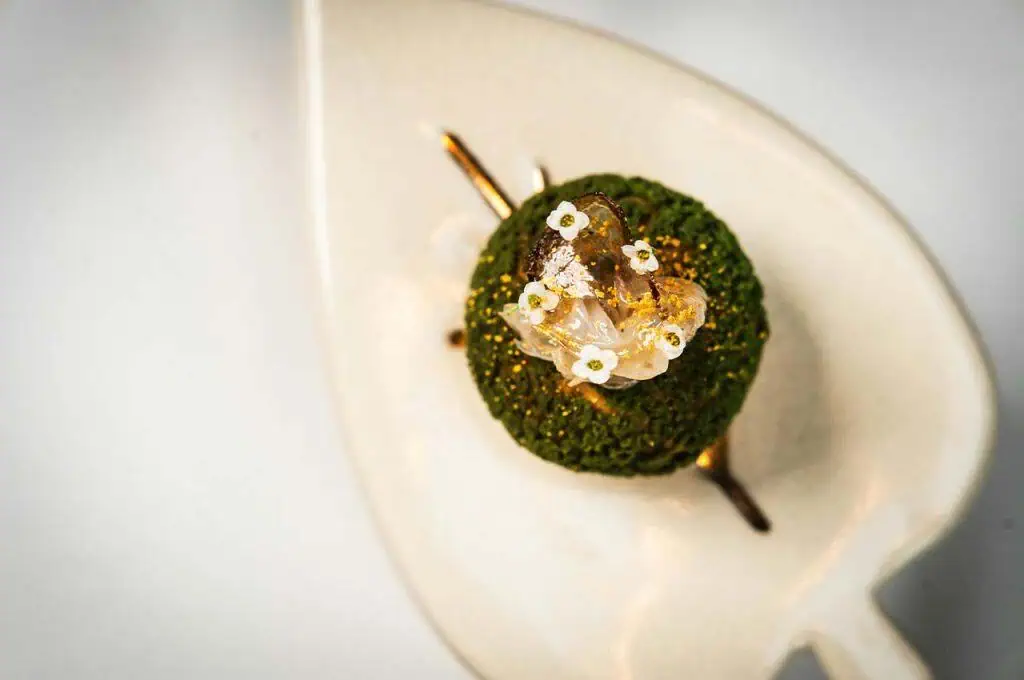
Gold leaf garnishes once symbolized opulence but added little culinary value. Chefs are now prioritizing substances that enhance flavor rather than appearance. This means using herbs or finishing salts that contribute taste and aroma.
Dishes are better served with elements that surprise and delight the palate, not just the eyes. This approach strengthens the dish’s integrity, aligning focus on gustatory pleasure rather than ostentatiousness. Diners can appreciate thoughtful ingredients with a purpose-driven role.
Corn Syrup: Natural Sweeteners Take The Lead

Corn syrup’s presence in fine dining has dwindled, giving way to natural sweeteners like honey, agave, and maple syrup. These alternatives add complexity and subtlety to dishes, with each offering distinct flavors.
From the floral notes of honey to the earthy depth of maple syrup, these ingredients redefine sweetness with a refined touch. Emphasizing real, unprocessed sweeteners aligns with a movement to create cleaner, more precise dishes that celebrate natural elements over processed simplicity.
Farmed Salmon: Sustainability Alters Choices
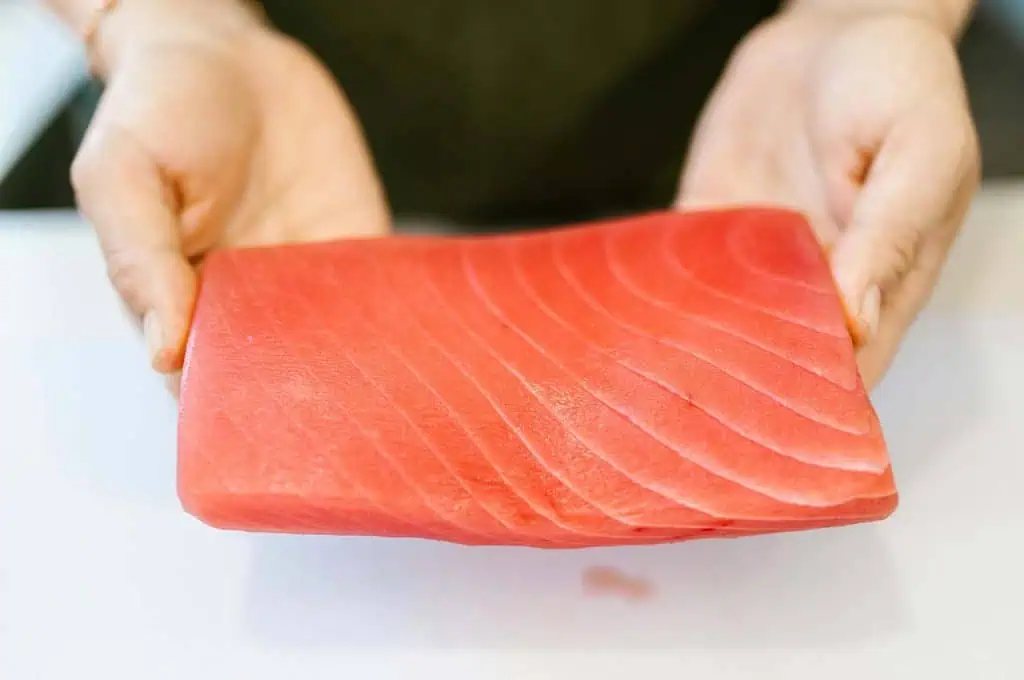
Concerned with overfishing and farmed practices, chefs pivot towards wild-caught or sustainably farmed seafood options. Alaskan wild salmon, for instance, offers richer flavor and color due to its diet and natural habitat.
Restaurants now seek transparency in sourcing, opting for fish that supports ethical and sustainable practices. This choice reflects a responsibility to both the environment and diners, ensuring that seafood not only delights but also maintains ecological balance.
Pre-Made Sauces: Return to House-Made Cooking

The reliance on pre-made sauces is waning as chefs seek to express individual creativity and control over flavor profiles. Crafting sauces from scratch allows for tailored nuances and superior freshness. Techniques like reducing stocks or blending emulsions in-house create layers of flavor that pre-made options cannot match.
This approach emphasizes the importance of foundational culinary skills, restoring the essence and tradition of personalized culinary craftsmanship that honors both the ingredient and the diner.
