
5 Restaurant Mistakes Most People Regret Making, Especially on Busy Nights
Busy nights change everything inside a restaurant. Kitchens accelerate, servers manage far more tables, and timing becomes the backbone of whether a meal feels smooth or stressful. When the room is packed, even small decisions ripple outward, affecting pacing, food quality, and attention. Most dining regrets don’t come from bad dishes or poor service, they come from choices that quietly disrupt systems guests never see. According to servers and chefs, these five common mistakes tend to reveal themselves only after the night is underway, when flexibility disappears and every minute suddenly matters far more than expected.
Showing Up Without a Reservation and Expecting Flexibility

Busy nights leave very little room for improvisation. When a restaurant is full, tables are timed carefully around staffing, kitchen capacity, and how long each party is expected to stay. Walking in without a reservation and hoping for flexibility often leads to long waits, awkward pacing, or being seated later than planned. What feels like a simple request to diners can disrupt an already tight system. Many guests realize too late that peak hours eliminate most wiggle room. The regret usually comes once they see how rigid the schedule becomes when every table is accounted for.
Ordering Complicated Modifications During the Rush

Custom orders aren’t a problem on their own, but busy nights amplify every adjustment. Multiple substitutions, ingredient removals, or last-minute changes slow the kitchen and increase the chance of errors. During a rush, cooks are executing dozens of plates in sequence, and deviations break that rhythm. Diners often regret complex modifications when food arrives late, incomplete, or not quite right. What seemed like a personal preference ends up affecting timing and consistency. On packed nights, simpler orders tend to move faster, arrive hotter, and match expectations more reliably than heavily altered dishes.
Waiting Too Long to Decide What to Order

On a packed night, extra decision time does more than delay one table it disrupts the kitchen’s firing rhythm. Orders are designed to move in waves, so when a table lags, dishes may arrive unevenly or much later than expected. Food that should land together can end up staggered, cooling while other plates are still cooking. Many diners regret not scanning the menu earlier when they notice nearby tables already eating while they’re still debating options. On busy nights, quicker decisions don’t feel rushed they help the meal unfold the way it’s meant to.
Asking for Split Checks at the Very End

Split checks aren’t the issue; late split checks are. On busy nights, servers are mentally tracking multiple tables, orders, and payments at once. Asking to split the bill after it’s already dropped forces them to reconstruct the entire order under pressure. That can slow payment, create mistakes, or lead to awkward pauses at the table. Diners often regret waiting until the last minute when a smooth ending suddenly turns stressful. Mentioning split checks early allows servers to organize from the start, keeping checkout quick and calm even when the room is packed.
Lingering Long After Finishing the Meal
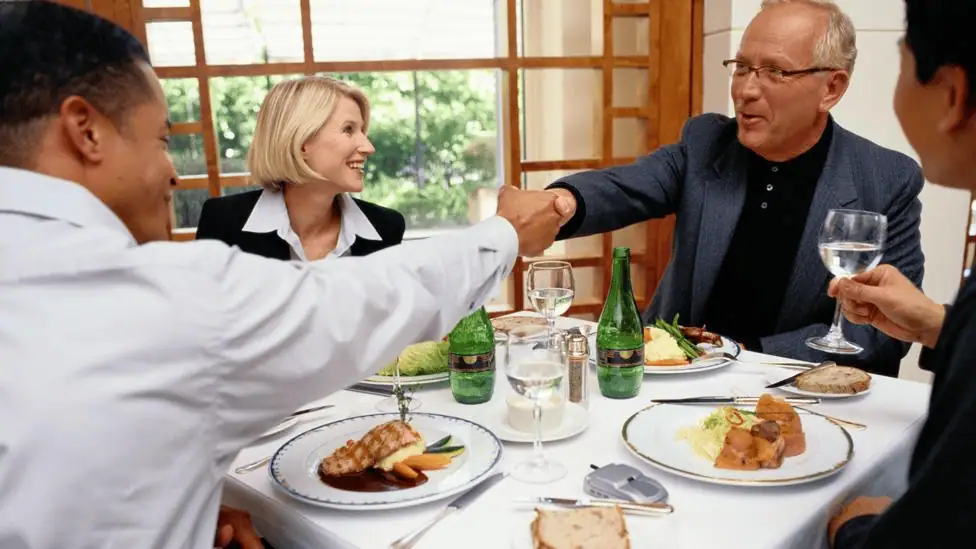
During peak hours, restaurants rely on steady table turnover to keep everything running smoothly. Lingering long after plates are cleared can quietly stall the system, delaying waiting guests and increasing pressure on staff. Diners sometimes regret staying too long when service shifts faster, check-ins, subtle cues, or a rushed feeling replace the relaxed vibe. What feels like enjoying the moment can turn uncomfortable once the timing feels off. On busy nights, wrapping up shortly after finishing often leads to a better overall experience than stretching the visit past its natural endpoint.
