
15 Ways Restaurants Elevate Food That You’d Never Think Of
Dining out often feels special, not just because of the food but because of the little touches chefs use to elevate familiar dishes. What looks simple on the plate is often the result of hidden techniques that bring out more flavor, texture, or visual appeal. From tiny garnishes to advanced cooking methods, restaurants turn everyday ingredients into memorable experiences. These subtle yet powerful details transform meals in ways most diners never notice but always appreciate.
Finishing with Flavored Oils

A drizzle of infused oil, whether herb, chili, or truffle, adds aroma and depth that lingers with each bite. Restaurants often use house-made oils as a final touch to brighten a dish or tie flavors together. It’s a small addition that elevates presentation and taste while requiring little extra on the plate. Diners may not spot it instantly, but they feel the sophistication in every mouthful.
Hidden Layers of Texture
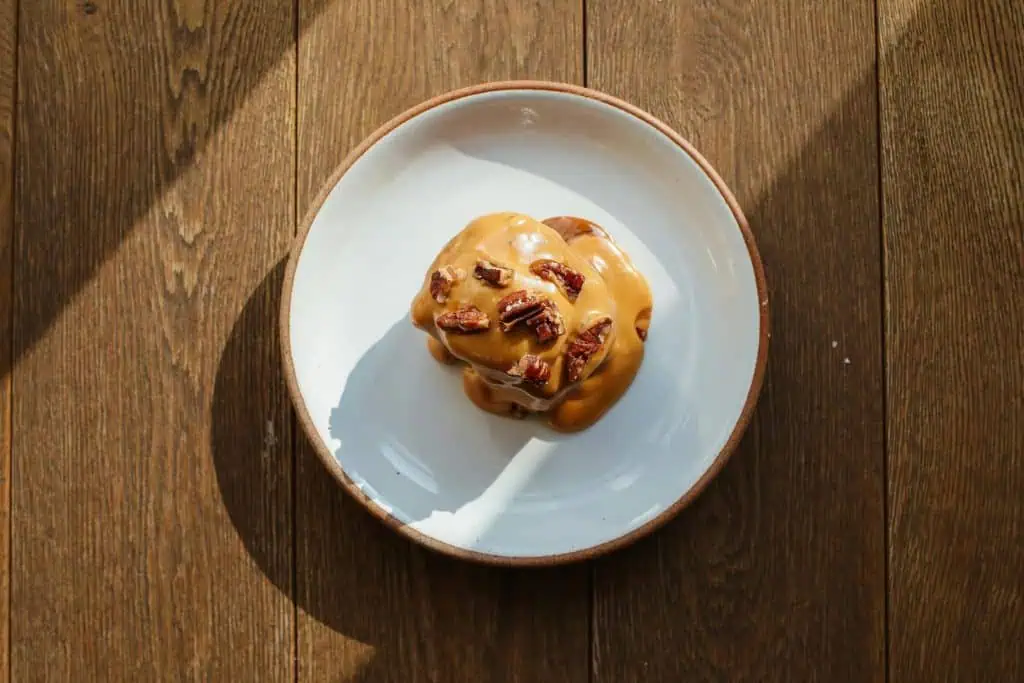
Chefs often build dishes with layers of crunch, creaminess, and softness in mind. A sprinkling of toasted nuts, a crispy breadcrumb topping, or a silky puree beneath the main item makes the dish feel dynamic. These textural contrasts create surprise and balance, ensuring that every forkful feels more interesting than it would at home.
Using Acid for Brightness

A squeeze of lemon, a splash of vinegar, or a drizzle of gastrique often makes the difference between a flat dish and one that pops. Chefs know that acid sharpens flavors, balances richness, and leaves the palate refreshed. It’s subtle but powerful, transforming comfort food into something refined without the diner even realizing why it tastes better.
Resting and Basting Meats
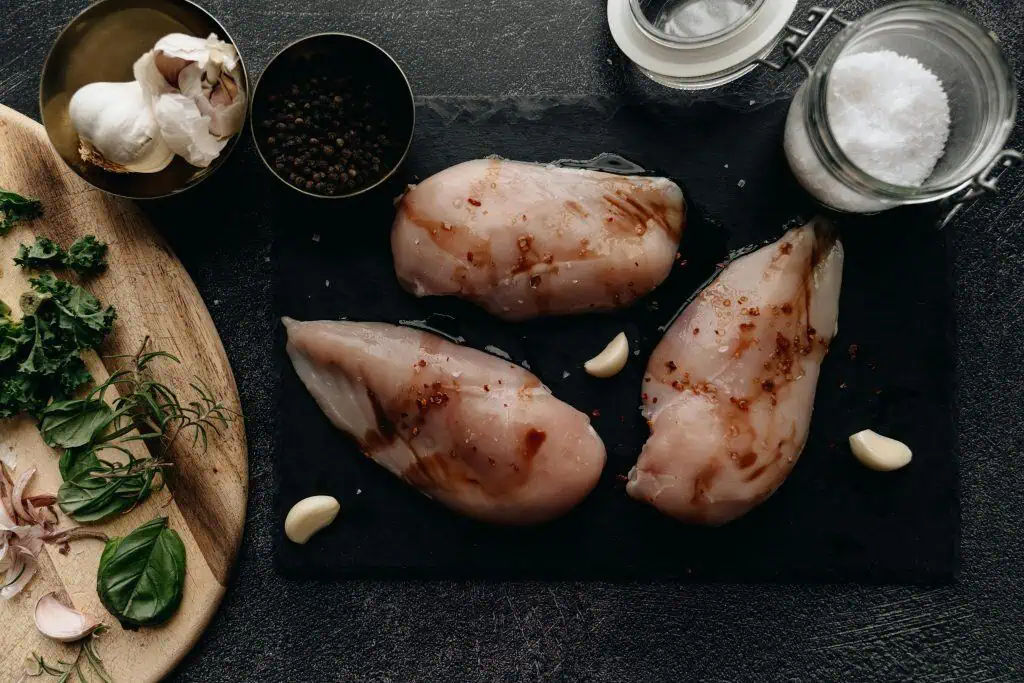
At home, people may rush from pan to plate, but restaurants take time to rest meats so juices redistribute. During cooking, chefs baste with butter, herbs, or garlic to enhance flavor and moisture. The result is meat that is juicier, more aromatic, and evenly cooked, with simple steps that diners rarely notice yet always enjoy in the finished product.
Elevating Salt Use
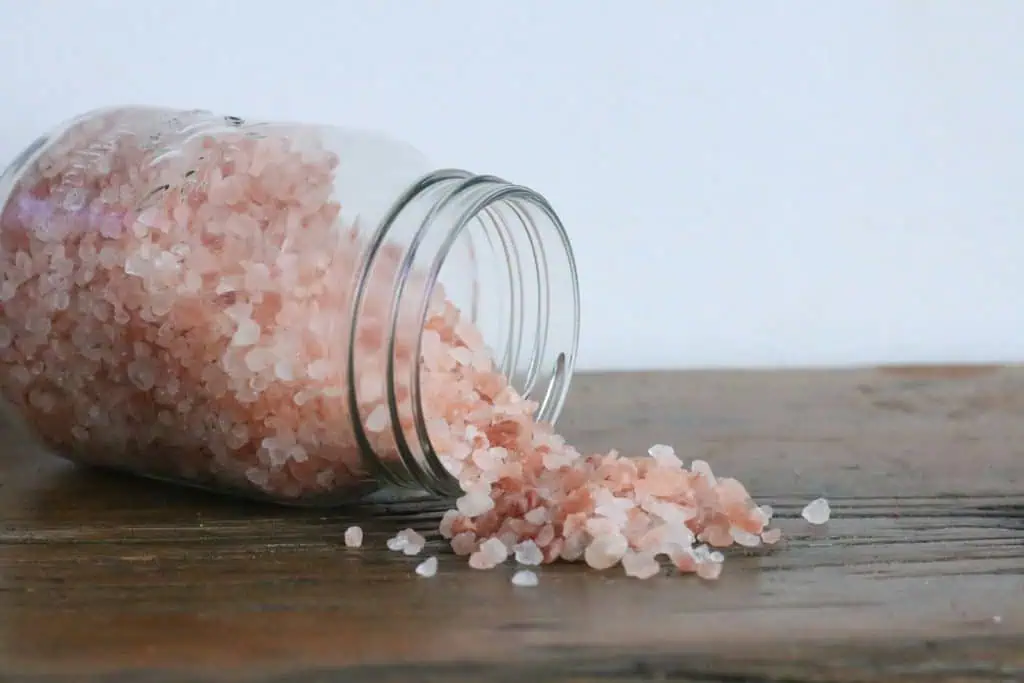
Restaurants don’t just season with table salt. They use finishing salts like Maldon flakes or Himalayan crystals to add texture and bursts of flavor. A pinch of flaky salt on a steak or chocolate dessert enhances both taste and perception of quality. These finishing touches prove how something as ordinary as salt can make a dish feel elevated.
Garnishing with Fresh Herbs
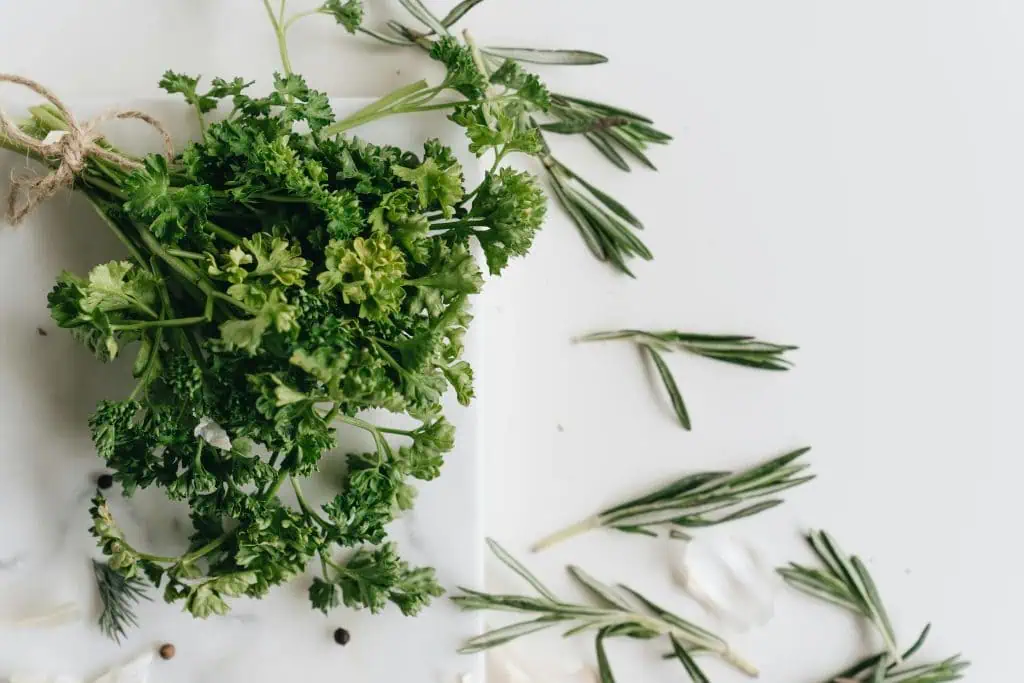
Chefs rely on herbs not only for taste but for visual impact. A sprig of dill on fish or basil chiffonade on pasta provides freshness and vibrancy. The aroma released by freshly cut herbs also enhances the sensory experience. While many home cooks skip this step, restaurants use it to make dishes more colorful, fragrant, and memorable.
Perfecting Plate Temperature

The temperature of the plate influences how food tastes. Restaurants often warm plates for hot dishes and chill them for desserts or salads. This ensures the food stays at its ideal temperature longer, enhancing enjoyment. It is a detail diners rarely notice consciously, yet it makes the experience feel polished and professional.
Controlled Portion Shapes
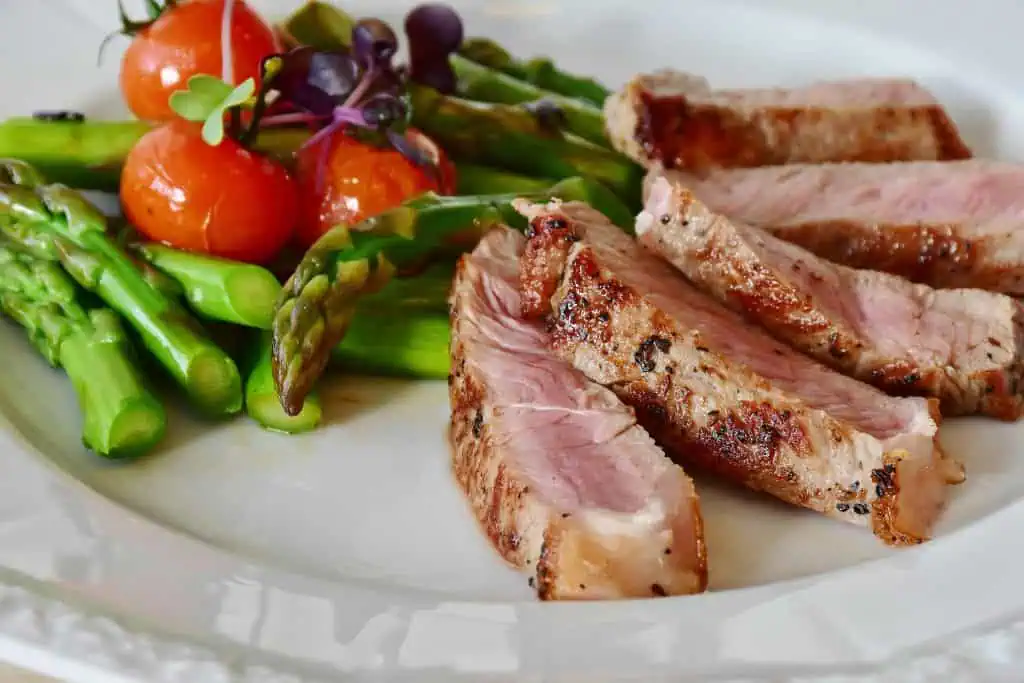
Restaurants carefully cut and arrange portions to highlight symmetry and appeal. A steak sliced against the grain, vegetables diced uniformly, or a dessert served in neat layers adds refinement. These techniques go unnoticed but subtly influence perception, making the meal feel crafted rather than simply cooked.
Foams and Emulsions

Foams made from vegetables, fruits, or broths add lightness and aroma to a dish. They may look decorative, but they provide concentrated flavor in a delicate form. Similarly, emulsions stabilize sauces into smooth, glossy textures. These techniques elevate the sophistication of the plate, turning simple ingredients into culinary artistry.
Caramelization for Depth
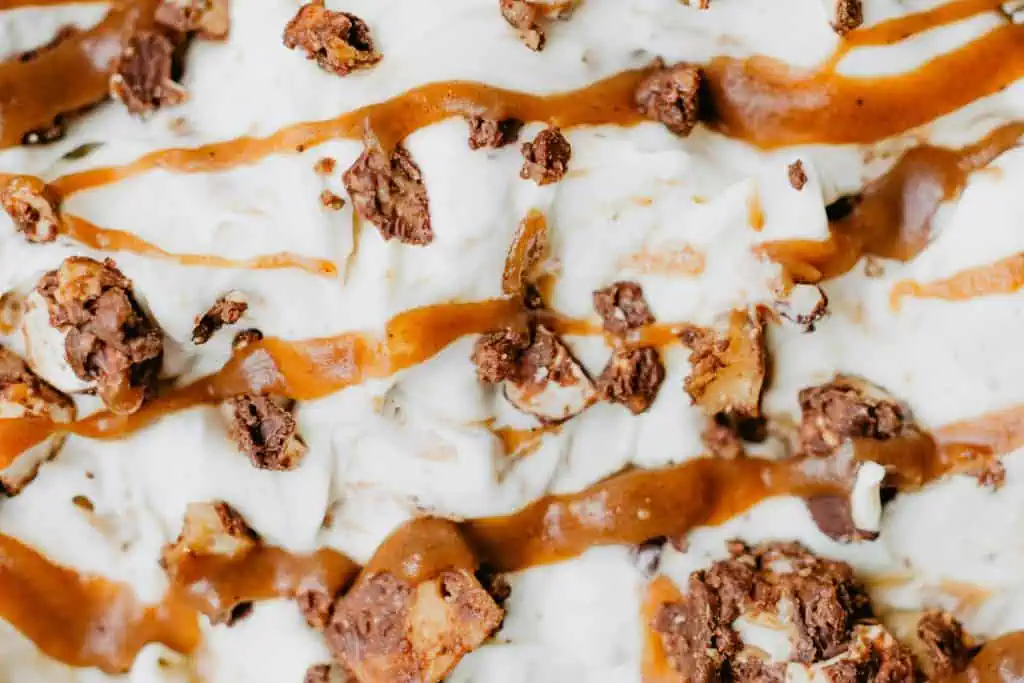
Chefs intentionally brown vegetables, meats, and even desserts to bring out natural sweetness and complexity. This controlled caramelization transforms flavor while adding color and aroma. Diners may not identify the technique, but they recognize the richer taste and deeper satisfaction it provides.
Creative Use of Pickling
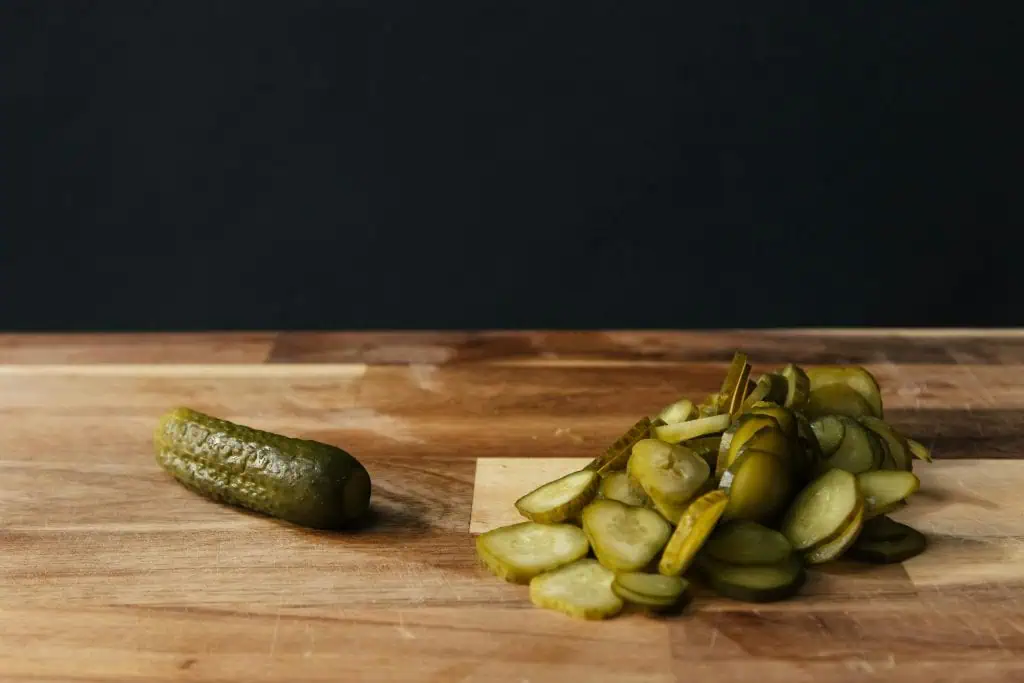
Pickled vegetables or fruits appear as tangy garnishes on many modern plates. They provide a sharp contrast to rich or fatty foods, cutting through heaviness and refreshing the palate. Restaurants often pickle in-house, creating unique flavor pairings that elevate even familiar dishes. This small addition changes the entire balance of a meal.
Custom Spice Blends
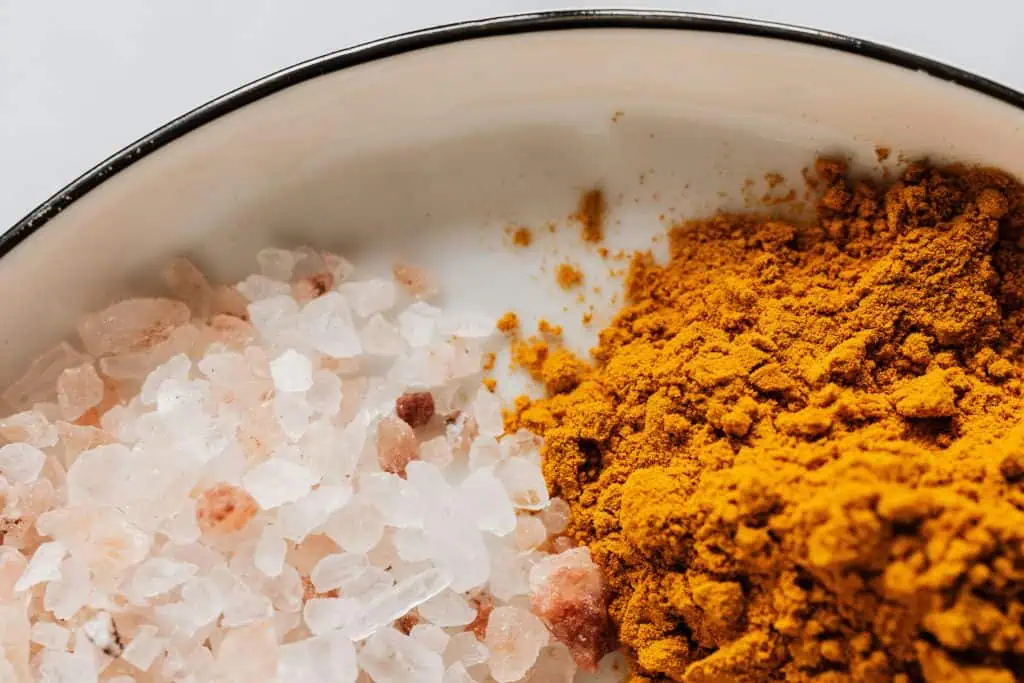
Instead of relying on pre-made mixes, restaurants often toast and grind their own spices. This enhances flavor intensity and freshness, making dishes stand out. Unique blends become signatures of the kitchen, giving familiar foods a distinct edge. It’s a behind-the-scenes effort that adds character diners may never realize comes from such careful preparation.
Mastery of Heat Zones

Professional kitchens use heat zones on grills or pans to control cooking with precision. By shifting items between high and low heat, chefs achieve searing, tenderness, and balance all at once. Home cooks rarely manage this level of control, which is why restaurant meats and vegetables often feel more evenly cooked and flavorful.
Adding Umami Boosters

Chefs incorporate ingredients like miso, soy sauce, mushrooms, or anchovies into sauces and marinades to add umami depth. These boosters amplify savory notes without being obvious. Diners may not identify the ingredient, but they notice the enhanced richness and complexity it brings to the dish.
Dessert Finishes with Contrast

Restaurants often add surprising contrasts to desserts, like a sprinkle of sea salt on caramel, a tart coulis with chocolate, or a bitter cocoa dust on sweetness. These details balance flavors and prevent desserts from feeling one-note. Small as they seem, these finishing touches are what make restaurant sweets stand out from home baking.
