
15 Formerly Popular Candies You Can’t Buy Anymore
Exploring the world of candy reveals a journey through sweet nostalgia. Many once-popular candies have disappeared, leaving behind fond memories but elusive flavors. This guide delves into some beloved treats no longer available, providing insights into their unique qualities and why they faded away. Each segment offers a glimpse into what made these candies special, ideal for those who remember savoring them or wish to learn more about the confections of the past.
The Curious Case of PB Max
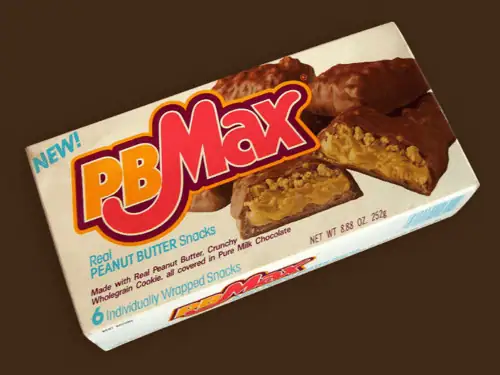
PB Max was a standout for peanut butter aficionados. This candy bar combined creamy peanut butter with crunchy whole grain cookie bits, wrapped in rich milk chocolate. The texture was a masterful balance of smoothness and crunch, a treat made even more indulgent by its generous size. Despite its promising start, Mars discontinued PB Max, citing focus on core brands. Its abrupt exit underscores the fine line between innovation and market endurance, reminding us of the importance of brand strategy over pure product excellence.
Why Bar None is Gone

Introduced by Hershey’s, Bar None was a unique combination of chocolate wafers, peanuts, and a milk chocolate coating, later reimagined with caramel for an even richer taste. The textural layers offered a satisfying bite, transitioning from crunch to smooth chocolate. Despite initial popularity, it was phased out due to declining sales and market shifts. Bar None’s legacy lies in its attempt to satisfy diverse cravings in a single bar, highlighting the challenge of maintaining consumer interest over time.
Remember Butterfinger BB’s?

Butterfinger BB’s were pebble-sized versions of the classic Butterfinger, offering the same crispy, peanut-buttery center with a milk chocolate coating. Their small size provided a delightful snacking experience, perfect for sharing or portion control. Despite their popularity, production halted due to concerns over shelf stability and melting issues. The discontinuation left fans longing for the convenience and indulgence they represented, illustrating how practical challenges can overshadow even the most cherished flavors.
Unwrapping the Summit Bar

The Summit Bar offered a nutty alternative to classic chocolate bars with its layers of peanuts, nougat, and chocolate coating. Its intricate construction promised a satisfying texture contrast from soft nougat to crunchy peanuts. Unfortunately, stiff competition and changing tastes led to its quiet exit from shelves. The Summit Bar's blend of flavors and textures provided valuable lessons in crafting multi-layered confections, emphasizing that even great compositions must adapt to evolving consumer preferences to endure.
The Legend of Reggie! Bar

The Reggie! Bar made its debut in 1978, celebrating baseball legend Reggie Jackson. This treat featured a satisfying blend of peanuts, caramel, and rich milk chocolate. The combination of creamy and crunchy textures appealed to many, but what set it apart was its circular shape, reminiscent of a baseball. Understanding the balance of these textures and flavors was crucial, as each bite offered a harmonious blend of nuttiness and sweetness. While no longer available, its legacy lives on among candy enthusiasts seeking similar peanut-chocolate concoctions.
Marathon Bar
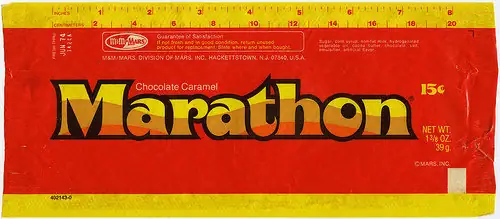
The Marathon Bar, introduced by Mars in the 1970s, was known for its unique, elongated braid-like appearance. Wrapped in bright packaging with a ruler printed to emphasize its length, this chocolate bar combined caramel and chocolate in a way that highlighted chewy satisfaction and deep cocoa flavor. Achieving the right caramel consistency was key, soft enough to stretch but firm enough to maintain structure. Its distinct presentation made it memorable, teaching us the importance of texture and visual appeal in candy-making, a standard still sought by modern confectioners.
Bonkers: A Fruit Candy Fad

Bonkers were a favorite in the 1980s, with bold fruit flavors enveloping a soft, chewy center. Their vibrant colors and intense sweetness created a fun, playful experience. Crafting these meant focusing on creating a chewy candy that maintained vibrant flavors without overwhelming sweetness. Balancing natural fruit essences with sugar was crucial to avoid a cloying taste. Understanding this balance and how texture can enhance fruity flavors became an essential lesson for modern candy creators, demonstrating how simple tweaks elevate flavor profiles.
Choco’Lite: The Airy Treat

Choco’Lite, introduced in the 1970s, was a novel concept with its airy, bubbly chocolate texture. The key was incorporating just the right amount of air during production, creating a light yet satisfying crunch without compromising depth of flavor. Its melt-in-the-mouth quality highlighted the importance of texture manipulation in confectionery. Learning to create such a texture involves mastering temperature control and timing, key elements in crafting chocolate with an unexpectedly delightful consistency. This bar remains a case study in innovating traditional chocolate experiences.
The Multilayered Seven Up Bar

The Seven Up Bar was unique for its segmentation into seven distinct flavors, each encased in milk chocolate. This bar, which thrived in the mid-20th century, showcased diverse fillings like nougat, caramel, and jelly. Crafting such a bar involved mastering varied textures and flavors, ensuring each piece was distinct yet harmonious within the bar. The challenge lay in achieving each filling's perfect consistency and maintaining clean separations. This confection highlighted the artistry required to provide variety and surprise within a single candy bar.
Vanished Delight: Milkshake Bar

The Milkshake Bar once charmed candy enthusiasts with its creamy texture and rich milk chocolate coating. This bar offered layers reminiscent of a frothy milkshake but in solid form. Achieving that creamy consistency was no small feat. Manufacturers used refined emulsifiers and high-quality cocoa butter, resulting in a velvety smoothness that paired perfectly with its nostalgic flavor profile. Despite its initial popularity, changing consumer tastes and the rise of more novel confections led to its decline. Though few modern candies capture its unique essence, the Milkshake Bar remains a cherished memory for those lucky enough to have tasted it.
What Happened to Clark Bar?

The Clark Bar was celebrated for its crunchy peanut butter core wrapped in creamy milk chocolate. Its signature texture required precise cooking of the peanut butter to achieve that perfect balance between crispy and chewy. A careful toasting of peanuts brought out rich, nutty flavors, while quality chocolate provided a smooth finish. Despite its distinct appeal, competition and distribution challenges resulted in its unfortunate disappearance from store shelves. While the Clark Bar left a gap in the market, its legacy endures, inspiring homemade attempts and nostalgic retellings among candy aficionados.
Razzles: From Classic to Modern

Razzles began as a candy with chewy, gum-like properties that intrigued consumers. Transitioning from candy to gum in the mouth, it offered a playful eating experience. The production involved a delicate balance of sugar, gum base, and flavor oils to maintain its signature texture and iconic fruity flavors. Initially launched in classic fruit flavors, Razzles eventually adapted to include modern variations, though not all met with success. Over time, limited availability led to a decline in presence, yet Razzles remain an innovative example of candy evolution, proving intriguing to dedicated fans and new generations alike.
Root Beer Barrels Roll Away

Root Beer Barrels were hard candies that captured the essence of creamy, spiced root beer in solid form. Achieving the authentic root beer flavor required a precise blend of sassafras extract, vanilla, and spices, all carefully incorporated into the candy mixture. The result was a long-lasting candy with an unmistakable taste that mirrored the classic soda. Despite their once lively popularity, changing consumer preferences and competition from other candies led to their diminished presence. Today, Root Beer Barrels are a fond memory for those who experienced their distinctive flavor profile and satisfying crunch.
Valomilk’s Sticky Demise

Valomilk offered an indulgent experience with its marshmallow cream center encased in a milk chocolate cup. The secret lay in the gooey consistency of the center, achieved using a precisely balanced formula of sugar and gelatin, creating a flowy texture. Timing and temperature control were crucial in maintaining this iconic feature. Despite its unique appeal, Valomilk faced supply chain challenges and competition from newer confections, leading to its eventual retreat from the spotlight. Nostalgic enthusiasts continue to seek out this treat, reminiscent of a time when confections prioritized texture and quality.
Hershey’s Swoops: A Short-Lived Curve

Hershey’s Swoops, though discontinued, offered a unique take on chocolate indulgence. Their curved, thin slices mimicked the shape of a Pringle, providing a novel texture that crisply snapped between your teeth. Each piece served as a perfect vehicle for a rich, smooth chocolate experience without overwhelming the palate. Unlike traditional chocolate bars, the design allowed for controlled portioning, making them a curious yet controlled splurge. These delicate chocolates were once available in a variety of flavors, each adding a nuanced twist to the expected Hershey’s sweetness. The combination of innovative form and classic flavor profiles made Swoops memorable, even if their time on the shelves was brief.
