15 Beloved American Foods With Controversial Roots

America’s most iconic foods often tell more complicated stories than we realize. Beneath the surface of every juicy burger, comforting casserole, or sweet slice of pie, there’s often a history shaped by debates, disputes, and unexpected twists. From questions of cultural ownership to murky origin tales and unexpected global influences, some of our favorite dishes come with a side of controversy. This collection explores fifteen beloved American foods whose backstories are as fascinating—and sometimes as heated—as their flavors. Get ready to dig in and discover the surprising journeys behind the classics we all know and love.
The Sweet Secret of Chocolate Chip Cookies
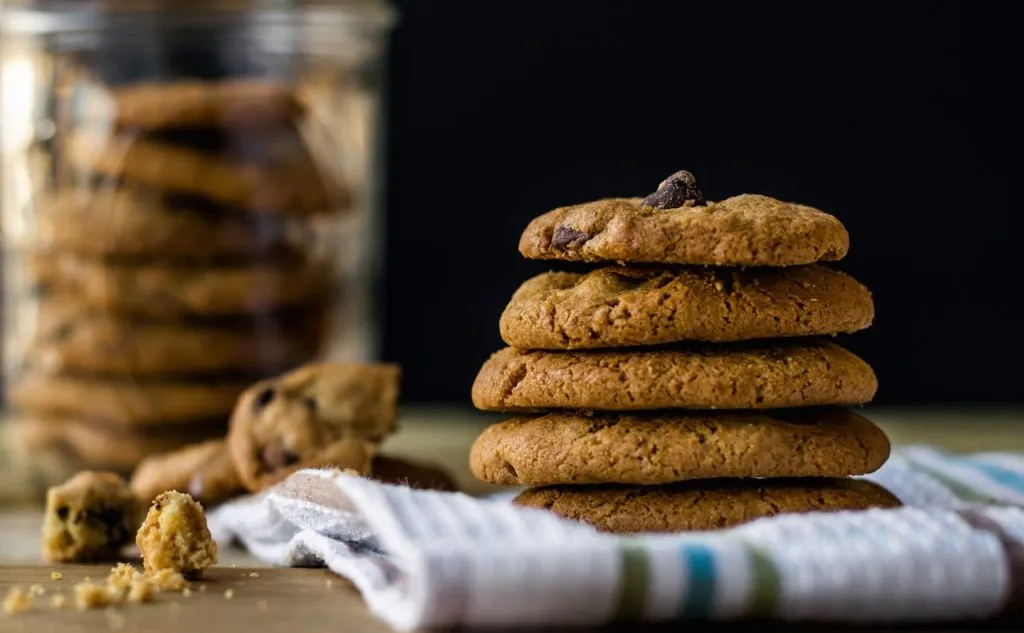
Chocolate chip cookies are America’s quintessential treat, but their origins spark debate. Ruth Wakefield created them in the 1930s, intending to make her Toll House Brand cookies more appealing. The inclusion of chocolate morsels transformed baking; however, some claim it was a spin on older recipes. Pay attention to ingredient quality—use high-quality semi-sweet chocolate for depth. A vital technique is chilling the dough before baking, which enhances texture and flavor. This results in a chewy center with a slightly crisp exterior, making each bite delightful and unforgettable.
Popsicles: A Cool Controversy
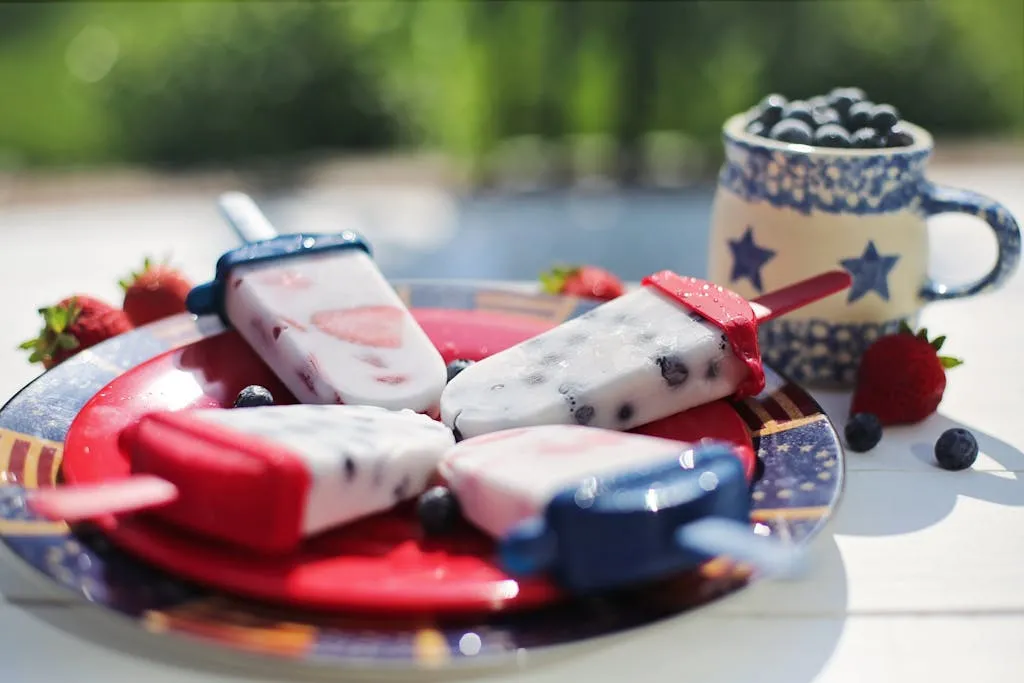
Popsicles, often associated with summer, have a surprisingly contentious history. While their widespread popularity grew in the 20th century, their invention is attributed to Frank Epperson in 1905, who left a sugary mixture outside to freeze overnight. This unexpected treat has evolved, leading to debates about sugar content and artificial ingredients in commercial varieties versus homemade options. For a superior popsicle, use fresh fruit purees and natural sweeteners. Investing in sturdy molds ensures even freezing, granting you a satisfying texture and rich flavor, free from the guilt of processed options.
The Crunchy History of Potato Chips
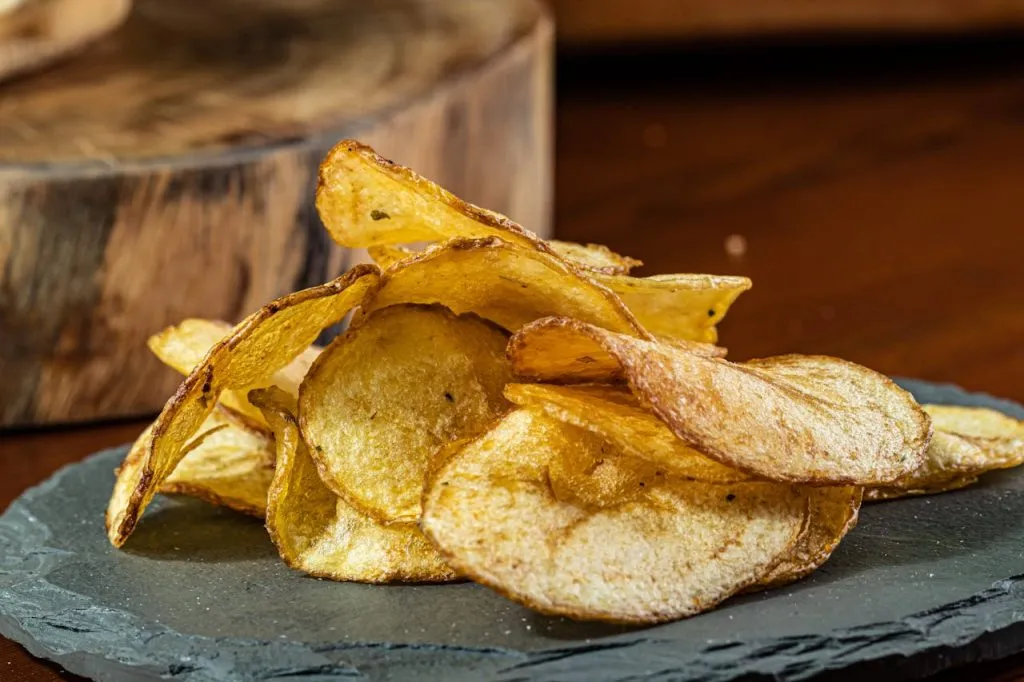
Potato chips are a staple snack, but their beginnings are clouded in controversy. The story goes that in 1853, George Crum crafted them in response to a complainant at his restaurant. Their rapid rise sparked debates over factory production and authenticity. The key to great homemade chips lies in technique—slice the potatoes uniformly and soak them in cold water to remove excess starch, ensuring crispness. Frying in a well-heated oil creates a golden, crunchy exterior. Experiment with seasonings, from sea salt to exotic spices, to elevate the flavor profile of this beloved snack.
Sandwiches: Between Tradition and Innovation

Sandwiches are a dining mainstay, yet their origins, particularly the naming after the Earl of Sandwich, prompt mixed opinions. While some claim it epitomizes convenience, others argue it undermines traditional culinary practices. The success of any sandwich hinges on balance. Use quality bread for structure, and layer fresh ingredients thoughtfully, ensuring flavor harmony. Incorporating contrasting textures—like creamy spreads with crisp vegetables—enhances enjoyment. Don't overlook unique condiments or artisanal meats, which can turn a simple sandwich into a culinary statement while respecting its rich history.
Corn Flakes: More Than Just Breakfast

Corn flakes are a breakfast legend, but their invention by John Harvey Kellogg has sparked discussion around health and nutrition. Originally designed as a health food for patients, their journey to commercial success brought up issues of added sugars and marketing tactics. To appreciate corn flakes fully, explore their versatility; use them in baking to add crunch, or create savory dishes like a crispy topping for casseroles. Opt for a higher-quality variety without excessive additives. Understanding their historical context elevates your appreciation for this breakfast staple, transforming an easy meal into a thoughtful experience.
Coca-Cola: A Fizzy Debate

Coca-Cola is more than just a popular soft drink; it carries a rich history that reflects cultural shifts and health controversies. Created in the late 19th century by John Stith Pemberton, the original formula contained coca leaf extract and kola nuts, linking it to medicinal practices of the time. As debates on its health implications grew, particularly regarding sugar content and caffeine, so did the iconic brand's marketing strategies. Contemporary variations, including Diet and Zero Sugar options, continue fueling discussions about health and indulgence. Understanding this background enhances appreciation for its complex flavor profile, varying from caramel notes to a subtle spice.
Cheese Nachos: A Saucy Story
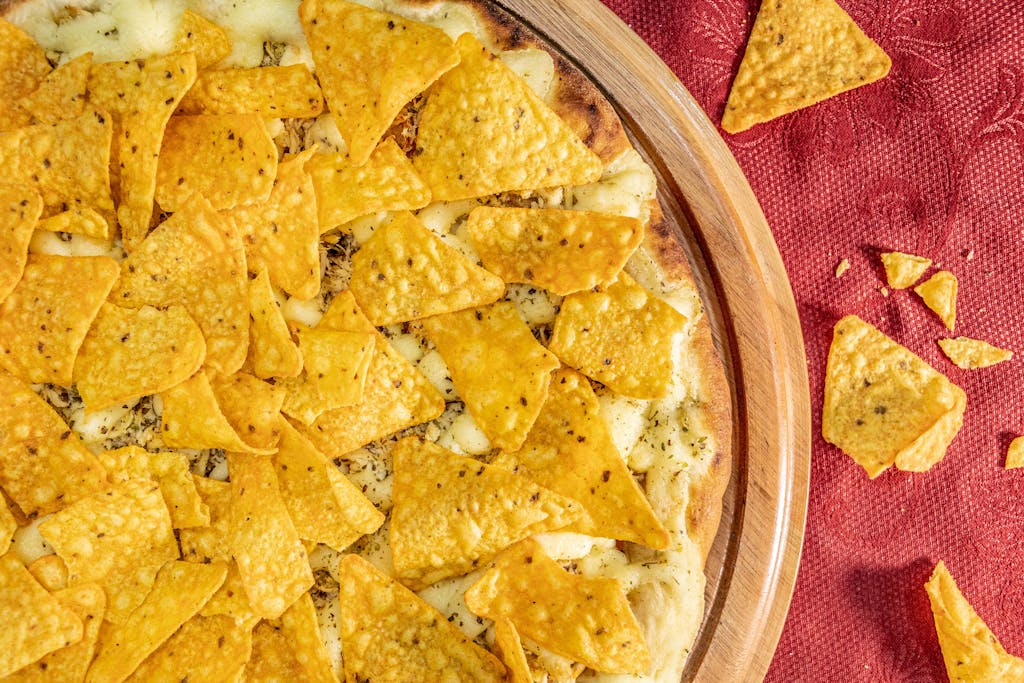
Cheese nachos offer a delightful blend of textures and flavors, but their origins have sparked debate. Invented in the 1940s in Mexico, they started as a simple dish with melted cheese over tortilla chips, but variations have since proliferated. The key to perfect nachos lies in the cheese: a good melting cheese like Monterey Jack or a processed cheese sauce creates the desirable gooeyness. Layer chips properly to ensure each gets ample cheese, and consider toppings like jalapeños for a punch of heat or cilantro for freshness. Assembling your nachos thoughtfully can elevate this comfort food into a culinary delight.
Ice Cream Cones: A Twisted Invention

Ice cream cones represent a sweet innovation that transformed a simple treat into an iconic experience. Though the precise origins are debated, they gained notoriety during the 1904 World's Fair in St. Louis. The cone’s structure allows for easy handling while enjoying the smooth creaminess of the ice cream. When preparing at home, consider using homemade waffle cones for a fresh approach; the addition of a pinch of salt enhances flavor depth. Attention to temperature is crucial: serve the ice cream just below freezing to maintain its creamy texture, ensuring an enjoyable contrast with the crisp cone.
Tofu: The Mysterious Bean Curds

Tofu is a versatile ingredient with deep roots in Asian cuisine. Its origins trace back over 2,000 years, linked to ancient Chinese food preservation techniques. Made from coagulated soy milk, tofu's texture ranges from silken to extra firm, which influences its culinary applications. To enhance its flavor, pressing tofu to remove excess moisture allows it to absorb marinades more effectively. Grilling or sautéing gives it a delightful crust, while incorporating sauces like soy or miso can spotlight its neutral nature. Understanding tofu’s properties lets home cooks harness its potential in a multitude of savory or sweet dishes.
Peanut Butter: Smooth Origins, Sticky Legacy
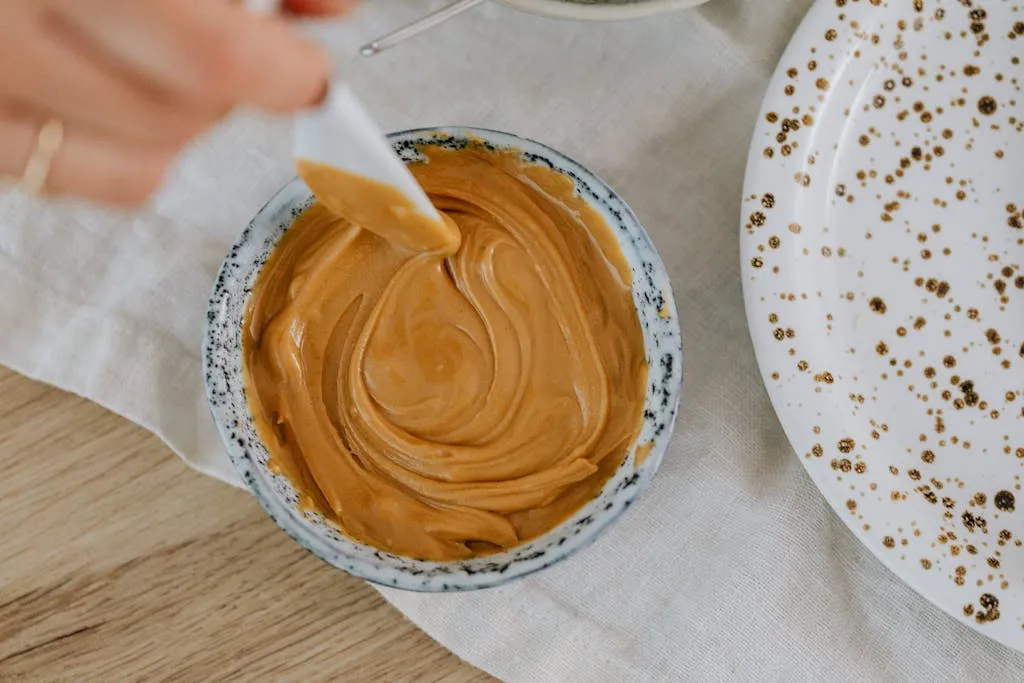
Peanut butter’s creation stems from necessity—designed as a soft protein option for those unable to chew meat. While often credited to Dr. John Harvey Kellogg, others claim variations existed earlier, sparking debate. Its evolution into a household favorite reflects American innovation and convenience. For a homemade touch, roast unsalted peanuts and blend with minimal oil and a pinch of salt. Opt for natural versions without added sugars or hydrogenated oils to enjoy a creamy, wholesome spread that’s as nutritious as it is nostalgic.
Worcestershire Sauce: Fermented Fortune

Worcestershire sauce was born out of failure when two chemists, Lea and Perrins, abandoned an unsuccessful batch only to discover it had fermented into a savory umami-rich condiment. While it’s beloved in sauces and marinades, some critics debate its use of anchovies, raising dietary concerns. For culinary excellence, use Worcestershire to enhance meats or stews. A splash in a Bloody Mary adds complexity. Its intense, layered flavor comes from aging—replicating this at home takes time, but the result is a bold, tangy essence that transforms simple dishes.
Beer: Ancient Brew, Modern Debate

Beer is one of the oldest fermented beverages, likely discovered when grains were left to soak and naturally fermented. While universally loved, beer’s role in health and society remains controversial, especially concerning moderation and advertising. Craft brewing emphasizes natural ingredients like barley, hops, and yeast. For homemade enthusiasts, sanitization and temperature control are key. Flavor varies by style—lagers offer crispness, ales bring complexity. Whether enjoyed in social settings or with meals, beer’s history and brewing technique contribute to its enduring appeal.
Raisins: Sun-Dried Simplicity
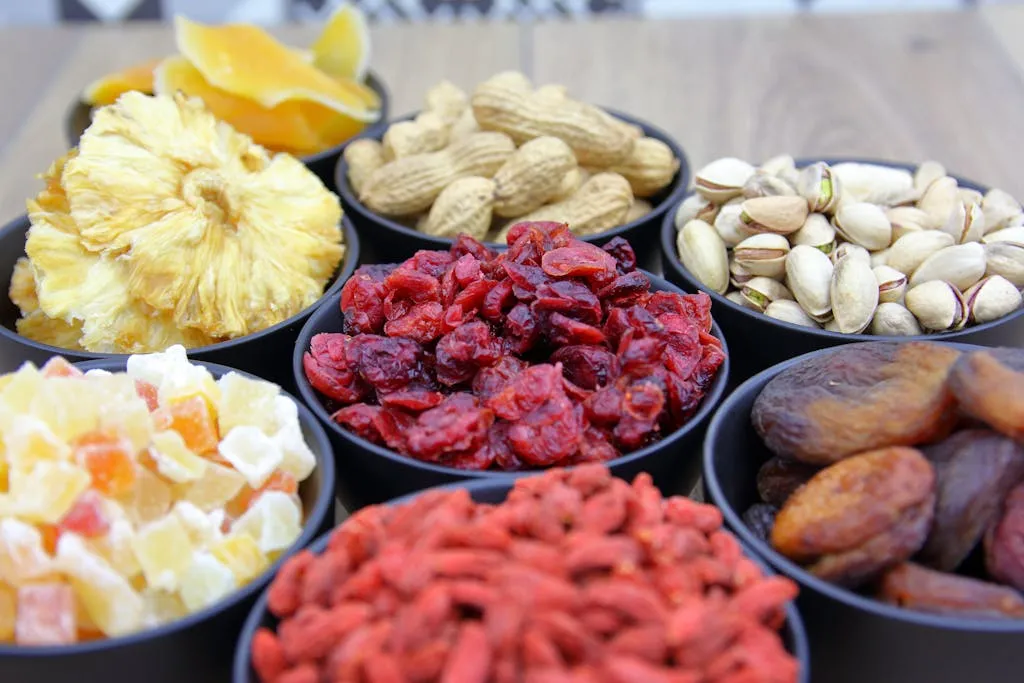
Raisins, made from sun-dried grapes, were likely discovered by accident when grapes were left to wither naturally. Their simple production belies ongoing debates over added sugars and preservatives in mass-market varieties. To enjoy raisins in their purest form, look for unsulfured, sun-dried types. They add chewiness and sweetness to oatmeal, salads, or baked goods. Soaking raisins briefly before use rehydrates them, enhancing texture and flavor. Despite their simplicity, raisins offer concentrated nutrition and a deep connection to traditional food preservation.
Champagne: Bubbles by Mistake

Champagne's effervescence was once seen as a winemaking flaw before it became a hallmark of luxury and celebration. Dom Pérignon and French winemakers helped refine the sparkling process, but its exclusivity and branding have stirred debates. For sparkling success at home, choose traditional-method sparkling wines with natural carbonation. Chill thoroughly before serving to maintain fizz and pour gently to preserve bubbles. Whether used in toasts or paired with salty appetizers, champagne’s accidental creation now represents festivity with flair.
Slurpees: Frozen Innovation

Slurpees emerged from a malfunctioning soda fountain, giving rise to the frozen drink craze. While kids love them, critics highlight artificial dyes and sugar overload. For a healthier twist, freeze fruit juice blends and pulse in a blender to mimic the texture. Use natural sweeteners and serve in chilled cups for an authentic experience. Slurpees’ instant popularity reflects American ingenuity but also invites conversations on balancing indulgence with health, especially for younger fans who make it a summertime staple.