
The Hidden Life of the Pantry: How What We Store Shapes Who We Are
The pantry is more than just a storage space; it’s a snapshot of our lifestyle and priorities. It reveals what we value, what comforts us, and how we prepare for uncertainties. The way we stock our shelves influences daily meals and reflects cultural habits. Whether rich with exotic spices or filled with simple staples, each pantry tells a unique story of culinary preference and preparedness. Exploring this often-overlooked space unveils the intricate connection between our food storage choices and our identity.
Root Cellars to Walk-In Pantries

From the earthy coolness of root cellars to expansive walk-in pantries, storage solutions have evolved to meet modern needs. While root cellars harnessed natural insulation for preserving perishables, today’s pantries offer tailored shelving and climate control. This evolution reflects changes in food availability and consumption patterns. Walk-in pantries, with their organized orderliness, cater to diverse modern diets, supporting everything from homestead self-sufficiency to quick city living. The shift marks a journey from necessity to convenience, influencing how we approach meal planning.
The Comfort of Full Shelves
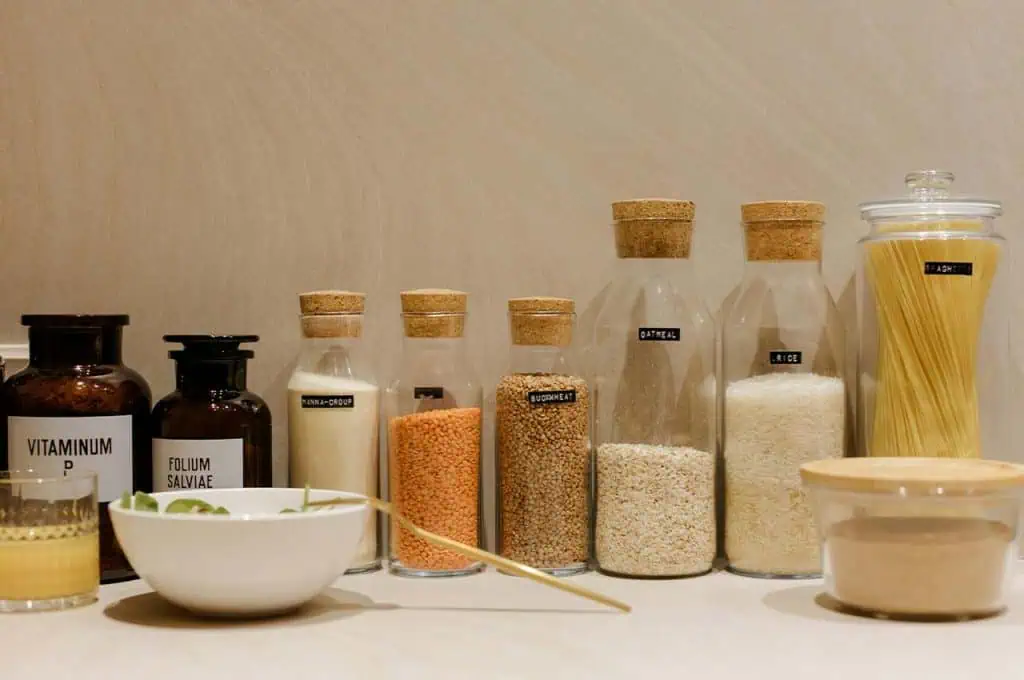
There is a profound satisfaction in a well-stocked pantry. Shelves filled with grains, pulses, and canned goods offer a reassuring sense of security. This abundance invites creativity, enabling spontaneous meal preparations and reducing reliance on frequent trips to the store. The full pantry is a testament to preparedness, providing comfort through options, whether for everyday dinners or unexpected gatherings. Beyond convenience, it fosters a sense of peace, echoing our primal needs to gather and store for future sustenance.
Cans, Boxes, and Jars: Symbols of Control
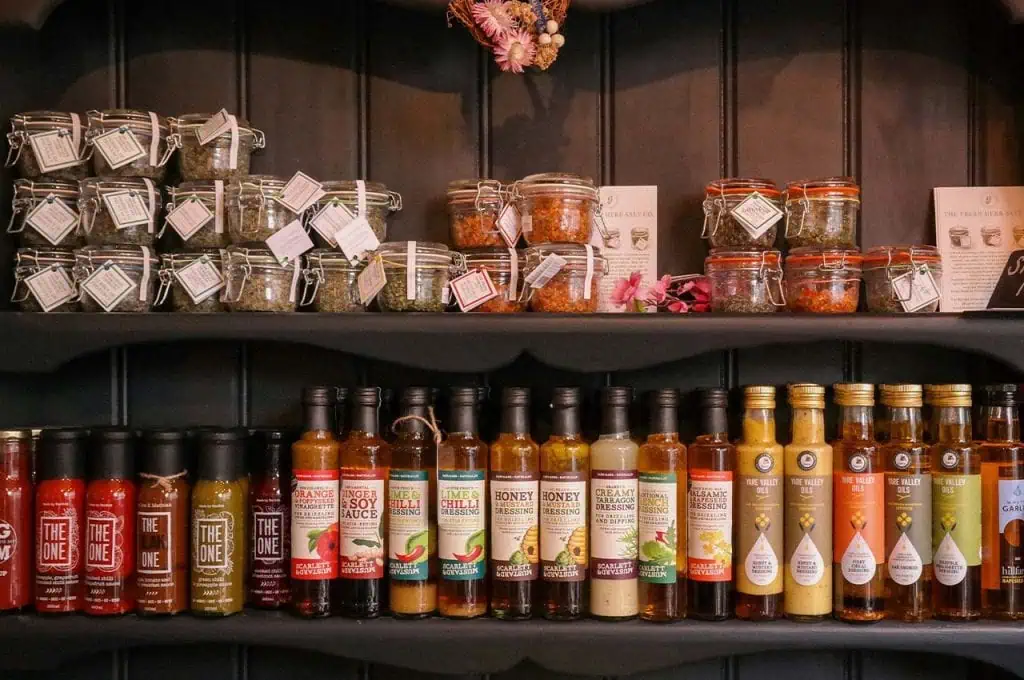
Cans, boxes, and jars line pantry shelves not merely as food items but as symbols of control and resourcefulness. These packaged goods ensure longevity and versatility, allowing cooks to whip up meals even in the face of fresh produce shortages. The neat rows of preserved and non-perishable foods represent a deliberate approach to planning, minimizing waste and maximizing usage. Each container embodies a calculated decision, designed to serve both culinary ambition and pragmatic survival instincts, reflecting a balance between indulgence and necessity.
Hoarding or Preparing? The Psychology

The line between stocking up and hoarding can be fine, driven by psychology and external circumstances. A well-curated pantry ensures readiness for emergencies but can tip toward excessiveness when driven by anxiety or past scarcity experiences. Understanding this balance helps prevent waste while meeting genuine needs. Techniques like rotating stock, noting expiration dates, and maintaining a varied inventory aid in creating a purposeful, not excessive, pantry. This approach nurtures mindful consumption, underscoring control over chaos in unpredictable times.
Generational Pantry Stories

Every pantry tells a story, often a tale passed down through generations. Consider the importance of a grandmother’s spice jar, worn labels telling of meals shared and secrets exchanged. These collections reflect not just familial traditions but also adaptive innovations, as each generation adds their own staple to the mix. Rediscovering old recipes and ingredients fosters a connection to heritage while allowing for modern reinterpretations.
Cultural Signatures on the Shelf

A pantry serves as an archive of cultural identity, showcasing the spices and staples unique to a family’s culinary landscape. Whether it’s a jar of kimchi, a tin of curry powder, or a bag of masa harina, each item reveals a narrative of migration, adaptation, and nostalgia. By observing what’s preserved and prioritized, we gain insight into the cultural stories that shape our daily meals, offering a literal taste of home.
Expiration Anxiety: Waste vs. Order

Organizing a pantry can be fraught with tension between waste and order. Expiration dates loom large, creating a push towards conscious consumption. Techniques such as first-in, first-out usage can help mitigate waste, while clear labeling ensures nothing is overlooked. The balance lies in maintaining a tidy, accessible space without discarding usable items, thus fostering a more sustainable and stress-free approach to stocking ingredients.
Minimalist vs. Overflowing Cupboards

The philosophy of pantry organization often swings between minimalism and abundance. A minimalist approach values simplicity and efficiency, utilizing multi-purpose ingredients. An overflowing cupboard, though, offers endless creativity and spontaneity. The key is intentionality, curating a collection that reflects one’s cooking style and daily needs, whether that means a few go-to essentials or a wide array of culinary possibilities.
The Pandemic Pantry: Crisis and Change

The pandemic reshaped our approach to pantry stocking, emphasizing resilience and resourcefulness. Trends leaned towards long-lasting staples like grains, canned goods, and dried legumes, highlighting the need for preparedness. This shift prompted experiments with preserved foods and batch-cooking. While born of necessity, these habits encourage a deeper understanding of food preservation and a lasting appreciation for strategic pantry management.
Pantries and the Future of Food

Pantries reveal much about future culinary trends as they evolve towards sustainability and innovation. As home cooks adapt to changing food landscapes, more plant-based and alternative proteins find spots alongside traditional staples. Leveraging fermentation, dehydration, and preservation can extend the shelf life of fresh offerings. Thoughtfully stocking grains, legumes, and spices paves the way for diverse, nutritious meals. By prioritizing ingredients with minimal packaging and supporting local producers, pantries contribute to reducing waste and enhancing community resilience. Focus on versatile, high-quality items for a pantry that mirrors a commitment to mindful, flavorful cooking.
