
Safe Treats: 15 Human Foods Your Cat Can Eat
For cat owners keen on sharing their culinary experiences with their feline friend, understanding safe food choices is crucial. While cats remain obligate carnivores, they can enjoy certain human foods as occasional treats when properly prepared. Offering variety not only enhances their diet but can also strengthen the bond between you and your cat. This guide explores delicious and safe human food options that cater to your cat’s natural dietary instincts without compromising their health.
Savory Servings: Cooked Meats
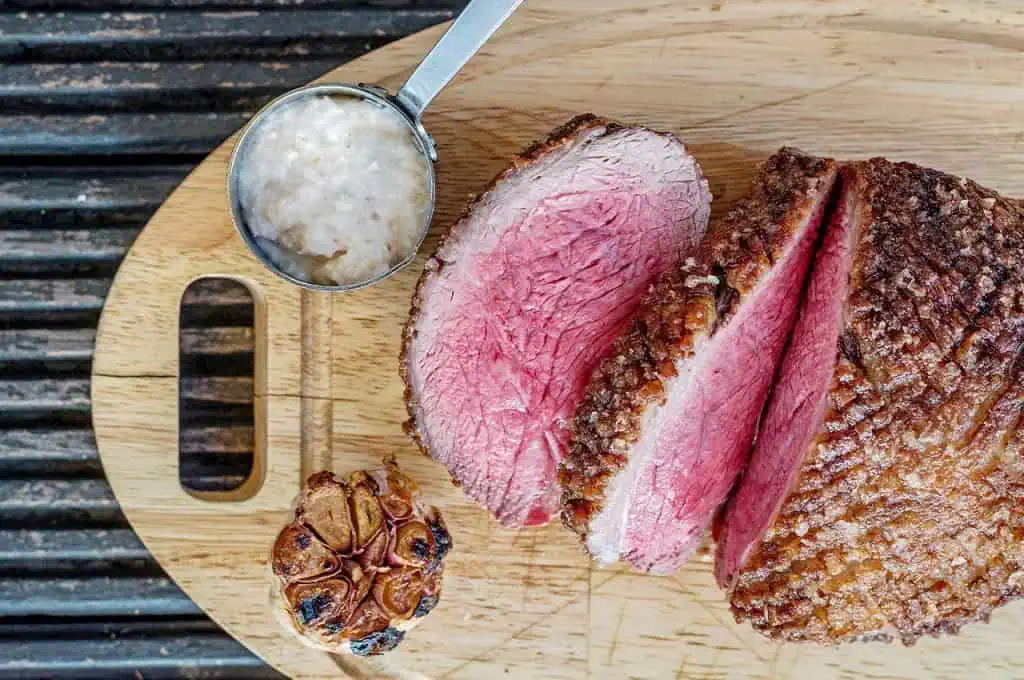
Properly cooked meats are a nutritious and enjoyable option for cats. Opt for lean cuts such as chicken, turkey, and beef, ensuring they are thoroughly cooked and free from seasoning or added oils. Boiling or baking these meats preserves essential nutrients without adding unnecessary fats. Remove any bones and excess fat before serving. These savory bites can provide a protein-rich boost that cats naturally crave, making them an excellent occasional indulgence.
Fishy Delight: Safe Options for Cats

Fish offers a flavorful treat that many cats find irresistible. Stick to skinless, boneless varieties like salmon or tuna, ensuring they are cooked without spices or oils. Poaching or baking fish in water avoids the pitfalls of added fats or seasonings that can upset a cat’s stomach. Fish, rich in omega-3 fatty acids, can benefit a cat’s coat and skin health. However, moderation is key; limit fish treats to prevent any nutritional imbalances in their diet.
Eggs-cellent Choice: Scrambled or Boiled
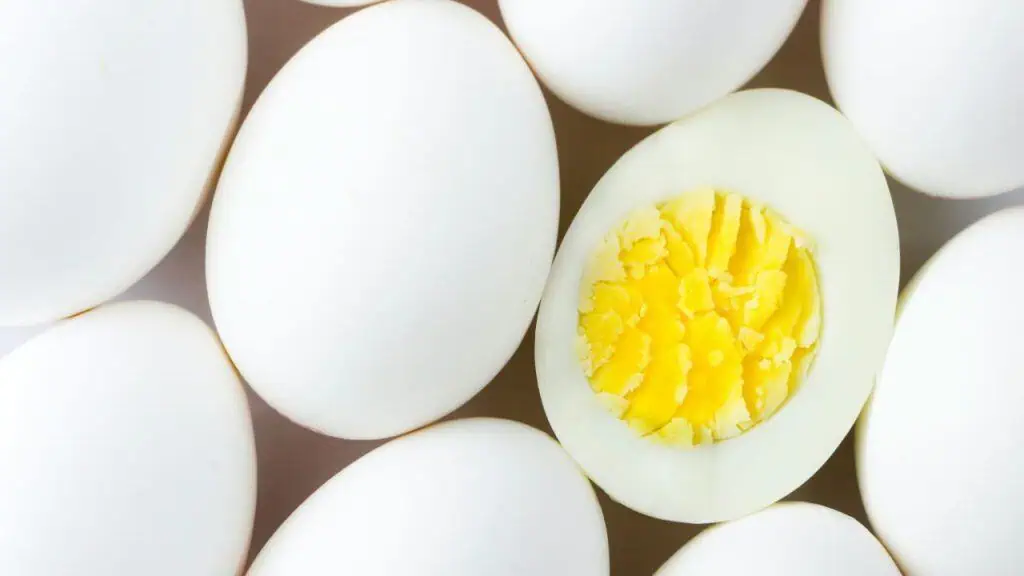
Eggs, packed with protein, can be a versatile feline treat. Scrambling eggs without milk, butter, or seasoning keeps them palatable and safe. Boiling is another simple method—ensure the yolk and white are fully cooked to avoid any risk of salmonella. Chop the egg into cat-friendly bites for an easy-to-digest snack. Providing eggs occasionally helps diversify your cat’s nutrient intake while offering a different texture and taste to relish.
Cheesy Bites: Small Amounts Only

Cheese, when offered sparingly, can serve as an occasional treat. Opt for hard cheeses like cheddar in very small quantities, as many cats can be lactose intolerant. These flavorful bites should be more of an infrequent indulgence rather than a regular diet component. Cheese can be crumbled or cubed for easy tasting, giving your cat a taste of something different while keeping it light on their digestive system.
Sweet Slice: Apples for Nutrition
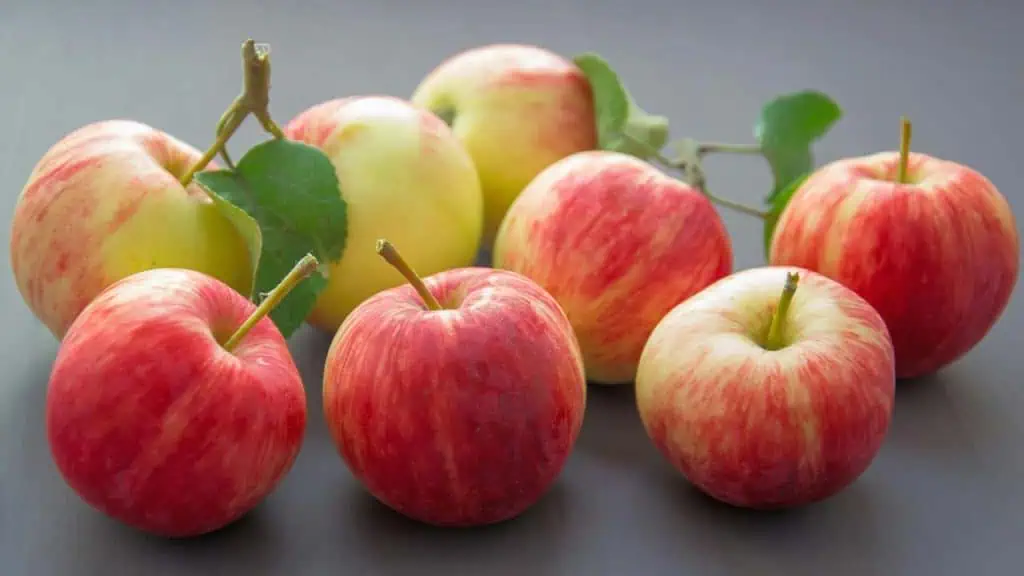
Apples, when offered in small, manageable pieces, can be a nutritious addition to your cat’s diet. Be sure to remove the seeds and core, as they contain harmful substances. The fleshy part is packed with vitamins A and C, providing essential antioxidants and fiber. Introduce apples gradually to gauge your cat’s tolerance, ensuring they remain an occasional treat rather than a staple. Use a fine slicing technique for easy consumption, creating thin, snackable slices that help maintain your cat’s interest without overwhelming their palate.
Banana Bites: Occasional Snack

Bananas are a soft, easy-to-chew option that cats may enjoy. This fruit is rich in potassium and fiber, supporting a healthy digestive system if offered in moderation. Slice the banana thinly to make small, palatable pieces, monitoring your cat’s response to this new taste. Overfeeding could lead to unwanted weight gain due to the fruit’s natural sugars, so treat bananas as an occasional indulgence. Use this time to observe if your cat shows any particular interest or aversion, adjusting portions accordingly.
Berry Good: Blueberries for Antioxidants

Blueberries are a healthful treat that provides antioxidants, which can be beneficial for your cat’s cellular health. Their small size makes them a convenient option, requiring minimal preparation. Offer them fresh and ripe, ensuring they’re washed thoroughly to remove any pesticide residues. If your cat finds whole berries difficult to manage, consider gently mashing them to release the juices and aroma. This method enhances palatability while preserving their nutritious properties, making it easier for your cat to enjoy.
Cantaloupe: A Refreshing Treat
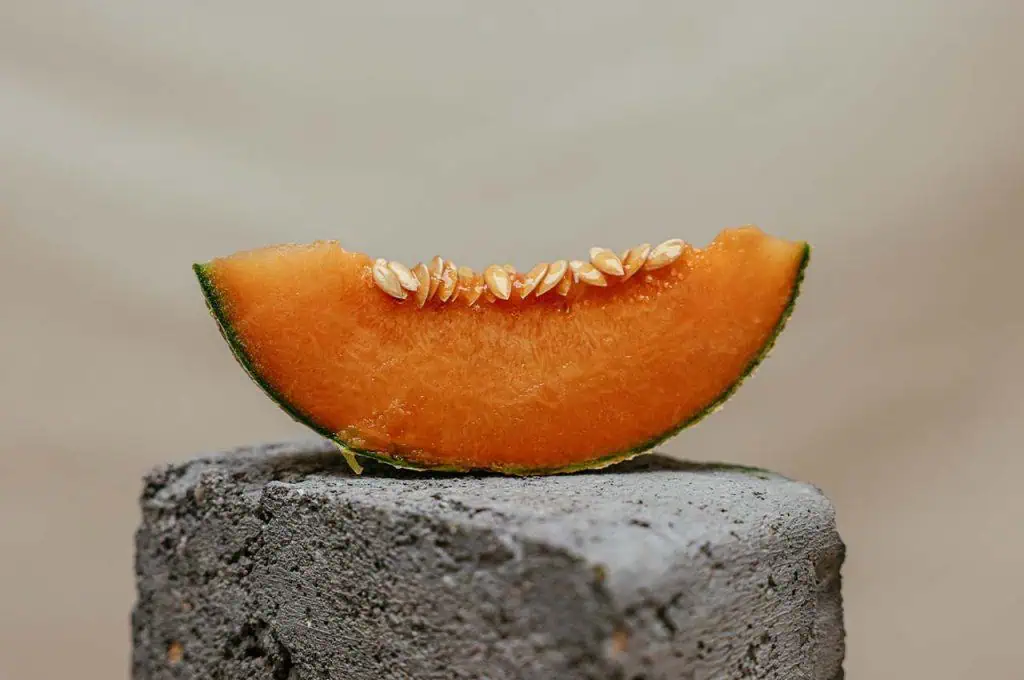
Cantaloupe is a hydrating fruit that cats can savor, particularly during warmer months. With its high water content, it aids in hydration while providing a sweet yet mild flavor. Cut the cantaloupe into small, bite-sized cubes, avoiding the seeds and rind. Introduce this fruit as a special treat, observing your cat’s reaction for any signs of digestive discomfort. This fruity option can complement a balanced diet, offering variety without overshadowing essential nutritional needs.
Crunchy Carrots: A Health Boost

Carrots are a crunchy, low-calorie treat that can benefit your cat’s diet with beta-carotene and fiber. Lightly steam the carrots to soften them, making it easier for your cat to chew and digest. This simple preparation also enhances the flavor while preserving nutrients. Introduce carrots as an occasional treat or supplement in small amounts, ensuring they do not replace the main components of your cat’s diet. Monitor your cat’s interest and adjust serving sizes to maintain their enthusiasm without overfeeding.
Green Beans: A Wholesome Snack

Green beans provide a crunchy, satisfying treat for cats while being low in calories. Steaming the beans preserves their vibrant color and nutrients, making them easier for your cat to chew and digest. Ensure they’re unsalted and cool before serving. This simple preparation highlights the fiber content, supporting a healthy digestive system. The subtle sweetness can be enticing, so offer them as an occasional snack alongside your cat’s regular diet.
Peas Please: Protein and Fiber
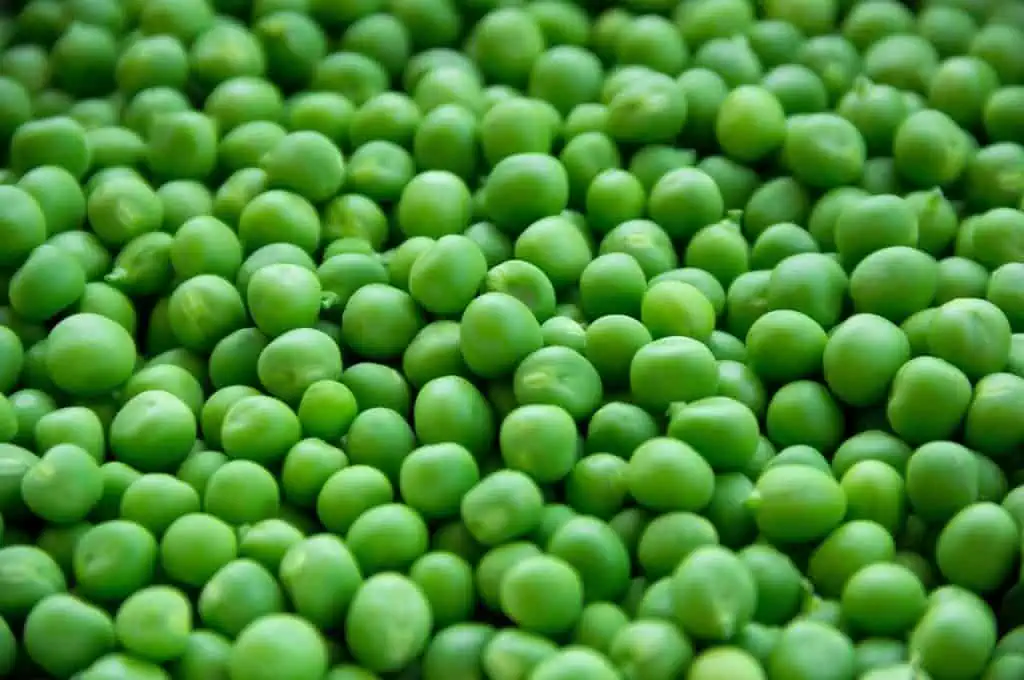
Peas are a rich source of protein and fiber, beneficial for your cat’s diet. Lightly steaming peas before serving makes them easier to digest and maintain their nutritional benefits. Mash them slightly to avoid choking hazards and mix with a small amount of your cat’s food. This helps introduce the flavor gently. The natural sweetness of peas often piques feline interest, making them a delightful and nutritious addition to meals.
Pumpkin Perfect: Digestive Aid

Pumpkin is excellent for aiding digestion due to its high fiber content. Use pureed plain pumpkin, avoiding spiced varieties. A teaspoon mixed into your cat’s food can alleviate minor digestive upsets and improve bowel regularity. Its smooth texture blends well, ensuring palatability without being overpowering. Incorporating pumpkin occasionally provides valuable nutrients and moisture, supporting overall gastrointestinal health.
Watermelon: Hydration and Vitamins

Watermelon is a hydrating treat, perfect for warm days. Cut the melon into small, seedless cubes to prevent choking and serve in moderation. This fruit is rich in vitamins A and C, offering health benefits while keeping them hydrated. Ensure all rind and seeds are removed, as these can be harmful. Introduce this treat gradually to observe how your cat responds to the sweetness and moisture levels.
Strawberry Treats: Moderation is Key
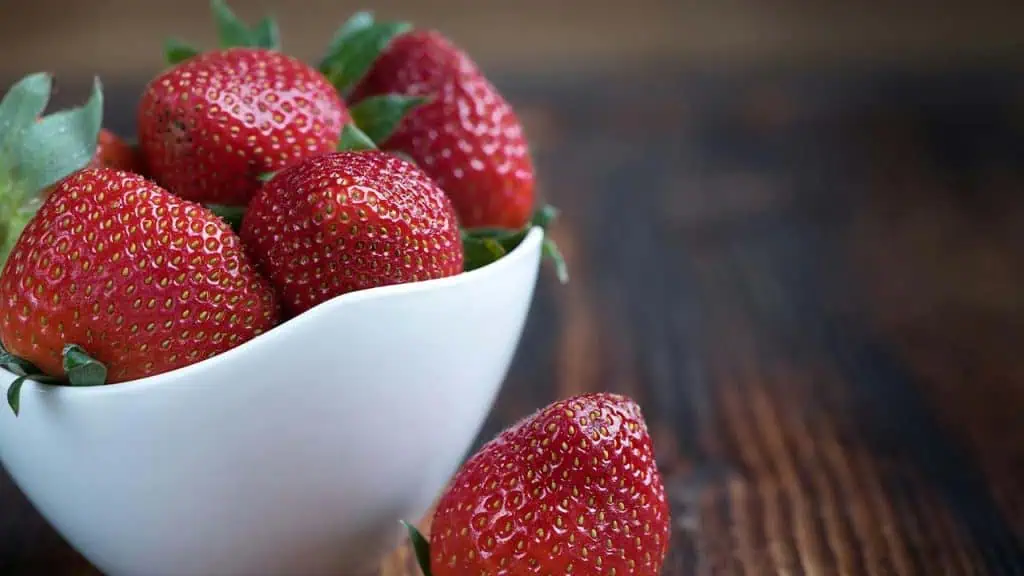
Strawberries can be a delightful, sweet treat when given sparingly. Remove the stems and cut each berry into bite-sized pieces before serving. The antioxidants and vitamin C in strawberries offer nutritional benefits, but due to natural sugars, they should only be an occasional treat. Monitor your cat for any adverse reactions and adjust the portion size to maintain balance with their dietary needs, ensuring enjoyment and benefit.
Oatmeal Offerings: A Heart-Healthy Snack

Introduce oatmeal to your feline in moderation, opting for plain, cooked oats without added sugar or milk. This whole grain is packed with fiber, aiding in digestion and offering a modest blend of carbohydrates and protein. When preparing, focus on achieving a smooth, creamy texture—key to enticing your cat’s curious palate. Let it cool completely before serving and consider mixing a teaspoon into their regular food for gradual acclimation. This careful approach ensures a safe and enjoyable snack that’s both beneficial and palatable.
