
9 grocery items quietly shrinking in size (but not in price)
Shrinkflation has become one of the most frustrating trends in American grocery shopping, as brands quietly reduce package sizes while keeping prices steady or even increasing them. Most changes are subtle enough that shoppers don’t notice until products start running out faster at home. These reductions reflect rising production costs, supply chain pressures, and corporate attempts to protect profit margins without raising retail prices outright. While the contents get smaller, the impact on households grows, reshaping weekly budgets in ways many consumers never expected.
Cereal Boxes

Breakfast cereal is one of shrinkflation’s most noticeable victims, with many boxes now containing several ounces less than they did just a few years ago. Brands often keep the box height the same while narrowing the side panels, making the change hard to spot on store shelves. Families who rely on cereal for quick breakfasts find boxes emptying far more quickly, even though prices remain unchanged or slightly higher.
Potato Chips

Potato chip bags are shrinking in weight even as the packaging size stays largely the same, allowing brands to hide reductions without altering shelf presence. Consumers already accustomed to air-filled bags now receive fewer chips per serving, making it harder to justify the cost. The shift leaves snack lovers feeling shortchanged, especially as price increases continue alongside these quieter cuts.
Ice Cream Tubs
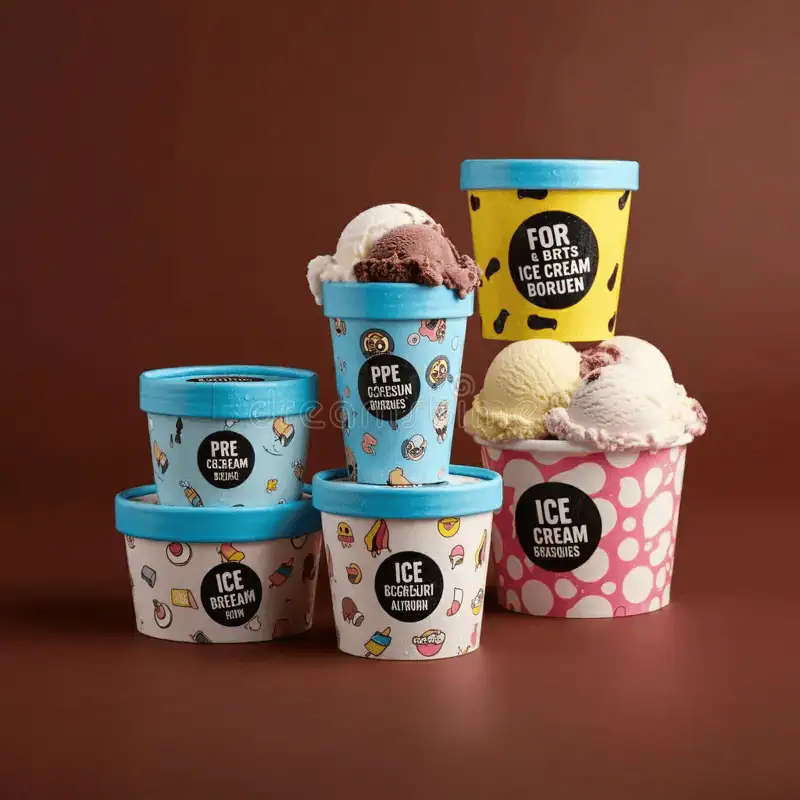
Ice cream containers have gradually decreased from full half-gallons to smaller tubs, often with no clear indication beyond a new number on the label. Many brands now offer 48-ounce or even 40-ounce sizes while keeping the package shape familiar. Shoppers rarely notice until dessert nights run out faster, turning a once-economical treat into a surprisingly costly indulgence.
Coffee Grounds

Coffee cans and bags have been shrinking across multiple brands, with many reducing their standard size while maintaining premium pricing. Because coffee is a daily essential for millions, these cuts have an outsized impact on household budgets. The smaller quantities force shoppers to restock more frequently, quietly increasing overall spending without appearing as a straightforward price hike.
Yogurt Cups

Single-serve yogurts have subtly shrunk in volume, with containers sometimes holding only a few fewer grams while appearing nearly identical. These reductions slip past consumers who purchase yogurt routinely as snacks or breakfast staples. The smaller sizes feel especially noticeable for families relying on them for school lunches or quick meals, where every ounce counts toward value.
Frozen Chicken Nuggets

Frozen chicken nuggets have quietly shrunk in both portion size and bag weight, even though the packaging looks nearly identical to previous years. Many brands now offer fewer pieces per bag while keeping prices steady, making the change difficult for shoppers to notice until meals start disappearing faster than expected. With families relying on nuggets for quick weeknight dinners, this subtle shift has become one of the most frustrating examples of food shrinkflation in the freezer aisle.
Chocolate Bars
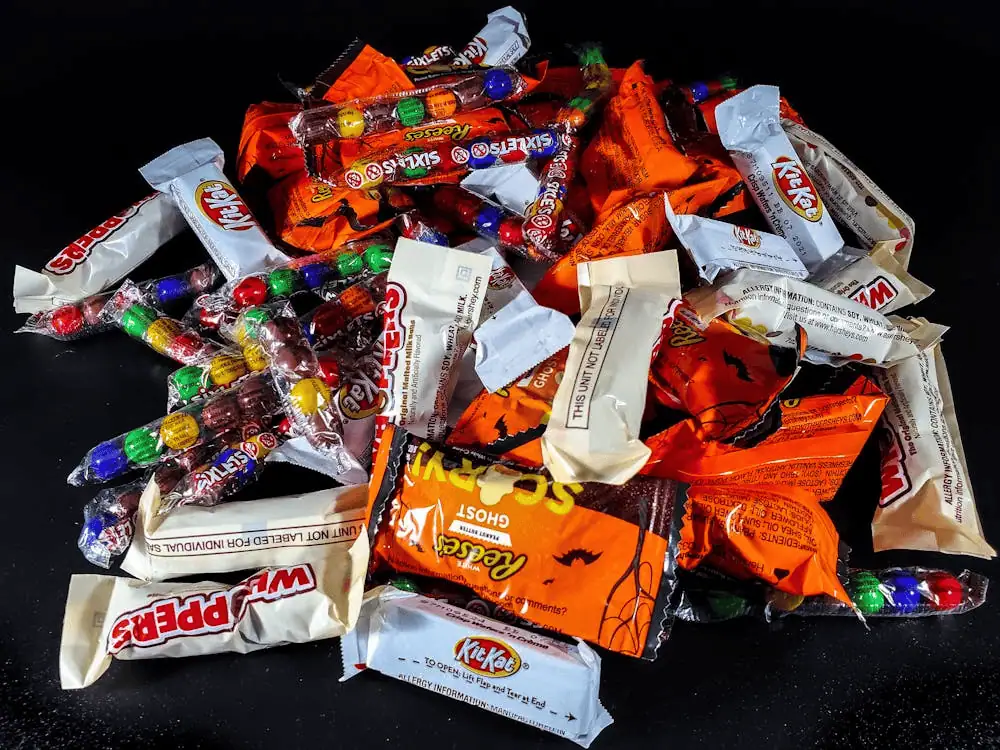
Many chocolate bars have become slimmer or shorter while preserving their recognizable shapes and branding. Consumers loyal to their favorite candy often don’t realize the size change until comparing older wrappers or noticing fewer bites per bar. These quiet reductions turn a once-satisfying treat into a pricier indulgence that fades faster than it used to.
Pasta Boxes
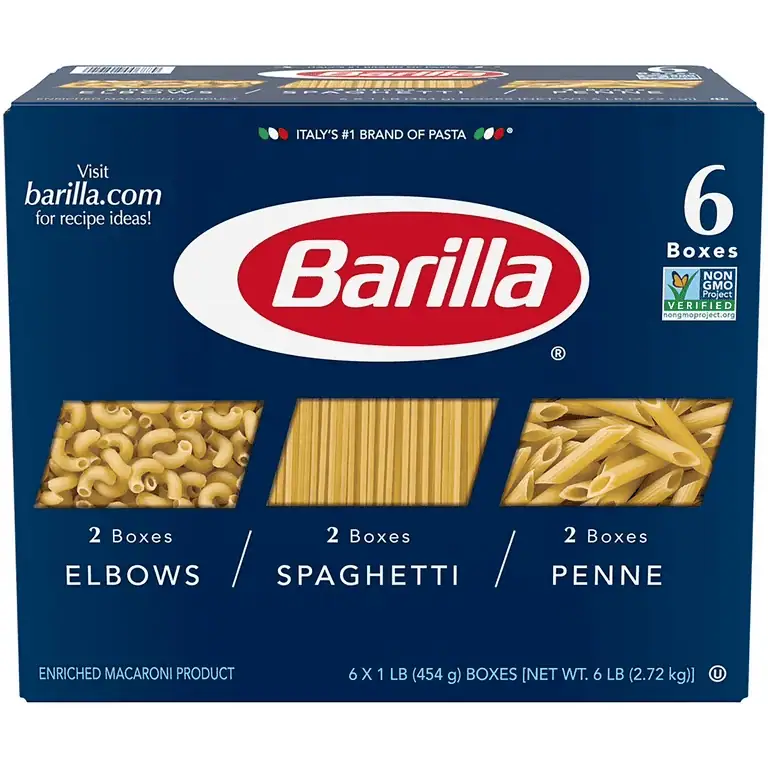
Standard pasta boxes that once held a full pound now commonly sit at 12 or 14 ounces, even though the box dimensions remain nearly identical. This shift affects meal planning as families accustomed to a pound of pasta suddenly find portions running short. With prices continuing to rise, the reduction feels like a subtle but significant loss in everyday value.
Crackers and Snack Packs
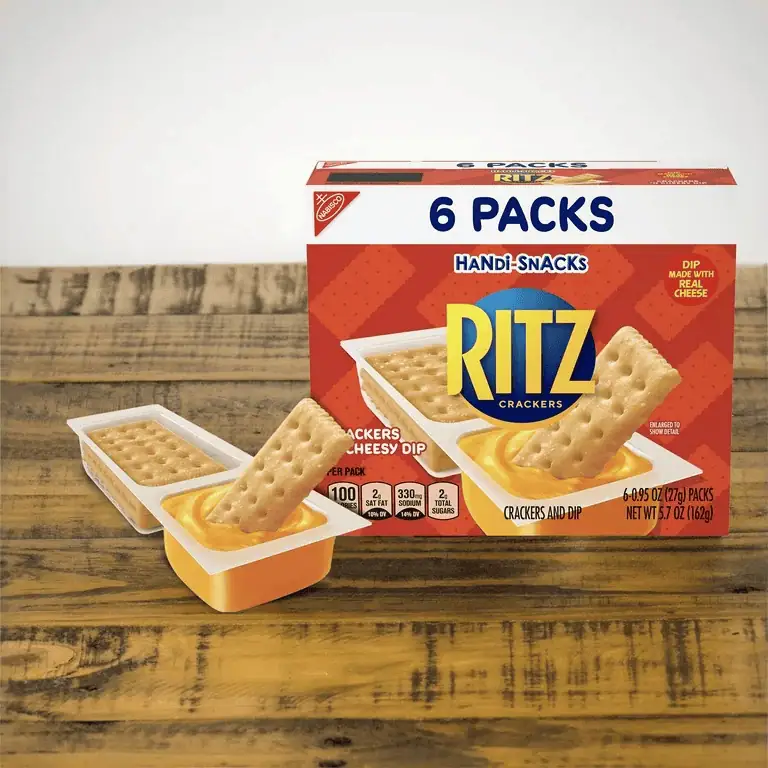
Cracker boxes and snack packs have seen reductions in both quantity and individual serving sizes, often masked by revamped packaging. Many shoppers only notice when familiar snacks disappear more quickly from the pantry. Since these items are staples in school lunches and quick meal planning, the impact feels immediate, highlighting how shrinkflation quietly chips away at grocery budgets.
