
9 Foods That Look Strange and Taste Stranger (But Everyone Should Try at Least Once)
Exploring unique foods that challenge our palates can lead to surprising culinary delights. “9 Foods That Look Strange and Taste Stranger (But Everyone Should Try at Least Once)” invites adventurous eaters to step beyond their comfort zones. With each bite, you’re not only tasting eccentric flavors but also understanding diverse cultural traditions. This guide aims to highlight four notably strange yet intriguing choices, detailing their preparation and distinct characteristics, ensuring you are well-prepared to embark on this unusual gastronomic journey.
Durian: Creamy Delight or Smelly Nightmare?
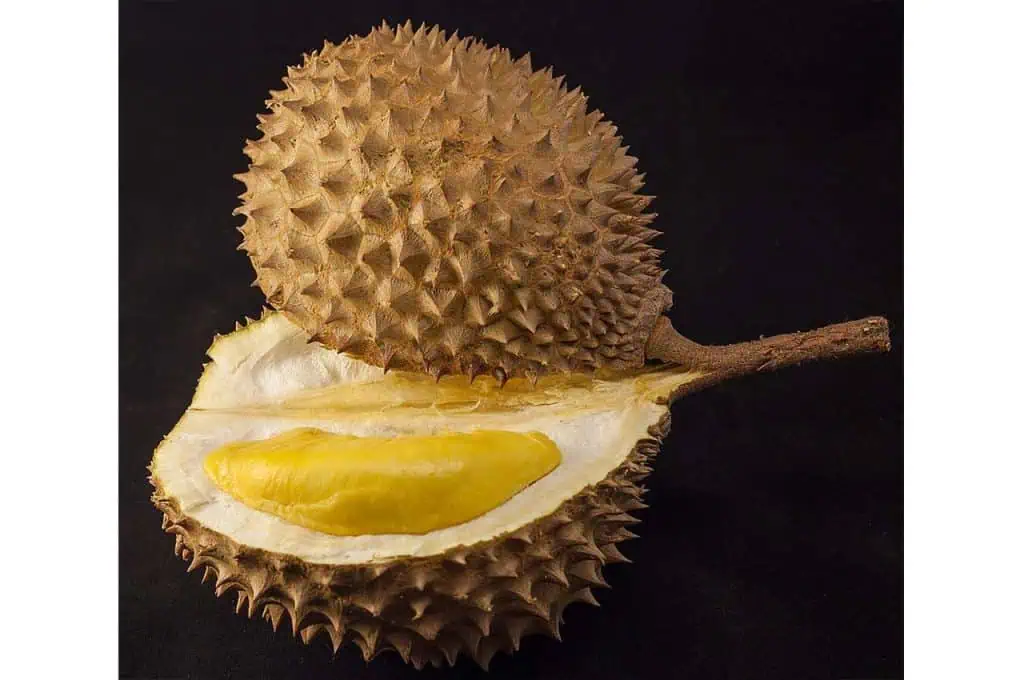
Durian, often dubbed the “king of fruits,” is as infamous for its potent odor as for its creamy texture and complex flavor profile. When cutting into a durian, ensure it’s ripe, firm yet slightly yielding to gentle pressure. The distinct aroma can be off-putting initially, but those who appreciate its nuances describe the taste as a blend of almond custard and sweet caramel.
Use a sharp knife to gently pry open the thick, spiky husk. Once opened, the pale yellow pods release a rich, buttery pulp, best enjoyed chilled, which helps mellow its strong scent.
Century Egg: A Bold Jelly-Like Surprise
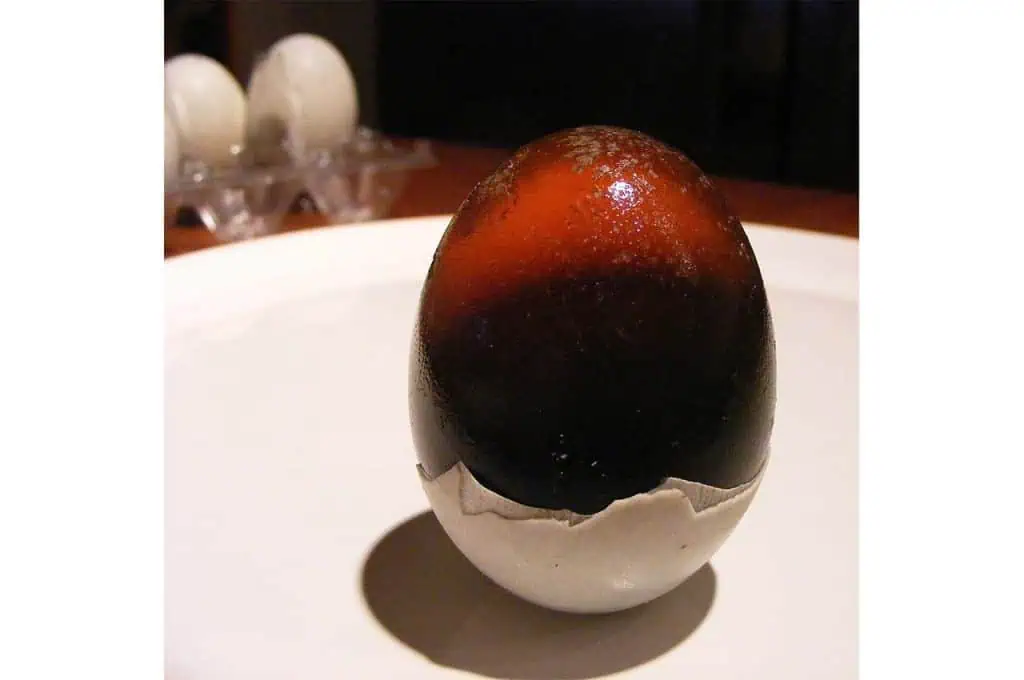
Century eggs, with their translucent, gel-like appearance and earthy flavor, offer an intriguing taste experience. These eggs are traditionally preserved in a mixture of clay, ash, and salt for several weeks to months. The result is a transformed egg with a jelly-like white and a creamy, pungent yolk.
When served, century eggs are often paired with ginger slices to cut through their intense, umami flavor. For a delightful dish, dice the eggs and incorporate them into a salad with tofu and cilantro, emphasizing the contrast between the egg’s rich, savory flavor and the salad’s fresh elements.
Surströmming: Fermented Fish Fright

Surströmming, a Swedish delicacy, is renowned for its intense aroma, owed to the fermentation of Baltic herring. Traditionally, it is consumed in thin, crisp flatbreads called tunnbröd, along with potatoes and sour cream to balance its salinity and sharp flavors.
When opening a can, do so outdoors to manage the strong smell, using a basin of water to minimize the aerosol effect. The taste is surprisingly mild compared to its aroma, offering a rich, tangy profile that speaks to acquired preferences. Ensure accompanying beverages like beer or aquavit to complement this bold, traditional experience.
Casu Marzu: The Cheese of Controversy

Casu Marzu, hailing from Sardinia, is famously known as “maggot cheese.” This cheese undergoes decomposition by the digestive action of live insect larvae, creating a soft, spreadable interior with a bold, pungent flavor. Traditionally, small slices are spread on flatbread or paired with robust red wines.
Ensure you receive fresh Casu Marzu, as the larvae are an integral part of its authenticity. Rich in taste, the cheese’s texture contrasts between creamy softness and granular intensity, offering a uniquely adventurous taste that intrigues the palate. Approach with an open mind to savor its complexity.
Black Garlic: Sweetness in Disguise

Black garlic transforms ordinary garlic cloves through a meticulous aging process at controlled humidity and temperature. This results in a soft, blackened bulb with a sweet, molasses-like flavor and hints of balsamic. It’s an ingredient that elevates sauces and dressings with its deep umami undertones.
When adding black garlic to dishes, incorporate it early during cooking to allow the complex flavors to meld seamlessly. Its sticky texture makes it ideal for spreading onto bread or infusing into mashed potatoes, offering a sophisticated twist to familiar favorites.
Hákarl: A Powerful Icelandic Tradition

Hákarl embodies the boldness of Icelandic cuisine with its pungent aroma and intense flavor profile. This traditional fermented shark undergoes a lengthy curing process to become edible, characterized by a sharp, ammonia-like scent. Despite its challenging aroma, hákarl’s taste is surprisingly subtle, with a chewy texture.
To enjoy it authentically, pair with Icelandic schnapps. For adventurous cooks, serve in small, approachable bites, allowing the flavor to unfold gradually and providing a genuine taste of Icelandic heritage in each bite.
Natto: Sticky Beans with Flavor Punch

Natto is a Japanese staple known for its sticky texture and unique flavor, created through fermentation of soybeans. It delivers a rich umami taste complemented by a pungent aroma that can be divisive. When starting with natto, mix it thoroughly to enhance its stickiness and flavor depth.
Traditionally served over rice with seasonings like soy sauce or mustard, it’s a powerhouse of nutrients, offering protein and probiotics. Experiment by incorporating it into omelets or mixing into salads for a nutritious twist that widens its appeal beyond seasoned enthusiasts.
Fried Tarantula: Crunchy and Creepy

Fried tarantula is a Cambodian culinary curiosity that brings a crunchy, savory experience. Prepared by marinating and then deep-frying, the spiders develop a crisp exterior while remaining tender inside, akin to soft-shell crab.
The flavor is mild, slightly nutty with earthy undertones, making it more approachable than its appearance suggests. When handling, focus on thorough frying to ensure even crispness. Serve with lime or a spicy dipping sauce to balance and enhance the delicate flavors, offering a memorable culinary venture that is not for the faint-hearted.
Balut: The Eggy Street Food Challenge

Balut, a fertilized duck egg, is renowned in Southeast Asia for its unusual preparation and robust flavor. The egg is boiled and eaten directly from the shell, revealing a complex interplay of tastes and textures from the broth-like fluid to the firm yolk and developing duck embryo.
Season with salt, vinegar, or chili to accentuate its richness. It’s essential to embrace the experience holistically, appreciating the traditional craftsmanship and bold flavors that challenge preconceived dining norms. Balut offers an intense, unfiltered taste of street food that invites culinary curiosity.
