
9 Dinner Party Habits From the ’70s That Would Shock Modern Hosts
The dinner parties of the 1970s were a distinct culinary affair, showcasing habits and dishes that would surprise modern hosts. The focus was on community and creativity, often inviting guests into a world where tradition met experimentation. Understanding these bygone customs offers a unique perspective on how our tastes and social norms have evolved. Let’s explore these fascinating, sometimes shocking, practices that once graced dining tables.
Smoking at the Dinner Table

A defining feature of 1970s dinner parties was the normalization of smoking at the table. Ashtrays were as common as salt and pepper shakers, seamlessly integrated into the dining setting. Today, the idea of lighting up between courses, especially with the knowledge of secondhand smoke’s effects, seems rather jarring. It highlights a significant shift towards health-conscious entertaining and the importance of creating a clean, inviting atmosphere for guests.
Fondue Pots: The Main Event

Fondue was the star of 1970s gatherings, transforming meals into interactive experiences. The setup involved melting cheese or chocolate in a communal pot, with guests dipping bread, fruits, or meats. This DIY approach encouraged conversation and camaraderie. To replicate this today, emphasize quality ingredients: smooth Gruyère for cheese fondue or fine Belgian chocolate. Ensuring the right consistency and maintaining the perfect temperature are key to a successful, nostalgic nod to past dining.
Aspic: The “Elegant” Starter

Aspic, a savory jelly often encasing meats, vegetables, or eggs, was a common appetizer regarded as sophisticated. The process involved setting broth or consommé with gelatin to create a shimmering mold on the plate. While modern diners may find its texture unusual, perfecting this retro dish demands precision in seasoning and clarity in the broth. This elaborate presentation, once a marker of culinary skill, serves as a testament to changing palates and preferences.
Get the recipe: Tomato Aspic
Unlabeled Mystery Casseroles

Casseroles were the unsung heroes of 1970s dinner parties, often appearing as ‘mystery’ dishes. Guests would encounter bubbling concoctions of meats, vegetables, and starches, covered in cheese or breadcrumbs. The surprise lay in their undisclosed ingredients, encouraging a sense of culinary adventure. To adapt this for contemporary tastes, focus on fresh, identifiable quality ingredients, and offer a description to ensure guests appreciate every flavorful layer without the guesswork.
Kids’ Table: A Separate World

In the 1970s, hosting a dinner party often meant creating distinct experiences for children and adults by setting up a separate kids’ table. This approach encouraged age-appropriate dining, where children were offered simplified versions of the main menu, typically including dishes like mac and cheese or chicken nuggets. This separation allowed adults to enjoy more sophisticated fare and conversation, emphasizing the era’s structured social dynamics. Today, integrating meals across generations is more common, fostering inclusivity and shared family experiences.
Heavy Cream in Every Recipe

Dishes in the ’70s frequently featured generous amounts of heavy cream, creating rich, indulgent flavors that defined the era’s culinary landscape. From creamy stroganoffs to velvety casseroles, this ingredient was synonymous with luxury and comfort. Modern cooking often aims for lighter, health-conscious alternatives, such as coconut milk or yogurt, which offer similar textures without the excess fat. Incorporating cream with a strategic hand can enhance depth without overwhelming the palate, a balance today’s cooks strive to achieve.
Hosts Cooking During the Party

In the past, hosts often cooked while entertaining, preparing meals in front of guests. This approach underscored hospitality but kept hosts from fully engaging in the gathering. Contemporary hosts favor make-ahead dishes or meal-prep before guests arrive, allowing them to socialize and enjoy the event. Techniques like sous-vide and slow cooking facilitate stress-free hosting. Maintaining a well-organized kitchen and setting up a station for guests to serve themselves are modern solutions that modernize this classic hospitality challenge.
Gender-Divided Hosting Roles
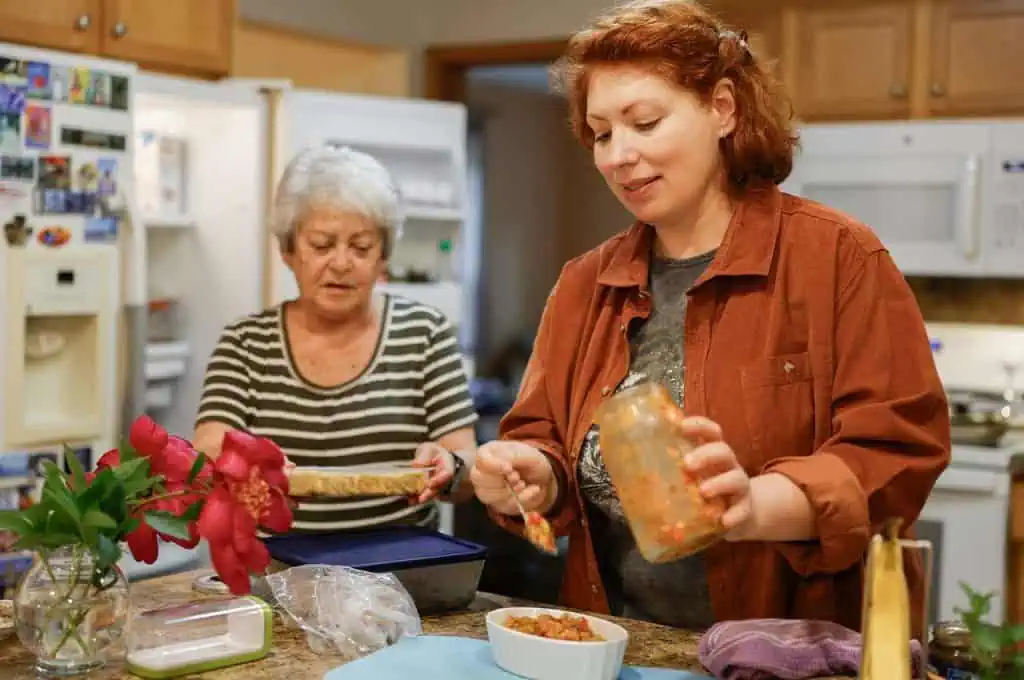
Traditionally, hosting roles were distinct, with women primarily handling the cooking and men managing drinks. This division highlighted the gender norms of the era. Today, hosting duties are often shared, with partners collaborating on menu planning and execution regardless of gender. This shift has encouraged flexibility and cooperation in the kitchen, allowing for a more relaxed and inclusive atmosphere. Embracing a team approach can significantly elevate the hosting experience, making it more enjoyable and efficient.
Unlimited, Unlabeled Alcohol

In the 1970s, dinner parties often featured a liberal and unregulated approach to alcohol, with unlabelled carafes and generous pours being the norm. This practice, while fostering a carefree environment, lacked the attention to pairing and moderation valued today. Modern hosts often curtail excess by offering curated selections of wine or themed cocktails, enhancing the dining experience while promoting responsible consumption. Labeling drinks and providing non-alcoholic options help cater to diverse preferences, ensuring all guests feel considered and included.
