
8 Ways Our Relationship With Food Mirrors Our Relationship With Time
Our connection to food often reflects how we interact with time in our daily lives. The choices we make at the table, be it a rushed breakfast or a leisurely dinner, can mirror our approach to time management. By examining these choices, we can gain insight into our personal rhythms and how they align with broader cultural trends. Each meal becomes not just an opportunity for nourishment but also a reflection of our relationship with the clock, revealing much about modern life’s pace and values.
Fast Food and Fast Lives: The Culture of Speed

Fast food epitomizes the desire to conquer hunger in the least amount of time, mirroring a life constantly in motion. Many opt for quick meals that offer convenience, sacrificing nutritional value for immediacy. This trend reflects a broader societal push towards efficiency, where moments are filled to the brim and meal times compressed. For home cooks, crafting quick, nutrient-rich alternatives, such as stir-fries or grain bowls, can provide balance, offering speed without losing sight of health and taste.
Slow Food and Slow Living: Resisting the Clock

Embracing the slow food movement means valuing quality, savoring each bite, and taking time to appreciate the process. It's a deliberate choice to resist the relentless pace of modern life. Techniques like braising or slow roasting allow flavors to deepen over time, encouraging a mindful approach to both cooking and eating. By dedicating time to these methods, home cooks can cultivate a richer culinary experience, one that fosters patience and enhances the overall enjoyment of dining.
Meal Prep: Controlling the Future
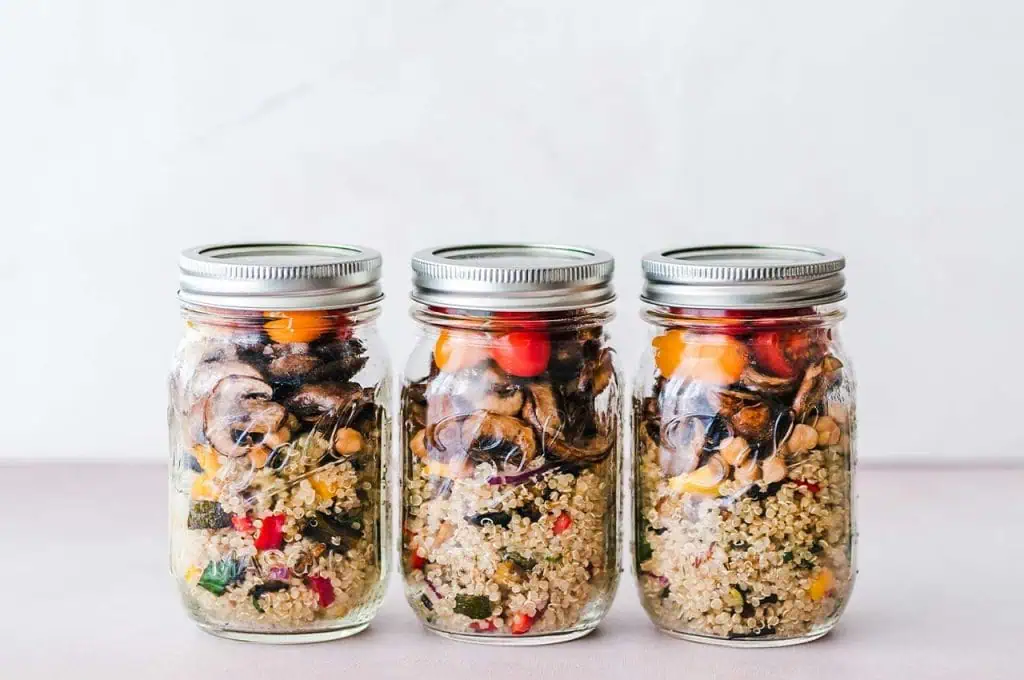
Meal prepping can be seen as a strategic maneuver against time's unpredictability. By preparing meals in advance, home cooks gain control over future eating habits, reducing stress and promoting consistency. Thoughtful organization, such as marinating proteins or chopping vegetables, bridges the gap between convenience and home-cooked quality. This practice not only saves time during busy weeks but also ensures that meals remain balanced and satisfying, demonstrating the power of foresight in daily dining.
Snacking on the Go: Filling Modern Gaps

The trend of on-the-go snacking caters to the fragmented nature of modern schedules, filling nutritional gaps in a fast-paced world. Portable options like granola bars or mixed nuts offer a practical solution for those constantly on the move. However, mindful choices can elevate snacking into a more deliberate part of your routine. Opting for fresh fruits, yogurt, or homemade energy bites provides a balance of nutrients and flavors, enhancing the quality of quick bites amidst a hectic day.
Seasonal Eating: Nature’s Plate Calendar

Seasonal eating synchronizes our meals with the natural rhythm of the earth. Each season offers a distinct profile of produce, enhancing flavor and nutrition. In spring, focus on tender asparagus and sweet peas, capturing freshness. Summer brings vibrant tomatoes and corn, perfect for raw or lightly grilled dishes. Autumn’s bounty of squash and apples invites heartier cooking techniques, like roasting. Winter’s root vegetables, such as parsnips, respond well to slow cooking. Adopting this approach not only respects produce at its peak but also fosters a mindful connection to the time of year.
Family Dinners: Rituals to Mark Time

Family dinners serve as anchors in the swirling tide of busy schedules. Regularly gathering around a shared meal creates a rhythm to our days, grounding and connecting members. A simple roast chicken and vegetables, prepared with care, can become a weekly tradition. Involve everyone in the preparation; sharing tasks deepens bonds and imparts culinary skills. Set a pleasing table and minimize distractions to enhance presence. These gatherings allow for reflection, storytelling, and the timeless act of breaking bread, which strengthens relational and temporal ties.
Fasting Traditions: Sacred Daily Pauses

Fasting traditions, whether weekly or annually observed, instill moments of introspection and discipline. These pauses from eating help reset not only the body, but also the mind, by enhancing our appreciation for sustenance. Intermittent fasting requires consuming meals within a limited window, prioritizing nutrient-dense foods like lean proteins and fresh produce. Religious fasts, such as Ramadan or Lent, deepen the connection between food, spirituality, and time. Embrace these occasions to carefully plan meals that nourish and reflect the patience and restraint practiced during fasting hours.
Convenience Foods: Borrowing Time's Cost

Convenience foods provide shortcuts that free up valuable time, yet demand thoughtful selection to maintain nutritional quality. Pre-washed salad greens or canned beans expedite meal preparation without compromising health. Balance these with whole ingredients, such as fresh herbs and spices, to enhance flavor. Ready-made sauces can benefit from added zest with a squeeze of citrus or a touch of garlic. Keep in mind that while these options buy back minutes in the day, prioritizing balance ensures meals remain satisfying and healthful. Use them judiciously to fit time while preserving quality.
