
8 Vegetables That Aren’t Worth Buying Organic, According to Cost-Savvy Shoppers
Choosing vegetables wisely involves balancing quality with cost. Some vegetables, due to their natural protective qualities, don’t necessitate an organic label, offering peace of mind and savings. Being informed about these options empowers home cooks to prioritize spending on items that truly benefit from organic treatment.
Avocados: Nature’s Green Armor

Avocados boast a thick, resilient skin that acts as an effective barrier against pesticides. This outer layer allows the inner flesh to remain protected, minimizing the need for organic options. Selecting unblemished avocados ensures quality, while a gentle squeeze helps assess ripeness. By focusing on texture and skin integrity, you gain both taste and savings.
Sweet Corn: A Protected Kernel

Sweet corn’s husk provides a natural shield, reducing pesticide exposure to the kernels within. Always inspect the tassels for freshness before purchasing. Opting for non-organic sweet corn rarely sacrifices flavor or safety, making it a budget-friendly choice perfect for grills or boiling. Simple techniques like removing the outer leaves reveal vibrant kernels without breaking the bank.
Onions: Layered with Savings

Onions, with their multiple protective layers, are another vegetable where buying organic is often unnecessary. These layers form a barrier that keeps the edible parts largely uncontaminated. For best results, choose onions with firm, dry outer skins and avoid those with soft spots or sprouting. Proper storage in a cool, dark place preserves quality while maintaining affordability.
Cabbage: Leafy and Low-Cost

Cabbage’s dense, overlapping leaves serve as a natural defense against pesticides, making organic purchases less crucial. Select heads that are firm and tightly packed for freshness. Avoid bruised or damaged leaves, as these may affect the entire head. Proper trimming and rinsing before cooking help maintain a crisp texture and robust flavor without additional costs.
Asparagus: The Budget-Friendly Spear

Asparagus, with its tightly closed tips and firm stalks, generally sees minimal pesticide use. This makes conventional choices often as good as organic. When selecting, ensure the spears are vibrant green and avoid those with wilting tips. To prepare, snap off the woody ends and steam or grill for a crisp-tender texture. Opt for thinner spears, which cook more swiftly and deliver a more delicate flavor. Pair with lemon zest or toasted sesame seeds for a simple yet elegant side.
Eggplant: Purple Protection

The deep, glossy skin of eggplant acts as a natural barrier against pests, allowing it to be grown with fewer pesticides than many other vegetables. Choose eggplants that feel heavy for their size and have smooth, unblemished skin. Ensure they are firm to the touch with bright green stems. Slice into even rounds for uniform cooking, whether grilling, roasting, or sautéing. Highlight its meaty texture with olive oil and balsamic vinegar, enhancing its rich, earthly flavors.
Mushrooms: Fungus Among Us

Mushrooms, cultivated in controlled environments, tend to have lower pesticide usage. Look for mushrooms that are clean and firm, avoiding any with slimy patches. To clean, gently wipe with a damp cloth or rinse briefly, drying thoroughly to prevent sogginess. Sauté with garlic and thyme to amplify their umami essence, or roast to concentrate their natural earthiness. For a deeper flavor, mix varieties like cremini and shiitake to elevate your dish.
Frozen Peas: Freshness in the Freezer
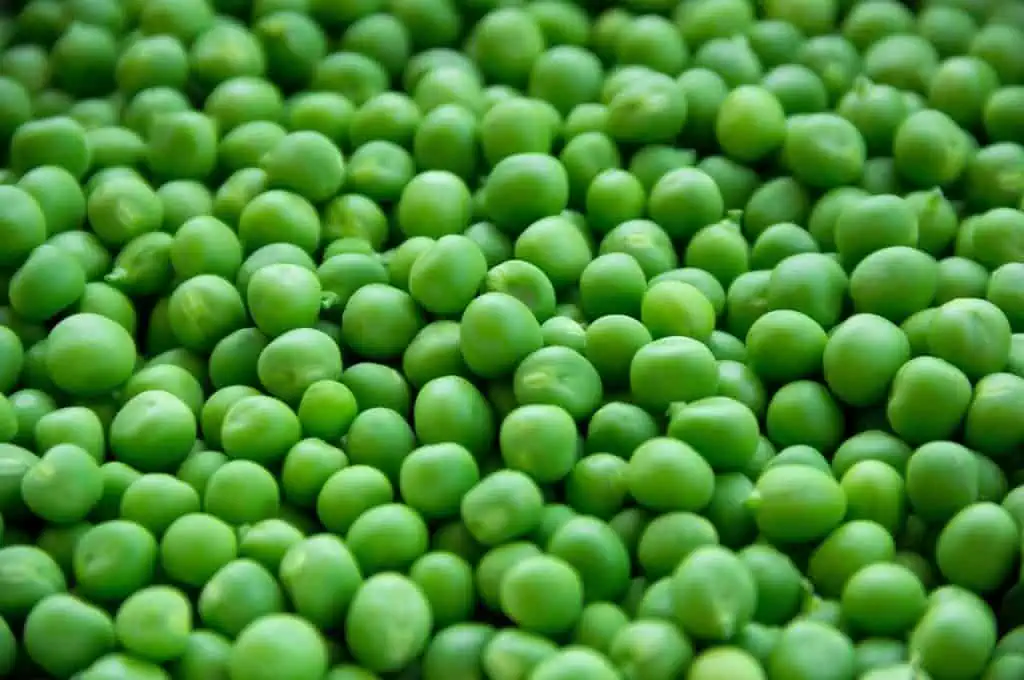
Frozen peas retain their sweetness and nutritional value, often harvested at peak ripeness and flash-frozen, making them a practical and cost-effective alternative to organic. Keep a bag in your freezer for quick additions to soups, pastas, or salads. To prepare, simply blanch in boiling water until vibrant green, about 2–3 minutes. Their delicate, sweet flavor pairs well with mint or lemon juice, making them a versatile ingredient in a variety of dishes.
