
14 Foods That Were Once Prescribed as Medicine
Throughout history, many foods were prescribed as remedies long before they became staples of our daily diets. Understanding the origins of these ingredients enhances our appreciation of their multifaceted roles in culinary traditions. Exploring them not only enriches our cooking but also deepens our connection to the past.
Chocolate: The Mood Enhancer

Chocolate, once considered a divine gift by the Aztecs, was historically used as a mood enhancer. Its rich, velvety texture is just one of its many appealing features. The compounds in chocolate can increase serotonin levels, boosting mood while indulging the senses. Melt it gently over a double boiler to maintain its silky smoothness, perfect for a luxurious hot chocolate or as an elegant ganache. Using high-quality, dark chocolate enhances its beneficial properties and deep flavor, making it a delightful and therapeutic indulgence.
Wine: Ancient Antiseptic

Wine has a storied history beyond its role as a sumptuous beverage. In ancient times, it was valued for its antiseptic properties, often used to clean wounds. The fermentation process naturally develops alcohol and resveratrol, which contribute to its preserving qualities. For culinary pursuits, a splash of wine can deglaze pans, enriching sauces, and tenderize meats. Choosing a wine that you’d enjoy drinking ensures that its flavors enhance your dish without overwhelming it, balancing acidity with depth.
Garlic: Warrior’s Antibiotic

Garlic, renowned for its pungent aroma and flavor, has been used since antiquity as a natural antibiotic, especially prized in times of war. The compound allicin, released when garlic is crushed or chopped, boasts antimicrobial properties. To maximize its flavor, let chopped garlic sit for a few minutes before cooking. Its versatility shines in a myriad of dishes, from hearty stews to tantalizing pasta sauces. For a mellower taste, roast whole cloves until golden for a sweet, nutty finish.
Honey: Nature’s Healing Elixir

Honey’s soothing sweetness belies its historical application as a healing agent. Its natural antibacterial qualities made it a go-to remedy for wounds and sore throats. The viscous texture of raw honey not only makes it a delightful sweetener but also contributes to its role in soothing and coating. When using honey in cooking, balance its sweetness with acidity, such as a splash of lemon juice or vinegar, to enhance its natural complexity. Raw or lightly processed honey retains the most beneficial nutrients.
Olive Oil: Heart’s Best Friend

Olive oil, revered for its heart-friendly properties, is rich in monounsaturated fats. These healthy fats help reduce LDL cholesterol, supporting cardiovascular health. Use extra virgin olive oil for salad dressings to preserve its antioxidant content, like vitamin E and polyphenols, which combat inflammation. Drizzle it lightly over grilled vegetables or as a finishing touch to soups, embracing its slightly peppery finish. Remember, olive oil’s low smoke point means it’s best suited for low-temperature cooking.
Ginger: Motion Sickness Cure

Ginger, with its potent antiemetic properties, has been long used to combat motion sickness and nausea. The active compound, gingerol, helps soothe digestive discomfort. To harness its benefits, infuse freshly sliced ginger into hot water for a warming tea or add it to smoothies for a spicy kick. When cooking, toss peeled ginger in stir-fries or soups to lend warmth and depth to dishes. Fresh ginger is more effective than dried, offering a bright, zesty heat that enlivens your creations.
Mint: The Stomach Soother

Mint is celebrated for its ability to calm the stomach and aid digestion. Its natural menthol helps relieve indigestion and bloating. Use fresh mint leaves to make an invigorating tea, simply steeping them in hot water. Introduce mint into salads for a refreshing note or blend into yogurt with cucumber for a cooling sauce. When cooking, mint adds vibrancy to lamb dishes or grain salads, with its bright aroma enhancing overall flavors while soothing the digestive tract.
Tea: Soothing the Mind

Tea, a timeless elixir, soothes the mind through the calming effects of L-theanine, an amino acid that promotes relaxation without drowsiness. Green tea, particularly, offers a gentle lift and is packed with antioxidants like catechins. Brewed correctly at lower temperatures, it avoids bitterness, offering a smooth, refreshing sip. Enjoy black tea for its robustness in the morning, while herbal varieties like chamomile or lavender are perfect for winding down. Tea’s nuanced flavors cater to every mood, making it a versatile daily ritual.
Cinnamon: Blood Sugar Stabilizer

Cinnamon, known for its ability to help regulate blood sugar levels, contains bioactive compounds like cinnamaldehyde. Use Ceylon cinnamon, often referred to as “true” cinnamon, for its mild, sweet flavor and greater potential health benefits. Sprinkle cinnamon over oatmeal or fruit to add warmth and depth, enhancing sweetness without extra sugar. Its versatility allows it to complement savory dishes like Moroccan tagines. Ground cinnamon’s ability to blend effortlessly elevates both flavor and nutritional value.
Lemon: The Scurvy Savior

Lemons, rich in vitamin C, were historically used to combat scurvy, a disease caused by deficiency of this vital nutrient. The tart, vibrant zest and juice of lemons can elevate any dish, providing a refreshing acidity that balances flavors. Use freshly squeezed lemon juice to deglaze pan sauces or to brighten vinaigrettes. In desserts, lemon imparts a clean, sharp flavor that can cut through sweetness. For optimal extraction, roll the lemon on a counter before juicing, ensuring maximum yield from both juice and aromatic oils.
Turmeric: Anti-Inflammatory Power
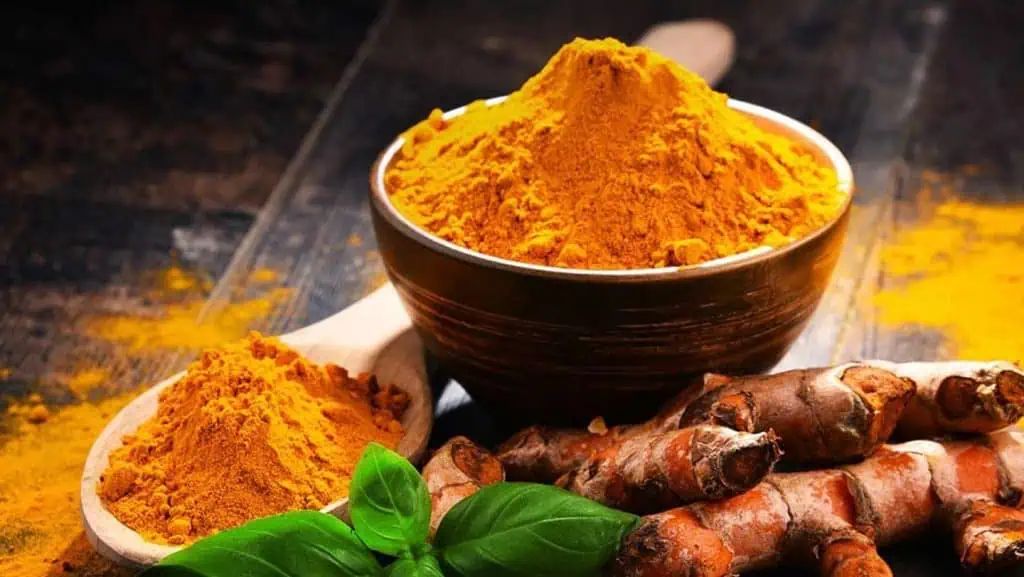
Turmeric, an earthy, golden spice, has been prized for its anti-inflammatory properties. Its active compound, curcumin, pairs beautifully with black pepper, which enhances its bioavailability. A staple in Indian cuisine, turmeric can be used to add depth to curries or roasted vegetables. For a soothing beverage, simmer turmeric with milk, honey, and pepper to create a warming golden latte. Its vibrant color and distinct taste bring a unique dimension to any dish, while its health benefits are an added bonus.
Onions: Cough Suppressant
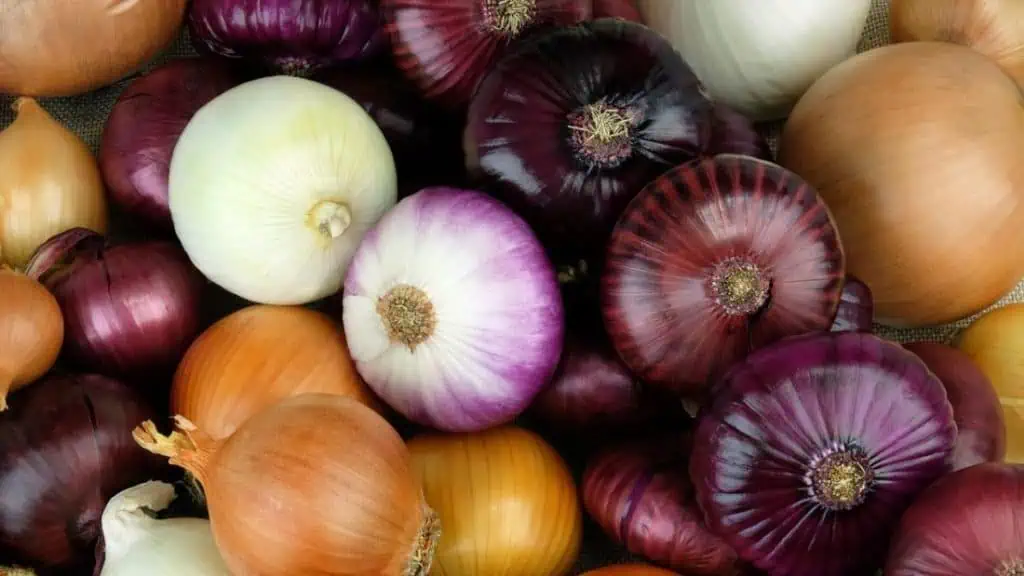
Onions have been used as a natural remedy to suppress coughs and alleviate respiratory ailments. Their robust, savory flavor creates the foundation of countless recipes. Slow-cooking onions transforms them into a caramelized delight, perfect for soups and stews. For a simple home remedy, a syrup made from onions and honey can offer soothing relief. Slice onions thinly to ensure even cooking, and consider their raw pungency to add sharpness to salsas or salads. Their versatility and healing properties make them indispensable in the kitchen.
Mustard: Treating Respiratory Issues

Mustard seeds, known for their pungent spice, have been used to treat respiratory issues. Ground into mustard paste, they impart a distinct heat that elevates dressings and marinades. Create a spicy mustard by combining ground seeds with vinegar and honey, perfect for glazing meats or as a condiment. For a soothing poultice, mustard powder can be mixed with water and applied externally. Its bold flavor profile, whether whole, powdered, or mixed into a paste, provides both culinary and medicinal benefits.
Almonds: Cholesterol Buster

Almonds, rich in healthy fats and antioxidants, have been recognized for their ability to lower cholesterol levels. Their subtle, nutty flavor enhances both sweet and savory dishes. Use toasted almonds to add crunch to salads or as a topping for yogurt and desserts. When ground into a soft flour, almonds provide a gluten-free alternative perfect for baking. Incorporate them whole or slivered, ensuring toasting to intensify flavor. Their nutritional benefits and versatility make almonds a staple for heart-healthy cooking.
