
8 Rare Food Traditions Around the World Still Thriving Today
In a world of fast food and globalized diets, a handful of ancient food customs still survive quietly practiced by communities that value tradition over convenience. These rare culinary rituals may seem unusual to outsiders, but they’re deeply rooted in history and culture. Each dish or practice tells a story of resilience, identity, and respect for nature. Here are eight remarkable food traditions still thriving today.
Drinking Cattle Blood: Maasai, Kenya & Tanzania
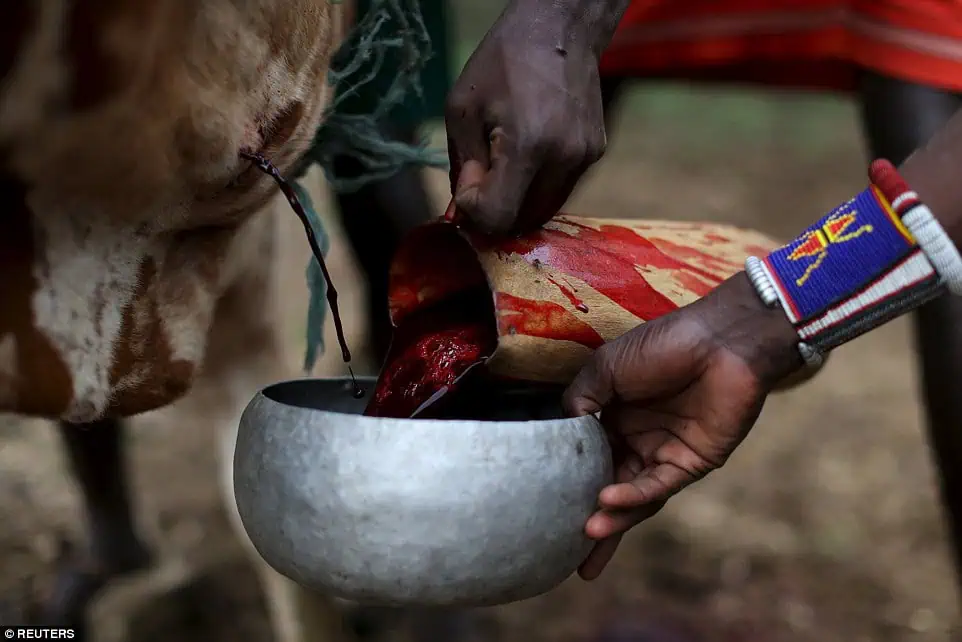
For the Maasai people, drinking fresh cow’s blood mixed with milk is both sacred and nutritional. The practice symbolizes vitality and community, often performed during weddings, warrior initiations, and healing ceremonies. Blood is carefully drawn from the animal’s neck without harm, then mixed with milk for nourishment. Far from a novelty, it remains a living symbol of Maasai identity and respect for livestock.
Feasting with the Dead: Toraja, Indonesia

In Sulawesi’s Toraja region, families keep deceased relatives at home for months, offering them daily meals as if they were still alive. This ritual reflects their belief that death is a gradual transition, not a sudden end. When the grand funeral feast, Rambu Solo, finally takes place, hundreds gather to share food and honor the departed. It’s one of the most striking examples of how cuisine and spirituality intertwine.
Fios de Ovos: Portugal and Beyond
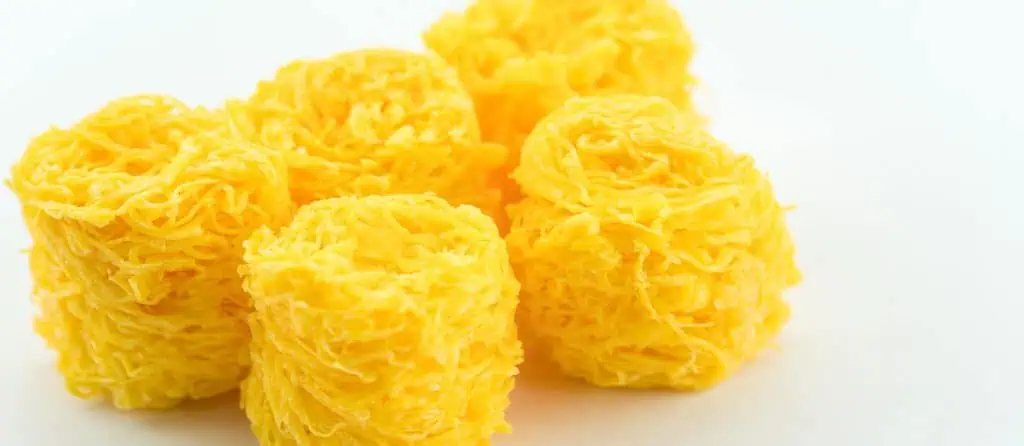
Fios de Ovos, meaning “egg threads,” is a Portuguese dessert made by drizzling egg yolks into boiling sugar syrup to form silky golden strands. Once a delicacy for royalty, it spread through Portugal’s former colonies inspiring sweets like Thailand’s Foi Thong and Malaysia’s Jala Mas. Its survival across continents shows how colonial history transformed a convent creation into an enduring culinary art.
Milking Snails for Purple Dye: Oaxaca, Mexico
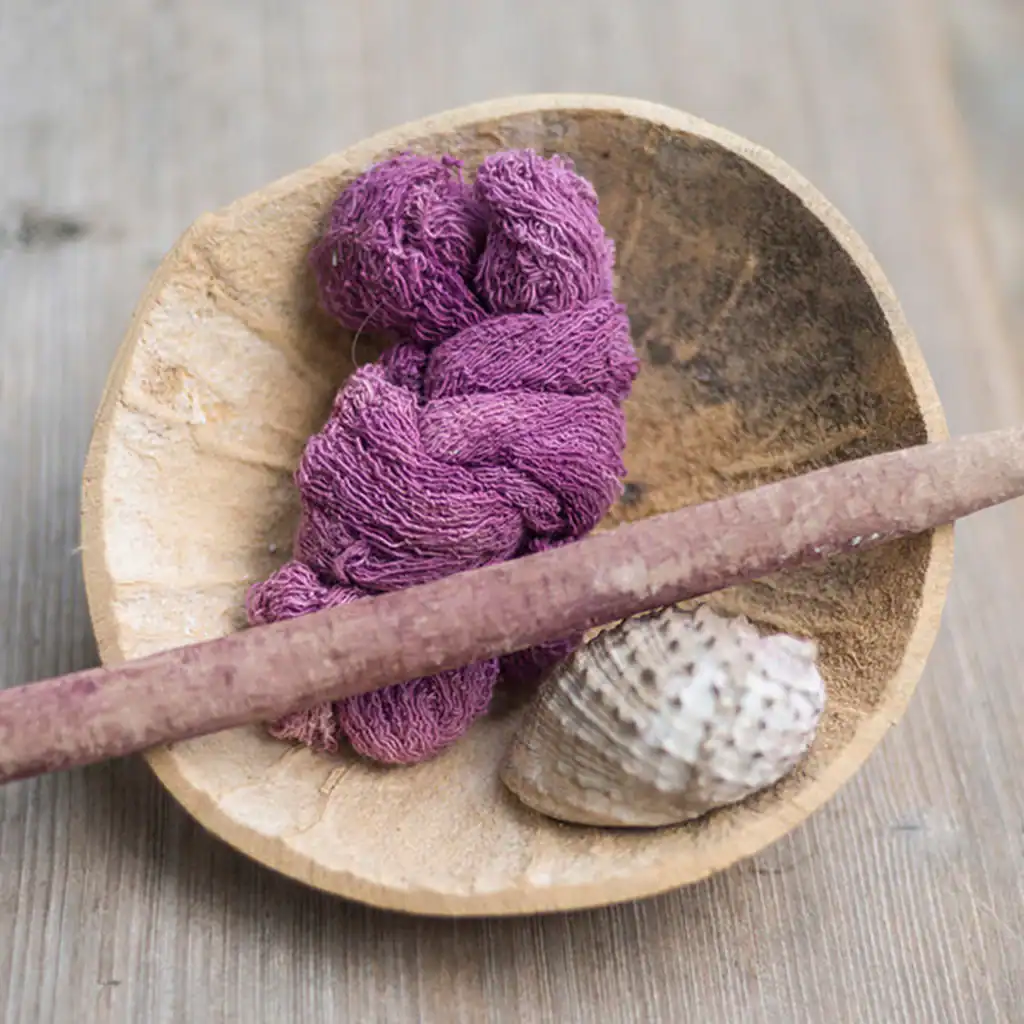
In the Mixtec region of southern Mexico, artisans still “milk” live snails to extract a rare purple secretion used for dyeing textiles. Known as tintorería, this ancient practice requires patience and care each snail is gently coaxed to release pigment, then returned unharmed to the sea. It’s one of the world’s few remaining natural purple dye sources, linking environmental respect to indigenous artistry.
KFC Christmas Tradition: Japan
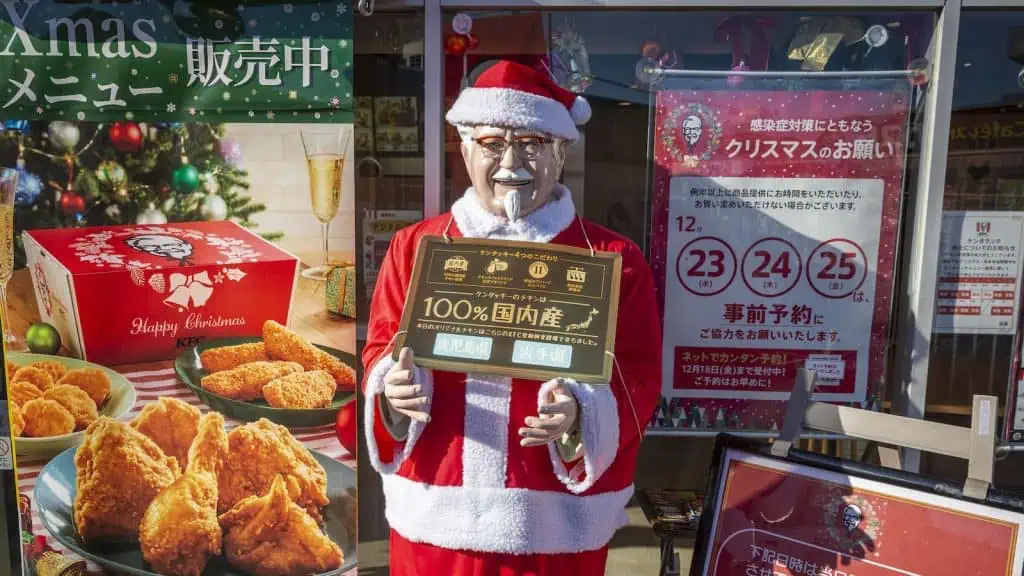
In Japan, Christmas dinner means one thing: fried chicken. Since the 1970s, KFC has become the go-to holiday meal after a brilliant marketing campaign convinced families that “Kentucky for Christmas” was a Western tradition. Every December, customers pre-order buckets weeks in advance. What began as clever advertising is now a genuine Japanese custom that proves how modern traditions can take root through food.
Balut: Philippines
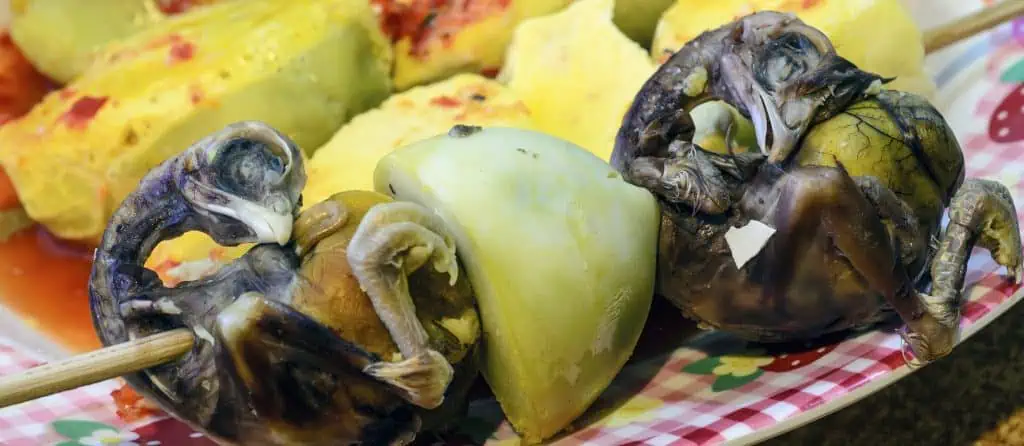
Balut, a fertilized duck egg with a partially developed embryo, is one of Southeast Asia’s most enduring street foods. Boiled and eaten warm with a pinch of salt, it’s a dish rich in protein, folklore, and cultural pride. While outsiders may hesitate, locals savor it as comfort food a flavorful reminder of heritage that connects generations through shared taste and ritual.
Shirouo no Odorigui: Japan

Known as “dancing ice fish,” this rare Japanese delicacy involves eating tiny live fish served in cold water. Diners catch the translucent fish with chopsticks and swallow them whole, feeling them “dance” on the tongue. The practice is seasonal, celebrated in small fishing towns each spring. It’s both culinary and performative a fleeting, intimate connection between food, freshness, and tradition.
Surströmming: Sweden
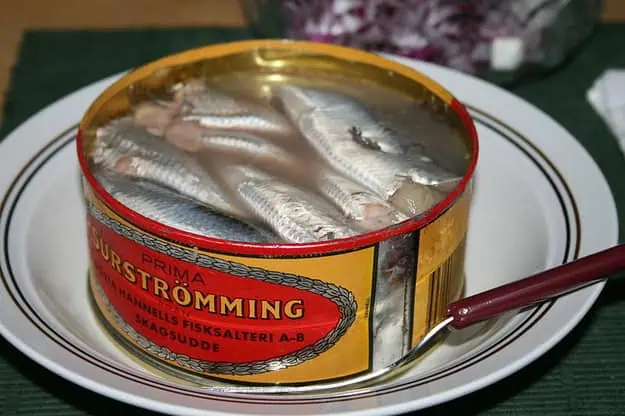
In northern Sweden, fermented Baltic herring known as Surströmming has been eaten for centuries despite its famously pungent aroma. The fish ferments in brine for months, developing a strong flavor cherished by devotees. Traditionally enjoyed outdoors with flatbread, onions, and potatoes, this dish embodies Swedish resilience and the ability to celebrate even the boldest flavors. It’s an acquired taste but one worth preserving.
