
Inside Olympic Meals: What Athletes Are Really Eating at the 2026 Winter Games
Athletes competing in the 2026 Winter Games are meticulously fueling their bodies for peak performance. The meals designed for these Olympians are crafted with precision, emphasizing nutrition that supports endurance, recovery, and strength. Chefs in the Olympic Village collaborate with nutritionists to create dishes that are as diverse as they are functional. Each meal is rich with fresh, high-quality ingredients, tailored to meet the demands of intense physical exertion. Understanding these meals offers insight into how top athletes maintain their competitive edge.
Breakfast Fuel: Morning Routines of Champions
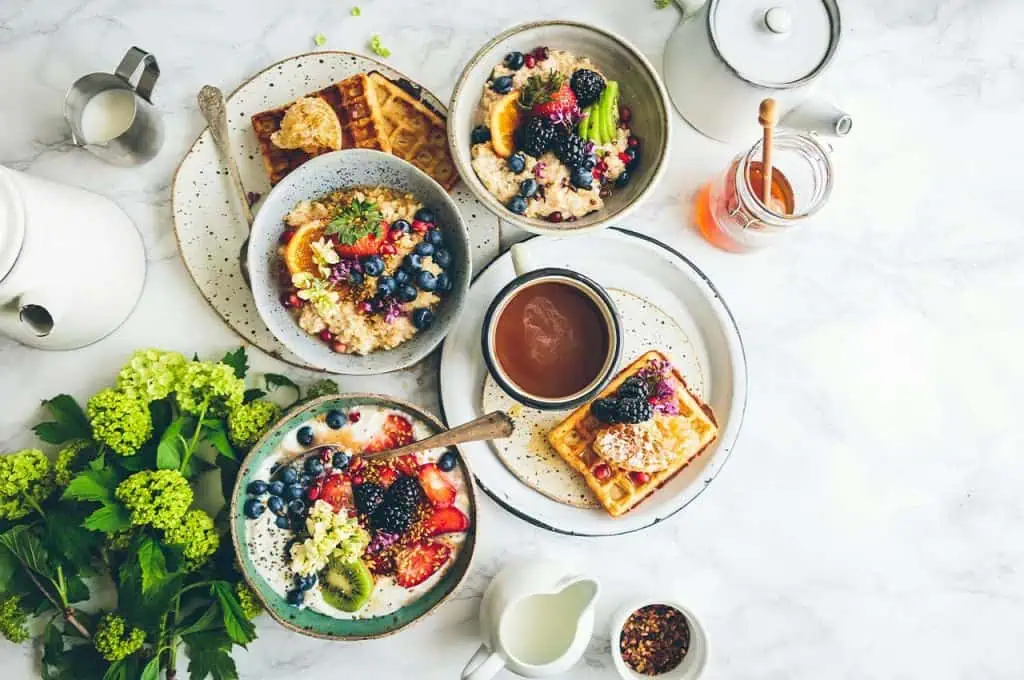
To kickstart their day, athletes embrace breakfasts packed with nutrients to energize their mornings. Balance is key, with a focus on complex carbohydrates, lean proteins, and healthy fats. Meals often feature oatmeal with nuts and berries, offering slow-release energy, alongside poached eggs on whole-grain toast for protein. A side of fresh fruit like bananas or oranges provides essential vitamins. This strategic combination helps sustain energy levels during morning training sessions, ensuring athletes are primed and ready to tackle the day’s challenges.
Protein Power: Muscle Recovery in Action
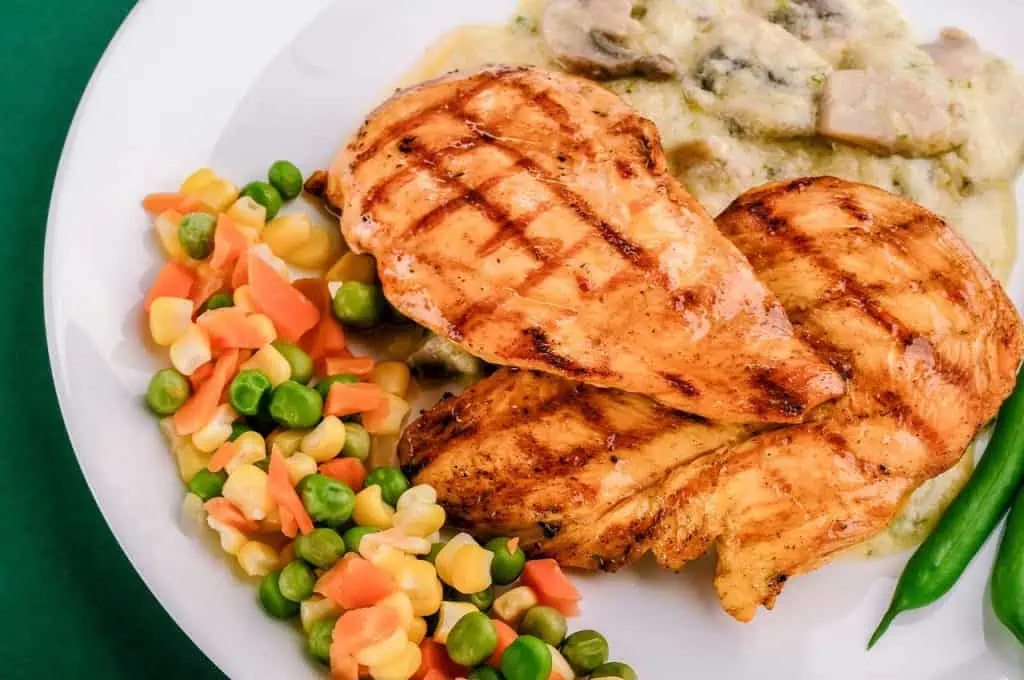
Post-training meals are rich in high-quality, easily digestible proteins to aid in muscle recovery and growth. Grilled chicken, lean beef, and fish such as salmon take center stage, often paired with quinoa or sweet potatoes. These dishes are seasoned with herbs and spices that enhance flavor without adding excess sodium. Also popular are protein-rich plant-based options like chickpea stew or lentil salads, appealing to a diverse dietary range. These meals are meticulously balanced to ensure essential amino acids replenish muscle tissue efficiently.
Carb Loading: Pasta, Rice, and Beyond
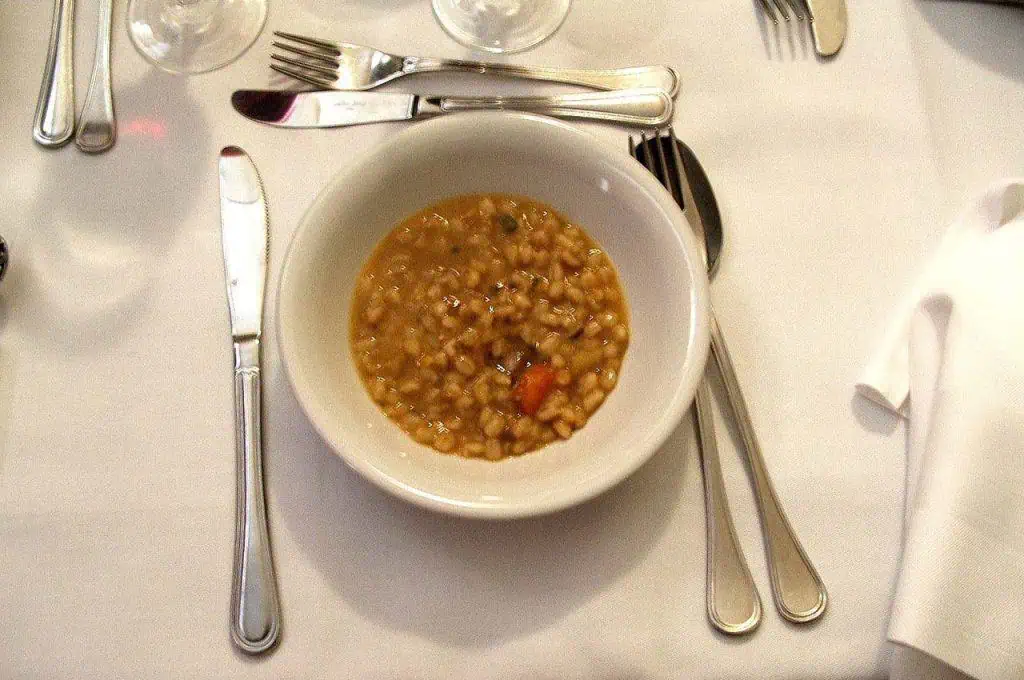
Athletes preparing for endurance events prioritize carbohydrate intake to maximize glycogen stores. Options extend beyond traditional pasta and rice to include whole grains like farro or barley. These ingredients are combined with vibrant vegetables and lean proteins to form a complete, nourishing meal. The dishes are designed to be hearty yet digestible, optimized to provide sustained energy without heaviness. Chefs incorporate a variety of sauces, tomato-based, pesto, or olive oil drizzles, to add depth and keep palates interested.
Plant-Powered Plates: Vegan Olympian Choices
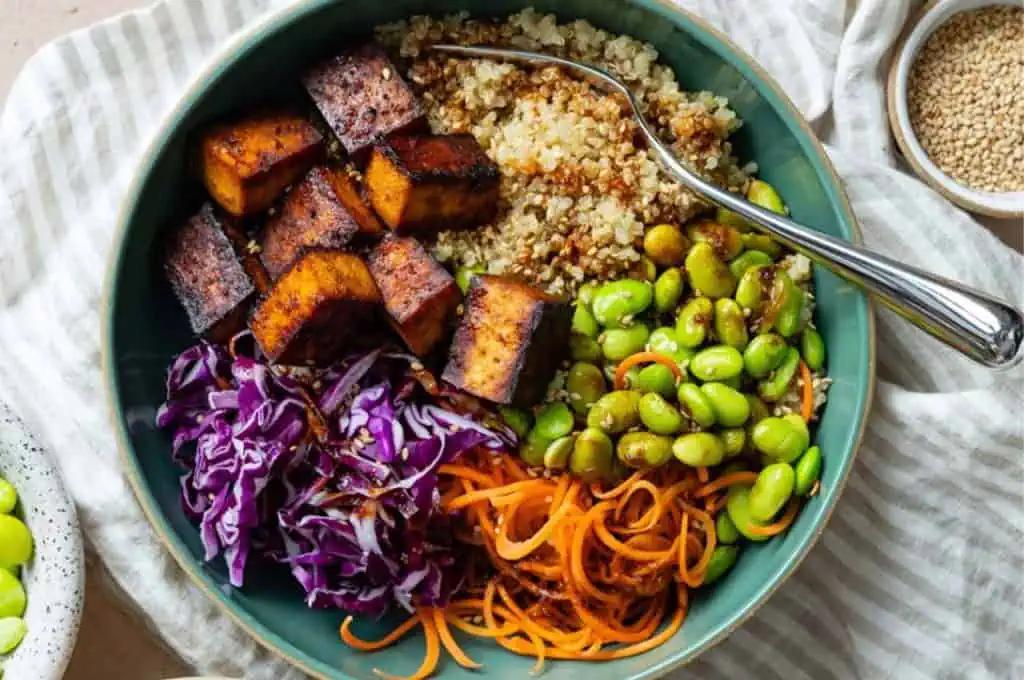
Vegan athletes at the Winter Games enjoy innovative, nutritionally complete meals. Staples such as quinoa bowls with an assortment of colorful vegetables, beans, and tofu are common. These dishes are crafted to deliver the necessary protein, iron, and calcium usually found in animal products, ensuring no nutritional gap. Creative use of spices, herbs, and dressings enhances flavor profiles, while grains and pulses provide substantial, satisfying heft. These thoughtfully prepared meals support both recovery and sustained energy for peak performance.
Get the recipe: Protein-Packed Vegan Tofu Quinoa Bowls
Snacks on the Go: Energizing Quick Bites
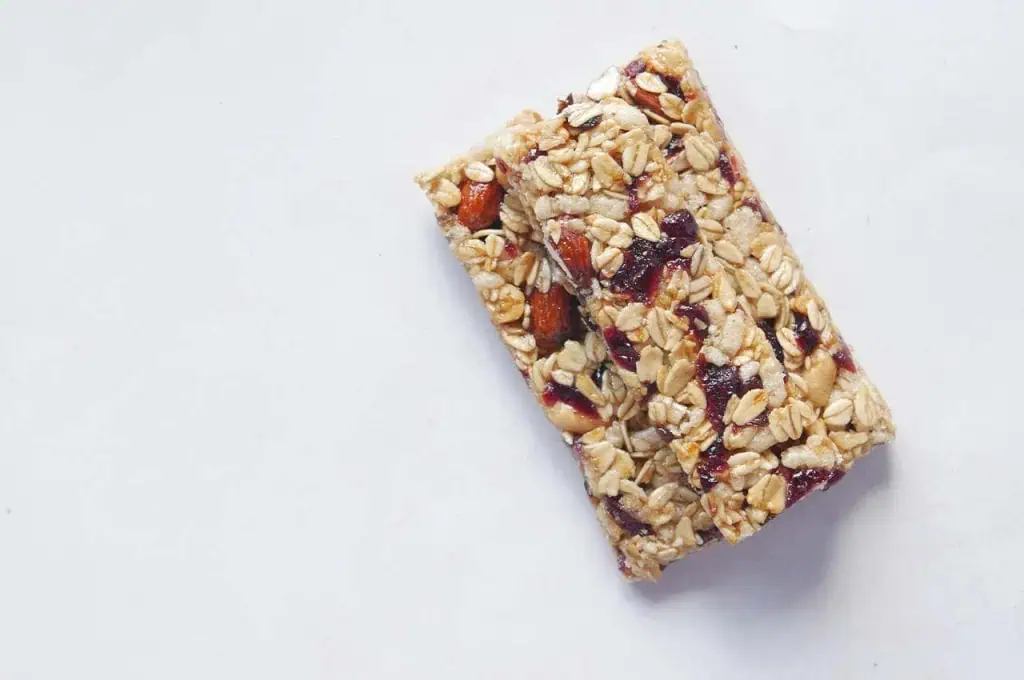
Olympic athletes require snacks that offer quick, sustainable energy to fuel their rigorous training and competition schedule. Portable and nutrient-dense options like homemade energy bars, combining oats, nuts, dried fruits, and honey, provide a perfect balance of carbohydrates, protein, and fats. These bars are easy to prepare, storing well for travel. Athletes also enjoy fresh fruit, like bananas and apples, which deliver vitamins and natural sugars. Nut butter packets offer a convenient boost of protein and healthy fats, rounding out these essential snacks.
Hydration Stations: Drinks to Keep Pace

Staying hydrated is crucial for peak performance, and athletes have access to a variety of beverages tailored to their needs. Electrolyte-infused sports drinks help replenish sodium and potassium lost through sweat, maintaining endurance. Coconut water serves as a natural alternative with added benefits of magnesium and calcium. Some athletes opt for protein shakes post-workout, blending their choice of protein powder with water or milk for muscle recovery. Herbal teas and infusions, like chamomile or ginger, provide calming, hydrating choices that aid digestion and relaxation.
Desserts and Comfort Foods: Sweet Success

Even athletes indulge in carefully crafted desserts that balance enjoyment with nutrition. Protein-rich desserts, like Greek yogurt parfaits layered with fresh berries and granola, offer a delightful treat without sacrificing dietary goals. Oatmeal cookies studded with dark chocolate and nuts provide a comforting, yet healthier alternative to traditional sweets. Comfort foods are also present in the form of lightened versions of favorites, such as whole-grain pasta dishes or potato gratin, which maintain flavor while being mindful of macronutrient distribution.
Get the recipe: Greek Yogurt Berry Parfaits
Cultural Cuisine: Host Nation’s Flavor Influence

The Winter Games in Italy bring a distinct Mediterranean flair to athletes’ meals, featuring local specialties. Authentic Italian pasta dishes, such as whole-grain gnocchi with tomato-basil sauce, highlight regional flavors while catering to dietary needs of competitors. Local cheeses, like Parmigiano-Reggiano, enhance dishes with rich umami notes. Olive oil, a staple in Italian cooking, adds healthy fats to salads and roasted vegetables. Athletes also enjoy Italian flatbreads and seafood, which combine cultural authenticity with balanced nutrition.
