
8 Foods That Were Once Medicine (and Still Might Be)
For centuries, food and medicine were one and the same, with healers prescribing everyday ingredients to cure ailments long before modern pharmaceuticals existed. Ancient Chinese texts praised garlic for its antimicrobial powers, while Hippocrates called vinegar a natural healing tonic. Today, research backs some of these traditions, like turmeric’s anti-inflammatory compounds and honey’s wound-healing properties, showing how the line between food and medicine still blurs.
Garlic: Nature’s Antibiotic
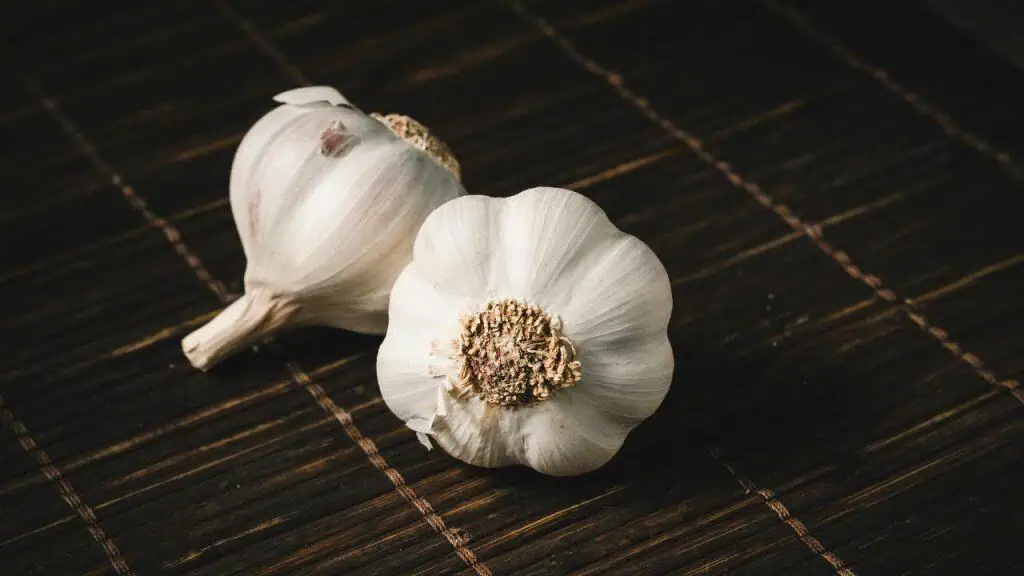
Garlic has earned its title as “nature’s antibiotic” thanks to allicin, a sulfur compound released when cloves are crushed or chopped. Allicin exhibits strong antibacterial and antiviral properties, helping the body fight infections. A 2014 review in The Cochrane Database found that garlic supplements reduced the risk of catching the common cold compared to placebo. Beyond immunity, garlic may also support heart health by lowering blood pressure and cholesterol, making it both medicine and meal.
Ginger: Soothing Stomach Ally
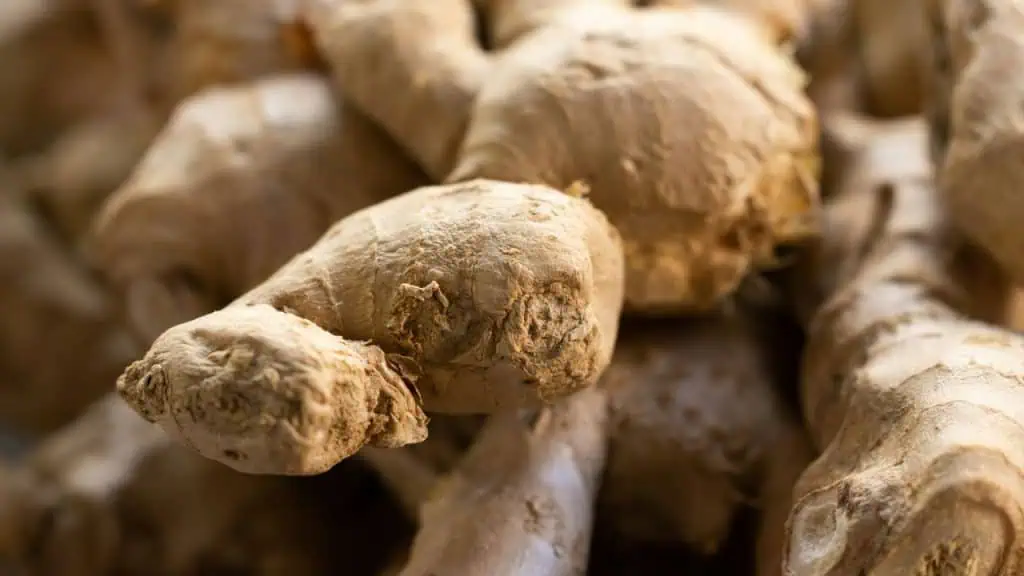
Ginger has long been used as a natural remedy for digestive troubles, with modern research backing its benefits. Its active compounds, gingerols and shogaols, help reduce nausea, bloating, and indigestion. A 2014 meta-analysis in Nutrition Journal confirmed ginger’s effectiveness in easing pregnancy-related nausea and motion sickness. Additionally, its anti-inflammatory properties support gut health and may even help protect against gastric ulcers, making it a true stomach ally.
Honey: Sweet Liquid Healing

Honey has been prized for its healing powers since ancient times, and modern science confirms why. Rich in antioxidants and natural antibacterial properties, it’s been shown to aid wound healing and fight infections. A 2018 review in Oxidative Medicine and Cellular Longevity highlighted honey’s role in reducing inflammation and supporting immune health. Its soothing qualities also make it a common remedy for coughs and sore throats, proving that this sweet liquid is more than just a natural sweetener.
Turmeric: Golden Anti-Inflammatory

Turmeric, long used in Ayurvedic and traditional medicine, is celebrated for its potent anti-inflammatory effects. Its active compound, curcumin, has been shown to reduce markers of inflammation and support joint health. A 2017 review in Foods found that curcumin may help manage conditions like arthritis and metabolic syndrome. With its antioxidant properties and immune-boosting potential, turmeric’s “golden” reputation as both spice and medicine continues to hold strong today.
Vinegar: Ancient Elixir of Health

Vinegar has been valued for thousands of years, from Hippocrates prescribing it for wounds to its use as a digestive aid in ancient civilizations. Modern research backs some of these traditions, studies in the Journal of Functional Foods highlight apple cider vinegar’s role in improving insulin sensitivity and moderating blood sugar spikes after meals. Its antimicrobial properties and potential benefits for heart health make vinegar a timeless “elixir” still relevant in today’s wellness routines.
Cinnamon: Sweet Spice, Powerful Remedy

Cinnamon has long been treasured not just for flavor but also for its medicinal potential. Ancient cultures used it to treat ailments, and today research supports its benefits. A study in the Journal of Medicinal Food found cinnamon can help lower fasting blood glucose and improve lipid profiles, making it useful in managing type 2 diabetes. Rich in antioxidants and anti-inflammatory compounds, this sweet spice continues to bridge the gap between kitchen staple and natural remedy.
Fennel: Digestive Savior
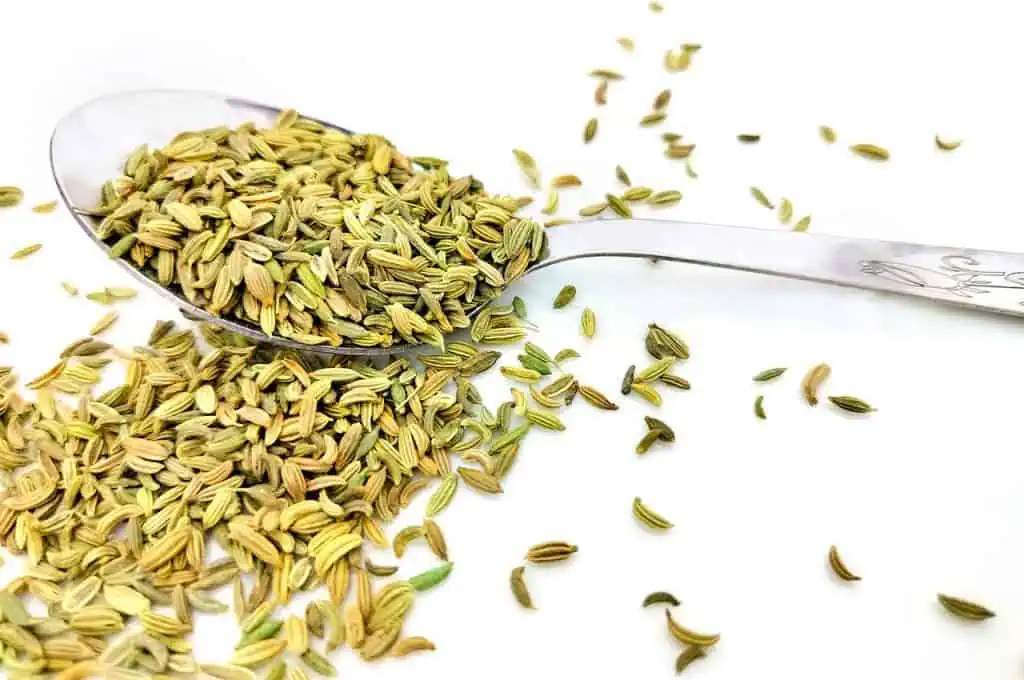
Fennel has been used for centuries as a natural aid for digestion, from soothing bloating to easing indigestion. Modern research backs this up, studies in the Journal of Food Biochemistry highlight fennel’s essential oils, like anethole, which help relax gastrointestinal muscles and reduce discomfort. Rich in fiber and antioxidants, fennel not only supports gut health but may also aid in reducing inflammation, making it a time-tested remedy with lasting relevance.
Green Tea: Energizing Antioxidant
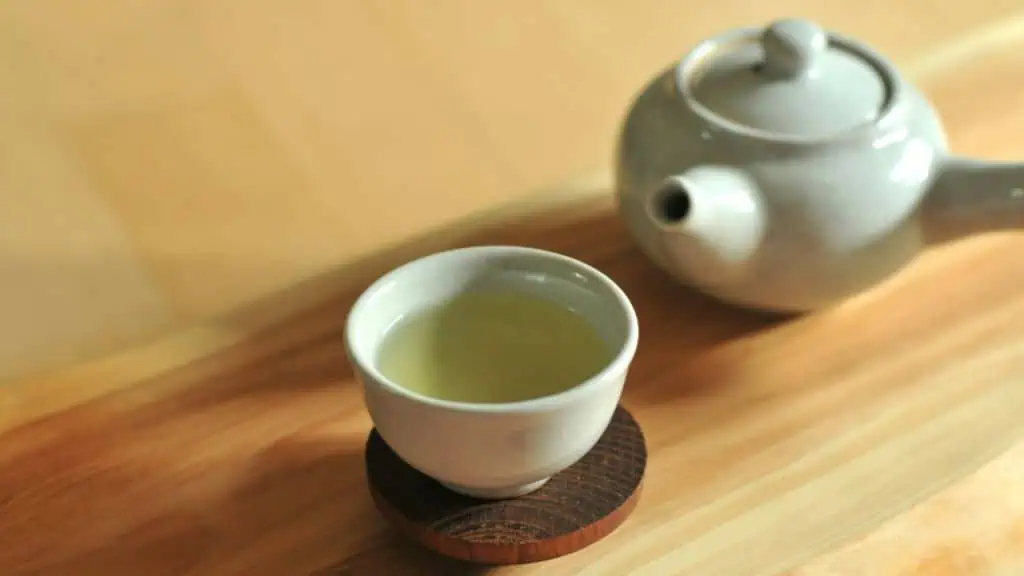
Green tea has long been prized as both a medicinal drink and daily ritual, offering a gentle energy lift without the jitters of coffee. Packed with catechins, especially epigallocatechin gallate (EGCG), it’s been linked to improved metabolism, heart health, and reduced risk of chronic disease. A review in the Journal of Nutritional Biochemistry highlights green tea’s antioxidant power, showing its role in protecting cells from damage while supporting focus, calm, and overall vitality.
