
8 Food Etiquette Rules Men Were Expected to Follow in the 1950s
In the 1950s, dining out wasn’t just about the meal; it was a reflection of character, upbringing, and social standing. Etiquette guides and family instruction emphasized specific rules men were expected to follow at the table, particularly on dates or formal occasions. Good manners signaled discipline, responsibility, and respectability. While some of these expectations still exist in a softer form, many feel overly rigid by modern standards. These eight food etiquette rules highlight how structured male dining behavior once was.
Always Standing When a Woman Arrived or Left

In mid-century dining etiquette, men were expected to stand whenever a woman approached or left the table, particularly in formal or public settings. The gesture symbolized attentiveness, protection, and traditional courtesy, reinforcing clearly defined gender roles of the era. Remaining seated could be interpreted as disrespectful or reflective of poor upbringing. While this practice still appears in certain formal or traditional environments, it is far less common today, as social norms have shifted toward equality and less rigid expressions of politeness at the table.
Ordering for the Table

During the 1950s, men were often expected to take charge of ordering, especially on dates or in mixed company. This included suggesting menu selections, choosing beverages, and sometimes placing the entire order with the server. Decisiveness and leadership were seen as reflections of confidence and responsibility. However, this custom also limited women’s autonomy in making personal choices. Contemporary dining culture now emphasizes shared decision-making, individual preference, and collaboration rather than one person directing the entire table’s experience.
Cutting Meat Before Conversation
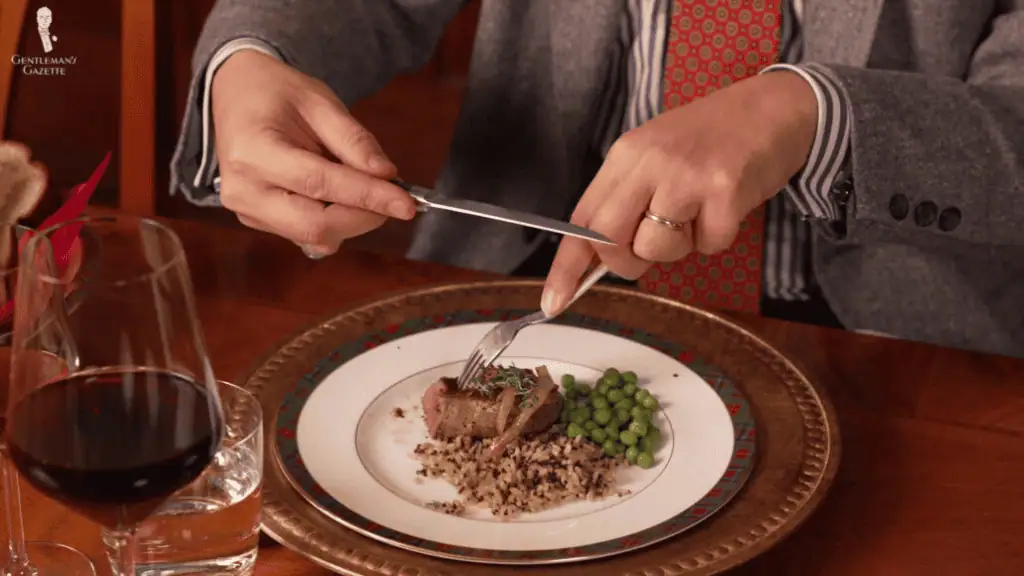
Mid-century etiquette manuals placed surprising emphasis on knife-and-fork precision. Men were expected to cut meat carefully, one bite at a time, rather than slicing everything in advance. The act signaled patience, control, and refinement. Speaking while chewing or showing visible enthusiasm over food was strongly discouraged, as composure was prioritized over expressiveness. Dining was viewed as a performance of discipline. While table manners still matter today, the intense scrutiny around cutting technique and rigid sequencing has largely softened. Modern dining tends to focus more on comfort and basic courtesy than on exact mechanical precision.
No Elbows on the Table
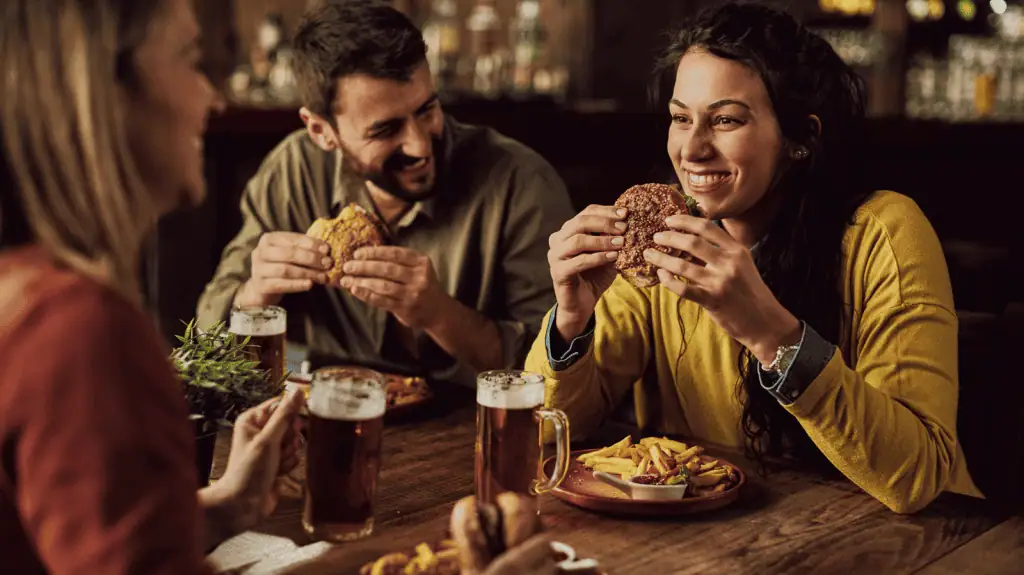
Keeping elbows off the table was treated as a fundamental rule of proper upbringing. Boys were often corrected repeatedly, as posture at the dinner table was believed to reflect overall character. The rule aimed to encourage upright seating, attentiveness, and formal presentation during meals. Resting elbows was associated with laziness or lack of refinement. Today, although formal events may still encourage good posture, casual dining rarely enforces such strict standards. In most modern settings, relaxed body language is accepted, and the once-firm boundary between “proper” and “improper” posture has eased significantly.
Offering to Pour Drinks
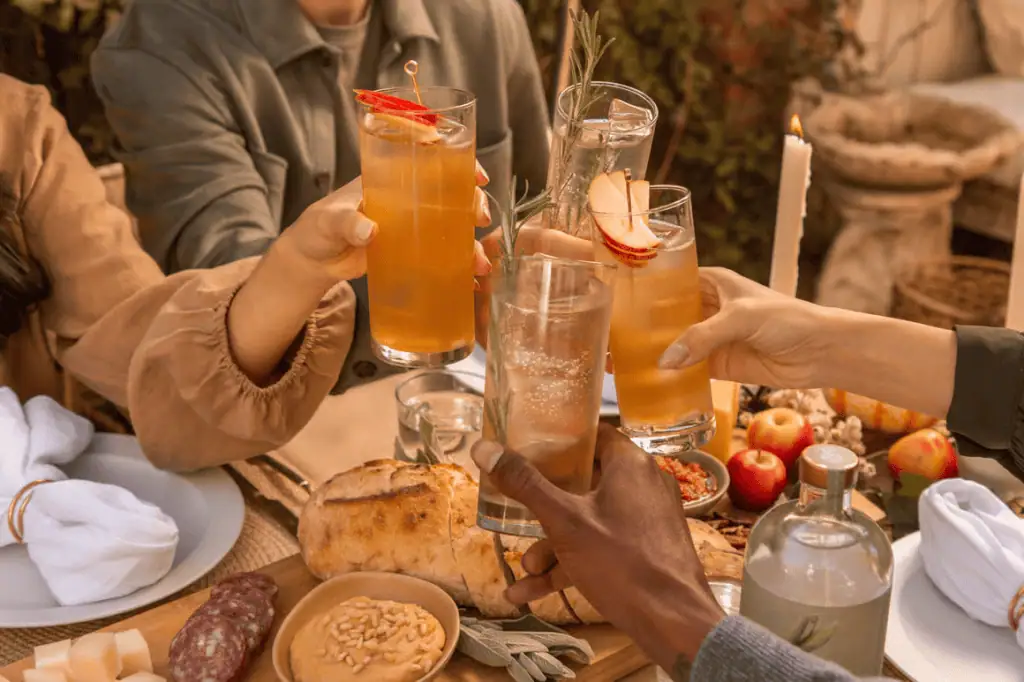
Men were traditionally expected to monitor drink levels and offer refills to women or older guests at the table. This gesture was framed as courteous and attentive, reinforcing the idea that men should act as considerate hosts. The practice reflected broader social norms about chivalry and protective behavior. In contemporary restaurants, servers typically manage beverage refills, and shared responsibility is more common in private gatherings. While attentiveness is still appreciated, the expectation that one person, particularly the man, must oversee drinks has largely faded in favor of more balanced social dynamics.
Avoiding “Messy” Foods on Dates

Etiquette advice frequently warned men against ordering foods that were difficult to eat neatly, especially on dates. Ribs, heavily sauced dishes, or anything requiring hands-on effort were considered risky choices. Clean presentation and controlled movements were seen as indicators of refinement and self-discipline. Dining was less about enjoyment and more about impression management. Today, authenticity and comfort often outweigh strict neatness rules, particularly in casual settings. Many modern diners prioritize shared experience over perfection, making food choices more about preference than about adhering to rigid expectations.
Speaking to the Host First

In formal gatherings, men were expected to greet, acknowledge, and thank the host before fully engaging with the meal. Recognizing hospitality signaled gratitude, respect, and social awareness. Skipping this step could be interpreted as self-centered or poorly mannered. The ritual reflected a structured social order where hierarchy and courtesy were carefully observed. While expressing appreciation remains important today, contemporary gatherings typically prioritize relaxed conversation over strict sequences of interaction. Gratitude is often shown more casually, without the same emphasis on precise order or formal acknowledgment protocols.
Paying Attention to Pace

Matching the eating pace of others at the table was considered an important social skill. Men were encouraged not to finish too quickly or appear impatient, particularly when dining with women. Eating rapidly could signal greed or disregard for shared experience. Maintaining a steady, moderate pace reflected consideration and composure. While pacing remains a courtesy today, modern dining culture is less governed by rigid behavioral codes. Social awareness still matters, but individual comfort and natural rhythm are generally prioritized over strict adherence to formal timing expectations.
