
8 Cooking Shortcuts That Are Quietly Being Banned in Professional Kitchens
Even the best home cooks rely on shortcuts, but in professional kitchens those time-savers can sacrifice quality, safety, or consistency. As restaurants raise standards and diners expect fresher, more thoughtful dishes, many old habits are being quietly phased out. Chefs are committing to better ingredients, proper techniques, and more precise preparation. Here are the shortcuts that are disappearing from pro kitchens and why they’re no longer acceptable behind the scenes.
Pre-Mincing Garlic Days in Advance

Many kitchens used to rely on containers of pre-minced garlic to save time, but chefs now avoid this because garlic loses its potency quickly and becomes bitter as it oxidizes. Freshly chopped garlic releases richer aroma and cleaner flavor, which can make or break a dish. Professional kitchens now insist on prepping garlic daily or even to order to preserve maximum freshness.
Using Premade Stocks Instead of House-Made Broths
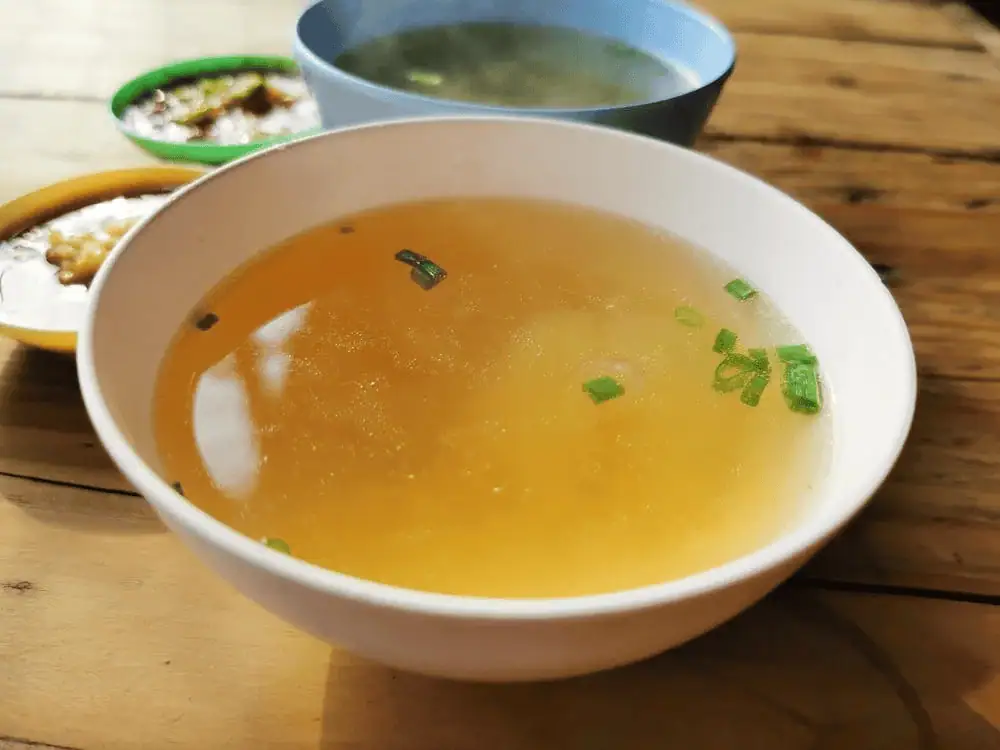
Boxed stocks were once used in busy restaurants for convenience, but modern kitchens consider them too flat, salty, or artificial-tasting. Chefs now prefer house-made broths simmered with bones, vegetables, and aromatics to add deeper, more complex flavor. These stocks become the foundation of soups, sauces, and reductions, meaning the quality dramatically affects the final dish.
Grilling Meat Straight from the Fridge
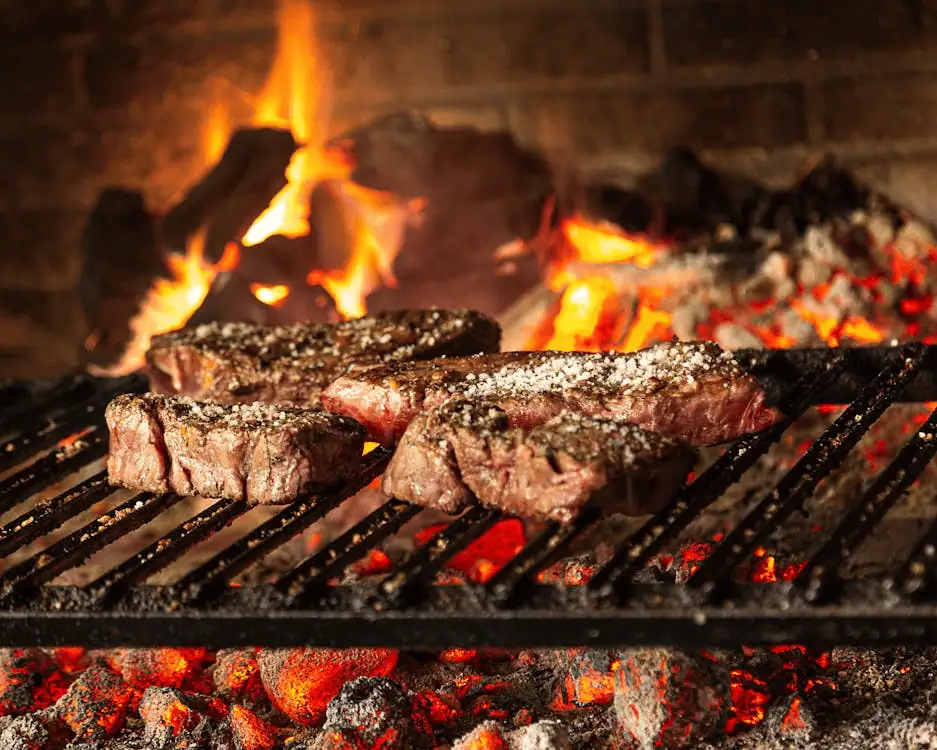
Pulling meat directly from the refrigerator and placing it on the grill was once seen as a harmless shortcut. Now, chefs avoid it because cold centers cook unevenly, leading to overdone exteriors and raw interiors. Letting meat rest to room temperature ensures better searing, moisture retention, and consistency. It’s a quality-focused habit replacing the rushed approach.
Relying on Pre-Shredded Cheese

Pre-shredded cheese saves time but often contains starches and anti-caking agents that prevent smooth melting. Professional kitchens increasingly ban it because it affects texture in sauces, pizzas, and gratins. Freshly grated cheese melts cleaner, tastes richer, and blends more reliably. Chefs say the difference is dramatic enough to make this shortcut unacceptable.
Using Frozen Herbs Instead of Fresh

Frozen herbs lose brightness and become mushy once thawed, creating muted or muddy flavors. In contrast, fresh herbs provide essential aroma and vibrancy that elevate sauces, salads, and garnishes. Many kitchens now prioritize fresh herb prep, even if it requires daily chopping. The payoff in freshness and presentation is worth abandoning the shortcut.
Par-Cooking Everything Ahead of Time

Partially cooking proteins or vegetables during prep used to be a major time-saver, but chefs now recognize that par-cooking can compromise texture and flavor. Reheating par-cooked food often yields rubbery, soggy, or dried-out results. Modern professional kitchens favor cooking items to order whenever possible, even if it means tighter workflow and more precise timing.
Overusing Sous Vide to Replace Proper Technique

Sous vide machines were once considered miracle tools, but some chefs have moved away from using them as a catch-all shortcut. While useful, relying solely on sous vide can produce predictable textures lacking sear, char, or complexity. High-end kitchens now blend precise cooking with traditional techniques like roasting, smoking, and open-fire grilling to develop fuller flavor.
Skipping Proper Resting Time for Meats

Professional cooks used to rush meat from pan to plate to keep orders moving. Today, chefs strictly enforce resting time because it dramatically improves juiciness and tenderness. Cutting into meat too soon releases precious moisture, making dishes drier and less flavorful. Resting is now seen as an essential technique, not an optional convenience.
