
8 Buffet Secrets Workers Say Most Diners Completely Miss
Buffets may look simple, just grab a plate and dig in, but workers say there’s far more happening behind the scenes than most diners ever notice. From strategic food placement to perfectly timed refills and clever presentation tricks, buffets are designed with intention. Here are eight insider secrets employees say most guests completely miss.
The Freshest Food Is Always at the Back

When choosing dishes from a buffet, savvy diners know that the freshest servings are often placed at the back of the tray. As the display gets replenished throughout service, staff typically add fresh food behind existing portions to maintain a full appearance. This approach reduces waste while ensuring guests receive hotter and more recently cooked offerings if they choose wisely. By reaching toward the back, you’re likely to indulge in peak texture and flavor.
Predictable Peak Refill Times
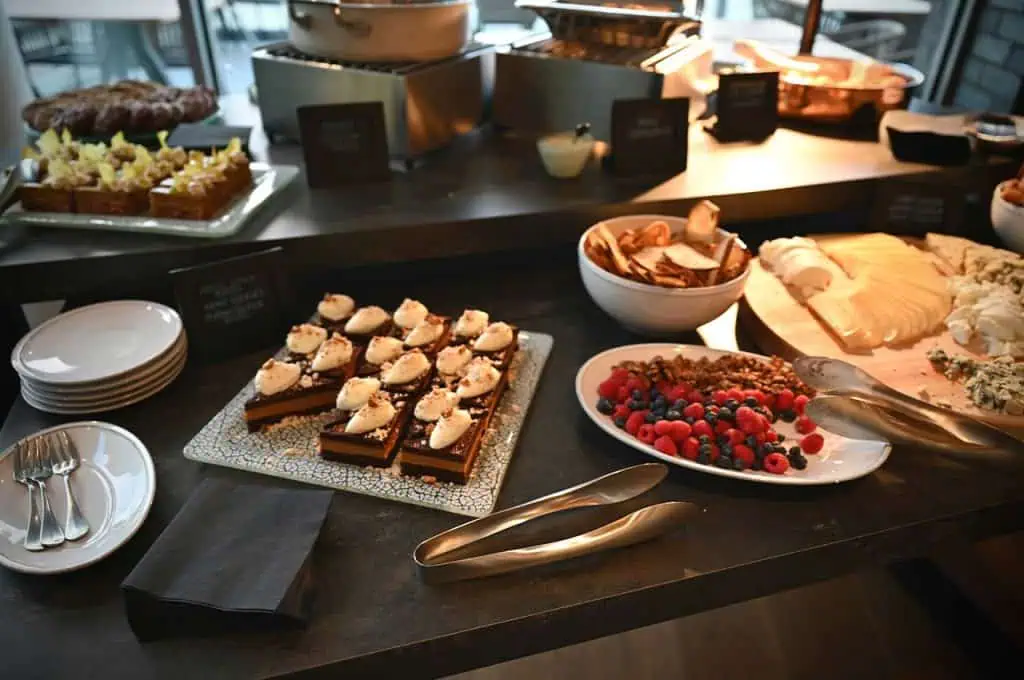
Buffet experts recognize that certain times of the day lead to more frequent food refreshes, usually when dining areas fill up. Lunch and dinner rushes are prime for fresh batches, often occurring around 12:30 PM and 7:00 PM, respectively. Visiting during these peak refill times increases your chances of sampling freshly prepared dishes, as staff work diligently to keep up with demand. Monitoring these rhythms can enhance the buffet experience substantially.
“Homemade” Dishes from Frozen Bags

Buffets often market dishes as “homemade,” yet many selections originate from high-quality frozen offerings. These prepped meals are designed to maintain flavor and consistency after heating. Understanding this practice helps diners manage expectations, as the focus should remain on taste and quality rather than preparation mythology. Embrace these dishes for their intended appeal, often cooked using standardized methods that yield reliable results consistently.
Popular Items Hidden in Plain Sight

Successful buffet navigation involves identifying popular dishes while avoiding congested serving lines. A strategic approach is to focus on secondary stations rather than central display areas. Often, crowd favorites like shrimp cocktails or carved meats find their niche at side tables or less conspicuous spots. By diverging slightly from natural traffic flow, diners can access these premium items with minimal wait, enhancing their dining expeditions with ease.
Workers Track Sneaky Diners

Buffet staff remain vigilant about maintaining integrity and portions, subtly monitoring diners who attempt to smuggle excess food or leftovers. Awareness of policies, such as no outside containers, helps ensure that everyone enjoys a fair share of what’s offered. Workers are trained to recognize and address these behaviors discreetly, so adhering to guidelines fosters a respectful dining environment. Remaining considerate harmonizes the collective buffet experience.
Carving Station’s Portion Control
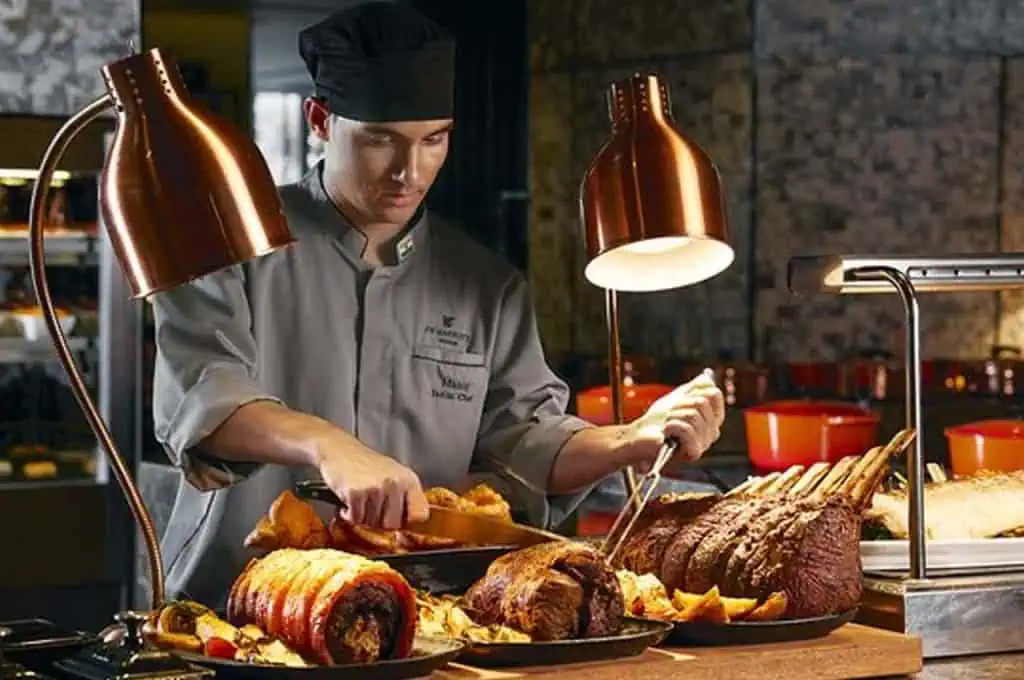
At the carving station, employing portion control is essential for maximizing meat quality and maintaining flavor balance. Carvers often use precise, angled cuts to ensure even slices, which helps in retaining juiciness and tenderness. By controlling the thickness of each slice, the station ensures that each guest receives a uniform experience, optimizing flavor distribution. This structured approach not only showcases the chefs’ skills but also enhances time management and resource allocation, making each slice as appealing as the next.
Clean Plates Aren’t Always on Top
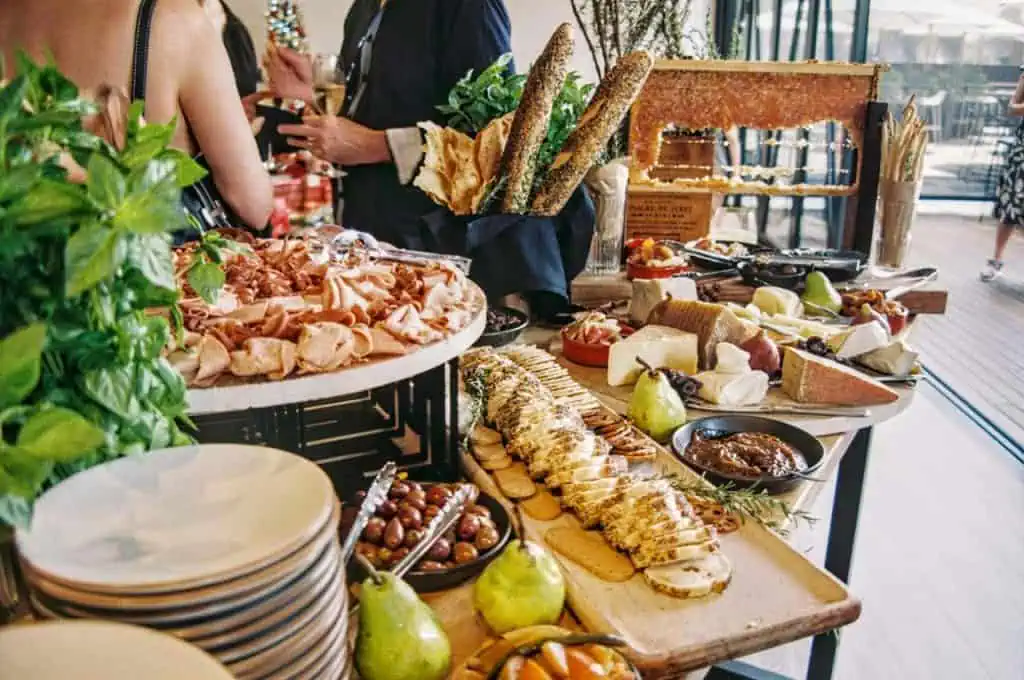
In a well-organized buffet, the art of plate stacking goes beyond mere tidiness. The freshest, cleanest plates are typically placed beneath the top layer to prevent them from cooling down too much. As diners reach for plates, they encounter slightly warmer options which help maintain the temperature of hot foods longer. This strategy ensures that food is presented beautifully and remains in its ideal state throughout the dining experience, offering both aesthetic and practical benefits that diners often overlook.
Lighting Tricks for Fresh-look Food
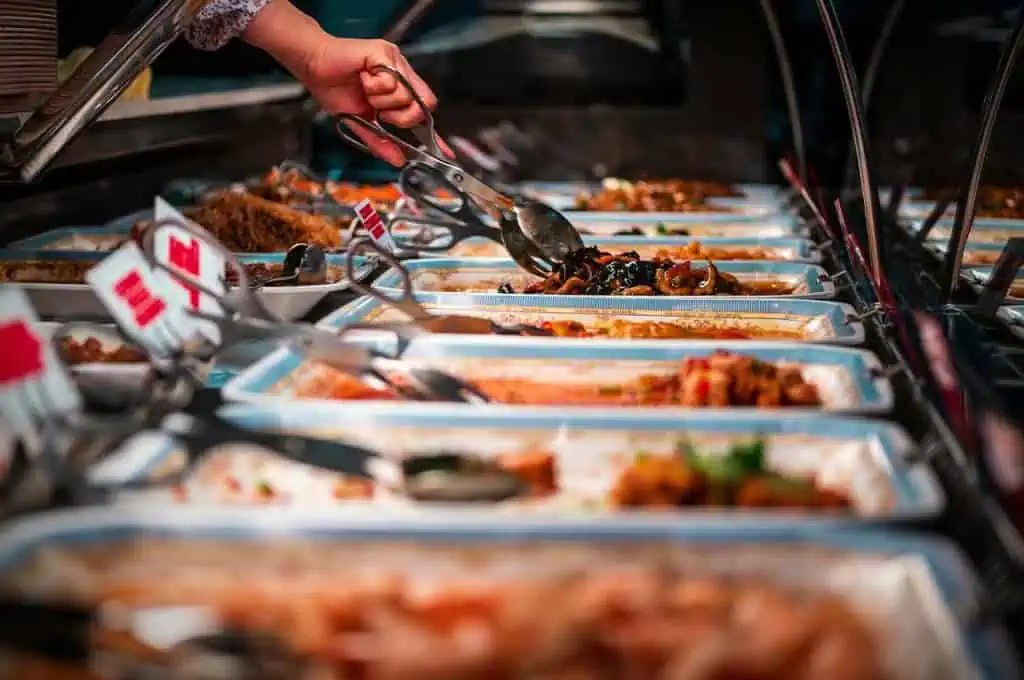
Strategically placed lighting plays a crucial role in how food is perceived at a buffet. Using warm, soft lighting enhances the natural colors of dishes, making vegetables appear more vibrant and meats juicier. This technique not only makes food more visually appealing but also emotionally primes diners for an enjoyable meal. LEDs with adjustable hues allow staff to subtly shift lighting as needed throughout service, ensuring each dish consistently looks inviting. This attention to detail is key to creating an engaging culinary atmosphere.
