
11 McDonald’s Myths Everyone Still Believes But Shouldn’t
When it comes to McDonald’s, myths and rumors often spread faster than the fries get served. From claims that burgers never rot to suspicions about secret ingredients, these stories spark curiosity, and sometimes unnecessary fear. But the truth is usually less dramatic and more rooted in science, process, and strict food safety standards. In this article, we’ll break down 11 of the most common McDonald’s myths and reveal the facts behind them, so you can separate sensational headlines from what’s really on your tray.
The Truth About Burgers Rotting
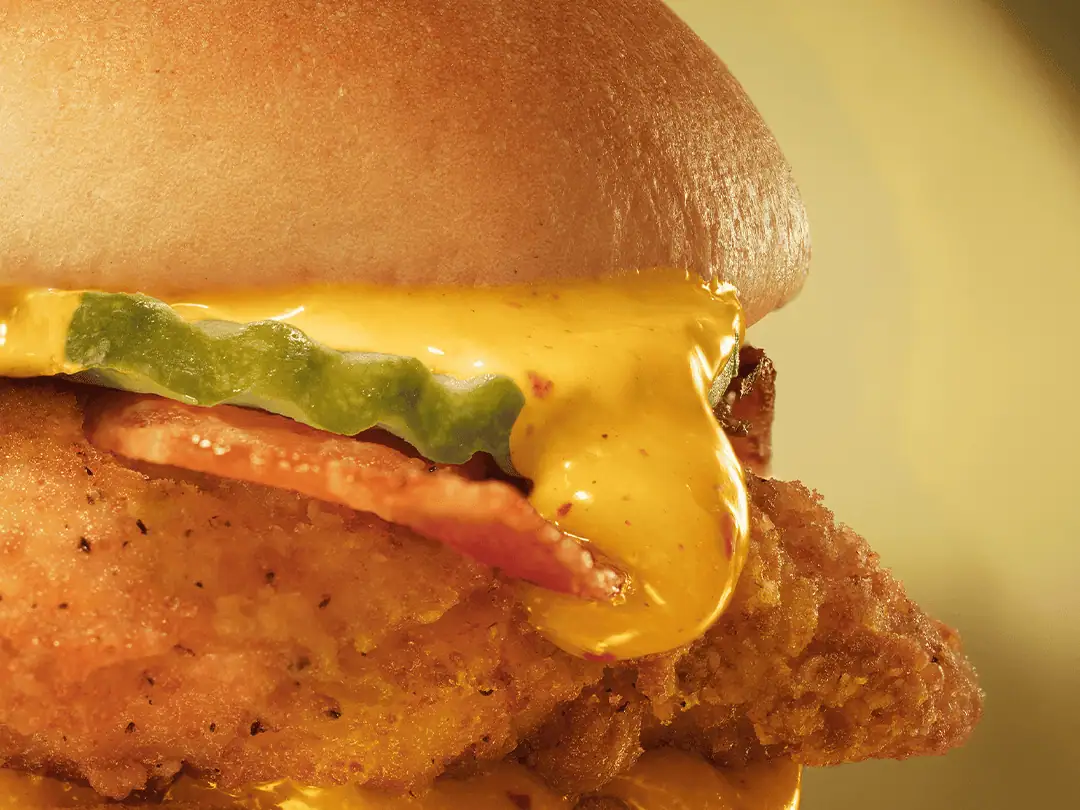
A prevailing myth suggests that McDonald’s burgers don’t rot like homemade burgers. In reality, this phenomenon results from moisture content and environmental factors, not preservatives. When moisture evaporates, the food can’t support mold growth. Both fast-food and home-cooked burgers will dry out under the right conditions. Understanding these factors can dispel the misconception and focus attention on how food preservation works, both naturally and artificially.
What’s Really in the Fries?
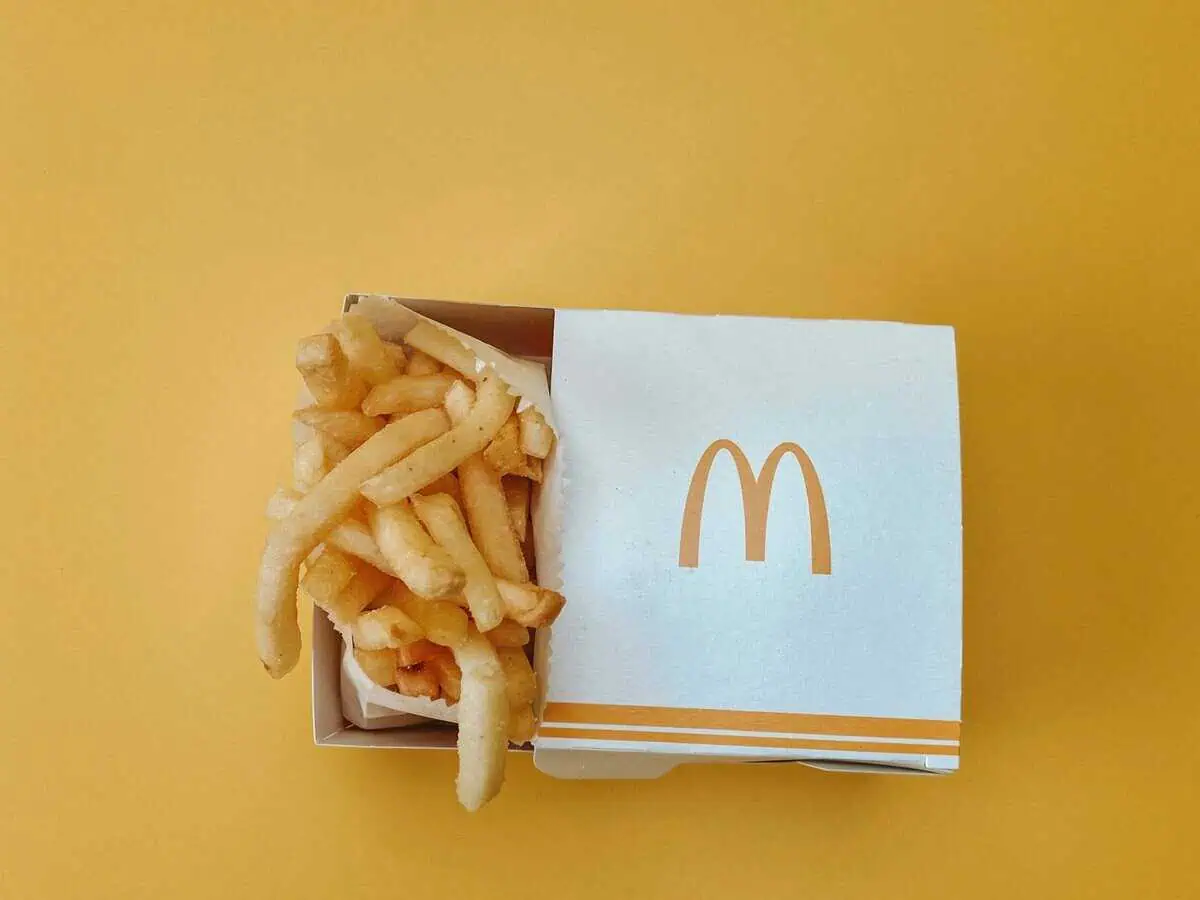
McDonald’s fries are often scrutinized for their ingredients. The truth is, they start with real potatoes. They’re cut, then partially fried and frozen to ensure consistency and crispiness. The cooking process involves vegetable oils, and a few preservatives are included to maintain texture and flavor. For those wondering about the taste, this process achieves a crispy exterior and fluffy interior, familiar to many and consistent across locations.
Is McDonald’s Beef 100% Real?
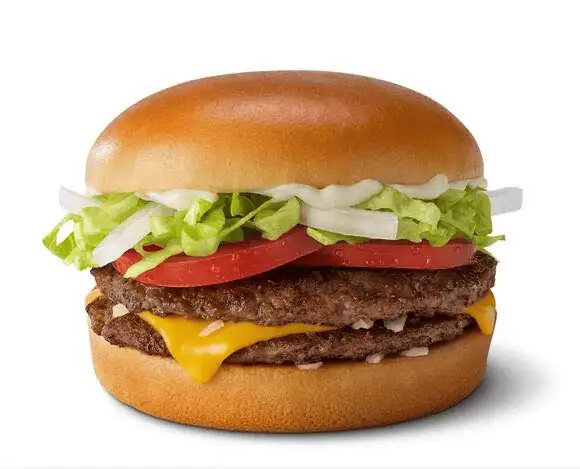
A common concern involves the authenticity of McDonald’s beef. The chain asserts their beef is 100% real, sourced from ranches in regions they operate. They use a blend of different cuts, cooked on a flat grill with minimal seasoning, primarily salt and pepper. This approach ensures a consistent flavor profile while making the most of quality beef, countering misconceptions about fillers or substitutes.
Ice Cream Machines: Busted Myths

The idea that McDonald’s ice cream machines are always broken stems from maintenance issues, not neglect. These machines require regular and complex cleaning cycles to meet health standards. Automated software updates and mechanical checks are frequent, which can temporarily halt operations. Understanding this routine maintenance helps clarify the operational hurdles in delivering consistent frozen treats.
Nutritional Value of McDonald’s Meals
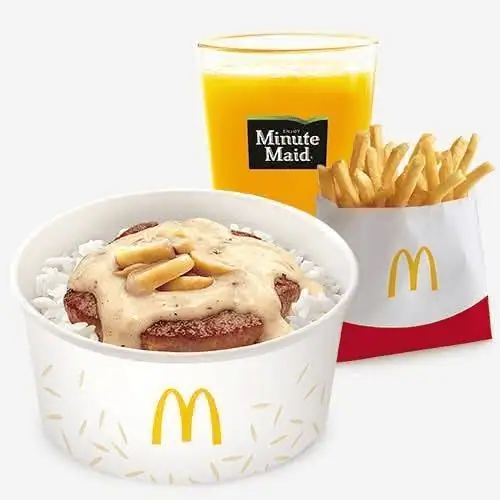
The nutritional content of McDonald’s meals is often misunderstood. While it’s true that many menu items are high in calories and sodium, there’s a range of options to suit different dietary needs. Items like salads, fruit, and various sides offer a lighter alternative. For informed choices, nutritional information is available, allowing diners to balance indulgence with mindful eating, dispelling myths of uniformly unhealthy offerings.
Do Employees Really Tamper with Food?
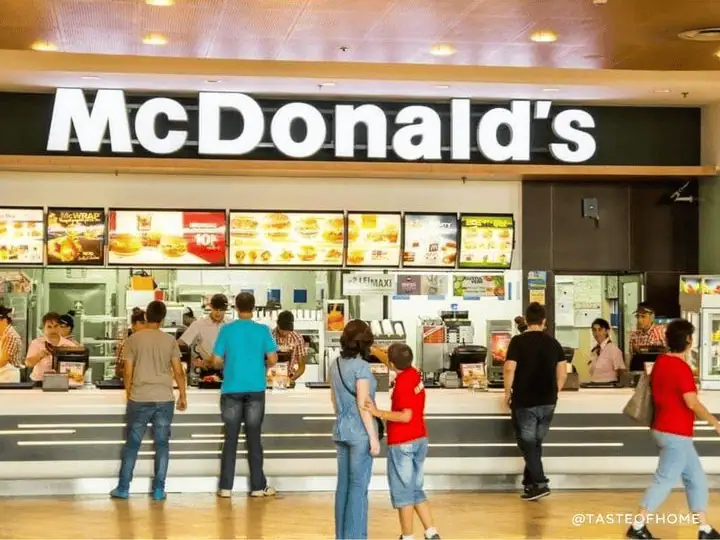
Concerns about employees tampering with food at fast-food establishments are largely unfounded. McDonald’s maintains strict hygiene protocols and continuous staff training to ensure food safety. Cameras monitor kitchen areas, underscoring the company’s commitment to quality control. Instances of tampering are extremely rare and heavily penalized, reinforcing a culture where staff adhere to high standards. Customers can order with confidence, knowing that systems are in place to protect their meals from any inappropriate handling.
Are Salads the Healthiest Pick?
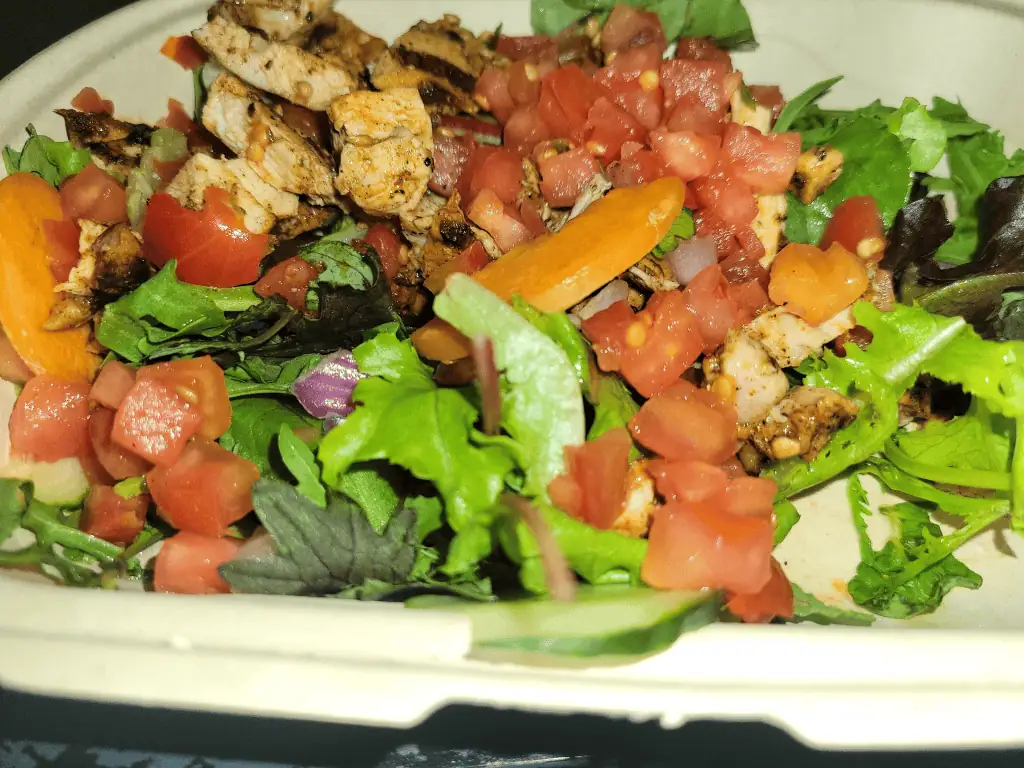
While McDonald’s salads can be a lighter option, it’s essential to evaluate their nutritional content. Dressings and toppings such as cheese and croutons can add significant calories and fats. Opting for grilled proteins over fried and choosing vinaigrettes rather than creamy dressings can make salads a healthier choice. Reading nutritional labels available in-store or online helps in making informed decisions. Health-conscious diners can find these adjustments beneficial in maintaining a balanced diet without foregoing flavor.
McDonald’s: Only Junk Food?
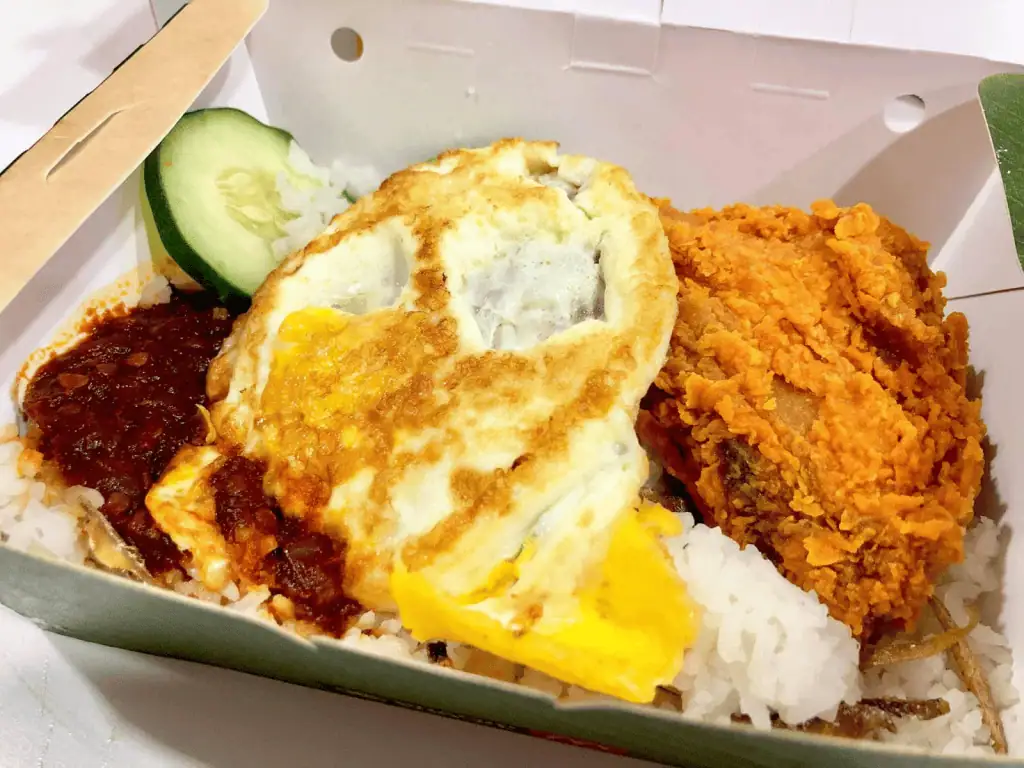
Labeling McDonald’s as solely a purveyor of junk food overlooks its evolving menu. The brand offers varied options catering to different dietary needs, including fruit sides, oatmeal, and grilled chicken. Customizable items allow patrons to reduce calorie intake or boost nutritional value. Nutrition information is readily accessible, empowering diners to make choices that align with their health goals. McDonald’s remains a convenient choice with offerings beyond traditional perceptions of fast food.
Is McDonald’s Coffee Really That Bad?

The notion that McDonald’s serves subpar coffee fails to acknowledge recent improvements and competitive pricing. Using 100% Arabica beans, the brand focuses on a smooth, balanced brew that appeals to everyday consumers. Regularly updated equipment and consistent training ensure quality across outlets. Customer feedback and competitive testing inform ongoing refinements, making McCafe a worthy choice for budget-conscious coffee drinkers seeking a reliable caffeine fix.
Unveiling the Mystery of the McRib
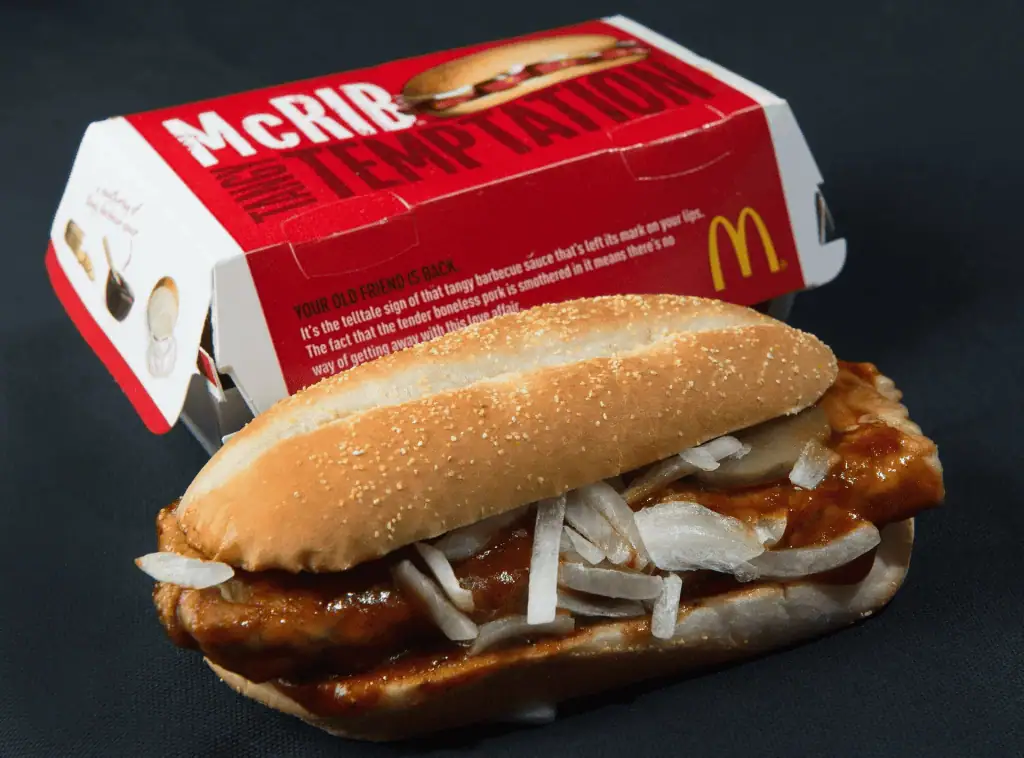
The McRib’s elusive presence on the menu often fuels wild speculation. Its composition, a boneless pork patty shaped to resemble ribs, is made from quality pork with a flavorful marinade and barbecue sauce. Supply variability and strategic marketing dictate its availability, not conspiracy. Pressed and seasoned, the patty delivers a tender texture with a sweet and tangy profile. The sandwich’s periodic return maintains public intrigue, amplifying its charm as a nostalgic, cult favorite.
Are Worms Hidden in Your Burger?
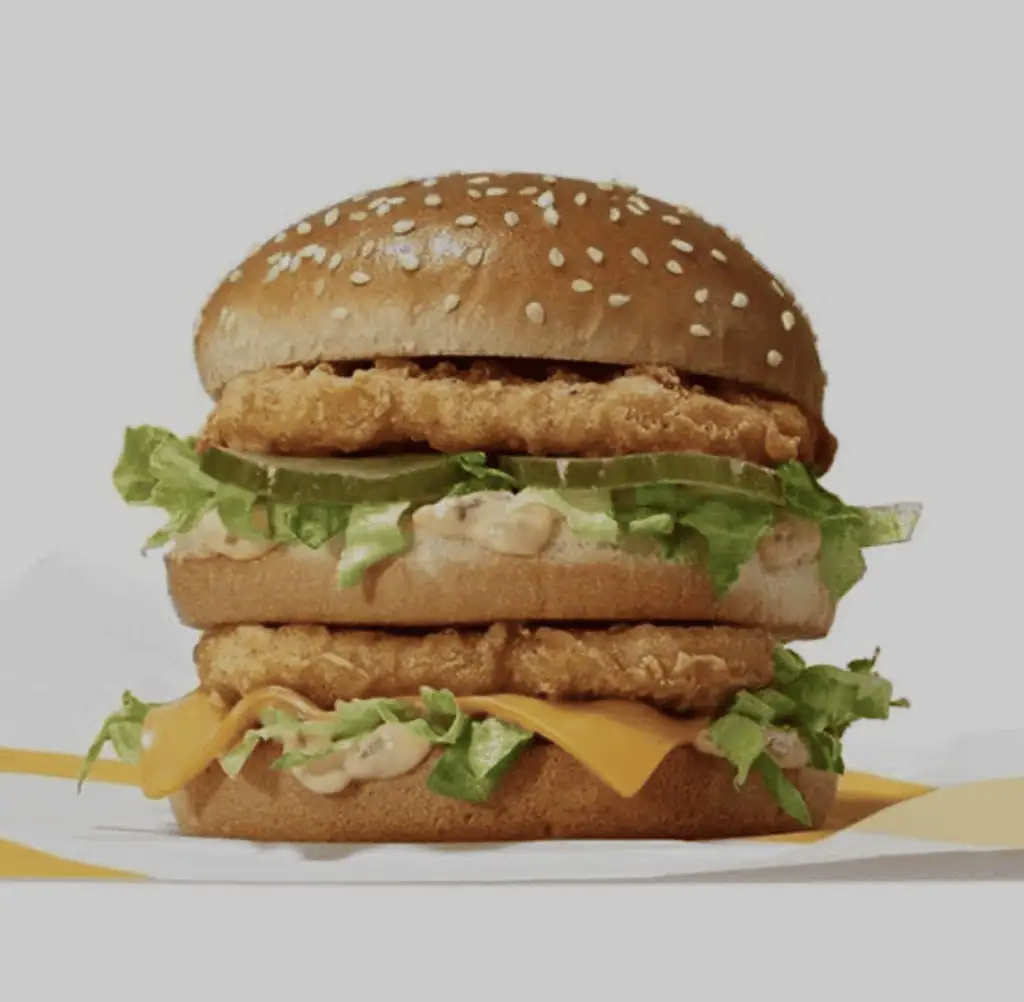
The idea that McDonald’s burgers contain worms is not only unappetizing but entirely unfounded. Their burgers are made from 100% pure beef, sourced from reputable suppliers who adhere to stringent safety standards. Understanding meat procurement practices can reassure concerned consumers. McDonald’s employs stringent quality checks, ensuring no foreign substances enter their food supply. For the home cook, recognizing the importance of sourcing high-quality meats from trustworthy suppliers aids in creating dishes with both integrity and taste. By focusing on quality ingredients, whether at home or from fast-food giants, confident cooking becomes second nature.
