
McDonald’s has finally changed the Filet-O-Fish: Here’s why
The Filet-O-Fish has been one of McDonald’s most recognizable sandwiches for decades, which is exactly why even a small change gets people talking. This latest update isn’t just about taste or presentation — it reflects bigger shifts in sourcing, customer expectations, and how legacy menu items stay relevant. Here’s what changed, and why McDonald’s finally made the move.
A classic sandwich gets a modern update

The Filet-O-Fish isn’t the kind of menu item McDonald’s usually tinkers with lightly. It has built a loyal following over generations, thanks to its soft steamed bun, square fish patty, tartar sauce, and that famously modest half-slice of cheese.
That’s what makes this change stand out. When a chain updates a sandwich this familiar, it usually means the decision goes beyond simple curiosity in the test kitchen.
For McDonald’s, the move signals a desire to keep a legacy item in step with how people think about food today. Familiar comfort still matters, but so do quality, sourcing, and whether a long-running favorite still meets modern expectations.
The biggest shift is behind the fish itself

What changed most isn’t necessarily what diners notice first in a single bite. The bigger story is tied to the fish supply itself, with McDonald’s emphasizing more responsible sourcing and long-term sustainability as a key reason for the update.
That matters because seafood has become a much bigger conversation in recent years. Customers increasingly want to know not just what they’re eating, but where it came from and how it was caught or processed.
By making changes around the Filet-O-Fish, McDonald’s is responding to pressure felt across the restaurant industry. It’s a way of protecting a dependable menu staple while also showing that even fast food has to answer tougher questions about its ingredients.
Customers care more about ingredients than they used to
A sandwich that once sold mostly on convenience now lives in a very different food culture. Today’s customers compare ingredient quality, freshness, and sourcing standards in a way that would have seemed unusual for fast food years ago.
McDonald’s has had to adapt to that shift across its entire menu, and the Filet-O-Fish is no exception. Even people who have loved it for years are more likely to notice texture, flavor balance, and whether the sandwich feels consistent with current standards.
That doesn’t mean the chain wants to reinvent the item completely. The goal is usually to preserve what people love while quietly updating the parts that now matter more to modern diners.
McDonald’s is protecting one of its oldest niche favorites
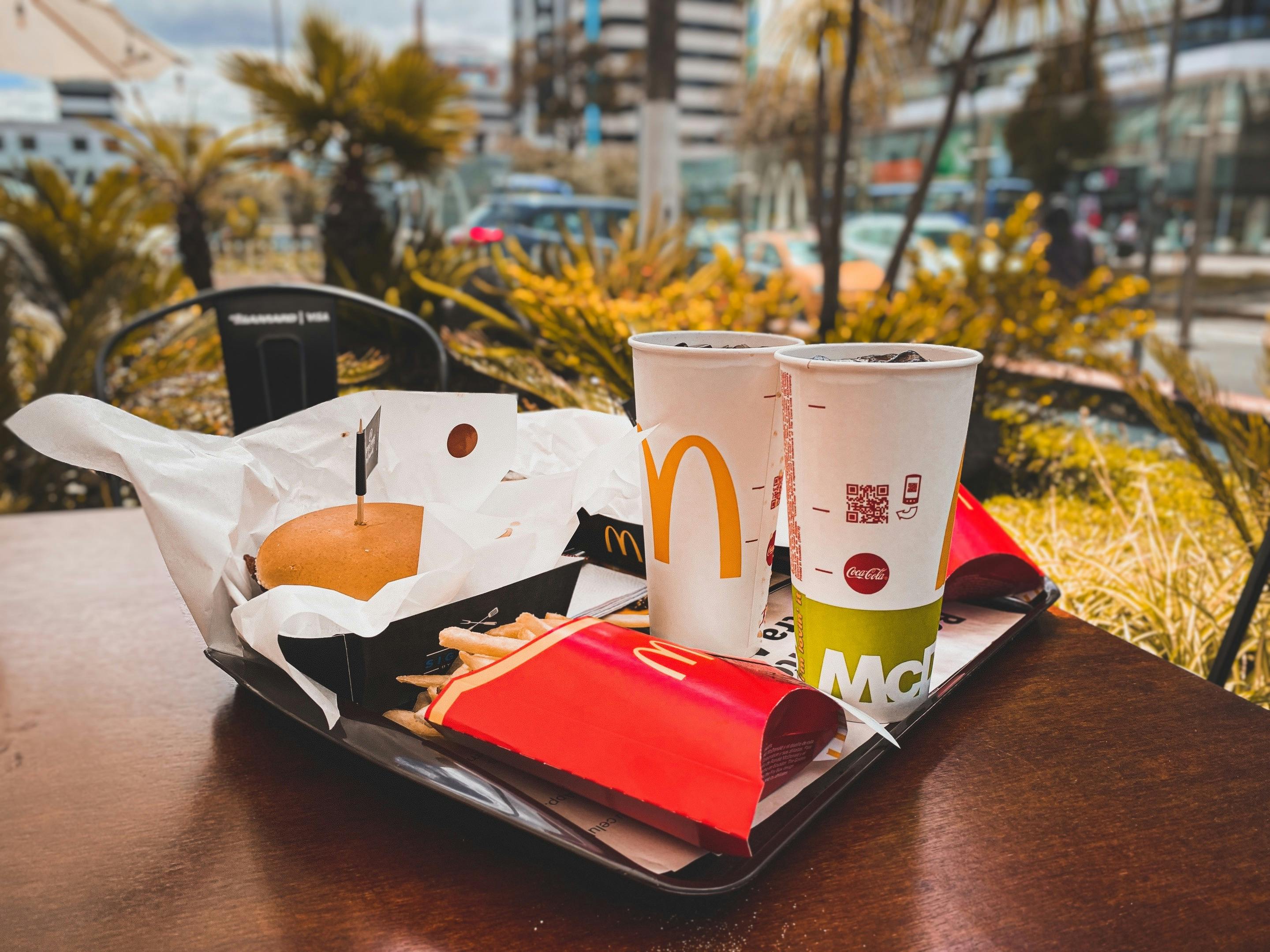
The Filet-O-Fish has always occupied a slightly different place on the menu. It’s not as flashy as a burger launch or as trend-driven as a limited-time item, but it has endured because it fills a specific craving that many customers return to again and again.
That staying power is exactly why McDonald’s can’t let it feel dated. If a legacy sandwich slips too far behind changing expectations, it risks becoming more of a nostalgic artifact than an active favorite.
Updating it now helps keep the item relevant without stripping away its identity. In fast food, that balance is hard to pull off, especially when people can immediately tell if a classic has been changed too much.
Why this small menu change matters

On the surface, a tweak to the Filet-O-Fish may seem minor compared with splashy new menu launches. But changes to long-standing items often say more about a company’s priorities than any one-time promotion ever could.
This update shows McDonald’s is paying attention to how customer trust is built now. Taste still matters, of course, but so do ingredient standards, supply chain choices, and the perception that an old favorite hasn’t been left behind.
In that sense, the new chapter for the Filet-O-Fish is about more than one sandwich. It’s a reminder that even the most familiar fast-food classics have to evolve if they want to keep their place in the drive-thru order.
