
12 everyday foods Americans ate in the 80s that would shock nutritionists today
The 1980s were a turning point in American eating. Convenience foods exploded, fat was villainized, and “diet” labels often mattered more than ingredient quality. Many foods marketed as healthy, modern, or kid-friendly were loaded with sugar, sodium, artificial colors, and preservatives. At the time, these items felt normal, even responsible. Today, nutritionists would raise serious concerns about how often and how casually they were consumed. These foods weren’t treats; they were daily habits.
TV Dinners

In the 1980s, TV dinners were a routine part of family life, not an occasional backup. These frozen meals were marketed as balanced and convenient, but they were often loaded with sodium, saturated fat, and preservatives. Vegetables were heavily processed, portions were misleading, and protein quality was inconsistent. Eating them several times a week meant constant exposure to additives and excess salt. Today, nutritionists would strongly discourage their frequent use due to cardiovascular and metabolic concerns.
Sugary Breakfast Cereals
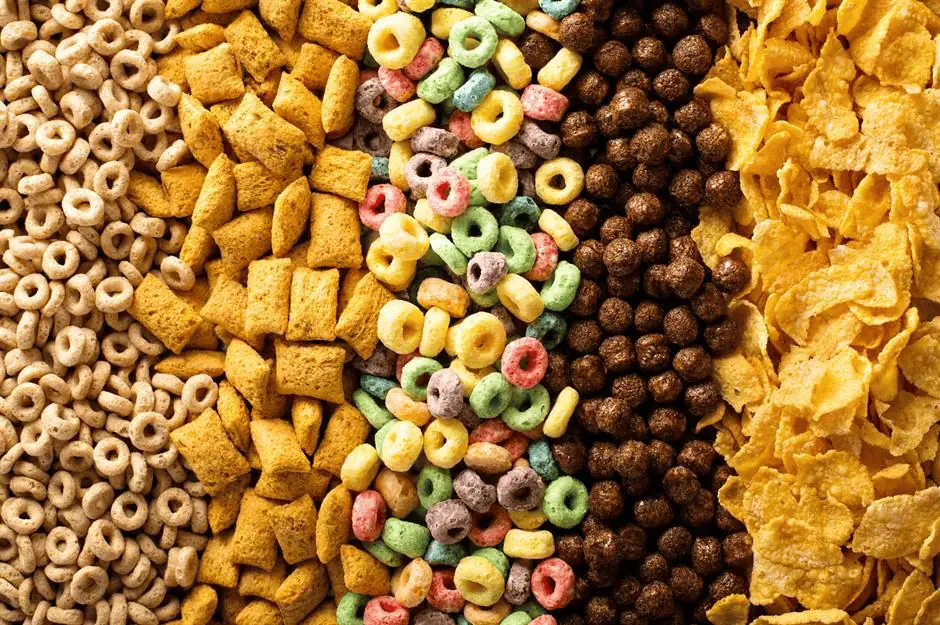
Breakfast cereals aimed at children in the ’80s often contained more sugar than dessert. Bright packaging, cartoon characters, and vitamin fortification created the illusion of health. Many kids started their mornings with massive blood sugar spikes and little fiber or protein to sustain them. Modern nutrition guidelines emphasize whole grains and low added sugar, making these cereals a clear example of how marketing once outweighed nutritional reality.
Pop-Tarts
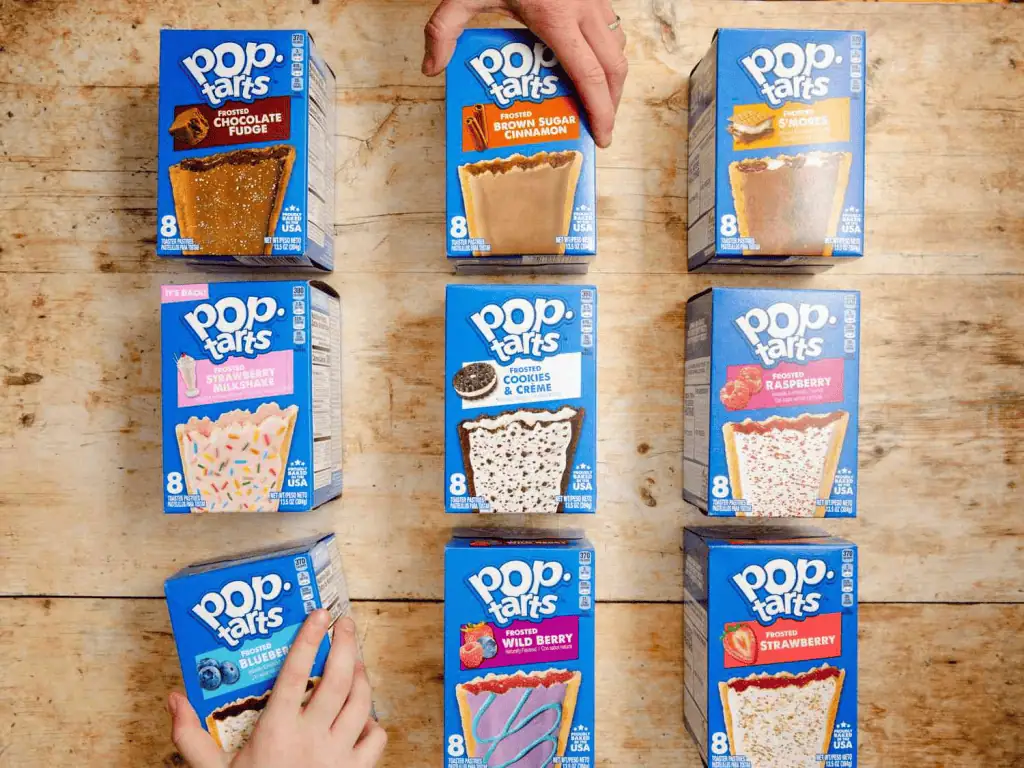
Pop-Tarts were treated as a legitimate breakfast or school snack, praised for convenience and shelf stability. In reality, they were built on refined flour, added sugars, and artificial flavors, with almost no fiber or protein. Despite their energy claims, they offered short-lived fullness and rapid sugar crashes. Nutritionists today would classify Pop-Tarts as occasional treats, not everyday fuel, especially for growing children.
Bologna Sandwiches

Bologna sandwiches were lunchbox staples throughout the ’80s. Processed meat was viewed as a practical protein source, with little attention paid to preservatives or sodium. At the time, protein quantity mattered more than quality. Today, nutrition experts warn against frequent processed meat consumption due to links with heart disease and other long-term health risks, making its daily use particularly concerning.
Boxed Mac and Cheese
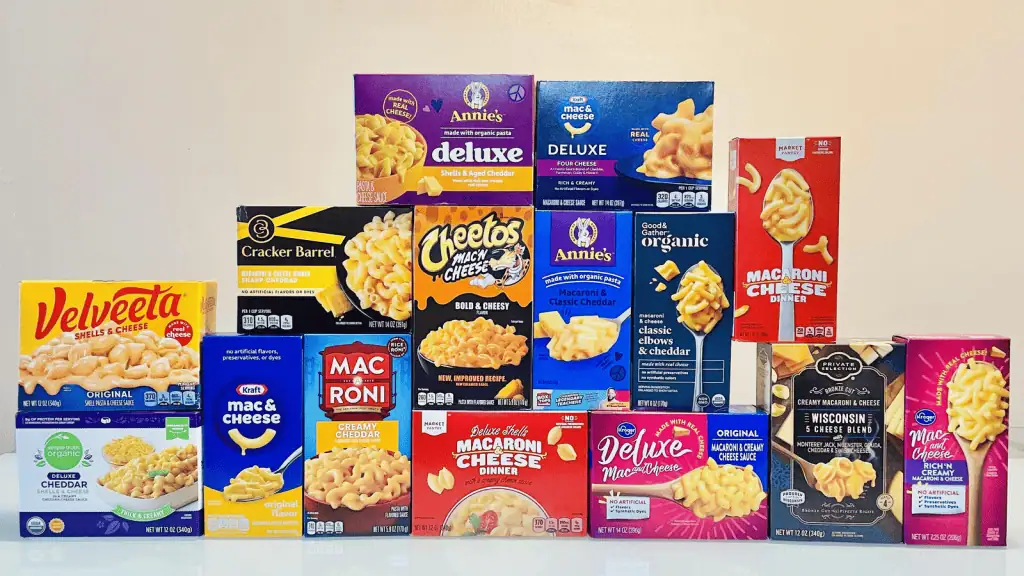
Boxed macaroni and cheese was comfort food eaten weekly in many households. The powdered cheese sauce contained artificial dyes and high sodium, while refined pasta offered minimal fiber. Though filling and inexpensive, it lacked balance and micronutrients. Modern dietary advice favors whole grains and real dairy, making the casual, frequent consumption of boxed mac and cheese stand out as nutritionally problematic by today’s standards.
Sloppy Joes
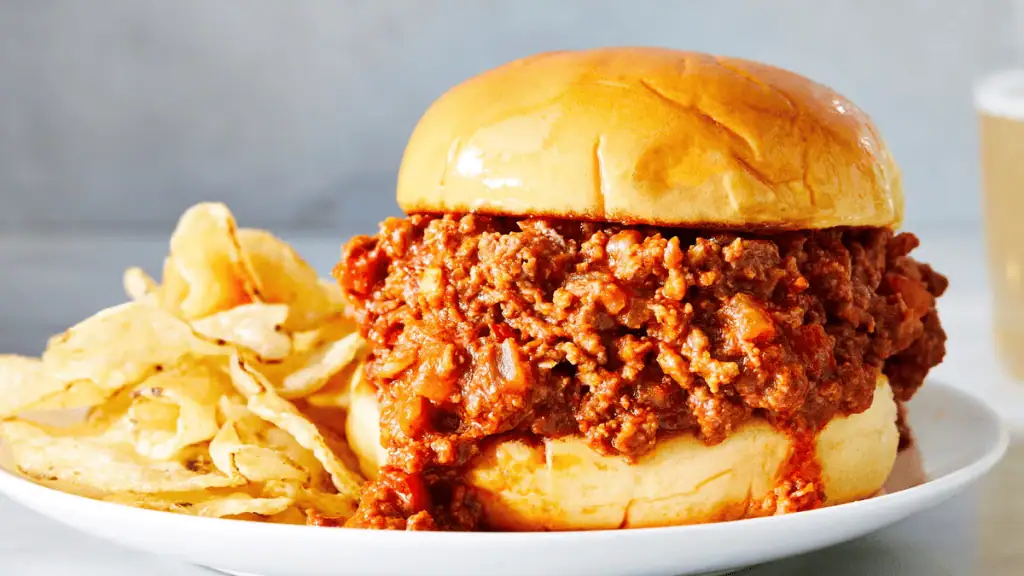
Sloppy Joes were seen as hearty, kid-friendly dinners, but their sauces often hid large amounts of added sugar and sodium. Combined with white bread buns, the meal delivered refined carbohydrates with little fiber. Nutritionists now warn that sugary savory foods contribute to metabolic issues, making Sloppy Joes a surprising example of how sugar once hid in plain sight.
White Bread Sandwiches

White bread was the default sandwich base in the ’80s, not a compromise choice. Made from refined flour, it lacked fiber and caused rapid blood sugar spikes. Whole-grain options existed but were far less common and often viewed as inferior. Today’s nutrition advice strongly emphasizes whole grains, making the everyday reliance on white bread one of the clearest shifts in dietary understanding.
Diet Soda
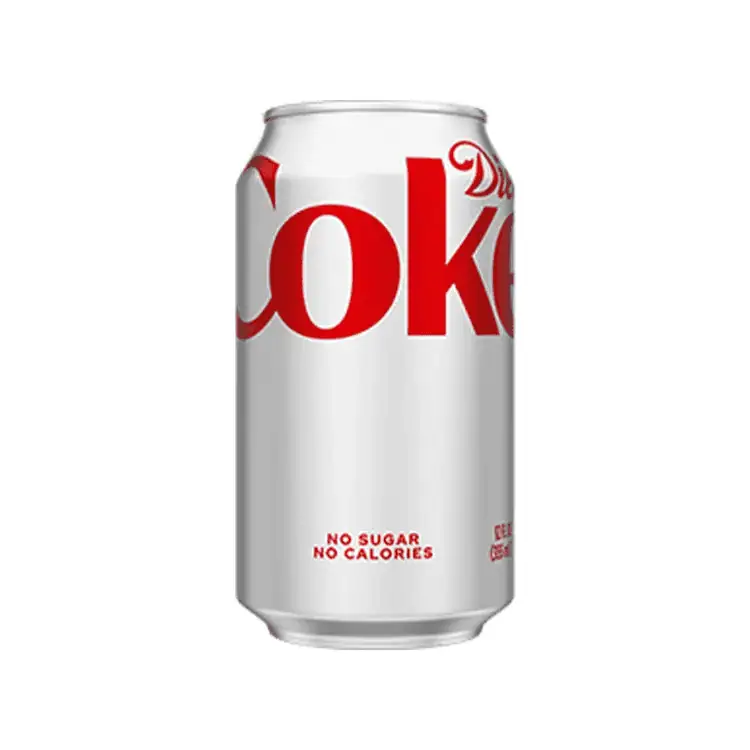
Diet soda consumption exploded in the ’80s as fat-free eating became popular. Artificial sweeteners were widely considered harmless tools for weight control. Many people drank multiple cans daily without concern. Today, nutritionists question the long-term effects of artificial sweeteners on metabolism, gut health, and appetite regulation, and discourage heavy reliance on diet sodas for hydration.
Kool-Aid and Sugary Drink Mixes

Powdered drink mixes like Kool-Aid were common at family dinners and children’s gatherings. Loaded with sugar and artificial colors, they replaced water and milk for many kids. Hydration often came with excessive sugar intake. Modern nutrition advice strongly discourages sugary beverages, especially for children, making their everyday use in the ’80s particularly alarming.
Canned Fruit in Heavy Syrup

Canned fruit was widely viewed as equivalent to fresh fruit, despite being packed in heavy syrup. The added sugar significantly increased calorie intake while reducing nutritional benefit. Families served it regularly without questioning its health value. Today, nutritionists recommend fresh or frozen fruit without added sweeteners, highlighting how misunderstood canned fruit once was.
Frozen Pizza
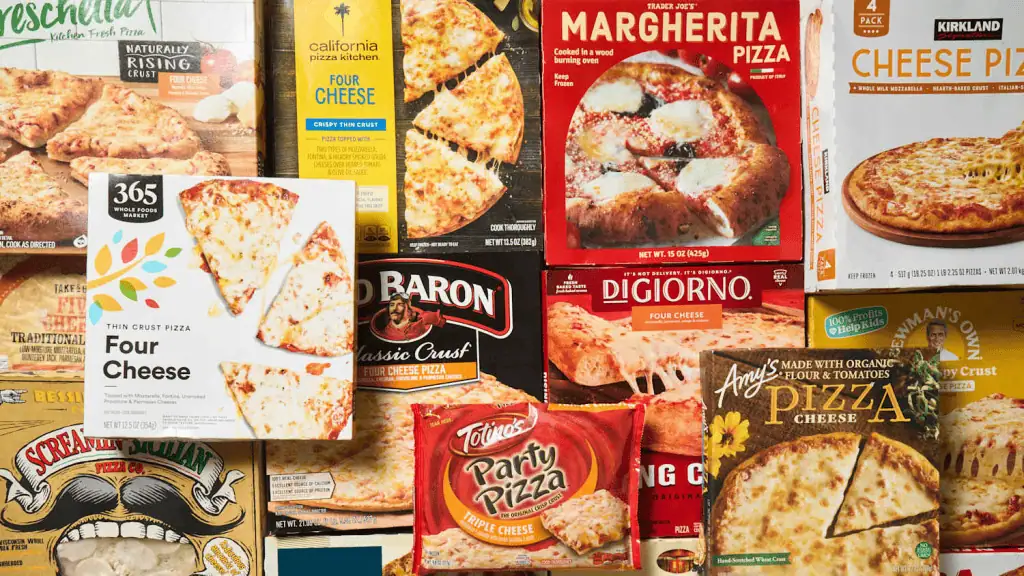
Frozen pizza was an easy dinner solution, eaten far more frequently than today. High sodium, processed meats, refined crusts, and limited vegetables made it nutritionally weak. While still popular, modern advice emphasizes moderation and ingredient quality. In the ’80s, however, frozen pizza was treated as a normal weekday meal rather than a convenience indulgence.
Cheez Whiz

Cheez Whiz appeared on sandwiches, crackers, and even vegetables, marketed as cheese despite being heavily processed. High sodium, artificial ingredients, and minimal nutritional value didn’t stop it from being an everyday food. Modern nutritionists emphasize whole, minimally processed foods, making the routine use of Cheez Whiz one of the clearest examples of how standards have changed.
