
6 Products Sitting in American Homes Right Now That Have Been Recalled: Check Your Pantry
Food safety has become a headline-grabbing issue in early 2026 as federal agencies tighten their oversight on “hidden” allergens and industrial contaminants. Currently, several major recalls are active across the United States, ranging from popular snacks to essential pantry staples. While manufacturers often issue these alerts voluntarily, the scale of recent findings suggests a broader issue within the global supply chain.
Checking your pantry isn’t just a suggestion; it is a necessity to prevent severe allergic reactions or long-term health complications. Many of the affected products were distributed through major retailers like Costco, Walmart, and Aldi, meaning they have likely reached millions of households. If you find any of these items in your kitchen, the CDC recommends disposing of them immediately or returning them to the place of purchase for a full refund. Staying informed is your first line of defense against the rising tide of 2026 food safety risks.
Frozen Mixed Berry Blends (Hepatitis A)

A massive nationwide recall was issued in February 2026 for various brands of Frozen Mixed Berry Blends due to potential Hepatitis A contamination. The recall specifically targets bags sold between August 2025 and January 2026. This virus can cause liver disease and is particularly dangerous because symptoms may not appear for several weeks after consumption.
The contamination was traced back to a common supplier of organic strawberries used in multiple private-label brands. If you have frozen fruit in your freezer, check the “Best By” dates and lot codes against the FDA’s master list. Even if the berries look and smell fine, they could still harbor the virus. Health officials urge anyone who has consumed these berries and hasn’t been vaccinated for Hepatitis A to contact their doctor immediately for a post-exposure consultation.
All-Natural Almond Butter (Unlisted Peanuts)
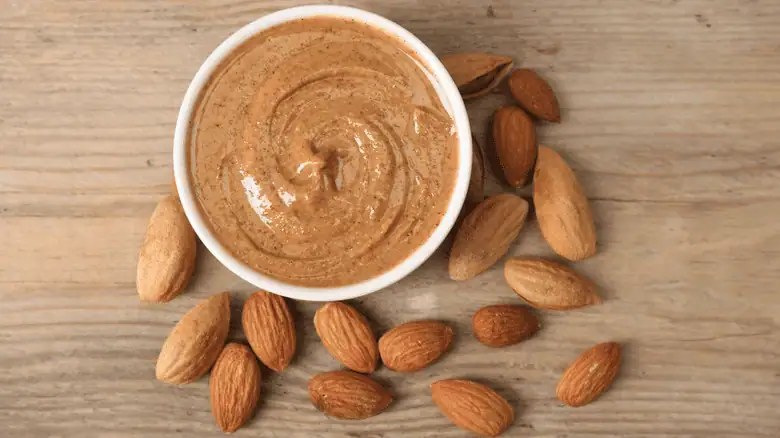
A high-priority recall is currently in effect for several batches of All-Natural Almond Butter distributed by a major West Coast processor. The issue involves a “cross-contact” error during production where undeclared peanuts were introduced into the almond butter lines. For individuals with severe peanut allergies, even a trace amount can trigger a life-threatening anaphylactic response.
The recall covers multiple 16-ounce glass jars with expiration dates ranging into late 2026. This error highlights the ongoing 2026 struggle with manufacturing transparency as facilities handle an increasing variety of nut-based products. If you or someone in your home has a peanut allergy, do not take a chance on “natural” labels without verifying the specific lot number. The manufacturer has since halted production at the facility to implement more rigorous cleaning protocols and updated labeling software.
Canned Organic Black Beans (Botulism Risk)
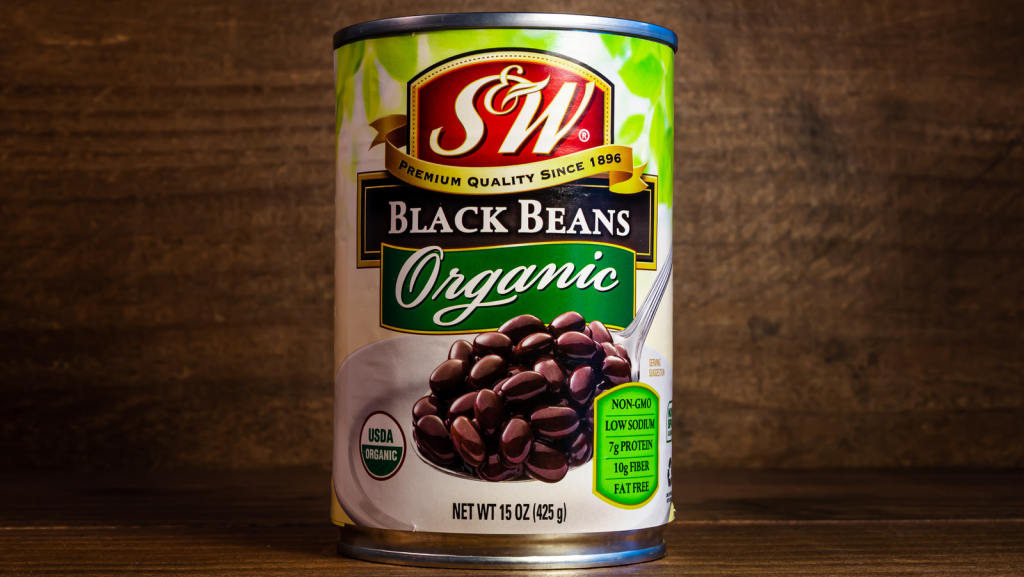
Federal inspectors have flagged a specific line of Canned Organic Black Beans for potential Clostridium botulinum contamination. This is due to a “thermal processing malfunction” at a large Midwest cannery, which may have allowed the bacteria to survive the sealing process. Botulism is a rare but extremely serious form of food poisoning that can lead to paralysis.
Consumers are warned to look for cans that appear swollen, dented, or leaking, though the bacteria can exist without any visible signs of spoilage. In 2026, the rise of “small-batch” organic canning has led to increased scrutiny of these industrial processes. If you have black beans in your pantry, check the manufacturer’s code printed on the bottom of the can. Never taste food you suspect is contaminated; even a tiny amount of the toxin can be fatal if ingested or absorbed through a skin break.
Chocolate Protein Bars (Plastic Fragments)

A popular brand of Chocolate Protein Bars has been pulled from shelves following multiple reports of consumers finding hard white plastic fragments inside the product. The FDA has categorized this as a Class II recall, meaning there is a “remote probability” of serious health consequences, but a high risk of dental injury or choking.
The fragments were traced to a broken component in the extruding machinery used during the 2025 holiday production run. Because these bars have a long shelf life, many are still sitting in gym bags and pantries across America. Check for specific “Batch Codes” ending in -XP. The company has apologized and is offering a “double-value” coupon for any affected customers. In 2026, mechanical failures remain a top cause for foreign object contamination in the snack food industry.
Gourmet Deli Meat Slices (Listeria)

The USDA has issued an emergency alert for Gourmet Deli Meat Slices, including roast beef and ham, due to potential Listeria monocytogenes contamination. This recall is particularly concerning for pregnant women, the elderly, and those with weakened immune systems. Listeria is a hardy bacterium that can survive and even grow in the cold temperatures of a refrigerator.
Unlike many other recalls, this one involves “grab-and-go” containers that may not have clear lot numbers, making it harder for consumers to identify. If you purchased pre-sliced deli meat from a specialty counter in late February 2026, it is safest to discard it. Ensure you thoroughly clean any refrigerator shelves or drawers that may have come into contact with the meat. The 2026 “Listeria Watch” has prompted many stores to transition toward vacuum-sealed, factory-packed deli options to reduce in-store contamination risks.
Infant Formula Powder (Cronobacter)

The most sensitive recall on the 2026 list involves specific batches of Infant Formula Powder produced at a Texas facility. Routine environmental testing found the presence of Cronobacter sakazakii, a bacterium that can cause severe, life-threatening infections in newborns. While no illnesses have been reported yet, the manufacturer is acting out of an abundance of caution.
Parents are urged to check the codes on the bottom of their formula tubs immediately. If the code starts with the digits 34 through 37, the product should not be used. In 2026, the infant formula supply chain remains closely monitored following shortages in previous years, and any sign of contamination triggers an immediate shutdown. If your regular brand is affected, consult your pediatrician for a safe alternative while the facility undergoes a complete deep-cleaning and federal re-certification process
