
10 Exotic Flavor Trends Quietly Taking Over U.S. Kitchens
American home cooking is changing, but not through loud food trends or viral recipes. Instead, new flavors are quietly slipping into grocery carts and pantry shelves, influenced by immigration, travel, social media exposure, and improved access to global ingredients. These flavors aren’t replacing classic American foods, they’re layering onto them. Sauces, spices, and condiments from around the world are now being incorporated into everyday meals, subtly altering the taste of U.S. kitchens without most people realizing it.
Gochujang Heat Replaces Basic Chili Sauce
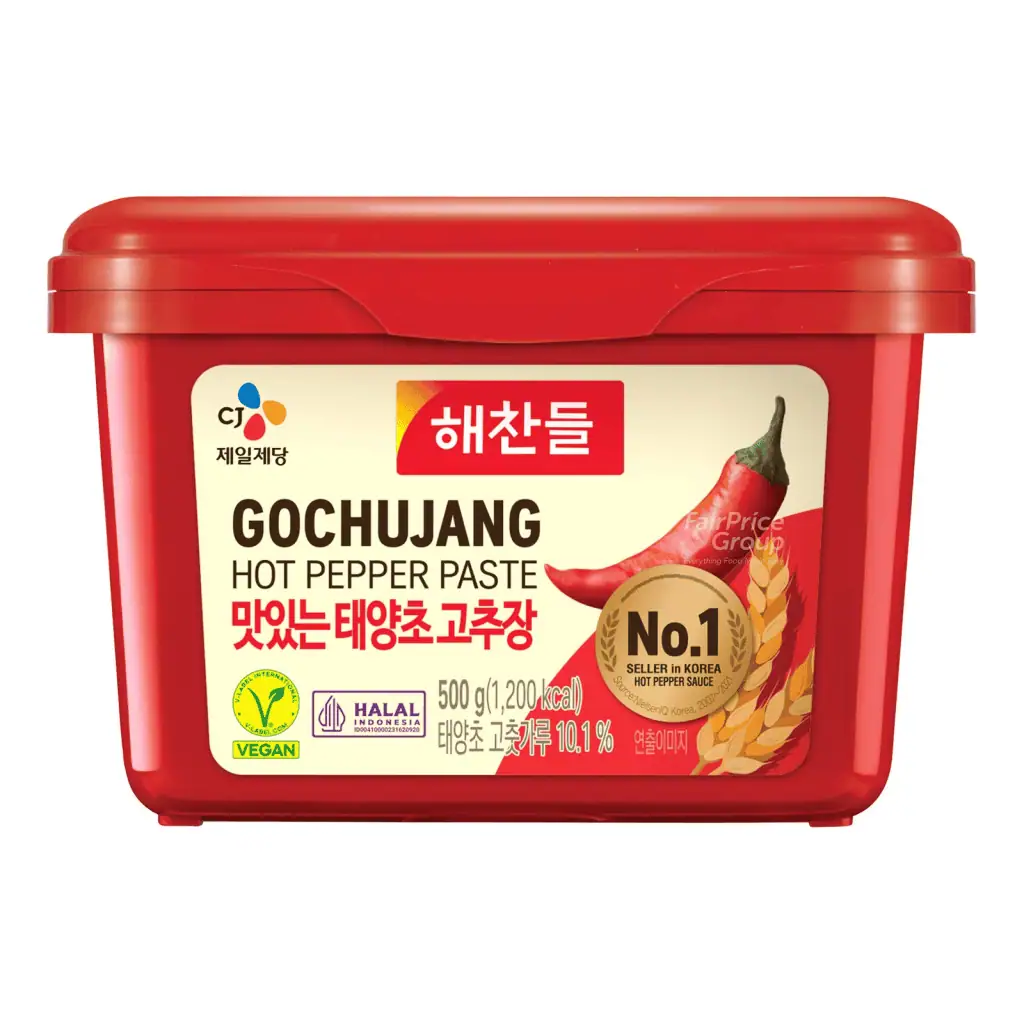
Gochujang is moving beyond Korean cooking and into everyday American meals. This fermented chili paste brings heat, sweetness, and savory depth in one ingredient, making it more complex than standard hot sauce. Home cooks are using it in marinades, burgers, roasted vegetables, and even pasta sauces. Its popularity comes from balance rather than spice alone, offering richness that builds flavor without overpowering dishes, which makes it easy to adapt into familiar recipes.
Yuzu Adds Citrus Without Sourness

Yuzu is gaining quite popularity as an alternative to lemon or lime. This Japanese citrus delivers a bright aroma with softer acidity, making it appealing for sauces, dressings, and desserts. Bottled yuzu juice and yuzu-infused products are showing up in specialty aisles and online shops. Home cooks like it because it adds freshness without sharpness, allowing citrus flavor to enhance dishes instead of dominating them, especially in seafood and light meals.
Harissa Becomes the New Pantry Paste

Harissa is replacing basic chili pastes for cooks looking for layered spice. This North African blend combines chilies, garlic, spices, and oil into a paste that adds warmth rather than pure heat. Americans are stirring it into soups, roasted vegetables, eggs, and grain bowls. Its versatility makes it appealing, since one spoon can transform a bland dish into something deeply seasoned without requiring multiple spices or long cooking times.
Sumac Offers Tang Without Vinegar

Sumac is quietly becoming a favorite for people who want acidity without liquid ingredients. This deep red spice adds a lemony tang that works well on meats, salads, vegetables, and rice dishes. Unlike vinegar or citrus juice, sumac doesn’t add moisture, which makes it easier to sprinkle directly onto finished foods. Its growing presence reflects a shift toward dry seasonings that add brightness while keeping textures intact.
Black Garlic Adds Sweet Savory Depth

Black garlic is gaining traction among home cooks who want umami without sharpness. Fermented slowly, it develops a soft texture and sweet, molasses-like flavor. Americans are blending it into sauces, spreads, and dressings or using it as a flavor base for meats. It feels exotic but approachable, especially for people who already enjoy roasted garlic but want something deeper and more complex.
Calabrian Chili Brings Controlled Heat
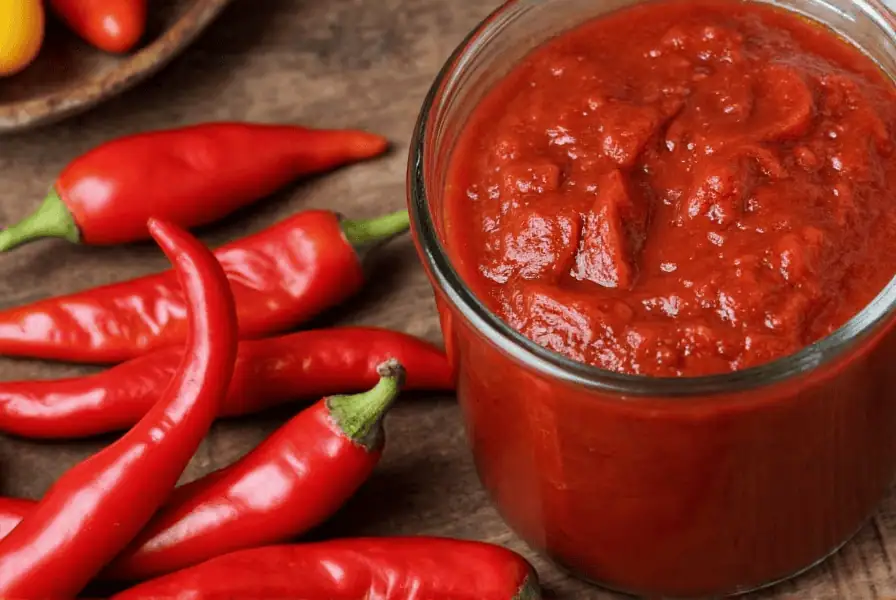
Calabrian chili is becoming a preferred heat source for cooks who want spice with flavor. These Italian chilies offer fruity heat rather than aggressive burn, making them ideal for pasta, pizza, eggs, and seafood. Sold crushed, paste-style, or infused in oil, they’re easy to use in small amounts. Their popularity reflects a shift away from extreme spice toward controlled heat that enhances dishes instead of overpowering them.
Za’atar Moves Beyond Flatbread

Za’atar is no longer limited to Middle Eastern dishes. This herb-and-sesame blend is now being sprinkled on roasted vegetables, eggs, chicken, and even popcorn. Its appeal comes from complexity: herbal, nutty, and slightly tangy all at once. American cooks like that it adds flavor without heat and works across breakfast, lunch, and dinner, making it a flexible addition to modern kitchens.
Fish Sauce Enters Non-Asian Cooking

Fish sauce is quietly becoming a secret weapon ingredient rather than a cultural divider. Used in small amounts, it adds deep savory flavor without making food taste fishy. Home cooks are adding it to stews, sauces, and even meatloaf. Its growing acceptance shows a better understanding of umami, where flavor depth matters more than traditional ingredient boundaries.
Tamarind Adds Sweet-Sour Balance

Tamarind is gaining popularity for its ability to balance sweetness and acidity in one ingredient. It’s appearing in sauces, marinades, and beverages, especially in fusion cooking. American cooks appreciate that tamarind adds complexity without needing sugar and vinegar separately. Its fruit-forward tang works well in both savory and sweet dishes, making it adaptable for home experimentation.
Miso Moves Beyond Soup

Miso is no longer limited to soup bowls. Americans are using it in salad dressings, pasta sauces, glazes, and even desserts. Its salty, fermented depth adds richness with minimal effort. White miso in particular is favored for its mildness and versatility. The trend reflects a broader comfort with fermented foods and a desire to add depth without relying on heavy fats or excess salt.
