
7 Food Storage Mistakes People Make in Storm Conditions
Storing food properly during storm conditions is crucial to maintaining safety and minimizing waste. Understanding common pitfalls can help ensure that your supplies remain viable and nutritious. With the right techniques, you can better utilize your stored items and avoid spoilage during unpredictable weather events.
Relying on the Fridge During Outages
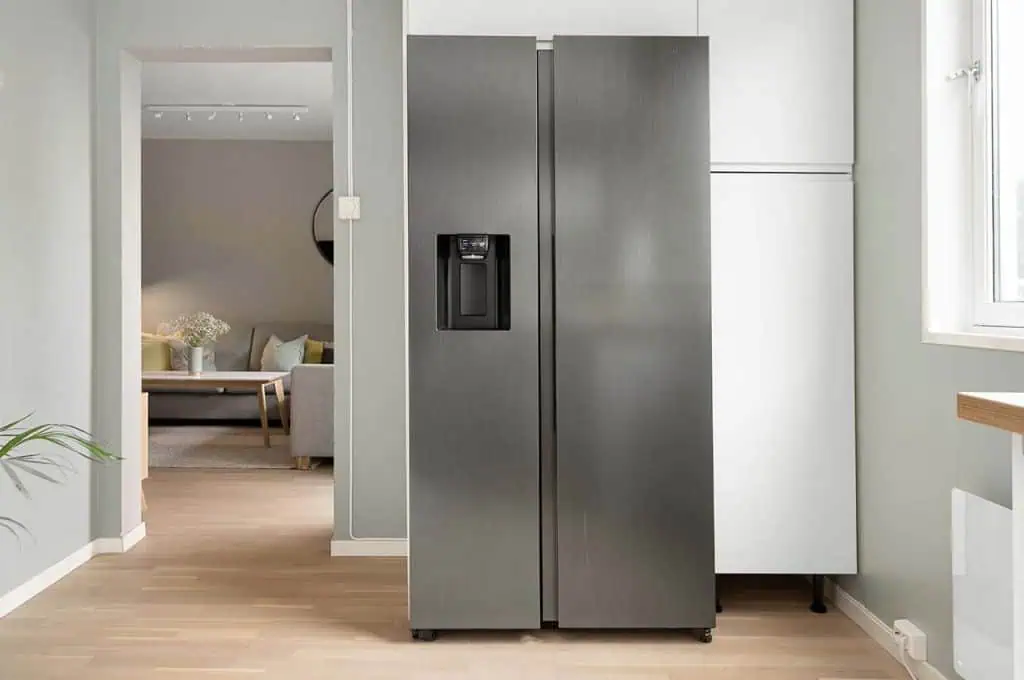
During power outages, using the refrigerator as a main storage option can risk spoilage. Keep the door closed as much as possible to trap existing cold air, extending the safe temperature range for perishables. Invest in a thermometer to monitor temperature fluctuations; foods should remain below 40°F. Be prepared to transfer items to coolers with ice packs if outages extend beyond four hours.
Storing Food in Flood-Prone Areas

Avoid storing food directly on basement floors or low shelves in flood-prone zones. Use sturdy, elevated shelving units and airtight containers to prevent water contamination. Consider vacuum-sealing non-perishables to protect them from moisture. Ensure that important supplies are in watertight bins, and account for potential environmental hazards to maximize storage safety.
Checking the Freezer Too Often

Opening the freezer frequently during power outages decreases its ability to maintain low temperatures. Keep a list of its contents taped to the outside, reducing the need to open the door. Fill empty space with ice packs or frozen water bottles to help retain cold. A full freezer, even if unplugged, can keep items frozen for up to 48 hours if left undisturbed.
Overlooking Manual Can Openers

A manual can opener is an essential tool when electric options aren’t available. Many forget this simple but critical item, leading to unnecessary challenges accessing canned goods during outages. Choose a high-quality, easy-to-use model with stainless steel blades for durability. Store it in an easily accessible location to ensure that your canned food remains an immediate, practical resource.
Using Breakable Glass Containers
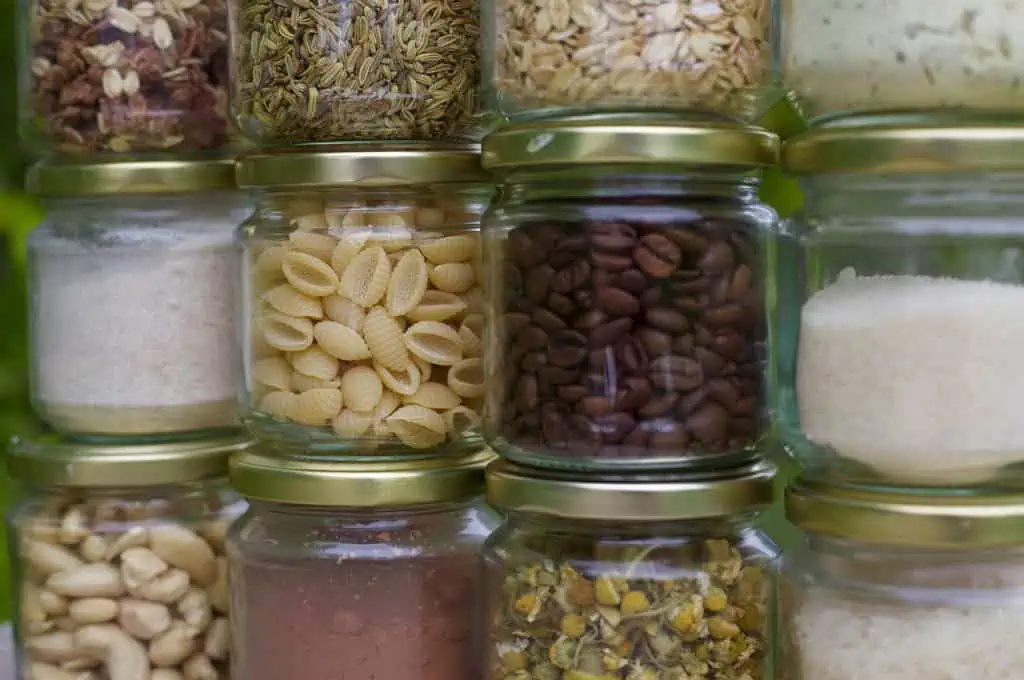
Storing food in glass containers poses risks during storm conditions due to their fragility. Opt for BPA-free plastic or metal alternatives that can survive sudden movements or impacts. Securely sealed containers prevent contamination and leakage, ensuring that your food remains safe and consumable. When choosing plastic, ensure it’s food-grade and free from harmful chemicals. Organize your pantry with a keen eye on stacking stability to prevent toppling and subsequent breakage. This approach not only preserves the food but also maintains a safe environment.
Ignoring Expiration Dates
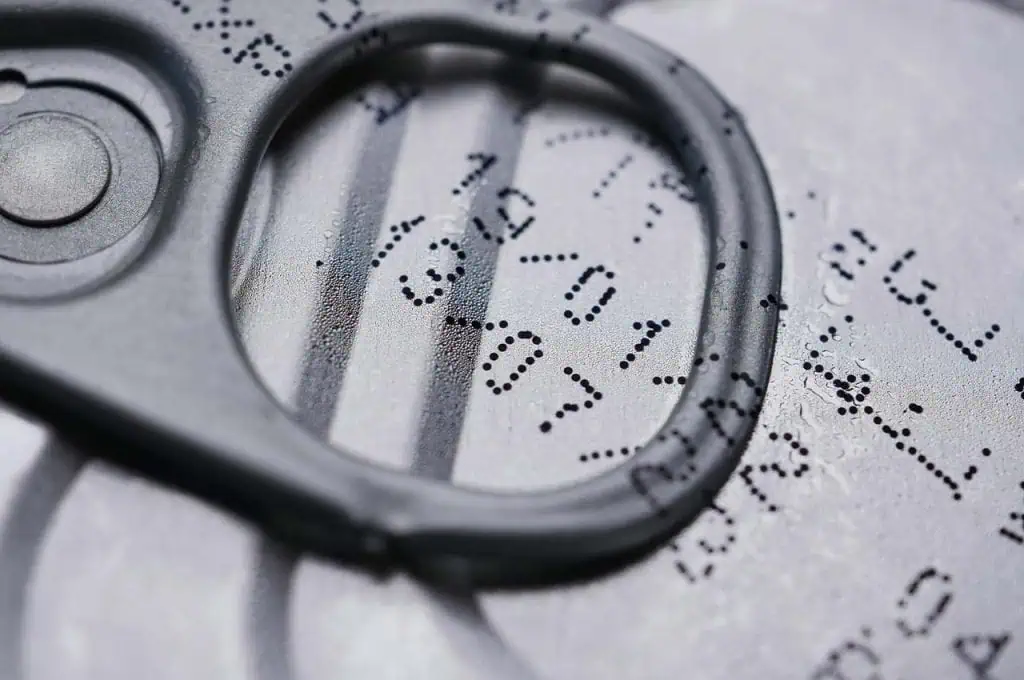
Checking expiration dates is crucial when preparing for storms, as consuming spoiled food can lead to illness when medical help might be delayed. Sort and organize supplies by date, placing those with shorter remaining shelf lives at the front. Regularly rotate stock, using labeled reminders to prevent oversight. Consider durable options like canned goods or packaged foods designed for extended storage. Even non-perishables, such as dried grains and nuts, have limits, so consistent monitoring aids in efficient consumption and minimizes waste.
Stockpiling Power-Dependent Foods
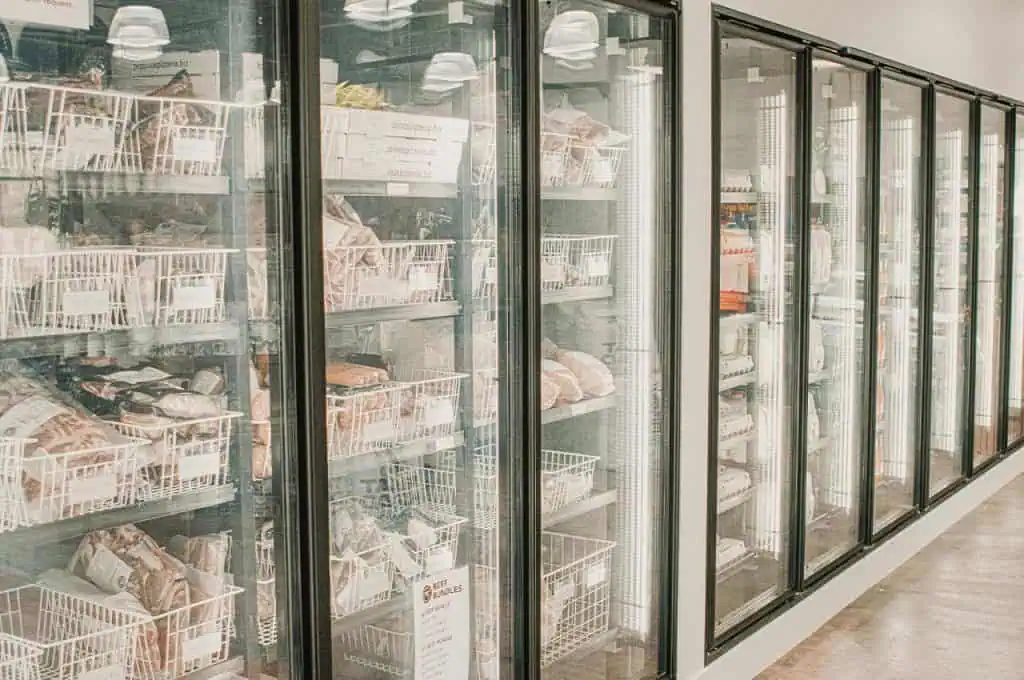
Relying heavily on refrigerated or frozen foods during a storm can be problematic due to potential power outages. Focus on accumulating shelf-stable items like canned vegetables, dried fruits, and ready-to-eat meals. These choices alleviate concerns over temperature control lapses. Invest in coolers and ice packs to extend the usability of perishables. Ensure any frozen goods are consumed first, following efficient thawing practices to maximize quality. Preparing ahead with versatile, non-perishable options expands meal possibilities without food safety risks.
