
6 Foods Housewives Cooked in the 1950s That Wouldn’t Fly Today
The 1950s was the golden age of “convenience” cooking. After the lean years of WWII, housewives were eager to use new, futuristic ingredients like canned soups and powdered gelatin. Technology in the kitchen was finally catching up to the fast-paced American dream. However, this era also produced some of the most bizarre flavor combinations in culinary history.
Recipes often prioritized “visual flair” and “ease of cleanup” over actual taste or nutritional balance. Today, these dishes are seen as kitschy relics of a bygone era. If you served these to a modern Michelin-starred chef, they would likely hand in their apron. Here are six 1950s “delicacies” that would never make it onto a 2026 menu.
The Notorious Lime Cheese Salad

In the 1950s, “salad” didn’t always mean a bowl of fresh, leafy greens. One of the most popular party dishes was a lime-flavored Jell-O mold stuffed with cottage cheese and mayo. To add crunch, housewives would often fold in chopped celery, walnuts, and even canned pineapple. The resulting texture was a wobbly, neon-green mass that tasted both sweet and sour.
Modern chefs despise this dish because the combination of citrus gelatin and savory cheese is a sensory nightmare. In 1954, however, this shimmering tower was the height of suburban sophistication. It was the ultimate centerpiece for a successful neighborhood bridge club meeting.
Banana Candles (The Fruit Centerpiece)

This dish is perhaps the most visually “unfortunate” creation of the mid-century kitchen. A banana candle was made by sticking a peeled banana upright into a ring of canned pineapple. To complete the look, a dollop of mayonnaise was drizzled over the top to look like melting wax.
A maraschino cherry was then pinned to the tip of the banana to represent the flame. While it was intended to be a festive and healthy treat for children, the aesthetics were accidentally hilarious. Modern culinary schools would reject this for its bizarre use of mayo as a fruit topping. It stands as a reminder that 1950s presentation was truly a world of its own.
Ham Mousse with Savory Gelatin
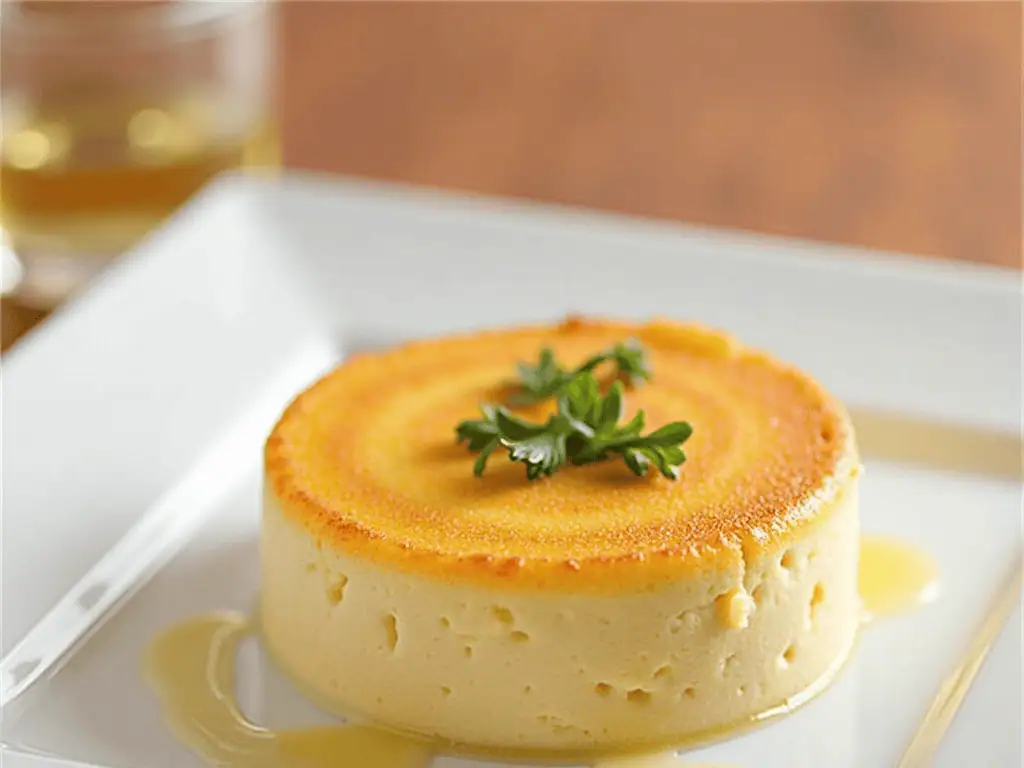
If a housewife wanted to be “fancy” in 1958, she likely reached for a can of ham and a packet of unflavored gelatin. The Ham Mousse was created by blending ground ham with heavy cream, mustard, and gelatin. This meat paste was then poured into a decorative fish or heart-shaped mold to set. It was often served with a side of “green goddess” dressing or more mayonnaise for extra richness.
Modern chefs find the idea of cold, gelatinous meat paste to be a major “food safety” and texture concern. Back then, it was a clever way to stretch a small amount of meat for a large group.
Hot Dr Pepper with Lemon

Before the era of artisanal hot chocolates and lattes, many 1950s families warmed up with a cup of boiled Dr Pepper. The soda was heated in a saucepan until it was piping hot and then served with a thick slice of lemon. This strange beverage was marketed as a “refreshing winter warmer” that provided a quick energy boost.
Modern baristas would cringe at the thought of boiling out the carbonation of a sugary soft drink. The lemon was supposed to cut through the intense syrupy sweetness of the heated soda. While it still has a few fans today, most people find the warm, flat soda to be quite unappealing.
Canned Pear and Mayo Salad

This was a common “quick side dish” for busy housewives who didn’t have time for complex gelatin molds. It consisted of a single canned pear half placed face-up on a bed of iceberg lettuce. A massive spoonful of mayonnaise was plopped into the center where the seeds used to be. To finish it off, a sprinkle of shredded cheddar cheese or a cherry was placed on top.
The clash of the slimy, sweet pear with the fatty, tangy mayo is something modern palates simply cannot process. It represents the 1950s obsession with putting mayonnaise on literally every food item imaginable. It was a staple of the “easy-cook” revolution that defined the decade.
Tuna Noodle Casserole (with Potato Chips)

While this dish survives in some “comfort food” circles, the original 1950s version was a processed food explosion. It relied entirely on canned tuna, canned “Cream of Mushroom” soup, and frozen peas for its flavor profile. The signature touch was a thick layer of crushed greasy potato chips used as a crunchy topping.
Modern chefs generally prefer to make their own roux and use fresh fish rather than “shelf-stable” ingredients. The high sodium content and mushy texture of the canned soup make it a difficult sell for 2026 health standards. However, for a 1950s family, it was the ultimate, reliable Tuesday night dinner.
