
6 Cooking Habits Silently Draining Nutrition From Your Meals
Even the healthiest ingredients can lose their value if cooked or handled incorrectly, and many home cooks unknowingly rely on habits that gradually drain the nutrition from everyday meals. Small mistakes in preparation, heat control, and timing can weaken vitamins, damage antioxidants, or remove minerals long before food reaches the plate. These habits often come from convenience, old routines, or misunderstandings about how nutrients behave under heat and water. Recognizing these patterns helps people preserve more of the goodness in their ingredients without changing their entire cooking style.
Overboiling Vegetables
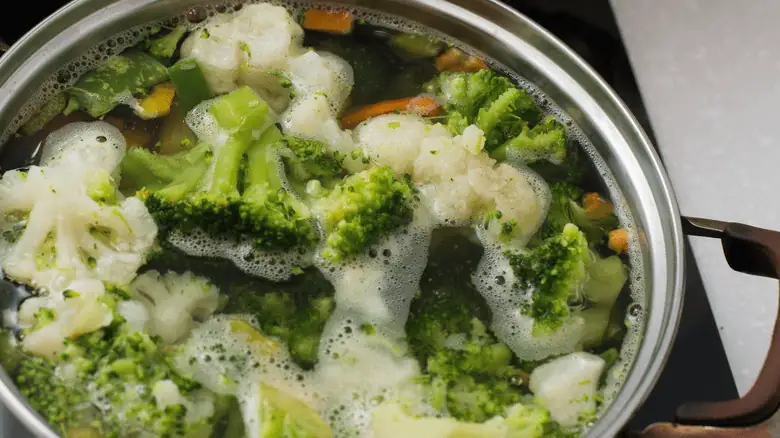
Boiling vegetables too long causes water-soluble vitamins like B and C to leak out, leaving the pot more nutritious than the food itself. Many people boil produce until soft because it feels easier to manage, yet this habit removes both flavor and nutrient density. Steaming or lightly sautéing maintains texture while preserving far more vitamins. Even reducing boiling time by a few minutes can noticeably improve the nutritional value of everyday meals without adding extra steps or equipment.
Cooking with Excessive Heat

High heat is popular for quick meals, but regularly cooking foods at very high temperatures can degrade antioxidants, reduce healthy fats, and damage delicate vitamins. Whether searing everything on the highest burner or heating oils until they smoke, these habits slowly strip food of key compounds. Lowering the heat slightly or cooking in stages allows ingredients to stay flavorful while retaining more nutrients, offering a healthier result without sacrificing convenience or speed.
Storing Cut Produce Too Long

Cutting vegetables or fruits long before cooking exposes their surfaces to air and light, causing oxidation that breaks down nutrients over time. Many people prep ingredients in advance to save effort, but extended storage diminishes vitamin potency and flavor. Using airtight containers, minimizing prep time gaps, or adding a splash of acidic ingredients can help slow nutrient loss. Even small adjustments make a noticeable difference in freshness and nutritional quality.
Peeling Away Nutritious Skins
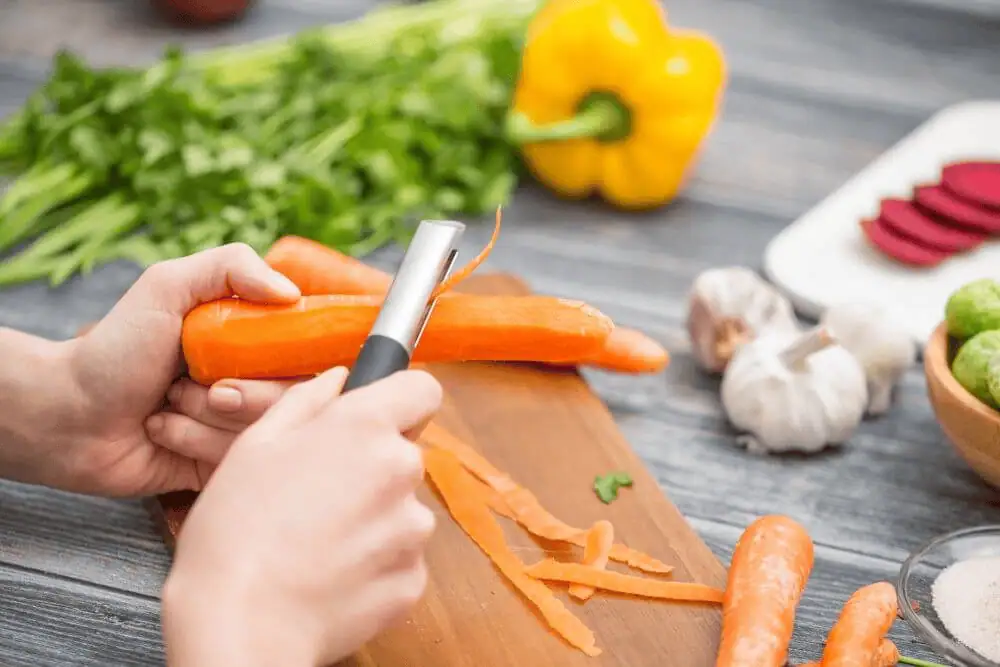
Removing skins from potatoes, apples, carrots, and other produce is a common habit, but it discards fiber, antioxidants, and minerals concentrated near the surface. While peeling may seem cleaner or more traditional, most skins are safe, edible, and highly nutritious when washed well. Keeping the outer layer intact not only adds texture but also boosts nutrient intake with no additional cost or effort, making everyday meals naturally richer and more balanced.
Reheating Foods Repeatedly

Repeated reheating, especially in microwaves or high-heat pans, gradually breaks down vitamins and reduces moisture in cooked foods. Many people reheat leftovers multiple times throughout the week, unknowingly diminishing their nutritional value. Portioning meals into smaller containers or reheating only what is needed preserves more nutrients. This simple change helps maintain flavor, texture, and health benefits, especially for vegetables, grains, and lean proteins.
Using Too Much Water in Grains
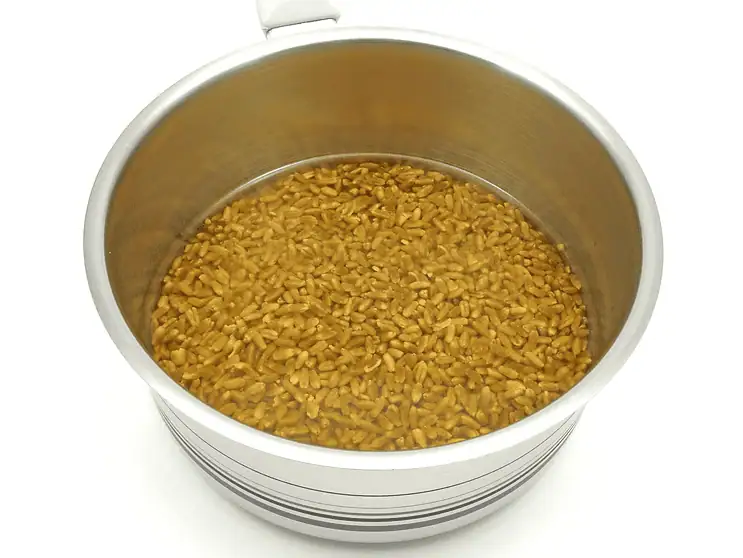
Cooking grains like rice or oats in excessive water and then draining them can cause mineral loss that most people never notice. While some methods call for draining, many home cooks use more water than necessary out of caution. Measuring water carefully or using absorption-based methods helps retain nutrients within the grain rather than sending them down the drain. These small adjustments make everyday staples more nutritious without altering taste or cooking time.
