
5 Things Customers say That Tend to Frustrate Restaurant Servers
Most diners don’t mean to be rude, but a few throwaway lines can make a server’s shift a lot harder. What sounds harmless from one side of the table can feel dismissive, demanding, or just plain exhausting from the other. Here are five phrases that tend to get under servers’ skin fast, and why a little awareness goes a long way.
We’re ready to order… actually, give us a few more minutes

Few things throw off a server’s rhythm faster than rushing them over, then immediately slamming on the brakes. In a busy section, they may have rearranged their whole path across the floor to get to your table quickly, only to discover nobody has opened the menu.
It’s not that diners can never need more time. That happens all the time. The annoying part is calling someone over with urgency and then not being prepared when they arrive.
During a rush, those little delays stack up. One table’s indecision can mean another table waits longer for drinks, food gets run later, and the server ends up playing catch-up for the next twenty minutes.
Can we sit over there instead?

This phrase can sound simple, but it often creates a domino effect behind the scenes. Hosts and servers usually have a seating plan for a reason, balancing sections, reservations, staffing levels, and which tables are easiest to turn during a busy shift.
When guests decide they’d prefer a different booth, window seat, or empty corner, it can disrupt that flow more than they realize. That “unused” table may be assigned to another server or reserved for a party arriving soon.
Most places will try to accommodate when they can. But when the request comes with an attitude, as if the original table is somehow unacceptable, it can come off as dismissive of the work already happening to keep service moving smoothly.
I know the owner

Very few lines make servers brace themselves faster than this one. Sometimes it’s meant as friendly small talk, but it often lands like a warning shot, suggesting the usual rules might not apply or that any minor inconvenience could be escalated.
For servers, that creates instant pressure. Suddenly the interaction feels less like hospitality and more like a test they didn’t ask to take, with the extra implication that the guest expects special treatment.
Even when the person really does know the owner, the phrase can still feel awkward. Great guests usually let the connection come up naturally, not as leverage before they’ve even ordered a drink.
This should be free

Servers know mistakes happen. A side gets forgotten, a steak comes out overcooked, the soda machine is down. Most are already trying to fix the issue before the table has finished being annoyed about it. That’s why this phrase tends to hit a nerve so quickly.
When diners jump straight to demanding something for free, it can sound less like frustration and more like opportunism. Instead of giving the staff room to correct the problem, it turns the moment into a negotiation.
Restaurants often do comp items when it makes sense. But the expectation that every inconvenience deserves a reward can feel exhausting, especially for the server who likely didn’t cause the issue and is now stuck absorbing the frustration anyway.
You should smile more
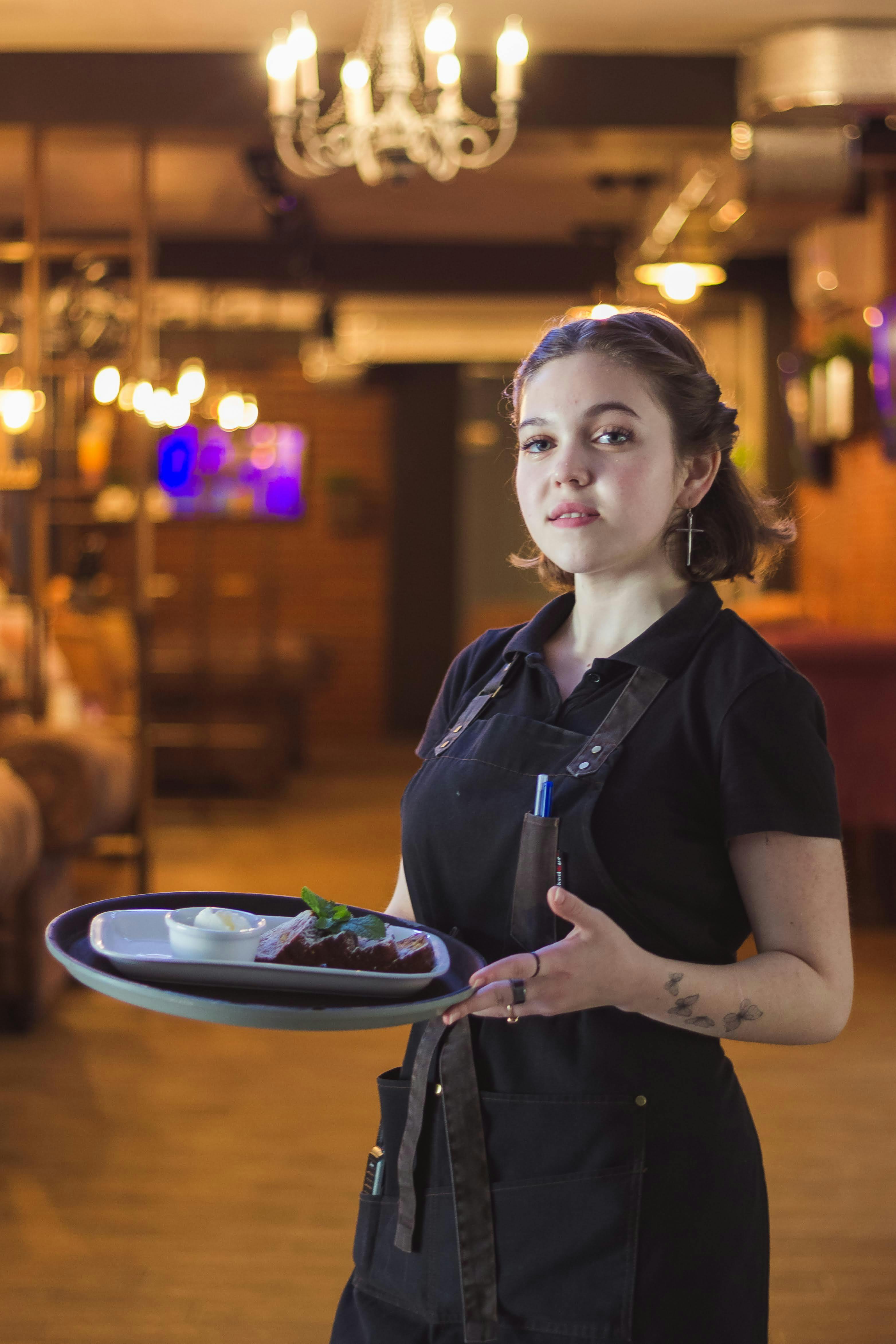
This one may be intended as lighthearted, but it almost never feels that way to the person hearing it. Servers spend hours on their feet managing orders, timing, kitchen delays, customer moods, and constant multitasking, often while trying to stay pleasant under pressure.
Being told to smile more can feel patronizing, especially in the middle of a slammed shift. It reduces all that labor to facial expression, as if their value depends on looking cheerful every second.
There’s also something deeply personal about it. A server might be tired, stressed, or simply focused, and being corrected about their face by a stranger rarely comes across as charming. It usually just makes the interaction more uncomfortable for everyone.
Why is it taking so long?
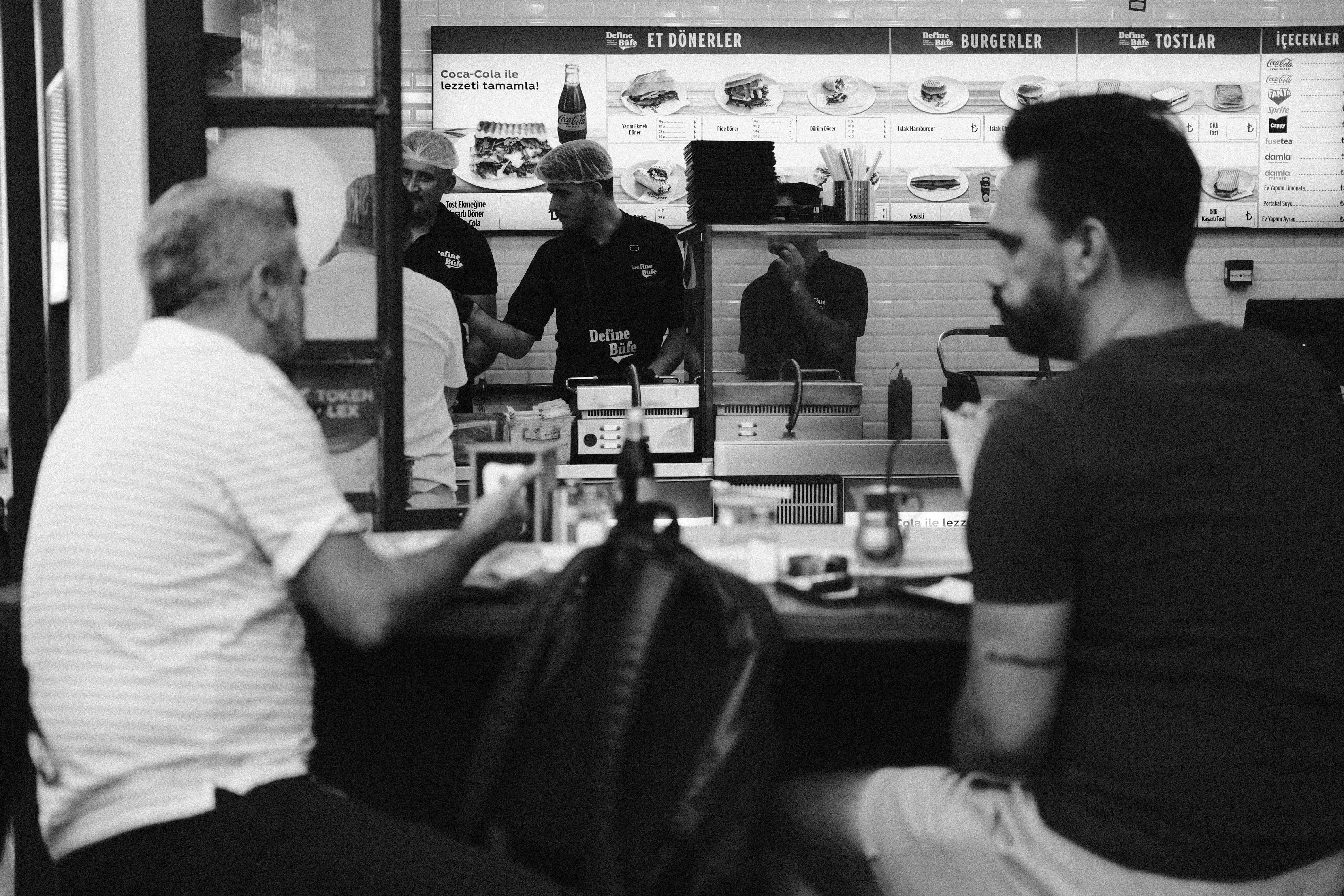
Waiting for food can be frustrating, especially when you’re hungry and the table next to you seems to be eating already. But this question often gets directed at the one person who has the least control over kitchen timing once the order has been sent in.
To a server, it can sound like blame disguised as a question. They’re already checking on the ticket, talking to the kitchen, refilling drinks, and trying to manage expectations without making excuses.
A polite check-in is one thing. Repeating this line with increasing irritation every few minutes is another. It adds pressure without speeding anything up, and it often ignores the reality that the whole restaurant may be backed up, not just your table.
I used to be a server, so…
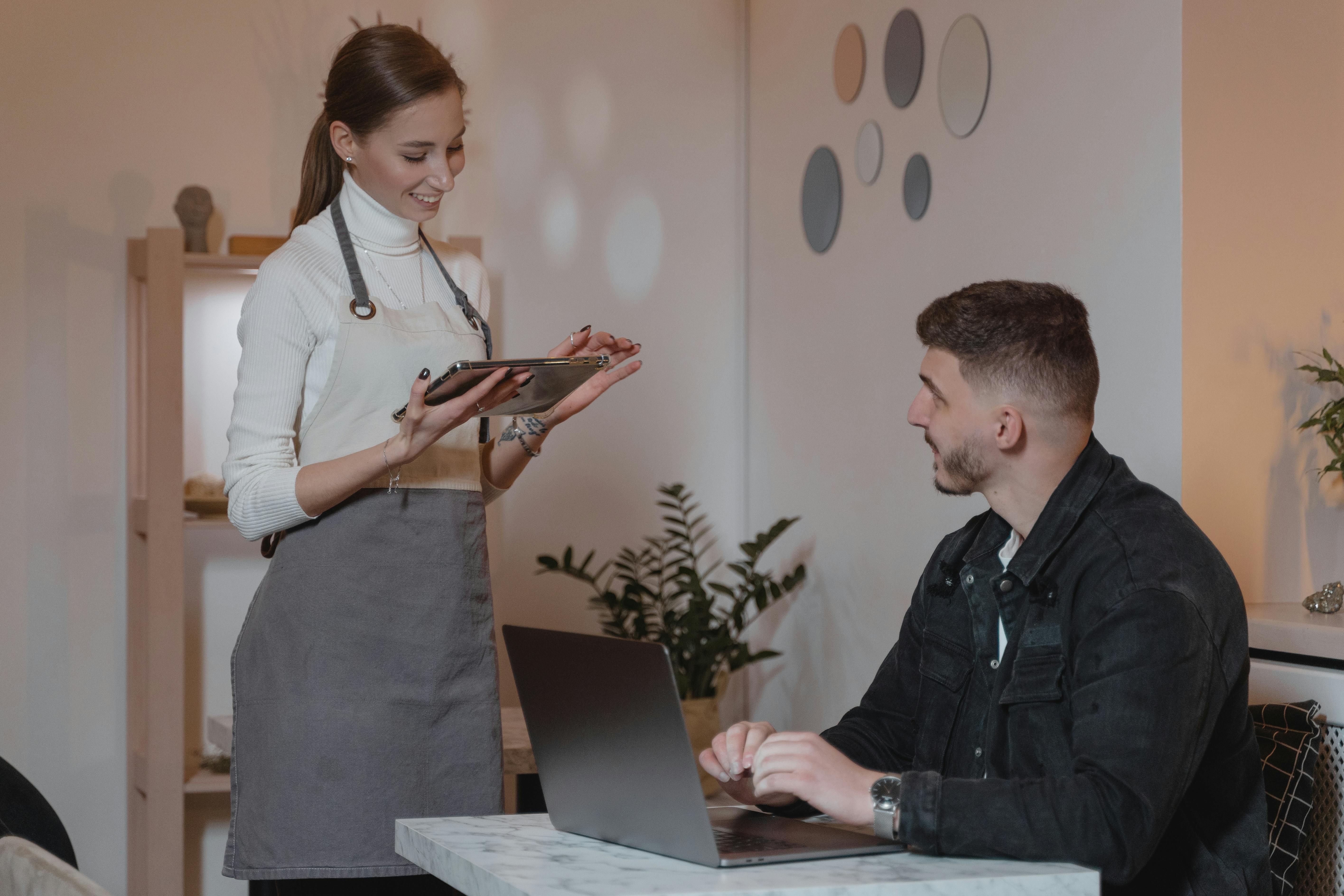
This phrase can go in two very different directions. Sometimes it’s followed by kindness, patience, and a generous tip, which every server appreciates. Other times, though, it becomes a setup for criticism dressed up as expertise.
When someone announces their former service-industry credentials right before nitpicking every detail, it can feel especially irritating. The subtext is that they know better, so the current server has no excuse for anything that falls short of perfection.
Restaurant work varies wildly by place, shift, staffing, and management. Having waited tables ten years ago doesn’t automatically mean you know exactly what this server is dealing with right now. Empathy lands better than a resume at the table.
A little awareness makes dining better for everyone

Most of these phrases aren’t annoying because of the exact words alone. It’s the tone, timing, and entitlement that can make a server feel like they’re being treated less like a person and more like a prop in someone else’s night out.
The good news is that small shifts make a big difference. Being ready when you ask for service, showing patience when things run behind, and speaking respectfully can completely change the energy at the table.
Servers remember kind guests just as much as difficult ones. And for diners, a little consideration usually leads to a smoother, warmer experience too. In other words, good restaurant manners are not just polite, they’re practical.
