
The Big Changes Coming to America’s Favorite Chain Restaurants in 2025
America’s biggest restaurant chains are entering a new era. In 2025, rising costs, tech innovation, and shifting customer preferences are forcing brands to rethink everything from menus to dining experiences. Expect smarter drive-thrus, smaller menus, revamped logos, and a renewed focus on value. Here’s a closer look at the biggest changes happening across the nation’s most beloved chain restaurants this year.
McDonald’s Doubles Down on Value
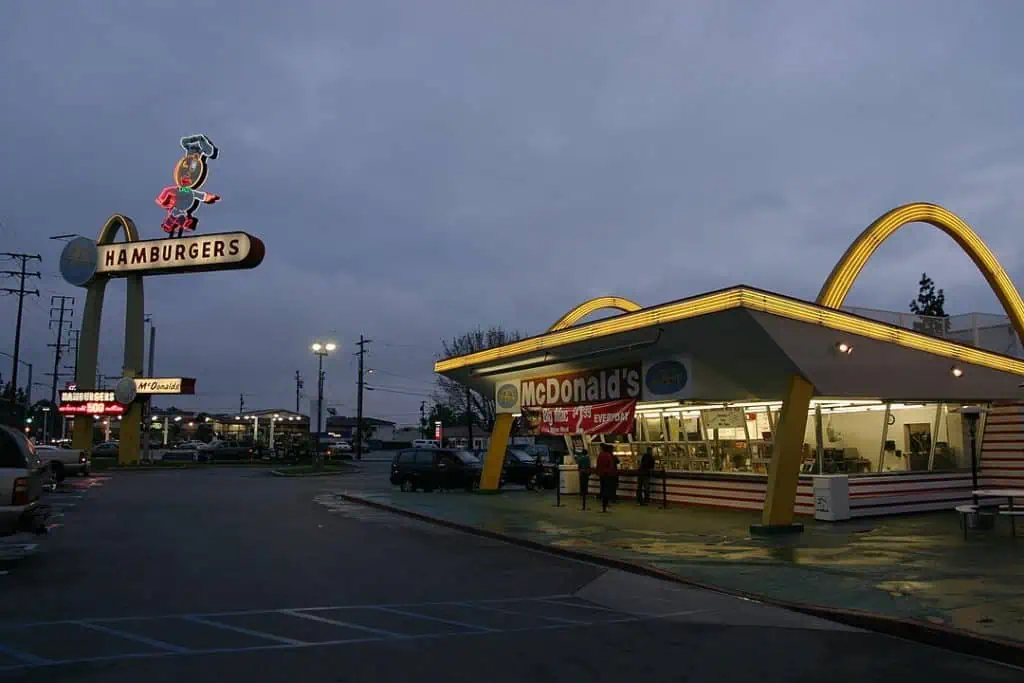
McDonald’s is simplifying its menu and reintroducing its fan-favorite $5 Meal Deal to win back budget-conscious customers. Alongside this, the chain is testing a new McValue platform, allowing customers to add sides or drinks at discounted prices. With inflation affecting dining habits, McDonald’s aims to strike a balance between affordability and profitability while also bringing back nostalgic favorites like the Snack Wrap to boost excitement.
Starbucks Simplifies Menus and Revives Its Classic Vibe

Starbucks is cutting back on overly complex drinks and ingredients, reportedly removing around 30% of menu items to improve service speed. The company is also bringing back the handwritten name on cups and restoring milk-and-sugar stations in stores moves designed to recapture the cozy, personal coffeehouse charm that defined the brand’s early years. New leadership in 2025 has made it clear: Starbucks wants to feel more like “home” again.
Chipotle Expands With High-Tech Efficiency
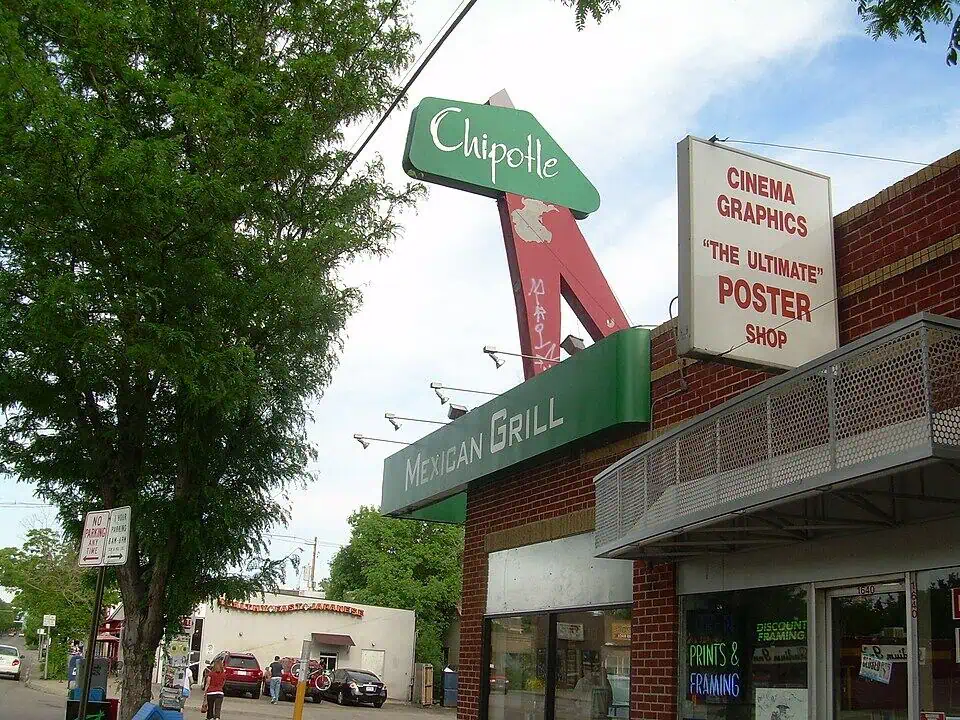
Chipotle continues to lead the fast-casual space with automation. Its new digital makelines streamline bowl assembly, ensuring consistency and faster service. The brand’s signature Chipotlane drive-thrus designed for digital orders only are also expanding nationwide, with over 300 new locations opening in 2025. By blending convenience with quality, Chipotle is shaping the future of quick-service dining.
Wendy’s Rebranding and Digital Transformation
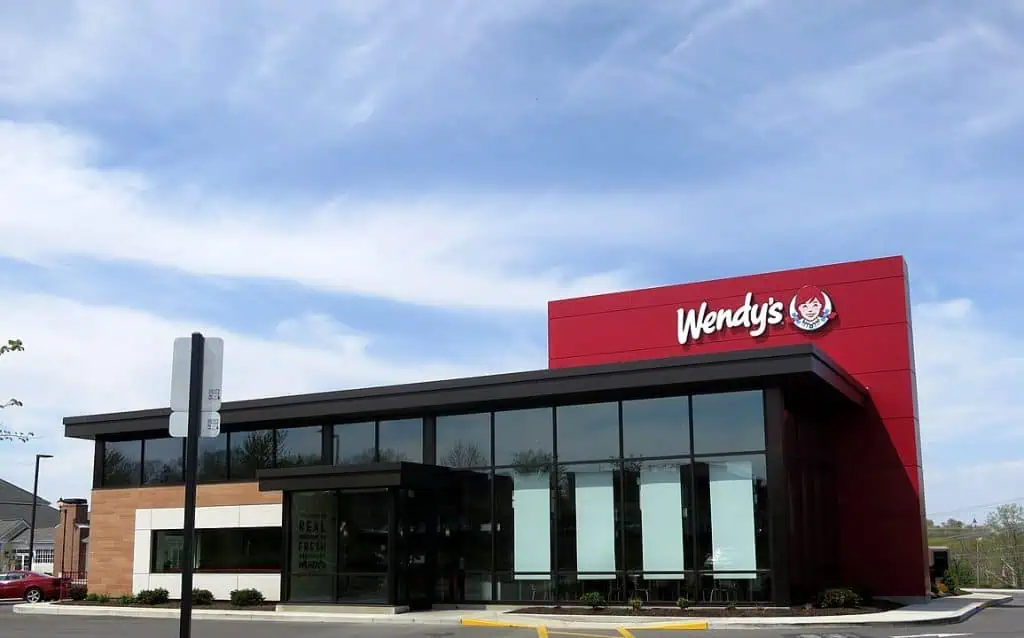
Wendy’s is undergoing a $20 million rebranding effort known as “Project Fresh,” focusing on modern interiors, digital menu boards, and redesigned packaging. The goal is to blend nostalgia with a sleek, tech-forward identity that appeals to younger audiences. Wendy’s is also testing AI-driven ordering systems to improve speed and reduce errors a clear sign that automation is becoming the industry norm.
Long John Silver’s Swaps Fish for Chicken
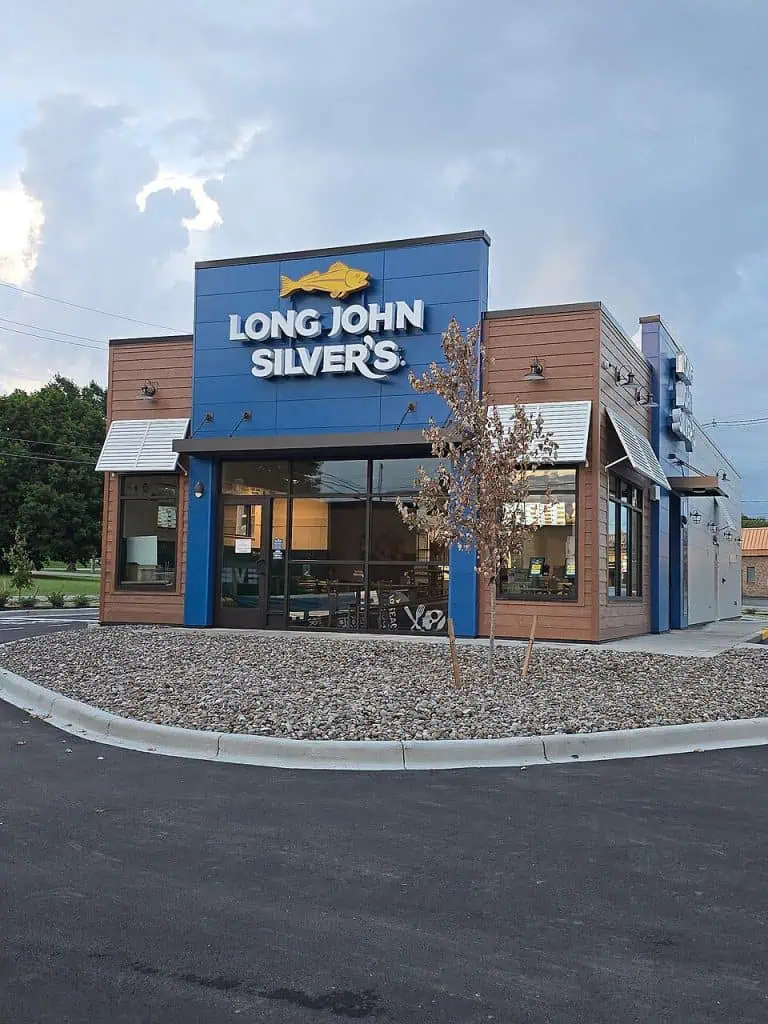
In a surprising twist, Long John Silver’s has officially removed its classic fish logo replacing it with one that highlights chicken. The move reflects a major shift in consumer demand, as fried chicken continues to dominate the fast-food market. While seafood remains on the menu, the rebrand signals the chain’s attempt to reposition itself in a more competitive, chicken-centric fast-food landscape.
Cracker Barrel Puts Remodel Plans on Hold
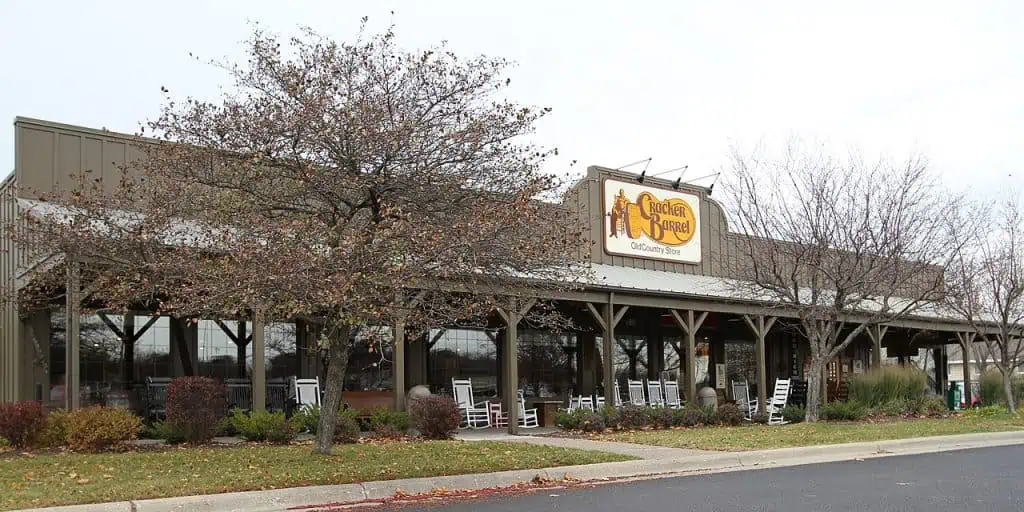
After facing public backlash over its logo redesign, Cracker Barrel has paused its nationwide remodeling plans. The company originally intended to modernize its restaurants, but customer response pushed leadership to reconsider. For now, Cracker Barrel is choosing to focus on menu innovation and digital ordering instead of rebranding a reminder that nostalgia remains a powerful part of its appeal.
Jack in the Box Closes Stores and Refocuses
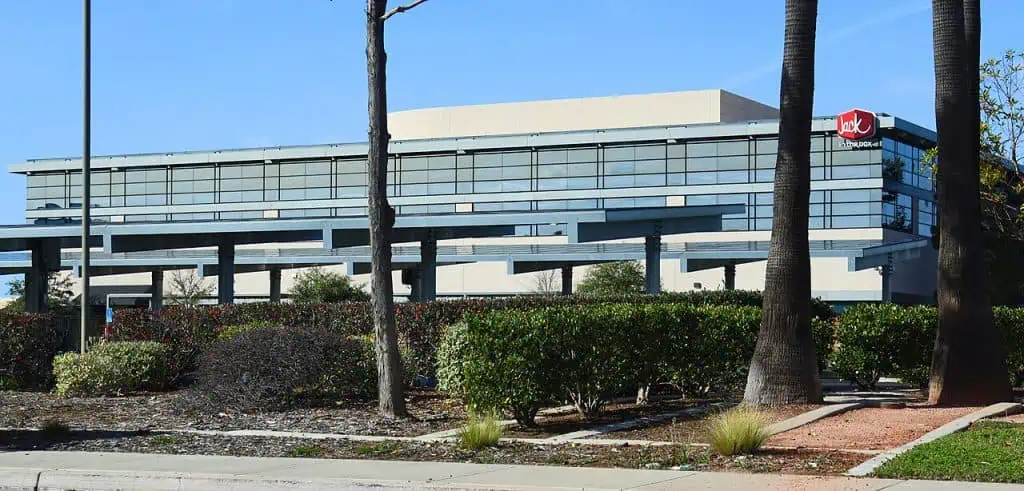
Jack in the Box is taking a hard look at its footprint, planning to close up to 200 underperforming locations by the end of the year. The closures are part of a broader restructuring plan aimed at profitability and brand stability. Meanwhile, the chain is testing smaller-format stores with limited seating, designed for faster service and delivery integration a reflection of how fast food continues to adapt to digital-first dining.
Chick-fil-A Expands Its Menu and Global Reach
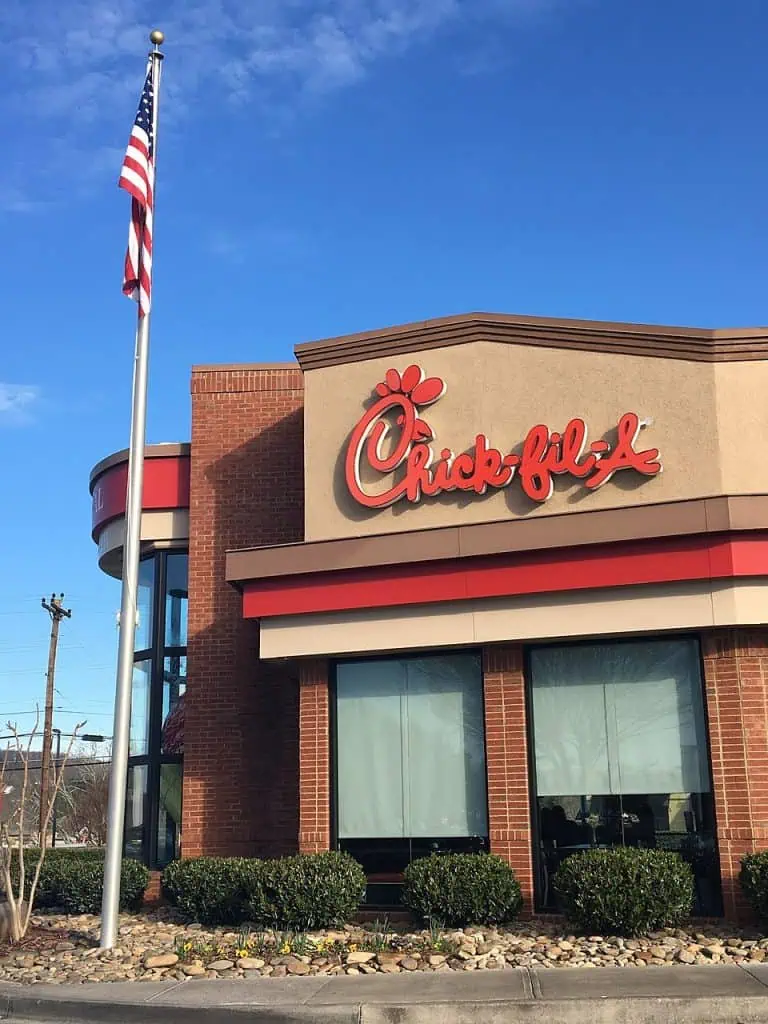
Known for consistency, Chick-fil-A is branching out in 2025 with more regional flavors and beverages. The chain recently reintroduced its Smokehouse BBQ Bacon Sandwich and debuted a pineapple passionfruit drink to cater to changing tastes. International expansion is also ramping up, with new locations opening across Europe and Asia. Chick-fil-A’s strategy combines global growth with local adaptation a balance few competitors manage well.
