
8 Low-Glycemic Carbs Recommended by Nutritionists
Low-glycemic carbohydrates are a crucial part of a balanced diet, offering steady energy without causing sharp spikes in blood sugar levels. Nutritionists often recommend these types of carbs for their benefits in maintaining sustained energy and better overall health. This guide highlights eight low-glycemic carbs that integrate seamlessly into various meals, providing options that are both nutritious and satisfying for everyday cooking.
Start Strong with Steel-Cut Oats
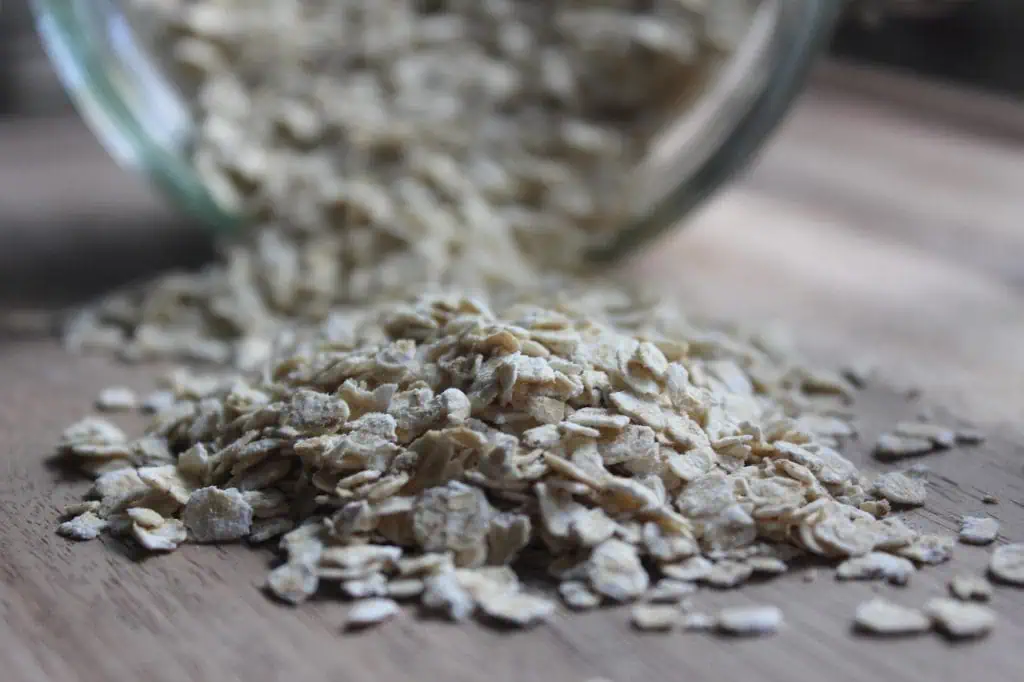
Steel-cut oats are a top choice for those seeking a wholesome breakfast option. Unlike rolled oats, steel-cut oats are minimally processed, retaining more fiber and nutrients. This grain offers a nutty flavor with a chewy texture, perfect for a hearty morning meal. To prepare, simmer in water or milk, stirring occasionally, until they reach your desired consistency. Enhance the dish with toppings like fresh berries, nuts, and a sprinkle of cinnamon to boost flavor without adding unnecessary sugars.
The Sweet Benefits of Sweet Potatoes
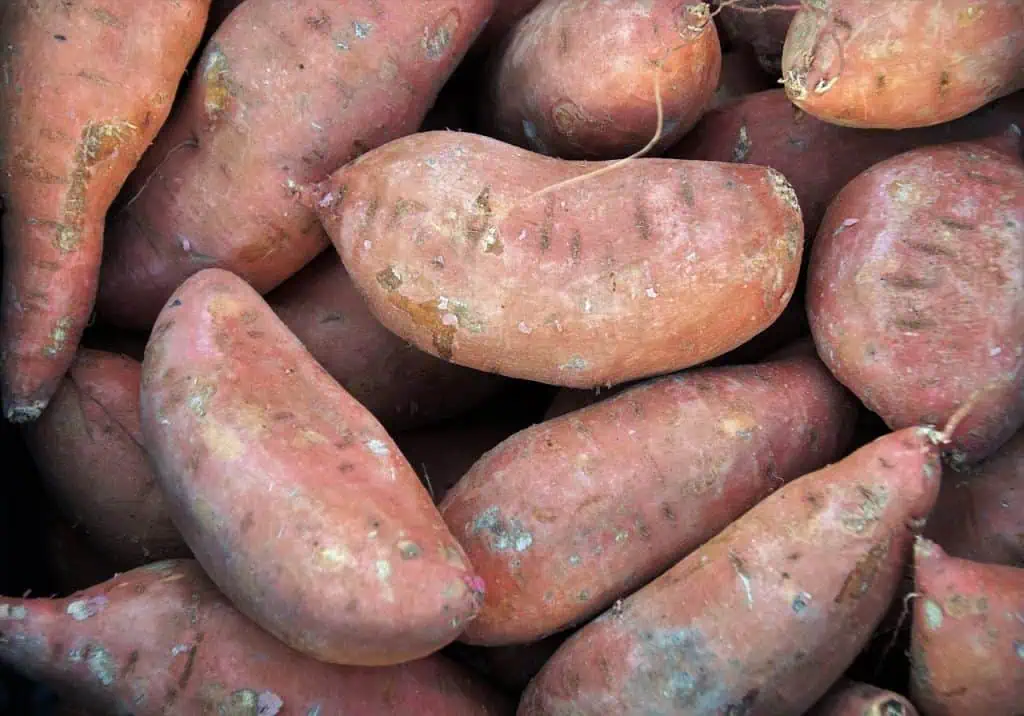
Sweet potatoes are not only deliciously sweet and satisfying but also rank low on the glycemic index. This versatile root vegetable can be roasted, mashed, or even spiralized into noodles. When baking, leave the skin on for extra fiber. They pair well with savory seasonings like rosemary and garlic. For a simple yet flavorful side, slice into wedges, toss in olive oil with a pinch of salt, and bake until crispy. Sweet potatoes offer a depth of flavor that enriches any meal.
Quinoa: A Protein-Packed Powerhouse
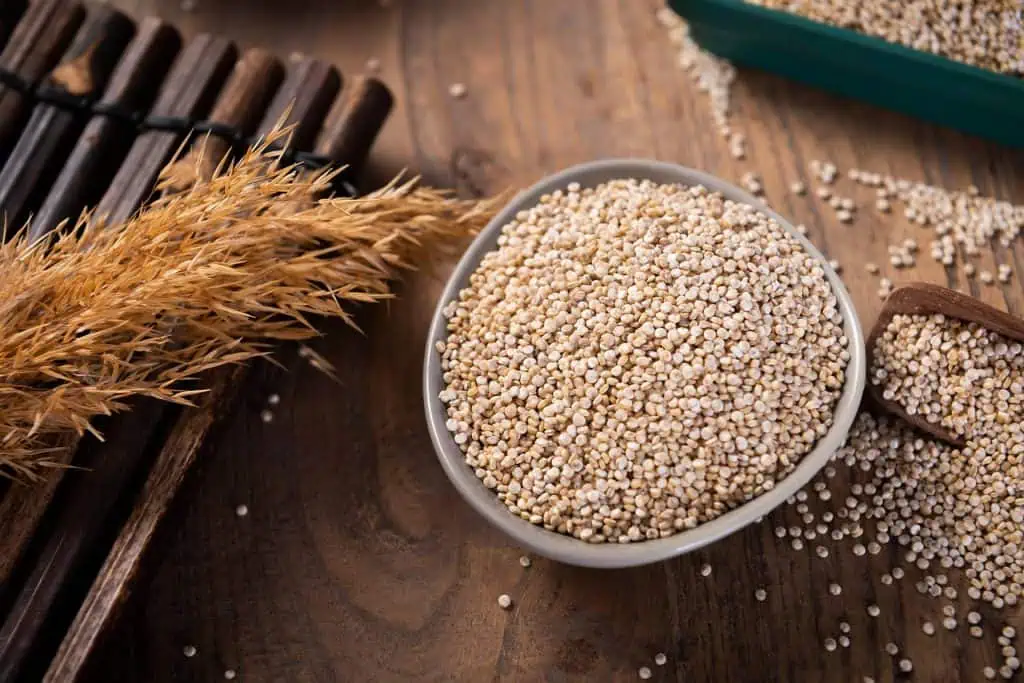
Quinoa stands out for its unique blend of carbohydrates and complete protein, making it a favorite among nutritionists. Its light, fluffy texture and mild, nutty taste adapt well to diverse culinary applications. Rinse thoroughly under cold water before cooking to remove any bitter saponin coating. Cook with a ratio of 2 parts water to 1 part quinoa until the grains become translucent. Mix into salads, or use as a base for stir-fries, enjoying a nutrient-dense boost with every bite.
Brown Rice: The Versatile Whole Grain
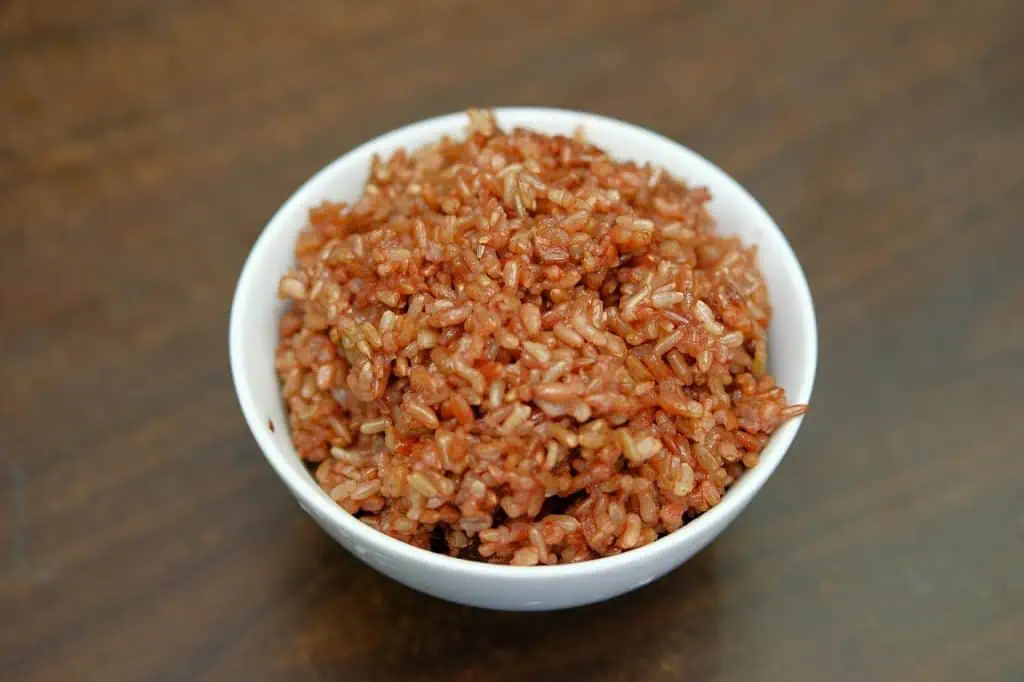
Brown rice is a classic whole grain, valued for its earthy flavor and chewy texture. It retains the bran and germ, offering higher fiber content and nutrients compared to white rice. Cook it by using a water-to-rice ratio of 2:1, bringing to a boil, then simmering gently until the liquid is absorbed. Brown rice can enhance a variety of dishes, from stir-fries to pilafs. For extra flavor complexity, try cooking it in broth instead of water. This staple grain adapts effortlessly to countless cuisines.
Lentils: Tiny but Mighty Nutrients
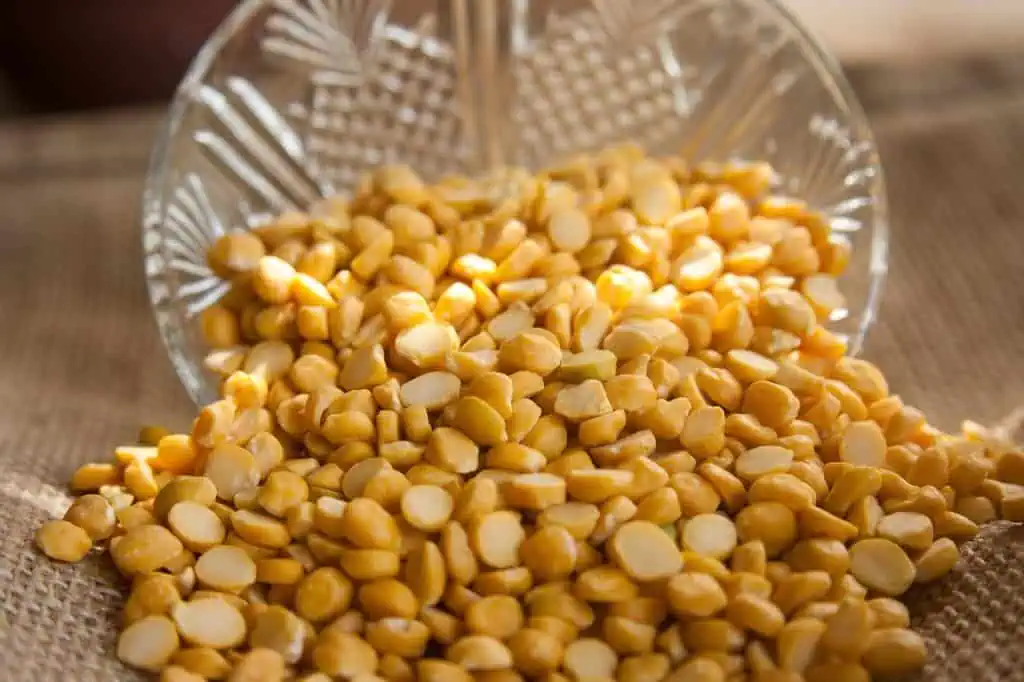
Lentils are an exceptional source of plant-based protein and fiber, making them a staple in low-glycemic diets. To prepare, rinse them thoroughly under cold water. Simmer them in a pot with a 2:1 liquid-to-lentil ratio, using vegetable broth for added depth. Cook for 20-25 minutes until tender. Their earthy flavor is a perfect base for soups or salads; pair them with cumin, garlic, and lemon juice to enhance their natural taste. Incorporate lentils into your meals to benefit from their nutritional prowess while keeping blood sugar levels stable.
Deliciously Nutritious Whole Wheat Pasta

Whole wheat pasta offers a hearty texture while delivering vital nutrients. Cook it in a large pot of salted boiling water until al dente, about 9-11 minutes, to maintain a pleasant chewiness. Reserve some pasta water before draining; its starchiness can enhance sauces. Pair with a tomato-based sauce or olive oil, garlic, and steamed vegetables for a balanced dish. The nutty flavor of whole wheat complements robust toppings like roasted peppers or sautéed mushrooms, making every bite satisfying without spiking sugar levels.
Black Beans: A Fiber-Rich Choice

Black beans are a versatile low-glycemic option, rich in fiber and protein. To prepare dried beans, soak them overnight, then simmer in water or broth until soft, about 45-60 minutes. Canned beans offer convenience but rinse them to reduce sodium content. Their creamy texture and slightly sweet flavor excel in various dishes, from chili to salads. Enhance them with spices like cumin and smoked paprika to draw out their earthiness. Black beans harmonize well in many cuisines, offering both nutritional benefits and satisfying fullness.
Crisp and Refreshing Apples
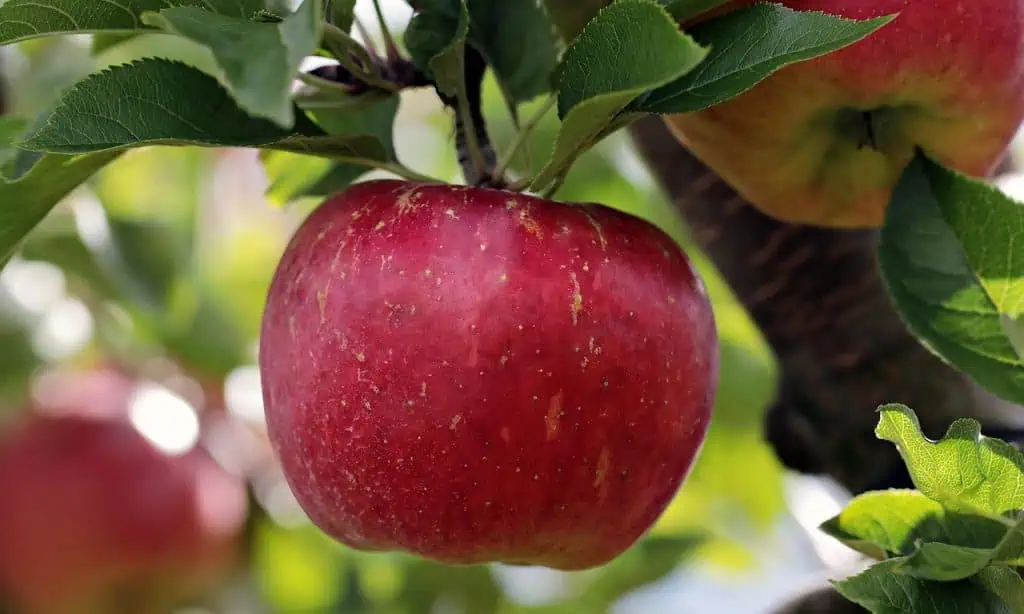
Apples are a naturally sweet and refreshing low-glycemic fruit, ideal for both snacks and cooking. When eaten raw, choose firm varieties like Granny Smith or Fuji for a pleasing crunch. If baking, opt for sweeter types like Honeycrisp, adding cinnamon to deepen the flavor. Apples can be roasted with a touch of maple syrup and nuts for a wholesome dessert. Their crisp texture and inherent sweetness make them a delightful complement to savory dishes, such as a salad with walnuts and blue cheese. Enjoy apples to indulge your sweet tooth without compromising blood sugar control.
