
12 High-Fiber Foods That Help With Bloating and Digestion
Exploring high-fiber foods can greatly impact your digestive health, easing bloating and promoting regularity. Including these options in your diet not only supports digestion but also enhances your overall nutrition. Each food offers unique benefits, from vitamins to antioxidants, that work symbiotically with their fiber content to support your well-being. This guide provides practical insights into incorporating these foods, ensuring both your palate and digestive system are well-cared for.
Crisp Apples: A Digestive Delight

Apples are a rich source of both soluble and insoluble fiber, making them excellent for digestion. The pectin found in apples is a type of soluble fiber that works like a prebiotic, stimulating the growth of good bacteria in your gut. Choose firm, crisp varieties like Granny Smith to maximize texture and flavor. Enjoy them raw, chopped into salads, or incorporate them into baked goods. Pair with a touch of cinnamon to enhance their natural sweetness and aid in digestion further.
Nourishing Oats for Smooth Digestion
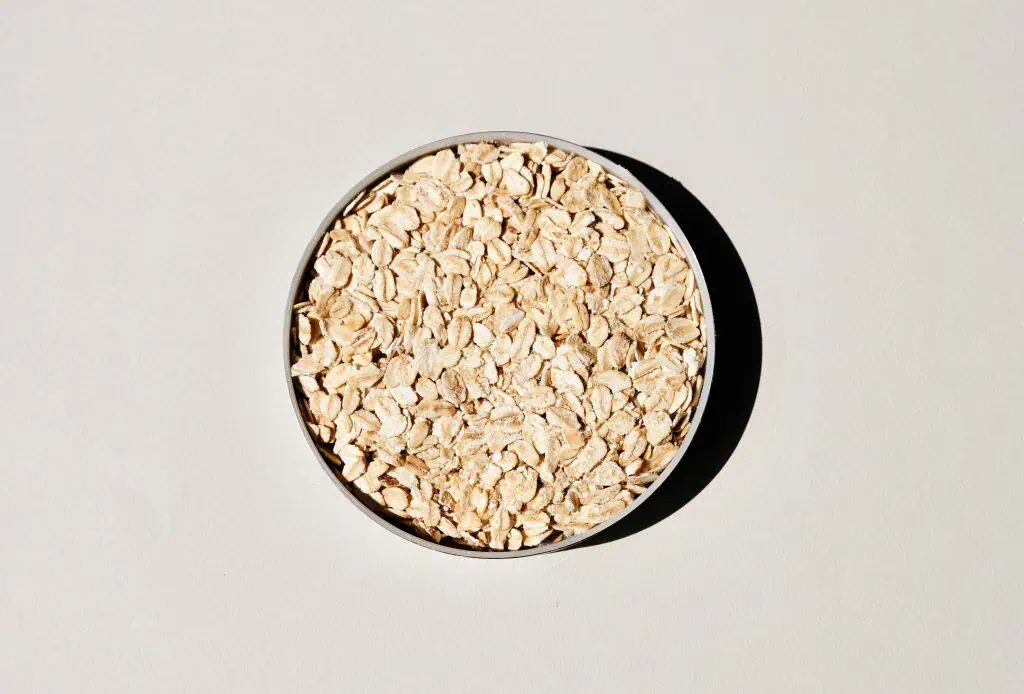
Oats are lauded for their beta-glucan, a soluble fiber that helps regulate digestive processes. Opt for steel-cut or rolled oats over instant varieties to preserve their fiber integrity. Preparing them as oatmeal or incorporating them into smoothies can enhance their digestibility. Cooking oats with water or milk creates a creamy texture while adding spices like ginger or cardamom elevates their flavor profile and aids digestion. Balance with toppings like fresh berries or a spoonful of nut butter.
Chia Seeds: Tiny but Mighty
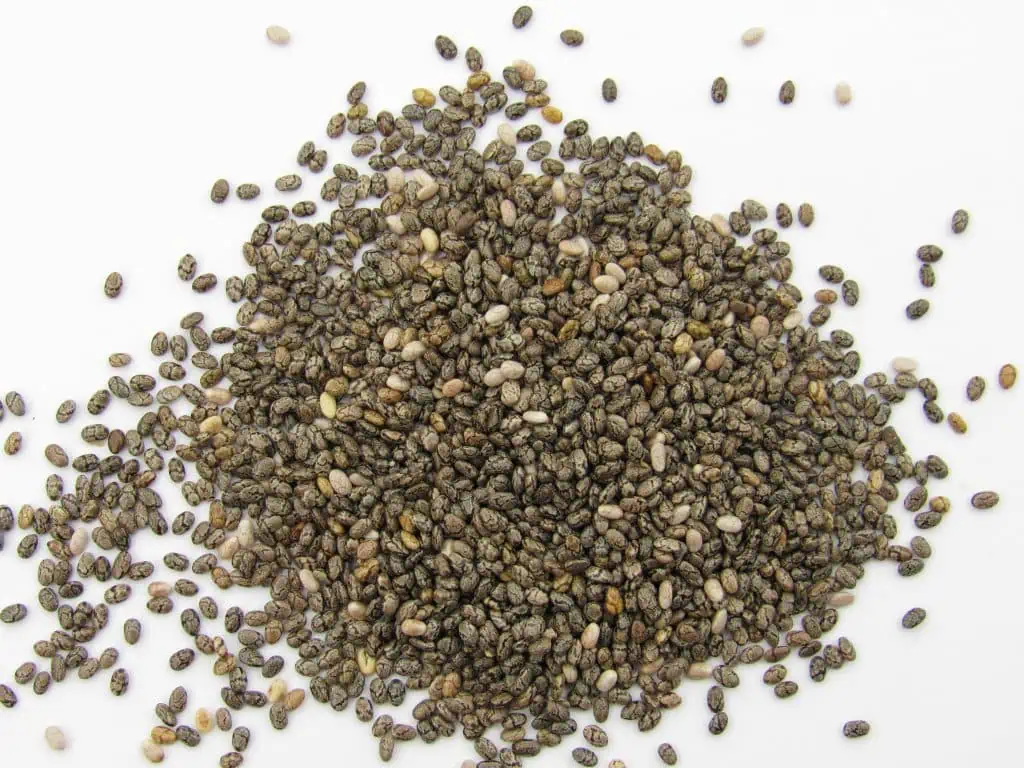
Though small, chia seeds are packed with soluble fiber, forming a gel-like texture when mixed with liquids that aids in slowing digestion. This can help prevent bloating and stabilize blood sugar levels. Add them to overnight oats, smoothies, or use as a thickening agent in puddings. Toasting them lightly can unlock a nutty flavor, enriching their taste profile. Remember to drink plenty of water to help chia seeds expand and pass through your digestive tract smoothly.
Lentils: The Fiber Powerhouse

Lentils are an exceptional source of dietary fiber, particularly soluble fiber, which promotes a healthy digestive tract. Their nutty flavor and hearty texture make them a versatile addition to soups, stews, and salads. Rinse lentils well before cooking to remove any debris and achieve optimal texture. Season with cumin and coriander to enhance their earthy notes while supporting digestion. Cook lentils in advanced batches, storing them in airtight containers, ready to enrich any meal with their fiber-rich benefits.
Creamy Avocado: A Tummy Soother

Avocado is a nutrient-dense powerhouse, rich in fiber and healthy fats. Its creamy texture makes it an excellent addition to smoothies, salads, and dips like guacamole. To prepare, slice the avocado open and remove the pit. Mash with a fork to desired consistency, adding lime juice and salt for flavor. This not only aids digestion but also provides a soothing effect on the stomach lining. The high fiber content helps regulate bowel movements, making avocado a gentle choice for those seeking digestive comfort.
Sweet Potatoes: Comfort for Your Gut
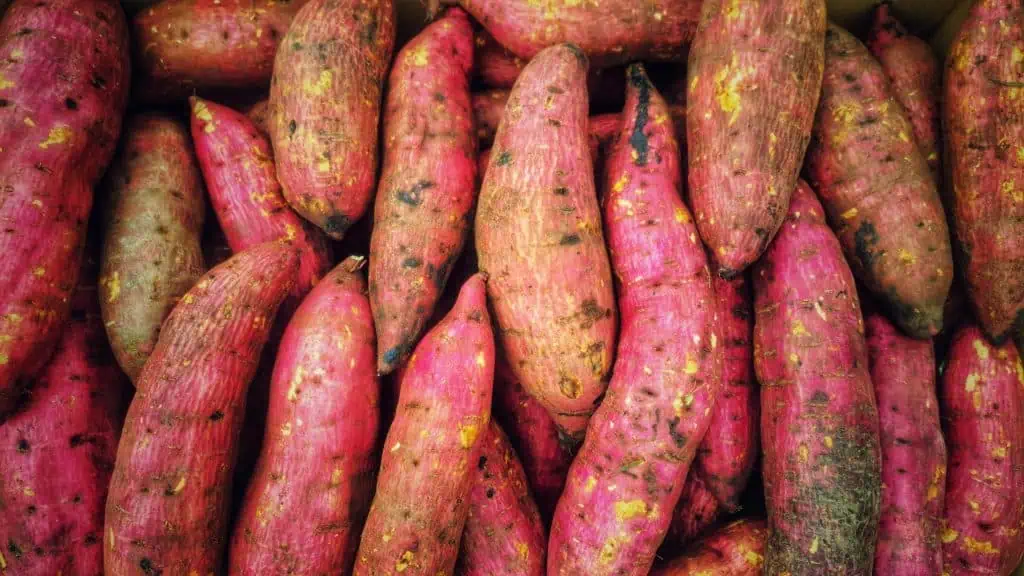
Sweet potatoes are laden with both soluble and insoluble fiber, offering outstanding support for digestive health. When baking, pierce the skin with a fork and wrap in foil to maintain moisture. Roast at 400°F until tender, about 45 minutes. Their natural sweetness complements cinnamon, which can be added before baking for a flavorful depth. Sweet potatoes provide bulk to stool, promoting regularity, and gentle digestion. This root vegetable’s high vitamin A content also supports gut mucosa, enhancing digestive tract health.
Broccoli: The Fiber-Rich Crucifer

Broccoli is a cruciferous vegetable known for its high fiber and vitamin C content. Steaming broccoli retains most nutrients, offering a tender texture. Cut florets into uniform pieces for even cooking, which should take about 5 minutes. Avoid overcooking to prevent sulfurous odors and retain a vibrant green color. Pair with lemon juice or a dash of olive oil to enhance flavor and aid digestion. Its fiber content promotes regular bowel movements, while its antioxidants support overall gut health.
Bananas: Gentle on Your Stomach

Bananas are a gentle fiber source, making them ideal for fragile stomachs. Their pectin content can aid in normalizing bowel function. Incorporate bananas into smoothies or oatmeal for a creamy texture and natural sweetness. For a quick snack, slice and pair with a dollop of yogurt. Choose ripe bananas with a few brown spots to ensure easy digestion and optimal nutrient absorption. Bananas’ high potassium levels also aid in maintaining electrolyte balance, crucial for digestive health.
Flaxseeds: Versatile Fiber Boosters
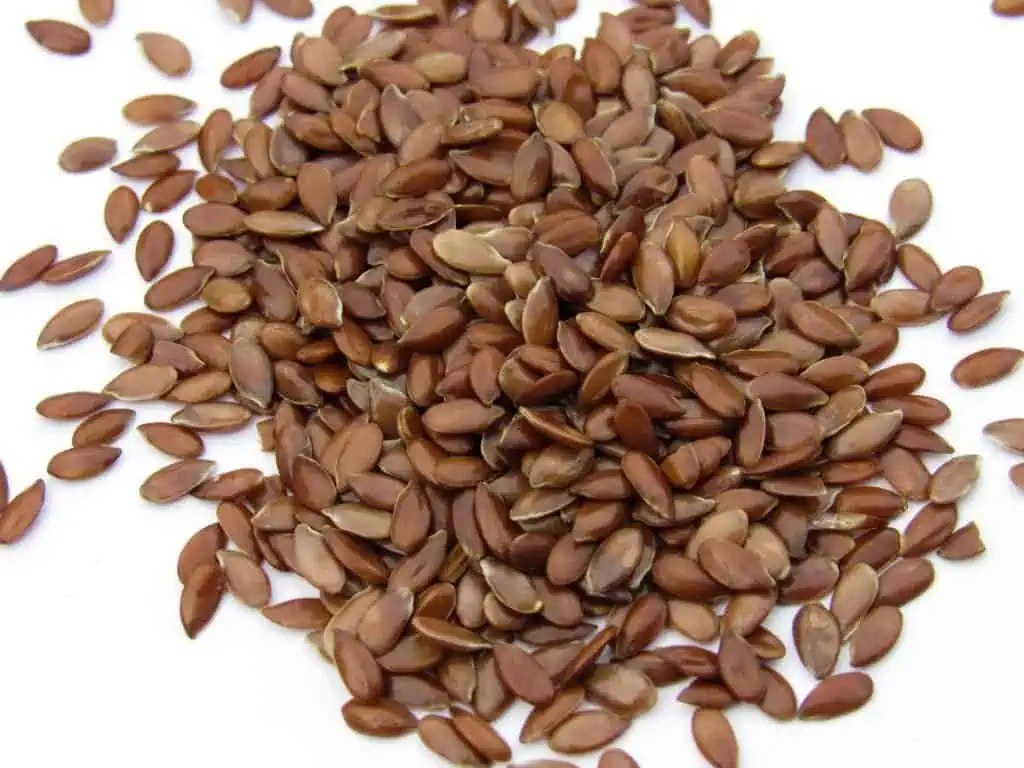
Flaxseeds are small but mighty, packed with soluble and insoluble fiber essential for digestion. Grind seeds just before use to absorb nutrients effectively. Sprinkle onto yogurt, cereals, or blend into smoothies to add texture and a mild, nutty flavor. Stirring flaxseed into water can create a gel-like emulsion, soothing for the digestive tract. Regular intake aids in stool regularity and promotes healthy bowel movements. Integrate gradually to avoid discomfort and maximize their digestive benefits.
Berries: Small but Loaded with Fiber

Berries offer a delicious and fiber-rich way to support digestion. Blueberries, raspberries, and blackberries are particularly high in fiber, making them excellent for reducing bloating. Incorporate them into your diet by adding a handful to your morning oatmeal or blending them into smoothies. Their naturally sweet flavor and juicy texture provide an easy way to boost your fiber intake while maintaining a low-calorie profile. When selecting berries, opt for vibrant and plump ones to ensure freshness. Rinse them gently under cool water and pat dry to preserve their delicate structure.
Artichokes: Fiber for the Win

Artichokes are a wonderful, high-fiber vegetable often overlooked in everyday meals. One medium-sized artichoke contains about 7 grams of fiber, contributing significantly to your daily needs. Steam artichokes to maintain their nutrients, then enjoy them with a simple lemon vinaigrette. Their mild, nutty flavor pairs well with a variety of dishes. When preparing, remove the tough outer leaves and trim the tips to reveal the tender heart. This preparation step is essential for ensuring the artichokes are easy to eat and digest.
Spinach: The Leafy Green Fiber Source
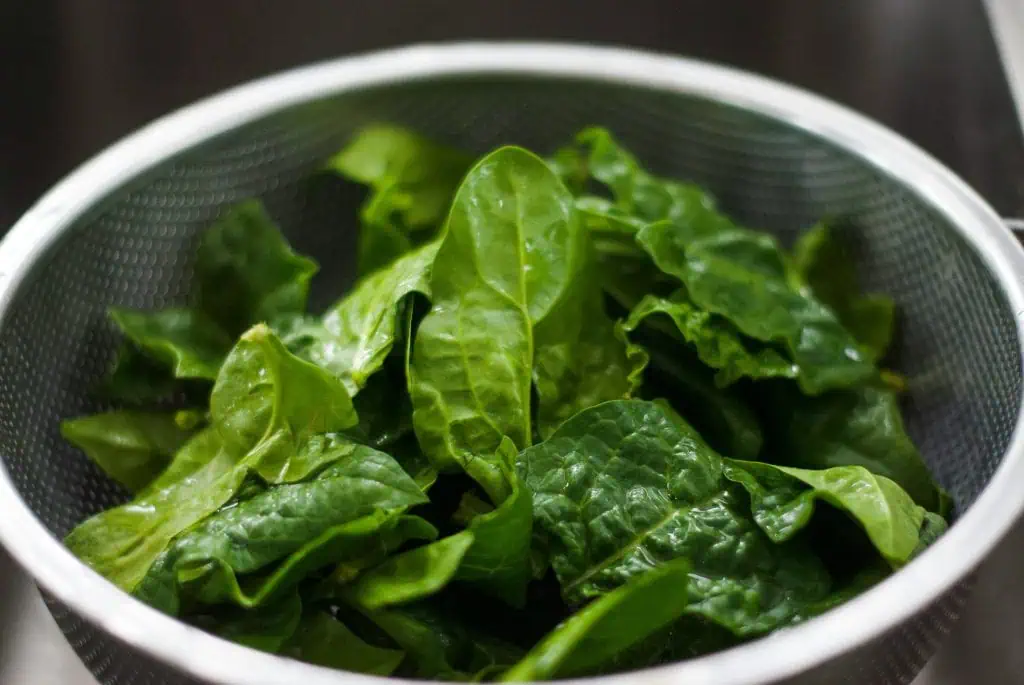
Spinach, with its versatile nature and exceptional nutritional profile, is an excellent addition for fiber intake. Each serving contains a good amount of fiber along with essential vitamins and minerals. Use fresh spinach in salads or sauté it with garlic for a quick side dish. Select crisp, vibrant leaves for maximum flavor and nutritional value. To retain its texture and color when cooking, add lemon juice or vinegar. This simple technique helps spinach maintain its bright, appealing look, making it not just healthy but also visually inviting on the plate.
