
You’re Paying the Same, But Getting Less: The Grocery Shrink Ray Has Hit These Items
Walking through the supermarket in early 2026 feels familiar, yet your grocery bags seem lighter than they did just a year ago. This isn’t your imagination; it’s “shrinkflation,” a tactic where manufacturers reduce product volume while keeping prices steady. It is the invisible version of a price hike that allows brands to maintain their profit margins without triggering immediate “sticker shock” for consumers.
By the time you notice your cereal box is thinner or your yogurt cup has a deeper indent at the bottom, the change has already become the new industry standard. In 2026, analysts report that over 78% of shoppers have noticed this trend specifically in snack foods and paper products. Understanding how this process works is the first step in protecting your household budget from these sneaky reductions. It’s not just about what you pay anymore; it’s about exactly how much you’re getting for that dollar.
The Cereal Box Illusion
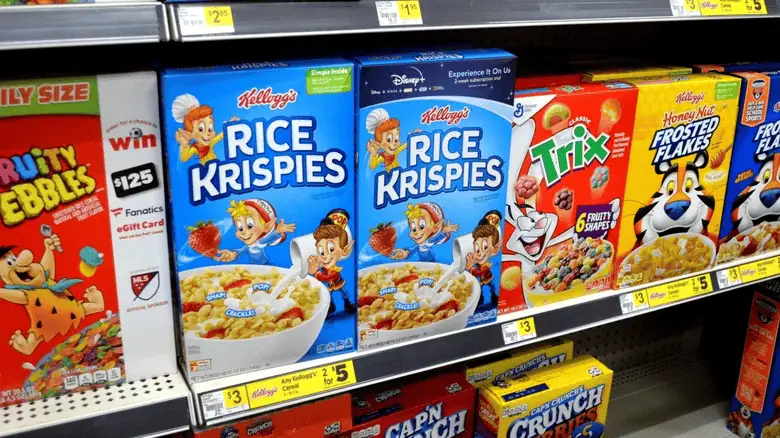
Cereal remains the “hall of fame” leader for shrinkflation in 2026. If you look closely at the shelves, the boxes still look tall and wide, but they have become remarkably thin when viewed from the side. Manufacturers have perfected the art of “face-forwarding,” where the packaging maintains its shelf presence while the actual weight of the corn flakes or oats inside has dropped by 10% to 15%.
A standard 18-ounce box from two years ago has quietly become a 15.5-ounce box today, often for the same $5.99 price tag. To combat this, you must ignore the height of the box and look strictly at the net weight printed at the bottom. In 2026, generic or store-brand cereals are often the last to shrink, providing a much better value per bowl. Don’t let the colorful mascots and tall cardboard fool you—the air-to-cereal ratio is higher than ever before.
The Chocolate and Coffee Cutback

Sweet treats and morning brews are the primary victims of 2026’s “skimpflation” and “shrinkflation.” Global cocoa shortages have pushed manufacturers to reduce the weight of standard chocolate bars by up to 15% while keeping prices steady. Some brands have even quietly swapped real cocoa butter for cheaper vegetable oils to maintain profit margins.
Coffee brands are also following suit, with the classic 12-ounce bag shrinking to 10 ounces in many major supermarkets. In early 2026, experts noted that even “white chocolate” snacks are being reformulated to contain less than 20% cocoa butter to save on costs. This means you aren’t just getting a smaller portion; you are often getting a lower-quality product for the same amount of money. Checking the net weight on every package is now the only way to ensure your morning ritual isn’t becoming an overpriced luxury.
The Shrinking Snack Bag
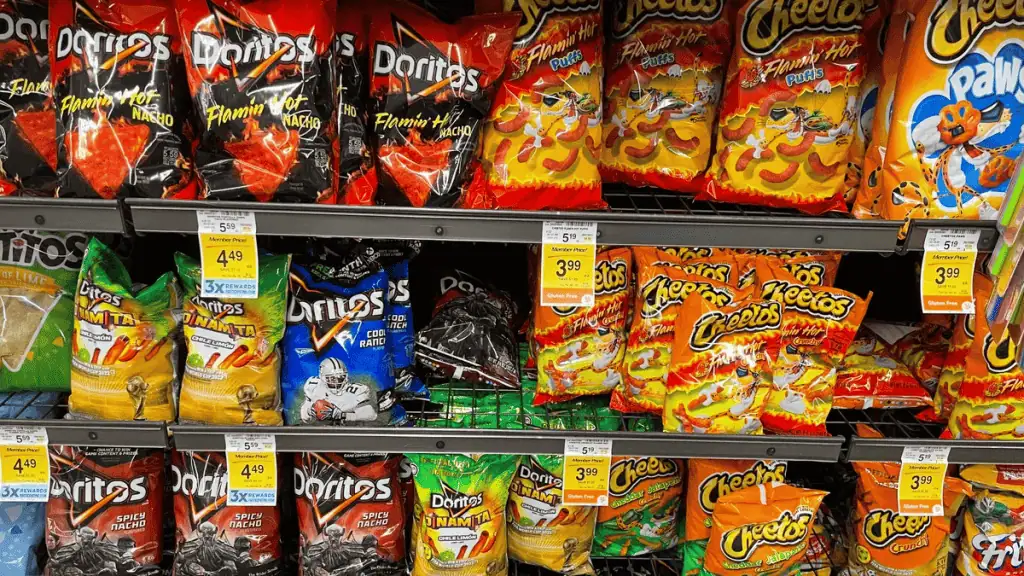
Snack foods like chips, crackers, and pretzels are currently the most affected category for 2026 shrinkflation. The “family size” bag you bought for movie night has quietly lost about two ounces of product, while the “slack fill”, the nitrogen gas used to protect the chips, has increased. This creates a bag that feels full and pressurized but contains significantly fewer servings than before.
Chocolate bars and pre-packaged cookies have also seen subtle changes, such as deeper grooves in the chocolate or fewer cookies per tray. Brands justify this by claiming it helps with “portion control” or “sustainability,” but the reality is strictly financial. Buying these items in bulk at warehouses like Costco is often the only way to get the original sizes at a reasonable price point. Otherwise, you are paying for a premium snacking experience that ends much sooner than you expect.
Frozen Meals and Dairy Dips
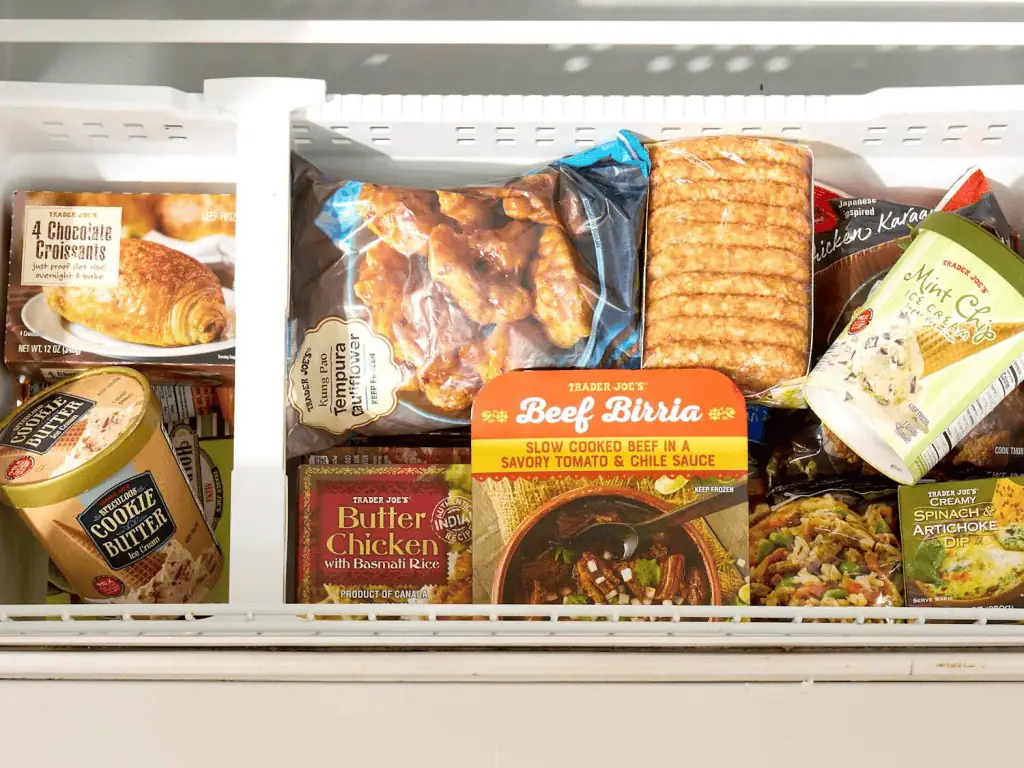
The frozen food aisle and the dairy case haven’t been spared from the 2026 downsizing trend. Frozen “hungry-man” style dinners have seen a reduction in protein portions, often replaced with cheaper fillers like corn or mashed potatoes. Meanwhile, the standard 16-ounce pint of ice cream is increasingly being replaced by 14-ounce “sculpted” containers that look similar but hold less.
Yogurt containers are also a major offender, with the bottom of the cup being pushed further inward to reduce volume without changing the outer dimensions. These changes are particularly hard to spot because we are conditioned to recognize the shape of the container rather than the number on the label. In 2026, checking the “unit price” (price per ounce) on the store’s shelf tag is your only real defense. If your favorite brand has shrunken its portion, it might be time to switch to a competitor that is still offering a full pint.
