
16 Kitchen Gadgets That Are Now Obsolete
In modern kitchens, technology continuously evolves, rendering some traditional gadgets obsolete. Home cooks now seek efficiency and multi-functionality, opting for devices that streamline processes. Let’s explore a few relics from the past and consider how they’ve been replaced by more contemporary alternatives.
Manual Can Opener: A Pain to Crank

Once a staple in every kitchen, the manual can opener requires precision and patience. Its gear-driven mechanism demands a steady hand to avoid jagged edges. Today’s electric can openers and pull-tab cans have simplified this task, offering safer and faster solutions. Electric models clamp securely onto cans, eliminating the need for manual effort.
Bread Machine: A Kneaded Excess

Bread machines were prized for their convenience, yet their bulk and limited use have led many to abandon them in favor of versatile stand mixers. These modern mixers, equipped with dough hooks, handle multiple tasks, from whipping cream to kneading dough, optimizing space and functionality in the kitchen.
Citrus Reamer: Twist and Shout No More

Citrus reamers, known for their manual juicing method, often result in a labor-intensive experience and incomplete extraction. Electric juicers now offer more efficient alternatives, providing greater yield with minimal effort. By applying consistent pressure and rotation, they maximize juice extraction and reduce prep time.
Meat Grinder: Grounded in the Past

The manual meat grinder, with its cumbersome hand-crank, has largely been superseded by electric models. These devices grind meat rapidly, ensuring a consistent texture without the physical exertion. Additionally, electric grinders often come with various attachments for diverse culinary applications, enhancing their practicality.
Garlic Press: Pressed for Time
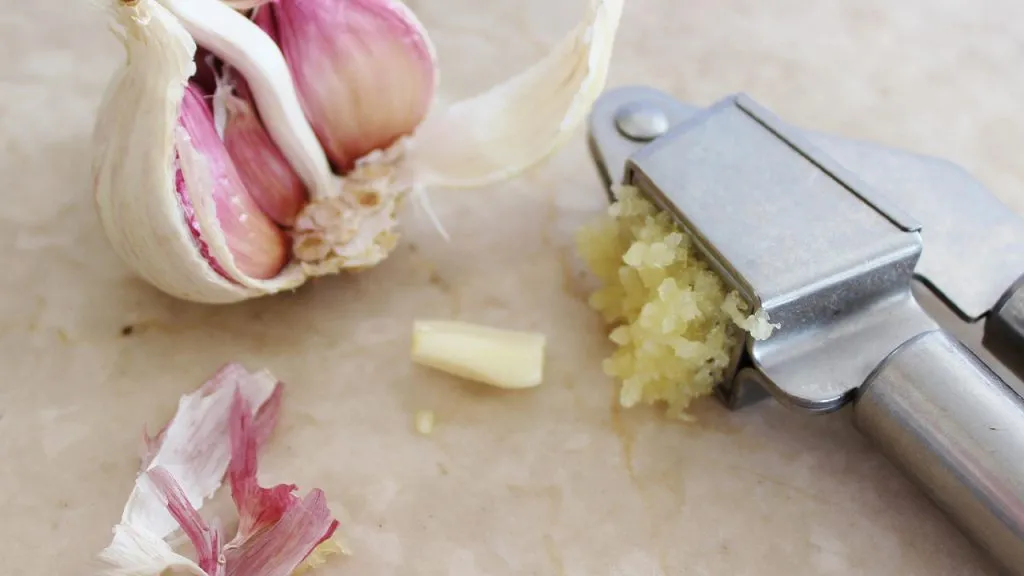
Streamline your garlic prep with simple knife techniques instead of a garlic press. A well-sharpened chef’s knife can finely mince cloves by first crushing them with the blade’s side. This releases oils, enhancing flavor. By mastering this method, you eliminate excess cleanup associated with a garlic press and gain better control over garlic’s texture in your recipes. Moreover, integrating garlic paste directly into your dish enhances its aromatic profile without the mushy remnants a press often leaves.
Butter Churn: Churning Memories

The butter churn has given way to efficient modern tools, yet creating homemade butter is still within reach using a stand mixer. Churn heavy cream at a medium speed until it separates into butter and buttermilk. Gather the solid butter, rinse it under cold water to remove residual buttermilk, and knead with a spatula until smooth. Add a pinch of salt or herbs for flavor variation. This method delivers fresh butter with a creamy texture while preserving a touch of traditional craftsmanship.
Salt Box: A Pinch of Nostalgia

While salt boxes once reigned supreme for easy access, today, precise seasoning relies on adjustable grinders or pinch bowls. These modern solutions allow measuring exact amounts and preserving freshness. Opt for a high-quality manual grinder to release natural oils at the moment of seasoning, enhancing flavor. Pinch bowls, meanwhile, offer tactile precision for seasoned cooks who savor the process. Both options encourage a sensory, controlled seasoning approach, surpassing the once-static salt box.
Rice Washer: Washed Away

Embrace a streamlined approach to rice preparation by utilizing a fine mesh strainer instead of a dedicated rice washer. Place desired rice under cool running water, swirling with your hand to remove excess starches, which can lead to gummy textures. This method ensures grains remain distinct and fluffy post-cooking. Consistently rinsing rice as part of your preparation routine will elevate the quality of your dishes and simplify kitchen cleanup, removing the need for another single-use tool.
Egg Separator: Separating Myths

Sidestep the egg separator by using your hands or the shell for a more intuitive approach. Crack the egg and gently tip its contents from one half-shell to the other, allowing whites to fall away. Alternatively, let the egg slide through slightly parted fingers, capturing the yolk. These methods foster a closer connection with ingredients, honing your tactile skills. Mastering this technique minimizes unnecessary tools and increases efficiency, offering a practical yet refined kitchen experience.
Hand-Crank Egg Beater: Beating the Odds

The hand-crank egg beater was once a staple for beating eggs and light batters, its nostalgic charm now overtaken by modern electric mixers. While it offers tactile control, the effort and time compared to swift, efficient electric alternatives make it less appealing. For those who appreciate its vintage allure, it’s best reserved for small, quick tasks. However, for whipping egg whites or heavy mixes, a hand mixer provides consistent results with less strain, allowing more focus on the precision and timing crucial for achieving fluffy peaks.
Pizza Scissors: Cut Out

Pizza scissors once promised precision, but the practicality falls short compared to a classic pizza wheel or rocker blade. Their design can struggle with evenly slicing through varied crusts without dragging toppings. Traditional slicers glide through with ease, offering clean, consistent slices. For a crispy crust, use a steady sawing motion with a serrated knife if a wheel isn’t available. This ensures toppings remain intact, and the slice retains its structure, highlighting the importance of selecting tools that match the texture and density of the dish.
Meat Thermometer-Dial: Overcooked Tech

Dial meat thermometers, with their slow response and imprecise readings, have given way to digital counterparts. For accurate, fast temperature checks that ensure juiciness and safety, an instant-read digital thermometer excels. It provides confidence in achieving the perfect doneness without the guesswork. Insert the probe into the thickest part of the meat, avoiding bones, to get a true reading. This small adaptation can elevate dishes from overcooked to succulent, emphasizing the importance of precision in culinary success.
Ice Cream Scoop with Water: Melted Idea

Ice cream scoops with water-filled handles promised easy scooping but fell short in practice. A stainless steel scoop, dipped in warm water before each use, delivers smoother, cleaner servings. This technique helps glide through even the hardest ice cream, preventing cracks and preserving texture. A gentle squeeze releases the perfect round every time. Prioritize sturdy, balanced scoops that handle pressure without bending, and maintain consistent temperature application for flawless results, embracing simplicity over complexity.
Pineapple Corer: A Core Dilemma
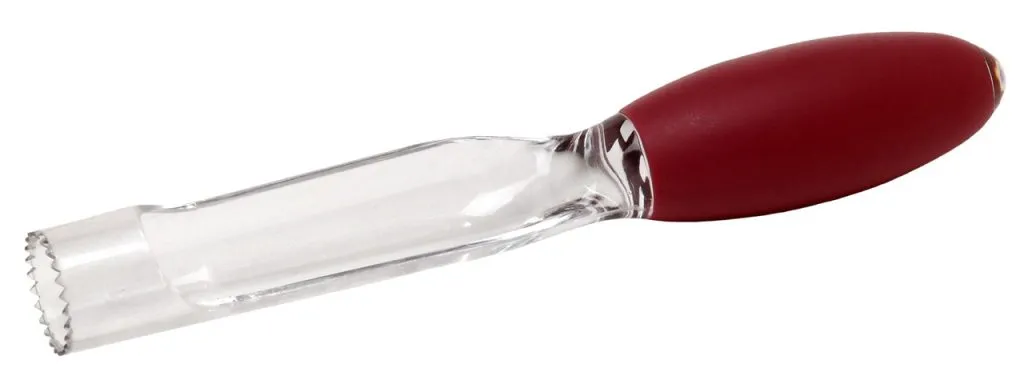
Pineapple corers aim to simplify, yet often leave behind waste and variable results. Mastery with a sharp chef’s knife accomplishes more with less. Slice off the crown and base, then along the skin, following the curve. Quarter, remove the core with a triangular cut, achieving precision in both flavor and presentation. This method offers maximum yield and control over texture. Skillful knife work enhances the experience, offering a practical, efficient alternative while expanding knife skills and culinary craftsmanship.
Potato Ricer: Riceless Effort

The potato ricer was once a staple in creating smooth, fluffy mashed potatoes. However, newer tools like a high-quality food processor or an immersion blender can deliver similar results with less effort and clean-up. When using a food processor, briefly pulse cooked potatoes with butter and cream, taking care not to over-process, which can lead to gumminess. An immersion blender offers control, allowing you to blend in the pot without transferring. These modern options streamline the process, making the ricer less essential in today’s kitchen.
Recipe Card Box: Cards Against Change
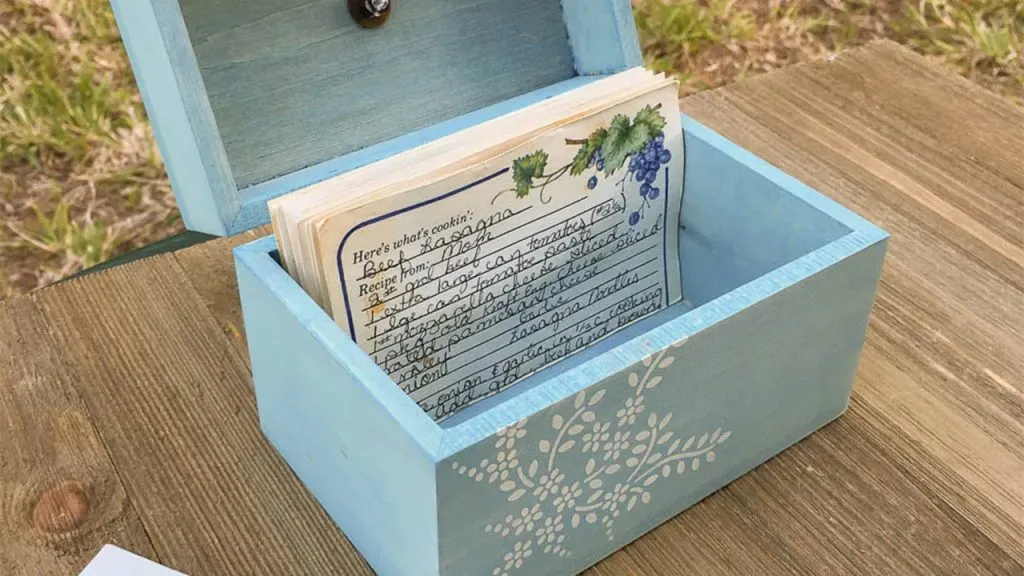
The traditional recipe card box has been rendered less crucial by digital solutions. While nostalgically valuable, card boxes can be cumbersome for modern cooks who seek efficiency. Apps and websites allow easy organization, sharing, and scaling of recipes without the clutter. For those who prefer a tactile element, consider a sleek recipe book with transparent sleeves for printed cards or pages. This hybrid approach maintains the charm of handwritten cards while adapting to a more practical, modern kitchen workflow.
