
15 Forbidden Foods in the U.S.
Here’s a food truth that might surprise you: some of the most famous dishes in the world are actually illegal in the United States. Not because they taste bad—quite the opposite. We’re talking about creamy, buttery foie gras, luxurious beluga caviar, and even a popular chocolate egg with a toy inside. Yep, Kinder Surprise is banned here. So is raw milk in many states, and the Scottish national dish haggis. Why? The reasons run the gamut from animal welfare and endangered species protection to safety concerns and even the fear of a little wormwood (looking at you, absinthe). Some of these foods are dangerous. Others are just… controversial. But all of them have a story.
In this article, we’re diving into 15 foods that face bans or restrictions in the U.S.—from shark fin soup and fugu (the lethal pufferfish) to casu marzu, a Sardinian cheese literally crawling with live insects. You’ll learn why ackee fruit can be toxic if eaten too early, why the FDA says no to sheep’s lung in haggis, and why ortolan bunting is eaten under a napkin in secret. Don’t worry—we’re not telling you to break any laws. We’re just exploring the fascinating line between delicious and forbidden. Hungry for a little culinary adventure? Let’s go.
The Raw Truth About Milk

Unpasteurized, or raw, milk is revered for its pure taste and enzymes. Yet, due to potential bacterial contamination, its sale is restricted in many U.S. states. Advocates highlight its creamy texture and complex flavor, but regulatory focus remains on safety, urging consumers to weigh risks against raw milk’s distinct qualities.
Foie Gras: A Delicacy in Dispute
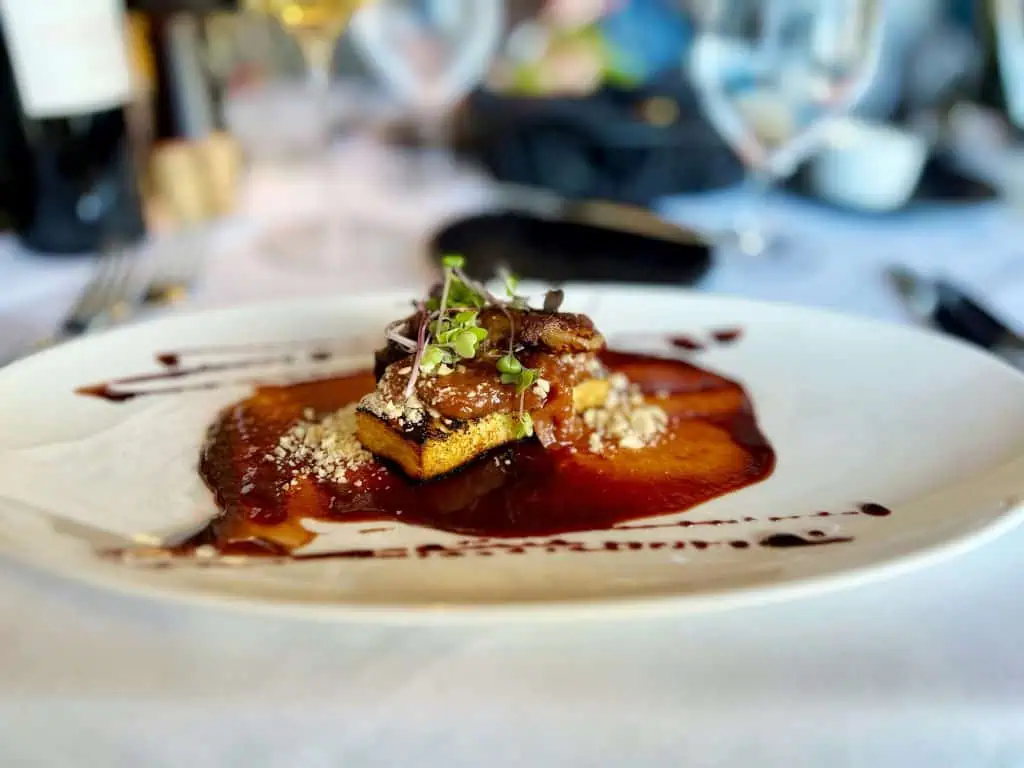
Foie gras, derived from force-feeding ducks or geese, is celebrated for its rich, buttery flavor and smooth texture. However, animal welfare concerns have led some states to ban its production and sale, sparking debate over culinary tradition versus ethical considerations.
Shark Fins: Controversy in a Bowl
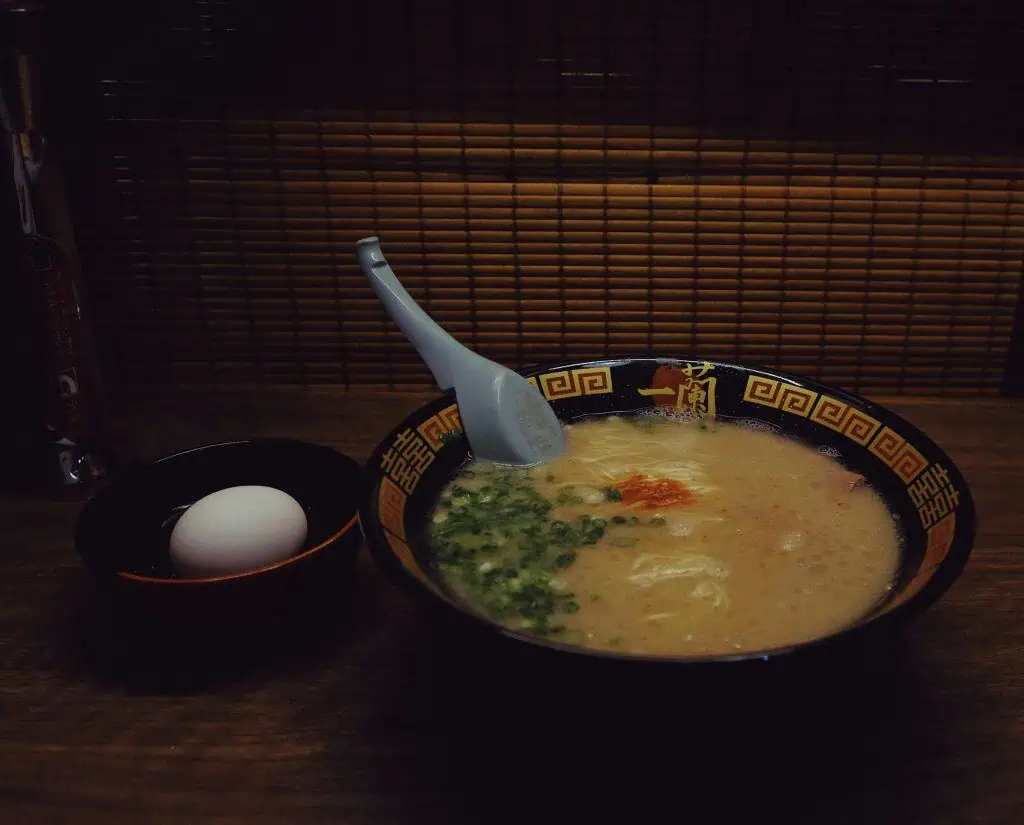
Shark fin soup, prized for its gelatinous texture and prestige, faces significant backlash due to the cruel practice of finning. This has led to state-level bans aiming to protect shark populations. Culinary experts must consider sustainable alternatives, balancing tradition with conservation.
Beluga Caviar: Eggs Out of Bounds
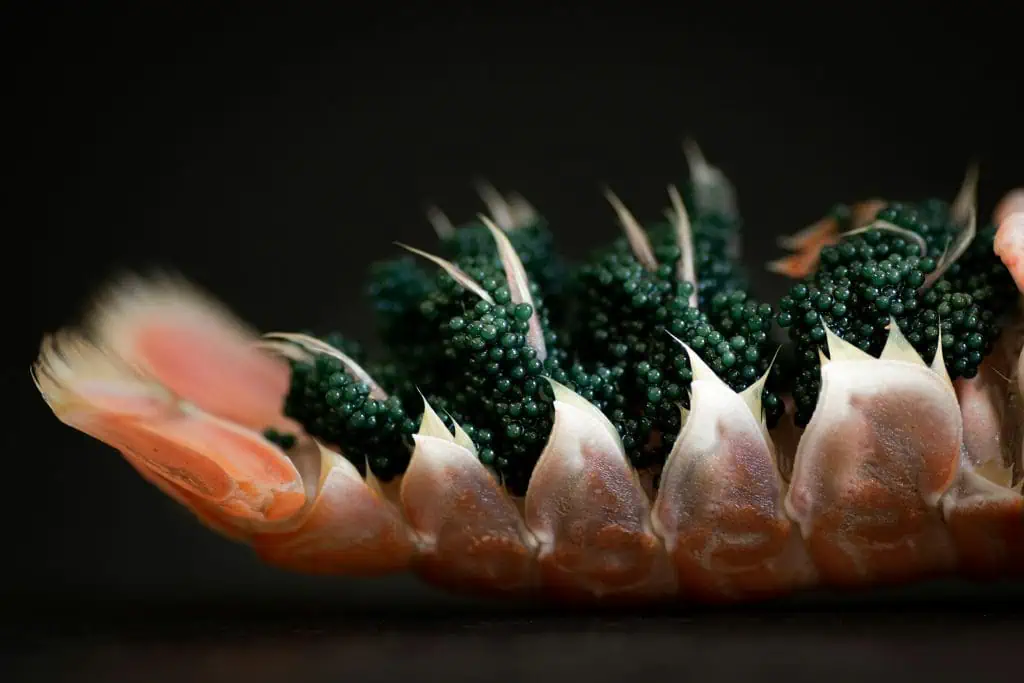
Luxuriously soft and brimming with delicate briny notes, beluga caviar is renowned worldwide. However, due to the endangered status of beluga sturgeon, import is banned in the U.S. Efforts focus on sustainable caviar that mirrors its exquisite texture, offering gourmet indulgence without ecological cost.
Kinder Surprise: A Forbidden Joy
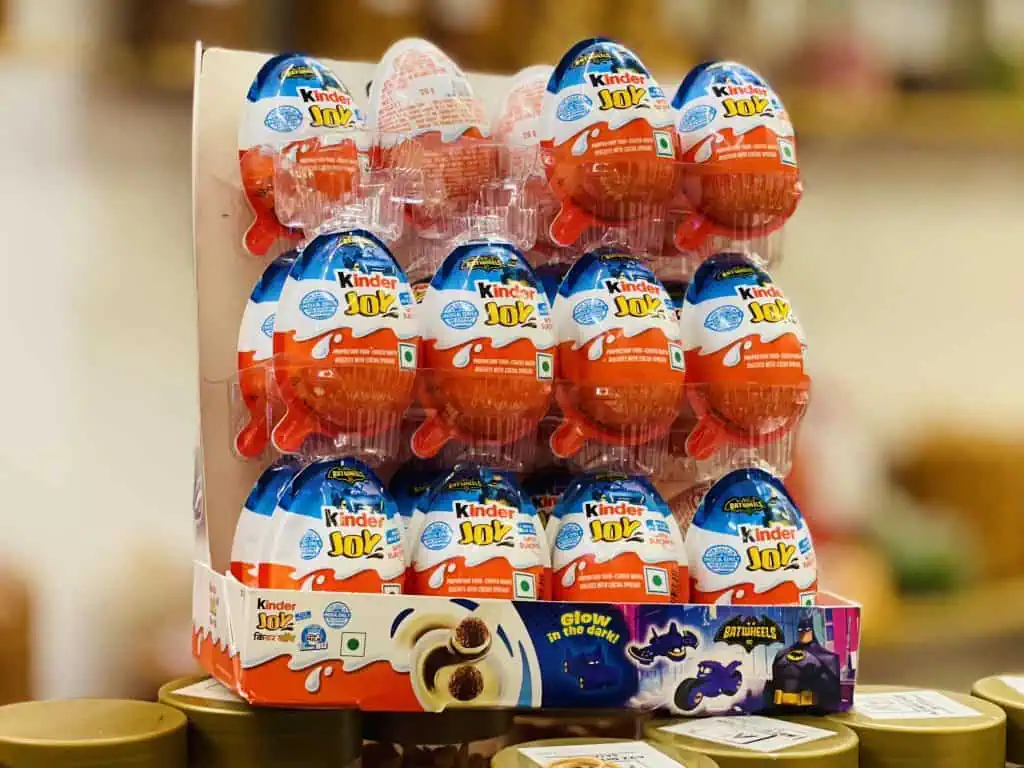
The elusive Kinder Surprise tantalizes with its dual-layer chocolate shell encasing a small toy. This treat, cherished worldwide, is banned in the U.S. due to regulations forbidding objects embedded in confectioneries. Its allure lies in the smooth milk chocolate paired with a creamy white inner layer. While tempting, safety concerns over the toy’s choking hazards keep it off American shelves, despite its persistent fanfare.
Ackee Fruit: Jamaica’s Jeopardy
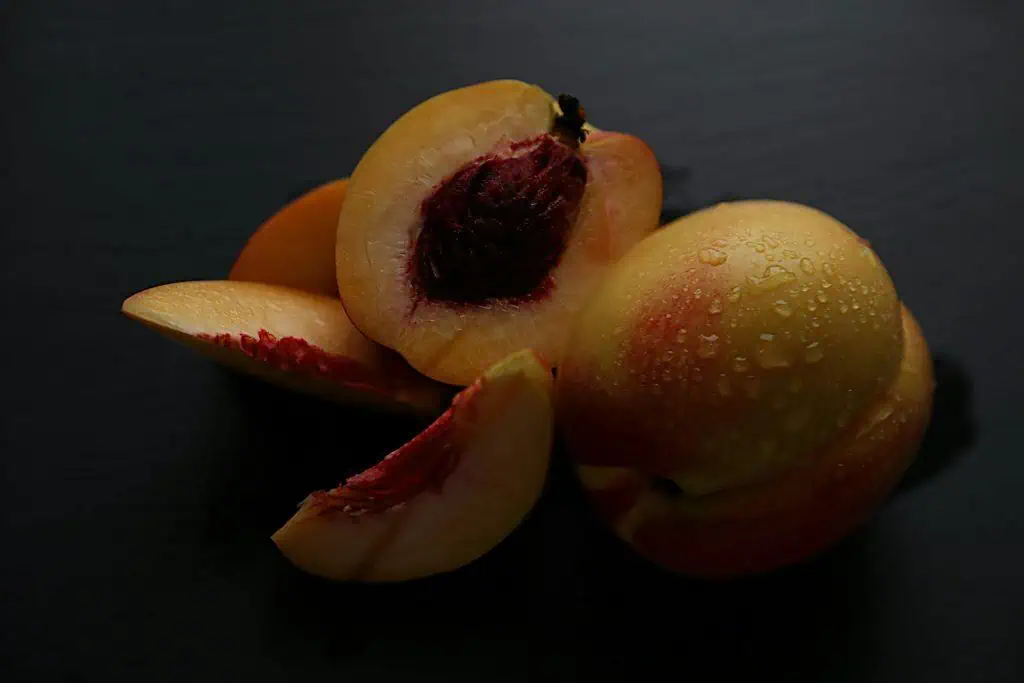
Ackee fruit, integral to Jamaican cuisine, presents unique challenges for consumption. Unripe ackee harbors hypoglycin, a toxic compound leading to ‘Jamaican vomiting sickness.’ To safely enjoy its buttery texture and nutty flavor, consume only fully ripened fruit, recognizable by its naturally opened pods exposing black seeds. Expertise in handling and preparation is vital to savor this Caribbean delicacy without risk.
Sassafras Oil: From Flavor to Foe
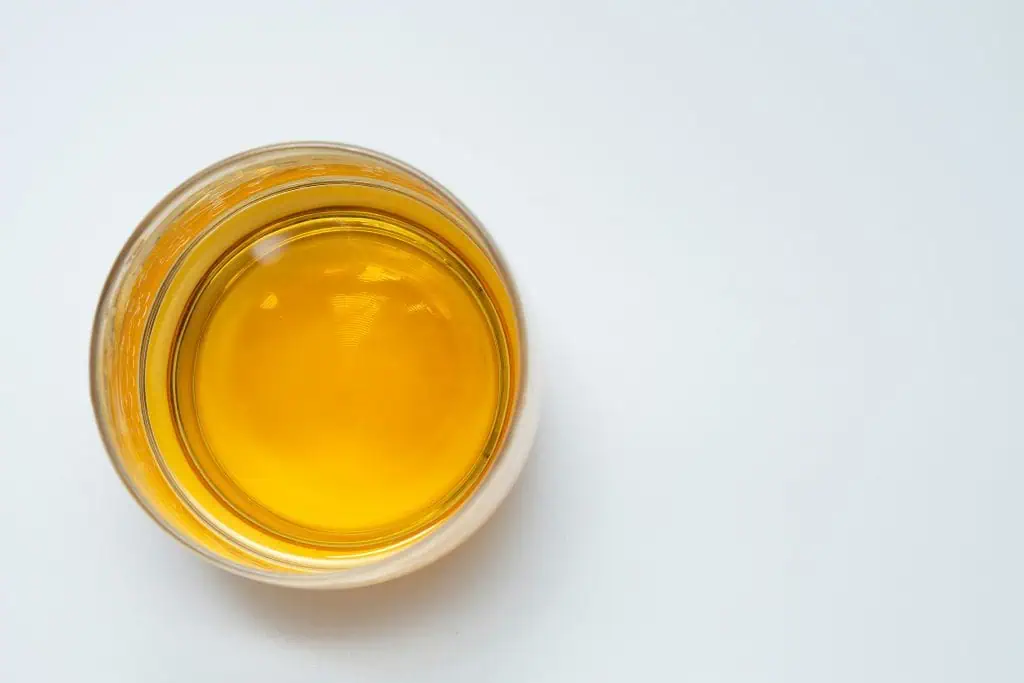
Once a cornerstone in root beer recipes, sassafras oil was revered for its aromatic sweetness. However, it contains safrole, a compound linked to liver damage and cancer in lab studies. The FDA banned its use in 1960, urging manufacturers to turn to safrole-free alternatives for that nostalgic, earthy spice. While beloved in its natural state, sassafras oil now serves more ornamental duties, relegated to history in culinary contexts.
Fugu: Pufferfish Perils
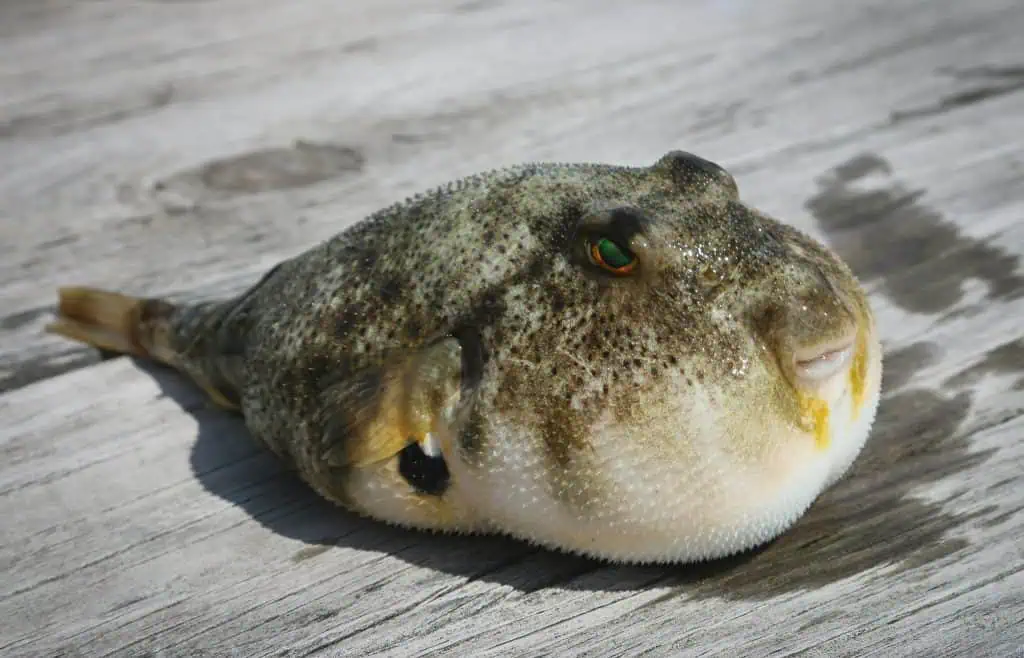
In the realm of gourmet dining, fugu stands as a daring delicacy. This Japanese pufferfish demands meticulous preparation to avoid tetrodotoxin, a potentially lethal poison. Expert chefs train for years to master safe preparation, ensuring diners experience its tender, subtle flavors without peril. Only specialized establishments feature fugu, reflecting a mix of culinary art and high-stakes precision, appealing exclusively to adventurers and connoisseurs alike.
Haggis: Lung-Free Tradition
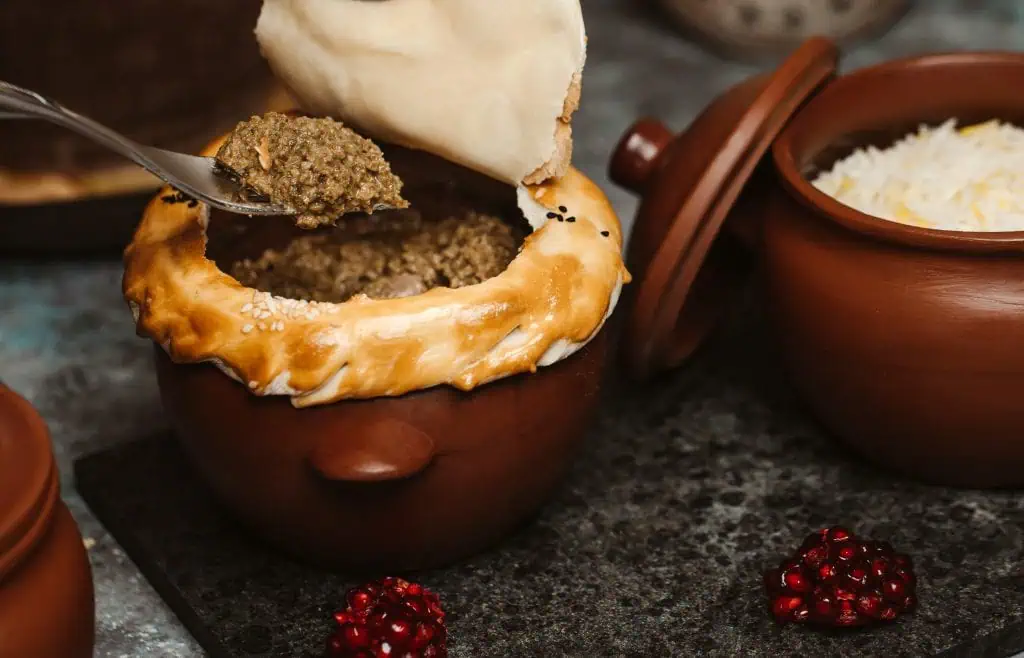
The iconic Scottish dish haggis holds cultural significance, though banned in the U.S. due to the inclusion of sheep’s lung. Traditionally stuffed with spices, oatmeal, and offal in a stomach casing, it’s a celebration of rich, hearty flavors and a nod to nose-to-tail eating. While the lung aspect remains contentious, American adaptations exclude it, preserving the dish’s essence but with a nod to regulatory compliance.
Horse Meat: Mane Dish or Taboo?

Horse meat, though prized in certain cuisines for its lean and slightly sweet flavor, remains controversial and restricted in the U.S. While considered a delicacy in parts of Europe and Asia, navigating the ethical and legal landscape here can be challenging. The meat’s fine grain makes it particularly tender, ideal for grilling or searing. Those interested should verify local regulations and explore comparable cuts like bison for a similar taste profile. Understanding the cultural sensitivities and sourcing responsibly are crucial for those curious about this taboo meat.
Absinthe: The Wormwood Worry
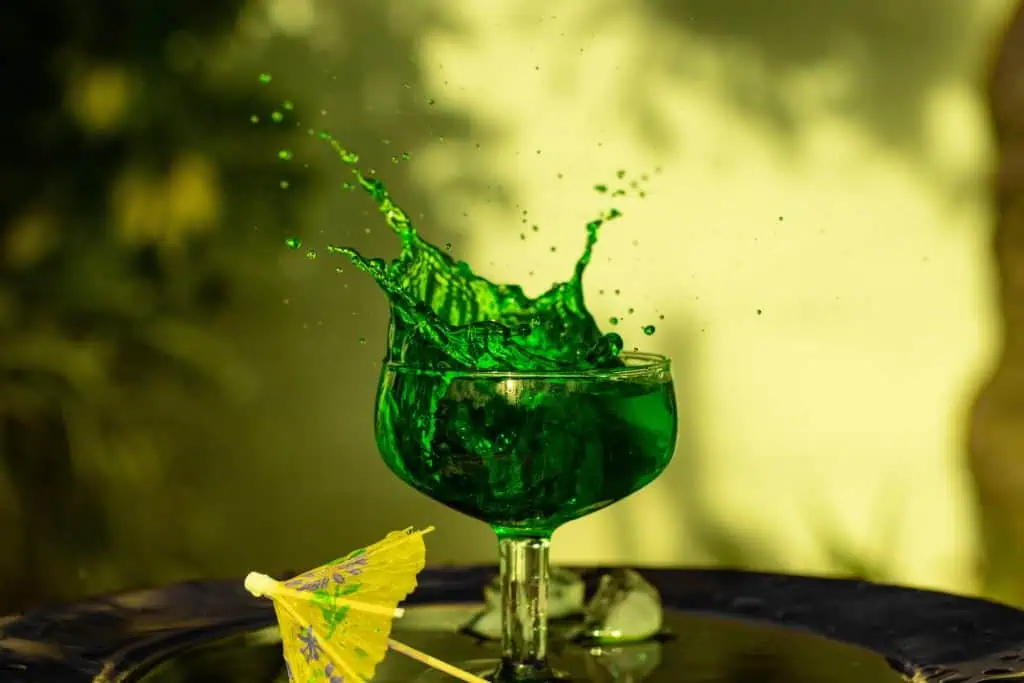
Absinthe, historically known for its hallucinogenic myths, is linked to the compound thujone, found in wormwood. Although modern absinthe is thujone-regulated, its complex anise and herbal notes are showcased best when the spirit is slowly louched with cold water over a sugar cube. This technique creates a milky opalescence, revealing layers of botanicals. When exploring absinthe, experiment with its unique herbal composition in cocktails or even cooking, always acknowledging the legal limits and consuming responsibly to appreciate its storied allure.
Unpasteurized Juices: Raw Risks
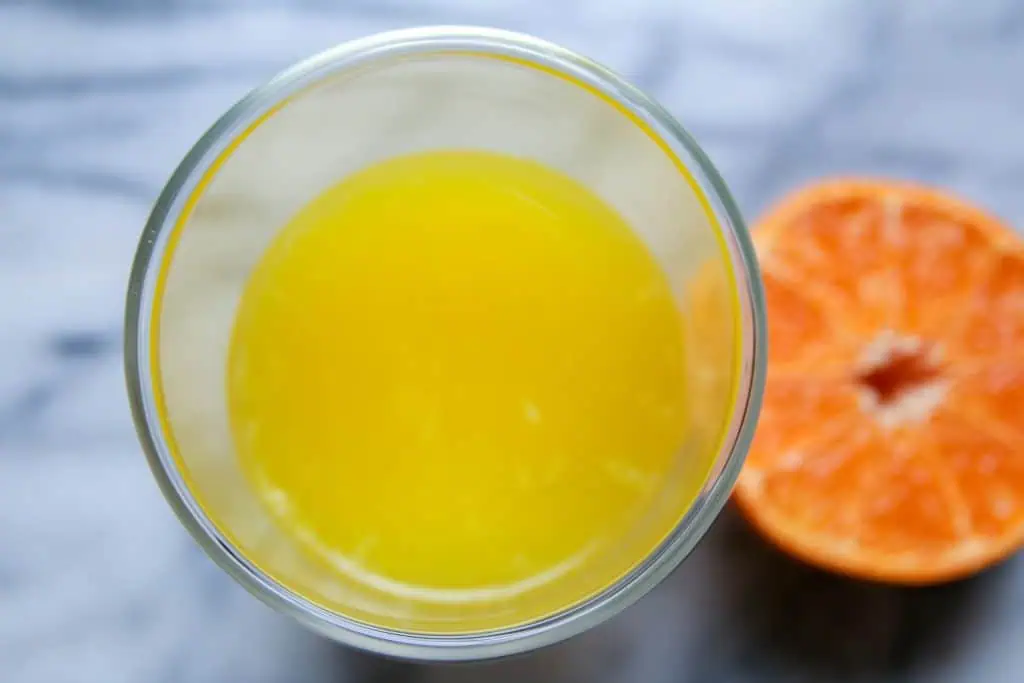
Unpasteurized juices offer vibrant, unaltered flavors, yet carry risks like bacterial contamination. The delicate balance between freshness and safety requires careful handling. Juicers seeking raw authenticity should select pristine produce and maintain impeccable cleanliness throughout the extraction process. To mitigate risk, consume freshly made juice immediately or within a few hours to retain nutrients without compromising health. Consider lightly rinsing fruits with a mild vinegar solution for added safety. This attention to detail ensures that the natural essence of the juice shines through safely.
Casu Marzu: Cheese with a Twist
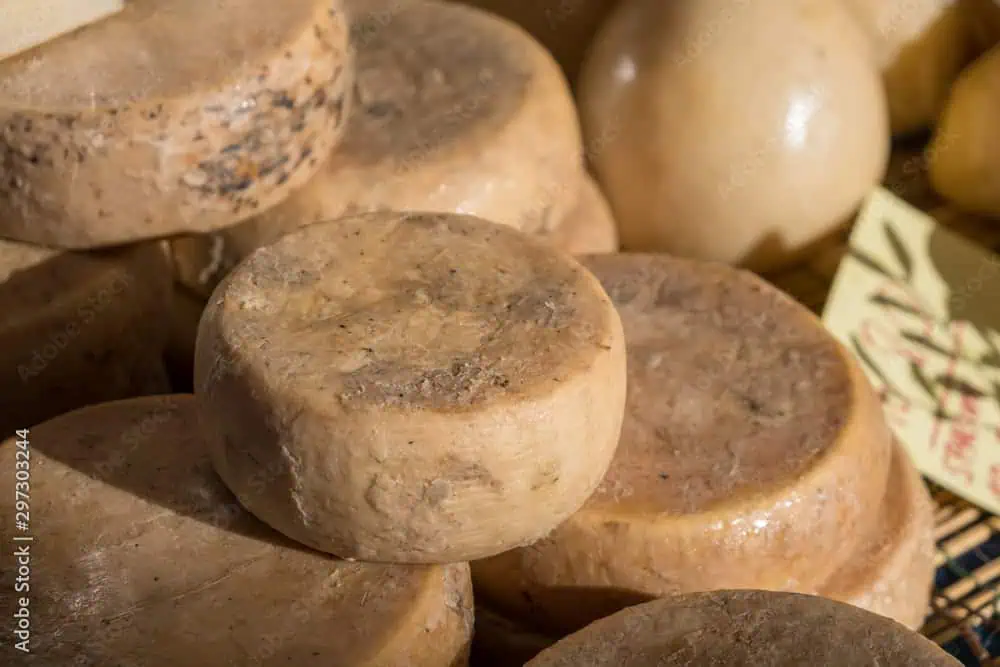
Casu marzu, the Sardinian delicacy, is famed for its advanced fermentation process involving live insects. The cheese’s creamy, piquant texture results from fly larvae breaking down fats. While revered by adventurous gourmands, its legality and safety concerns keep it out of the U.S. market. For those intrigued, exploring legally derived aged cheeses with robust flavors, like Roquefort, can offer a glimpse into the strong taste profiles without the concerns. Regardless, any attempt to sample casu marzu must consider its perishability and ethical considerations.
Ortolan Bunting: A Secret Supper

The ortolan bunting, a small bird, is consumed in ritual secrecy by gourmets, shrouded in an air of forbidden luxury. The practice involves roasting the bird whole and consuming it with cultural traditions steeped in controversy. Due to conservation and ethical issues, it remains illegal in the U.S. Seeking alternative game birds like quail, coated with similar spices and preparations, can provide a more accessible yet respectful experience. Mindful sourcing and attentive preparation honor both culinary curiosity and ecological responsibility.
Monkey Brains: Myth and Prohibition
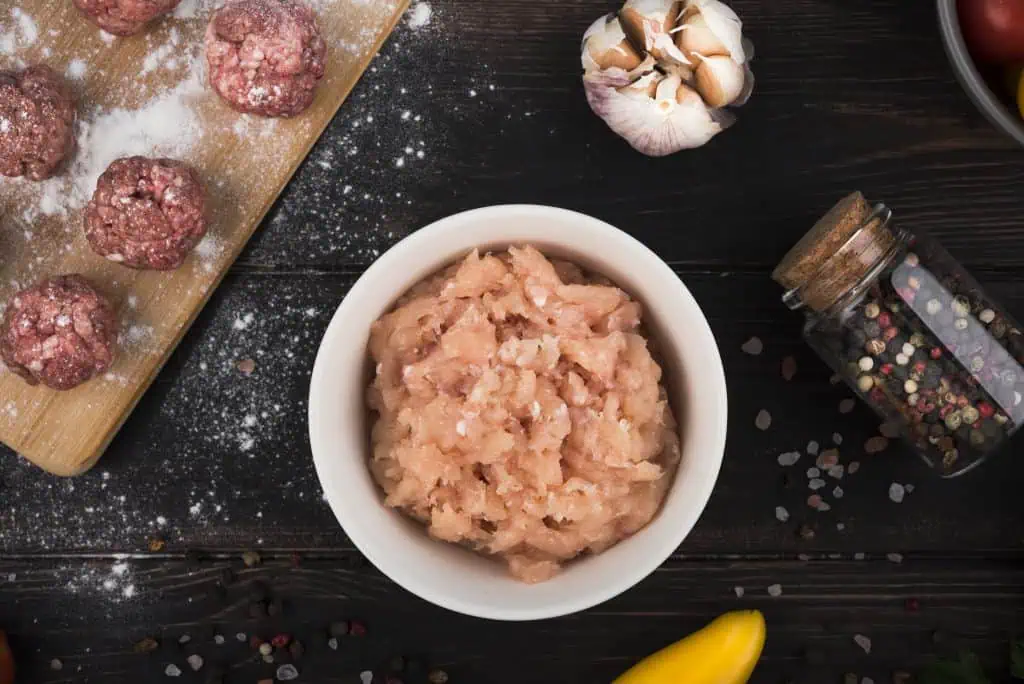
Monkey brains, often veiled in sensational tales, highlight cultural and ethical complexities surrounding food consumption. In the United States, this dish is not only shrouded in myth but also restricted by strict regulations due to health concerns and animal protection laws. It raises substantial ethical questions about wildlife conservation and the risks of zoonotic diseases. While intriguing, the consumption of such exotic items is discouraged, urging cooks to explore diverse yet sustainable alternatives that respect both culinary curiosity and ethical responsibility.
