
15 Foods Digestive Experts Say May Upset Your Gut
We have all been there. You finish a meal that tasted absolutely wonderful, and then your stomach starts to send you a very different message. Bloating, cramping, and general discomfort can turn a pleasant dining experience into a regretful one. The truth is, some foods are simply harder on our digestive systems than others, and knowing which ones to watch can make a world of difference in how you feel every day.
In this guide, we will take a closer look at fifteen common culprits, from fried foods and processed meats to artificial sweeteners, spicy dishes, and even that beloved scoop of ice cream. For each one, we will explore why it might cause trouble and share practical, positive strategies for enjoying it more comfortably. As your guide, I want to help you build a happier, healthier relationship with food, one mindful choice at a time. So let’s tune in to what your gut is telling you and discover how small adjustments can bring big relief.
Fried and Greasy Foods: A Gut’s Worst Nightmare

Fried foods often lead to sluggish digestion, primarily due to their high fat content. Fatty foods slow down the stomach’s emptying process, potentially causing discomfort and bloating. Opt for baking or grilling to achieve crisp textures without excessive oil. If you indulge, pair fried dishes with greens or fiber-rich salads to assist with digestion.
Processed Meats: The Hidden Culprit
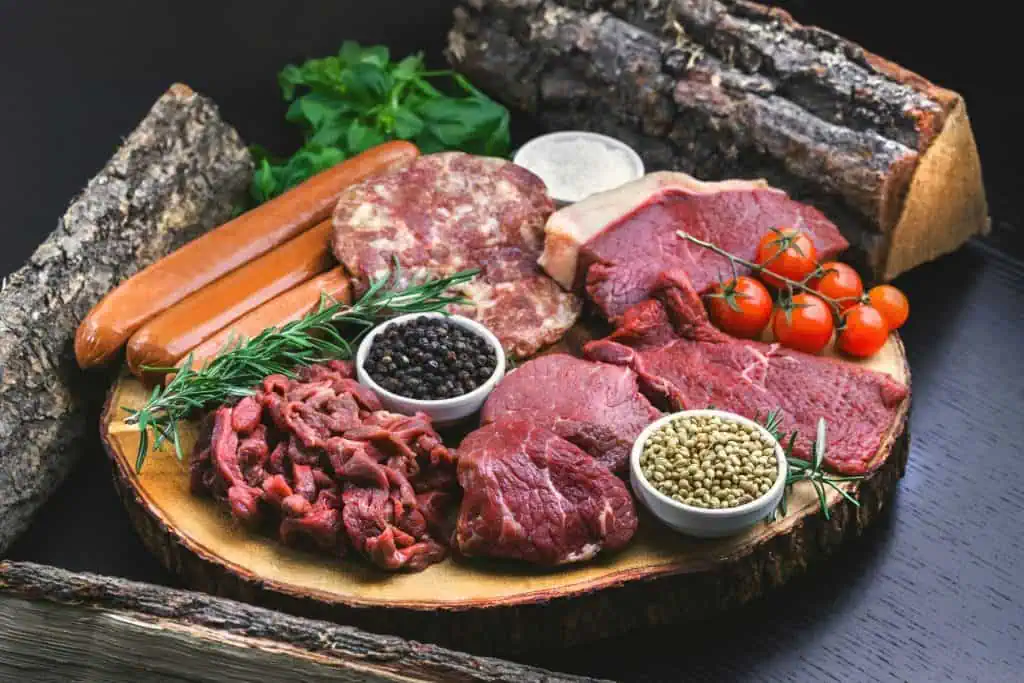
Processed meats can be hard on the digestive system due to preservatives and additives like nitrates. These can irritate the gut lining and disrupt its balance. Choosing fresh, unprocessed meats and incorporating more plant-based proteins can alleviate strain on your digestive system, promoting a smoother, more comfortable digestive process.
Artificial Sweeteners: Friend or Foe?

Artificial sweeteners may cause digestive turmoil for some, particularly sugar alcohols like sorbitol and xylitol. These are often poorly absorbed in the gut and can cause bloating or diarrhea. When seeking alternatives, reach for natural sweeteners such as honey or maple syrup, which tend to be gentler on the digestive tract.
Carbonated Drinks: Bubbles of Trouble

Carbonated beverages introduce excess gas into the digestive system, leading to bloating and discomfort. The fizz from carbonation may increase stomach pressure and cause acid reflux. For a refreshing alternative, infuse water with citrus or herbs to enjoy flavored drinks without the added bubbles that your gut might reject.
Spicy Foods: Heat That Hurts

Spicy foods can be a delight on the palate but may spell trouble for sensitive stomachs. Capsaicin, the compound responsible for the heat in peppers, can irritate the digestive tract lining. To minimize impact, consider balancing spicy dishes with cooling ingredients like yogurt or avocado. Cooking techniques such as roasting can also mellow the intensity of peppers. For those with delicate digestion, opting for milder alternatives like bell peppers can provide flavor without discomfort.
Dairy Dilemma: Lactose Intolerance Issues

For individuals with lactose intolerance, consuming dairy products can lead to bloating, cramps, and diarrhea. The absence of lactase, the enzyme that breaks down lactose, is the root cause. Opt for lactose-free milk or explore plant-based alternatives like almond or oat milk to satiate dairy cravings without distress. Fermented options, such as yogurt with live cultures, may also be easier to digest, offering probiotic benefits that support gut health.
Caffeinated Chaos: The Coffee Conundrum

Coffee, while stimulating, can irritate the digestive system, leading to acid reflux or discomfort. The high acidity and caffeine content are common culprits. Reducing coffee intake gradually can help, as can choosing lower-acid varieties or cold brews, which are gentler on the stomach. Pairing coffee with food or switching to herbal teas can also provide relief and support digestive balance for sensitive individuals.
Alcohol: The Booze Blues

Alcohol can disrupt the digestive process, exacerbating gastric inflammation and increasing acid production. It’s best consumed in moderation, ideally accompanied by food to slow absorption. Opt for lighter spirits like vodka or gin, and avoid sweet mixers that can add to digestive woes. Hydration is key; alternate alcoholic drinks with water to dilute effects and maintain digestive well-being.
Packaged Snacks: Additive Assault

Packaged snacks often contain additives such as artificial flavors and preservatives that may irritate the gut. Trans fats, commonly found in these snacks, further complicate digestion. Homemade alternatives, like roasted nuts or freshly popped popcorn, are preferable. If convenience dictates, reading labels to choose options with minimal ingredients and clear labeling can mitigate adverse effects, offering a more gut-friendly snacking experience.
Red Meat: The Difficult Digest
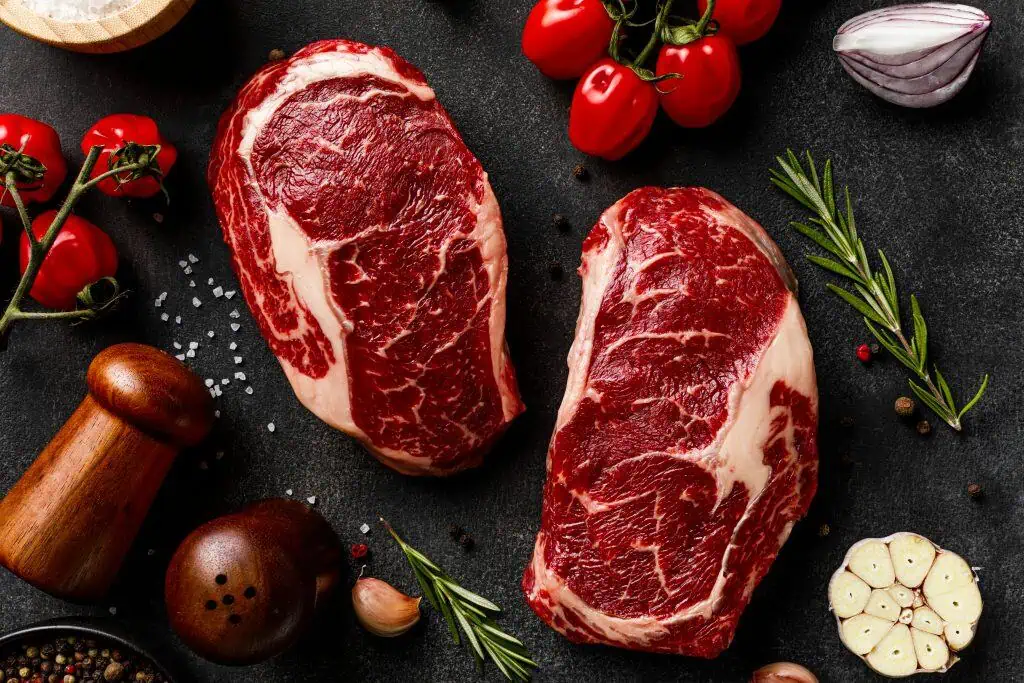
Red meat, though rich in protein and iron, can be challenging for the digestive tract. Its high fat content requires more acid for breakdown, potentially leading to discomfort for those with sensitive stomachs. Choose lean cuts and practice moderation, complementing with fiber-rich vegetables to aid digestion. Slow-cooking methods like braising can help tenderize the meat, making it easier on the gut. Consider marinating with enzymes from fruits like pineapple to naturally soften the fibers before cooking.
High-Fructose Corn Syrup Havoc

High-fructose corn syrup, prevalent in processed foods and sugary drinks, is known for causing digestive distress. Unlike natural sugars, it can be difficult for the body to process, leading to bloating and gas. Opt for whole, unrefined sweeteners like honey or maple syrup when possible. Reading labels is key, avoid products with high-fructose corn syrup listed as a primary ingredient. Balancing sweets with foods high in fiber can mitigate some negative effects by promoting smoother digestion.
Fast Foods: Ultra-Processed Problems

Fast foods often contain various additives and preservatives that can irritate the digestive system. These ultra-processed meals are typically high in trans fats and sugars, which slow down digestion and may lead to bloating. When opting for fast food, select items with fewer ingredients and less processing. Grilled or baked options are preferable to fried ones. Balance meals with a side salad or fruit to introduce fiber, enhancing meal digestibility and providing essential nutrients.
Pastries: Sweet but Problematic

Pastries, while delicious, often contain ample amounts of sugar and saturated fats that can be tough on the gut. These components can slow digestion and exacerbate issues like acid reflux or bloating. Instead of reaching for store-bought, consider baking at home with whole ingredients. Integrating whole-grain flours and reducing sugar content improves not only the nutritional profile but also the digestibility. Pair pastries with a stomach-friendly tea such as ginger or chamomile.
Chips and Fries: The Crunchy Concern

Chips and fries, beloved for their crunch, can be surprisingly harsh on the gut. High in unhealthy fats and salt, they might slow digestion and increase bloating. Prepare your own versions using a minimal amount of healthy oil and baking instead of frying to lower the fat content. Experiment with sweet potatoes or root vegetables to boost fiber and nutrient intake. Season intelligently with herbs instead of excess salt to enhance flavor without compromising digestive health.
Ice Cream: A Cold Digestive Challenge

Ice cream, beloved for its creamy texture and sweet allure, can pose a digestive challenge for some. The high-fat content can slow gastric emptying, making digestion sluggish. Additionally, lactose, a sugar found in dairy, can cause discomfort for those with lactose intolerance, leading to bloating or cramps. Opt for lactose-free or lower-fat alternatives if sensitivity occurs. When enjoying traditional ice cream, consume smaller portions mindfully, allowing your digestive system to handle the treat more comfortably. Enhanced texture and flavor await those who savor each spoonful with awareness of their gut’s reactions.
