
Frozen Blueberries Recalled in Multiple States Over Deadly Listeria Risk: Check If Yours Is Affected
The U.S. Food and Drug Administration (FDA) has officially upgraded a major recall of frozen blueberries to a Class I designation, the agency’s highest risk level. This move comes after a voluntary recall initiated on February 12, 2026, was re-evaluated to reflect a “life-threatening” risk of Listeria monocytogenes contamination. Approximately 55,689 pounds of the fruit are currently under the recall, with officials warning that the bacteria can survive and even thrive in cold storage.
According to the enforcement report released on February 24, 2026, the contamination was linked to processing facilities operated by the Oregon Potato Company, which also does business as the Willamette Valley Fruit Company.
Identifying Affected Products and Lot Codes
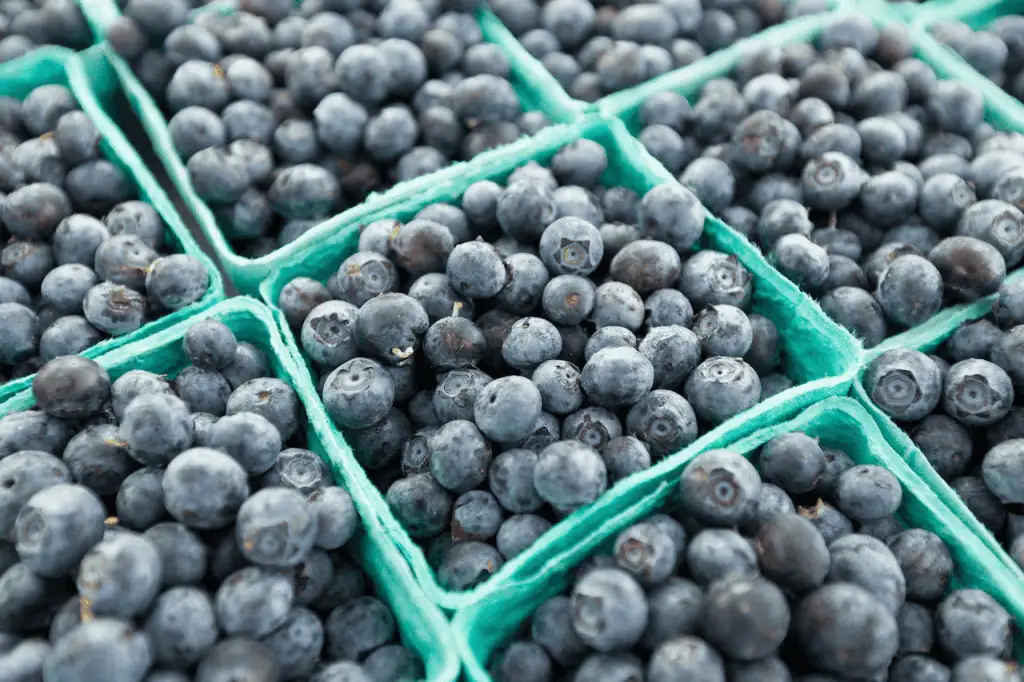
The recalled blueberries were not sold directly in small retail bags but were packaged in large bulk containers for businesses and food processors. Specifically, the recall targets 30-pound corrugated cases with polyethylene liners and massive 1,400-pound totes.
If you operate a bakery, restaurant, or food processing facility, you should immediately check for 30-pound cases with lot codes 2055 B2, 2065 B1, and 2065 B3, which carry expiration dates in July 2027. The larger 1,400-pound totes are identified by lot codes 3305 A1 and 3305 B1, with expiration dates listed as November 25, 2027.
Geographic Locations and Distribution Areas
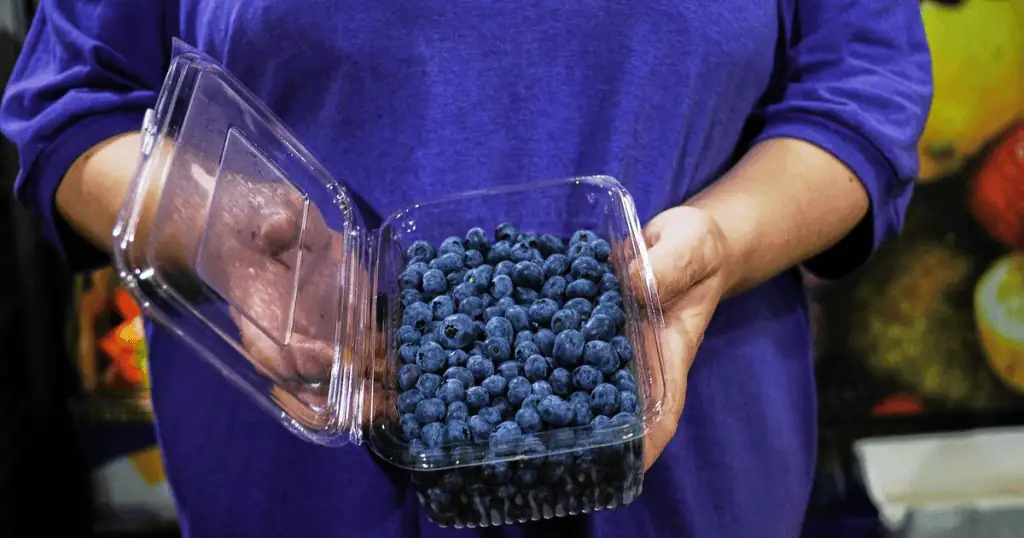
Federal records indicate that the contaminated fruit was distributed primarily across four U.S. states and parts of Canada. The states under high alert include Michigan, Oregon, Washington, and Wisconsin, where the bulk cases were delivered to various commercial customers.
While individual retail shoppers may not find these specific lot codes in their home freezers, the recall significantly impacts local bakeries and smoothie shops that use bulk frozen fruit. Authorities are working with distributors in these regions to trace exactly which food service providers received the shipments to prevent further spread.
Life-Threatening Listeria Health Risks

The FDA’s decision to classify this as a Class I recall stems from the fact that Listeria can cause severe and sometimes fatal infections in vulnerable populations. According to the CDC, the bacteria is the third leading cause of death from foodborne illness in the U.S., particularly affecting the elderly, pregnant individuals, and those with weakened immune systems.
Symptoms can begin with flu-like signs such as high fever, muscle aches, and nausea, but can escalate to life-threatening complications like meningitis. As of February 26, 2026, there have been no confirmed deaths, but the “reasonable probability” of serious injury remains a critical concern for federal health officials.
Required Safety Actions for Businesses
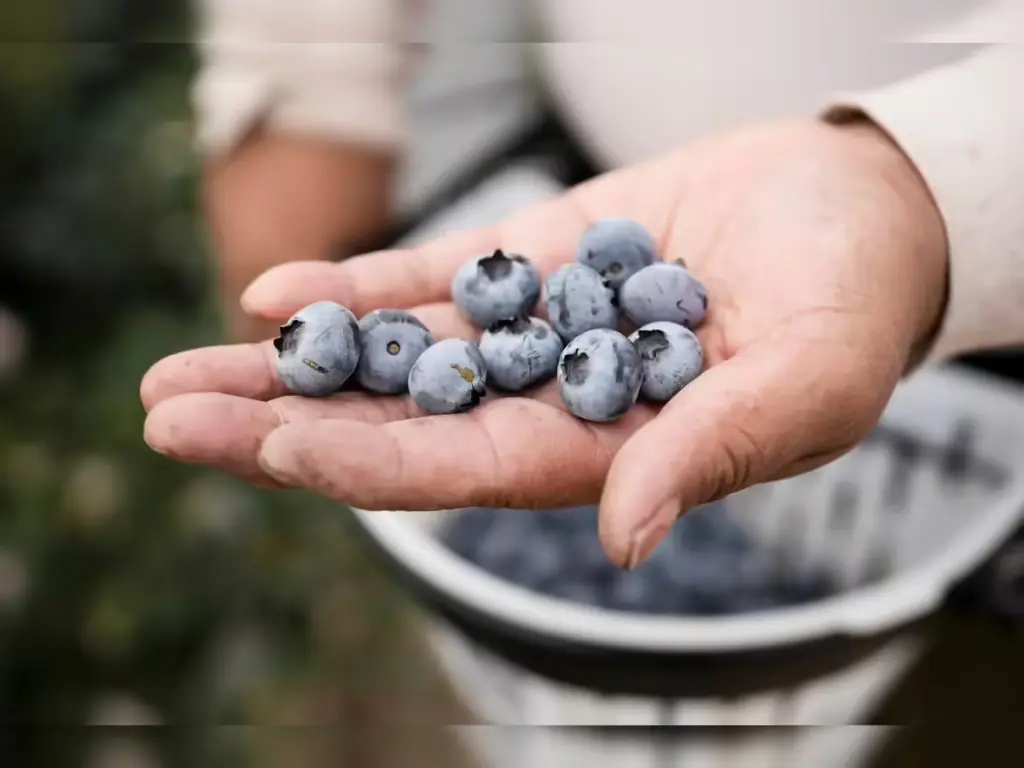
Because these blueberries are often used as ingredients in other food products, businesses in the affected states are urged to halt all use of the specified lot numbers immediately. The FDA advises that the product should be destroyed or returned to the supplier to ensure it does not enter the consumer food chain through processed goods.
Facilities that have handled the recalled fruit are also encouraged to perform a deep sanitation of all equipment and storage areas to eliminate any lingering bacteria. Consumers who have recently eaten blueberry-based products from local bakeries in the impacted states and feel unwell should seek medical advice promptly.
