
15 Everyday Foods Found to Contain Microplastics
Microplastics, tiny plastic particles less than five millimeters in size, have a pervasive presence in our environment, infiltrating food and drinks we consume daily. Awareness of these particles is crucial, especially in items often considered safe. Understanding where microplastics are found can help us make informed decisions to reduce intake and promote healthier choices.
Tea Bags: A Surprising Source

Many tea lovers are unaware that certain tea bags, particularly those made from plastic or sealed with plastic, can release billions of microplastic particles into the brew. To minimize risk, opt for loose leaf tea or tea bags made from natural materials like cotton. This simple swap not only reduces microplastics but can also enhance flavor and authenticity, providing a more robust and aromatic cup.
Bottled Water’s Hidden Secret
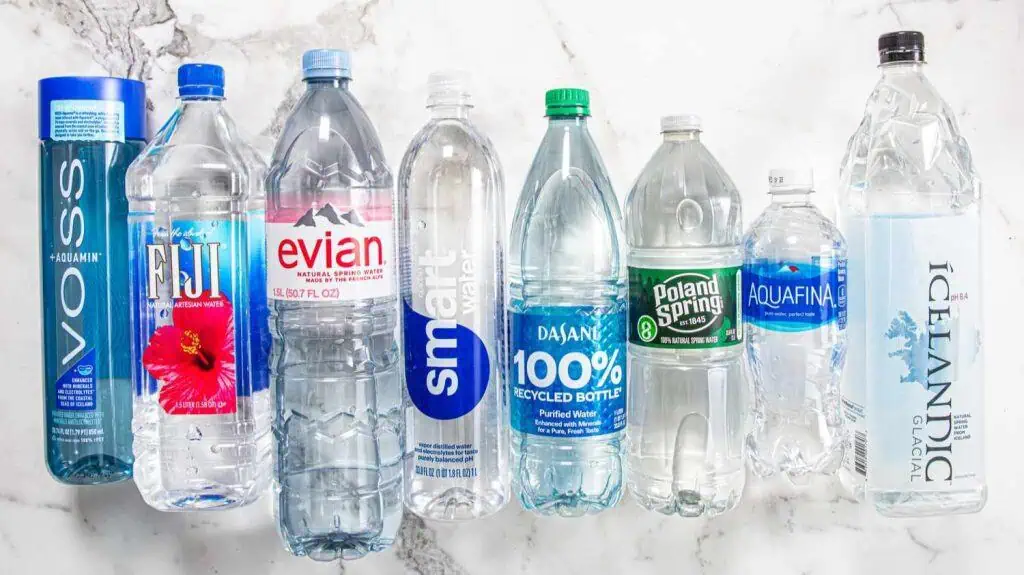
Bottled water is often perceived as a convenient alternative to tap water. However, studies indicate that it frequently contains microplastics due to the bottling process and bottle material. Consider using a reusable stainless steel or glass bottle combined with a quality water filter to enjoy cleaner, plastic-free hydration, reducing both health risks and environmental impact.
Sea Salt: More Than Just Flavor

Sea salt, a staple in kitchens for its unique mineral complexity, can be contaminated by microplastics in ocean waters. While it enhances taste, awareness of its source is crucial. Choose sea salt brands with rigorous testing protocols that disclose microplastic levels, or switch to rock salt varieties, which may be less affected by marine pollution.
Fish: Ocean’s Plastic Carriers

Marine life, notably fish, often ingest microplastics present in their habitats. As these particles accumulate in fish, they enter human diets through seafood consumption. Opt for sustainably sourced fish from cleaner waters when possible and prioritize smaller species lower on the food chain, which tend to have fewer pollutants, striking a balance between health benefits and environmental responsibility.
Shellfish: Tiny Plastic Traps

Shellfish often find themselves collecting microplastics due to their filter-feeding habits. As these creatures sift through water to obtain food, they inadvertently gather small plastic particles suspended in the ocean. For home cooks, this means choosing shellfish from reputable sources that actively monitor and manage their water quality can make a difference. When preparing shellfish, a thorough rinse and scrub under running water helps remove surface impurities. Cooking methods like steaming or boiling allow for minimal flavor interference, preserving the delicate taste while reducing potential contaminants.
Honey: Sweetener with a Twist

Despite its rich, pure essence, honey can be tainted by microplastics that bees pick up in their environment. Selecting honey from local beekeepers who practice sustainable and mindful harvesting can mitigate this risk. When using honey in recipes, consider heating it briefly in a saucepan to help dissolve any unwanted particles, enhancing its smooth texture. Drizzle it over roasted root vegetables or blend into dressings for a nuanced sweetness that bonds the dish components effortlessly. Choosing unfiltered varieties can further enhance the purity of your cooking experience.
Beer: Not as Pure as You Think

Even a casual beer can harbor microplastics, often introduced during the bottling process or from contaminated water sources. Opt for craft breweries with strict quality controls to minimize exposure. When brewing at home, ensure your equipment is impeccably clean and the water source is filtered. The process of brewing enhances the inherent flavors of the grains, so maintaining a clean environment guarantees that the subtle malt and hop notes stand out without being masked. Serve your beer in glass over plastic containers to reduce plastic interaction further.
Branded Soft Drinks and Sodas

Branded soft drinks and sodas are not exempt from microplastic contamination, largely due to packaging and production methods. Select beverages bottled in glass rather than plastic to lessen plastic exposure. When making homemade sodas, use carbonated water from a reliable source and add natural flavorings or fresh juices to control quality and taste. By reducing artificial additives, the brightness and effervescence of the drink are both enhanced, delivering a refreshing experience. This approach also invites personalized experimentation with flavors like citrus or berries.
Packed Rice: More Than Carbs

Packed rice may carry microplastics that originate from packaging materials. To reduce their presence, opt for bulk purchases or rice stored in non-plastic containers. Washing rice thoroughly under cold water will help remove surface starches and potential contaminants, resulting in grains that cook evenly and retain their unique texture. For optimal flavor, toast grains lightly in oil before boiling to enhance their natural aroma. Utilize a precise water-to-rice ratio to ensure each grain absorbs just enough liquid, delivering a perfect, fluffy bite.
Ready-to-Eat Meals: Quick but Contaminated

Pre-packaged meals offer convenience but often harbor unseen additives such as microplastics. When choosing ready-to-eat options, focus on those with minimal packaging and clear ingredient lists. Opt for meals stored in glass or certified plastic-free containers. If reheating, avoid microwaving in plastic packaging; transfer the meal to a microwave-safe dish instead. This small change can help reduce potential exposure to microplastics, allowing you to enjoy your quick meal with peace of mind.
Fresh Fruits and Vegetables

Even fresh produce can carry microplastics due to environmental exposure. Washing fruits and vegetables thoroughly under running water helps remove surface particles. A dedicated produce brush can assist in cleaning firmer items like potatoes and cucumbers. Additionally, peeling and discarding outer leaves of items such as lettuce and cabbage can reduce contaminants. Where possible, sourcing organic or locally grown produce may also limit exposure to plastics, as organic farming practices often employ fewer synthetic materials.
Milk: Not Just Dairy

Milk, a staple in many diets, can contain microplastics due to contamination in processing and packaging. Opting for milk in glass bottles can decrease plastic exposure significantly. Additionally, explore small-scale or local dairy sources that may use less industrial processing. While storing milk at home, transfer it from plastic cartons to glass pitchers. Ensuring these practices helps maintain the integrity of the milk while actively reducing the risk of microplastic contamination.
Bread and Baked Goods

Baked goods can silently carry microplastics, often introduced during processing or storage. Selecting products from local bakeries or those packaged in paper rather than plastic can lessen exposure. If baking at home, consider investing in higher-quality baking mats and metal or glass cooling racks. Place baked items in reusable linen bags or airtight glass containers to store. These practices not only reduce plastic waste but also preserve the freshness and quality of bread and pastries.
Meat: Protein with a Plastic Side

Meat can be affected by microplastics through packaging and distribution. Purchasing from local butchers or farmers where meat is wrapped in paper rather than plastic can cut down exposure. Transport your choice in dedicated glass or stainless steel containers to ensure further safety. For higher assurance, select grass-fed or organic meats when available, as their production often involves fewer plastic-based processes. These steps help maintain the purity and flavor of your meats while minimizing contamination risks.
Chocolate: Indulgence with Impurities

Chocolate, a beloved indulgence, can sometimes harbors unintended impurities like microplastics. When selecting chocolate, prioritize high-quality, ethically sourced varieties, which often subject their products to stricter quality controls. Choose companies that emphasize transparency and sustainability. While melting chocolate, use gentle heat to preserve its smooth texture; a double boiler works best. Pay attention to the ingredients list, look for simple, natural components devoid of unnecessary additives that could signal lower quality. This mindful approach ensures a richer, more authentic flavor experience while minimizing unwanted contaminants.
