
14 Simple Food Changes Families Are Making to Save Money in 2026
As food prices remain unpredictable, many families are shifting away from drastic dieting or extreme budgeting and instead making small, sustainable changes. These adjustments aren’t about sacrificing enjoyment but about reducing waste, improving efficiency, and relying less on convenience pricing. From how groceries are planned to how meals are reused, families are quietly reshaping their routines. These fourteen food changes are becoming increasingly common in 2026 because they save money without feeling restrictive or overwhelming.
Cooking Fewer “Specialty” Meals

Families are moving away from recipes that require niche ingredients used only once. Specialty sauces, rare spices, and single-purpose items often inflate grocery bills unnecessarily. In 2026, households are favoring meals built around flexible ingredients that can be reused across several dishes. This shift reduces waste and lowers overall spending while simplifying meal planning. Familiar flavors are replacing novelty cooking, helping families stretch groceries further without sacrificing satisfaction.
Buying More Store Brands

Store-brand products are no longer seen as lower quality, and families are embracing them more than ever. In many cases, private-label items are produced by the same manufacturers as name brands but cost significantly less. Families are switching staples like pasta, canned goods, dairy, and frozen foods to store brands with minimal taste difference. This single change can cut grocery bills noticeably over time without changing eating habits.
Planning Weekly Menus Before Shopping
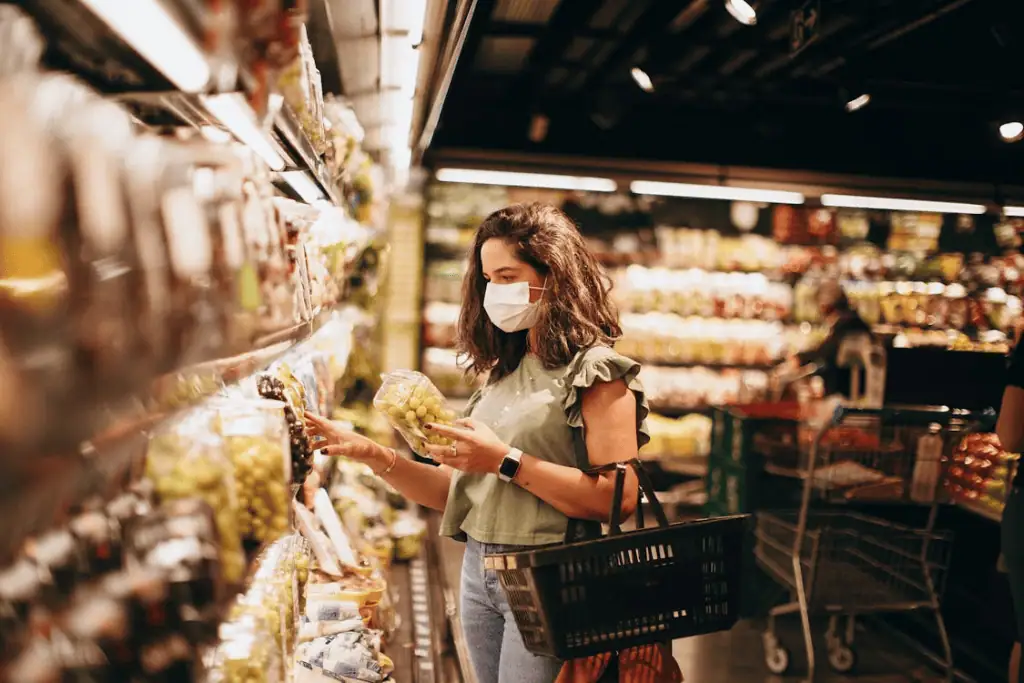
More families are committing to basic weekly meal planning instead of shopping impulsively. Knowing exactly what meals will be cooked reduces overbuying and prevents last-minute takeout spending. In 2026, families are keeping plans flexible but intentional, often rotating the same meals weekly. This approach lowers stress, saves time, and keeps grocery spending predictable, especially when paired with pantry-based cooking.
Reducing Meat Portions

Instead of eliminating meat, families are shrinking portion sizes. Meals are being built with vegetables, grains, or beans as the base, using meat more as a flavor component. This change significantly reduces costs since meat remains one of the most expensive grocery items. Families report little difference in satisfaction while noticing clear savings, making this an easy adjustment rather than a restrictive one.
Using Frozen Produce More Often

Frozen fruits and vegetables are becoming a primary choice rather than a backup. Families value their longer shelf life, lower price, and reduced waste compared to fresh produce that spoils quickly. In 2026, frozen produce is used confidently for soups, stir-fries, smoothies, and sides. This shift ensures vegetables are always available without repeated grocery trips or spoiled food losses.
Cooking Once, Eating Multiple Times
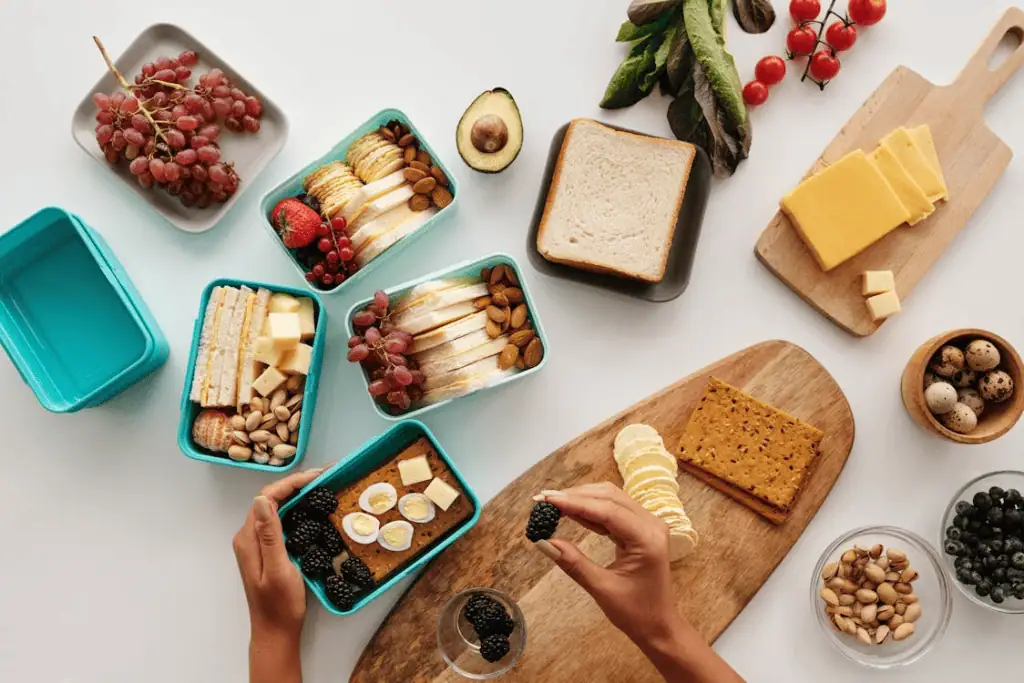
Batch cooking is replacing single-meal preparation in many homes. Families cook larger portions and intentionally plan leftovers for lunches or future dinners. This reduces energy use, time, and food waste while limiting impulse spending on convenience meals. In 2026, leftovers are treated as part of the plan rather than an afterthought, making home cooking more efficient and cost-effective.
Cutting Back on Packaged Snacks
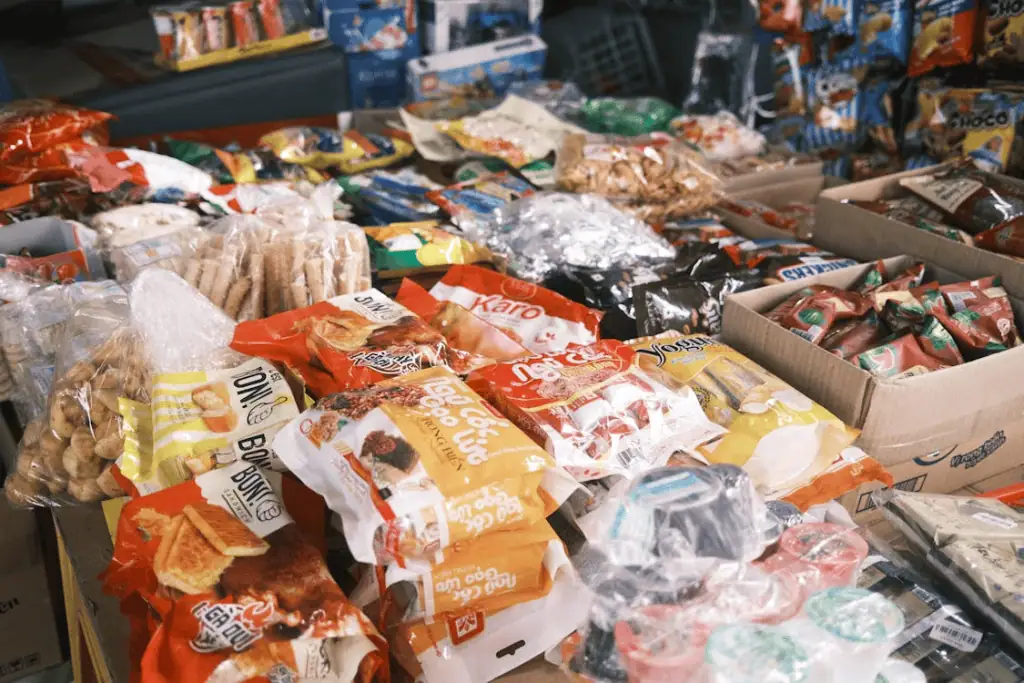
Packaged snacks add up quickly, and families are reducing how many they buy weekly. Instead, households are replacing them with simpler options like fruit, popcorn, toast, or homemade snacks. This change lowers costs and reduces overconsumption driven by convenience packaging. Families find that fewer snack options also encourage more intentional eating throughout the day.
Drinking More Water at Home

Beverage spending is an easy place to cut costs, and families are doing just that. Bottled drinks, flavored waters, and juices are being replaced with tap or filtered water at home. In 2026, reusable bottles and pitchers are common household tools. This simple change saves money weekly while also reducing unnecessary grocery purchases.
Repeating Meals Without Guilt

Families are letting go of the idea that meals must constantly change. Repeating familiar dishes throughout the week reduces planning fatigue and ingredient waste. In 2026, repeating meals is seen as practical rather than boring. This approach makes grocery shopping more focused and prevents half-used ingredients from being forgotten and discarded.
Buying Whole Ingredients Instead of Pre-Cut
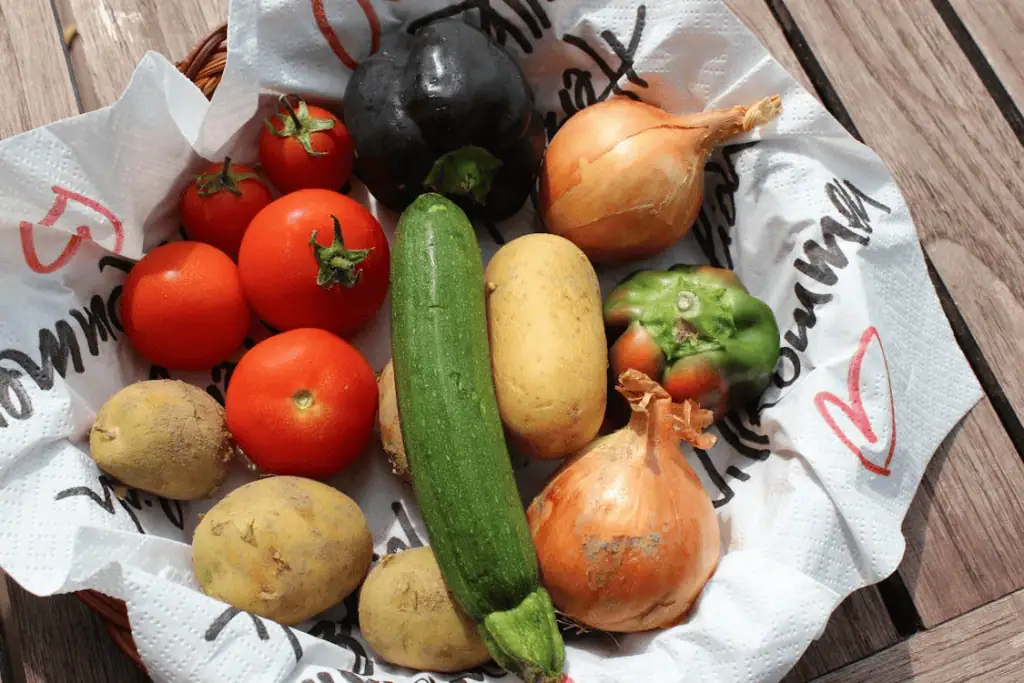
Pre-cut fruits, vegetables, and proteins often cost significantly more than their whole counterparts, even though the actual food inside is the same. Families are increasingly choosing whole ingredients and handling basic prep themselves, such as chopping vegetables or slicing meat, to reduce grocery bills. While this adds a small amount of prep time, the savings add up quickly over weeks and months. In 2026, many households see knife work and simple prep as a form of cost control rather than an inconvenience, especially as food prices remain unpredictable.
Limiting Restaurant Takeout

Restaurant takeout has shifted from a weekly habit to an occasional indulgence for many families. Rising menu prices, delivery fees, service charges, and tipping have made even casual takeout far more expensive than it once was. Instead of cutting restaurants out entirely, families are reserving them for intentional moments like celebrations or planned outings. This change creates noticeable monthly savings while also making restaurant meals feel more enjoyable and meaningful, rather than routine or disposable.
Using Pantry Staples First

Before heading to the grocery store, families are increasingly checking their pantries, refrigerators, and freezers to plan meals around what they already have. This habit reduces duplicate purchases and prevents forgotten ingredients from expiring unused. In 2026, pantry-first cooking has become a default approach rather than a last resort. By building meals from staples like rice, pasta, beans, canned goods, and frozen foods, households stretch grocery cycles longer and spend less without feeling like they’re giving anything up.
Choosing Seasonal Produce
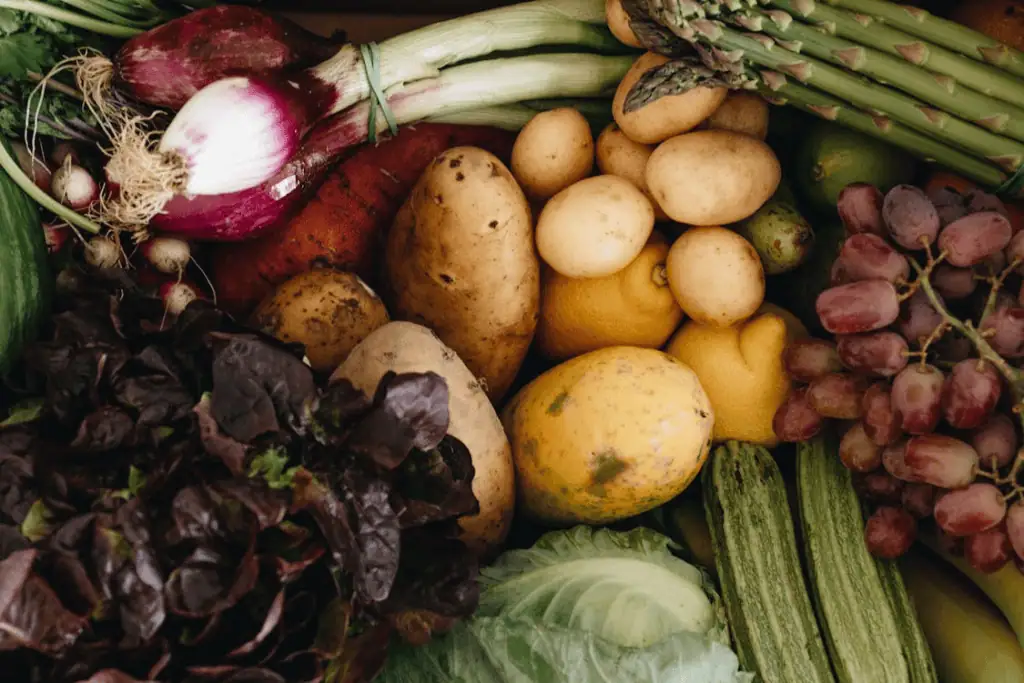
Seasonal fruits and vegetables are typically cheaper, fresher, and more flavorful because they don’t require long-distance transport or special growing conditions. Families are adjusting meal plans to reflect what’s abundant at the time, rather than buying expensive out-of-season produce year-round. This shift lowers grocery costs while improving taste and quality. In 2026, eating seasonally is less about food trends and more about practicality, helping households align budgets with availability instead of marketing.
Simplifying Breakfasts

Many families are moving away from elaborate breakfasts that require multiple ingredients or packaged convenience items. Instead, they’re relying on simple, repeatable options like eggs, oatmeal, yogurt, or toast. Breakfast costs can quietly add up over time, especially when relying on specialty items or frequent takeout. In 2026, simplified breakfasts reduce both spending and decision fatigue during busy mornings, while still providing consistent nutrition and energy to start the day.
