
From Ancient Ritual to Starbucks: The Incredible History of Coffee
Coffee’s journey from a humble berry to a global phenomenon is as rich as its flavor. Its history, marked by cultural transformations, reflects centuries of tradition, trade, and innovation. Each step along the way has contributed to how coffee is perceived and brewed today. From origins rooted in myth to the bustling modern-day cafes, understanding coffee’s path enhances appreciation for every cup.
Kaldi and the Goats: Ethiopia’s Legendary Tale
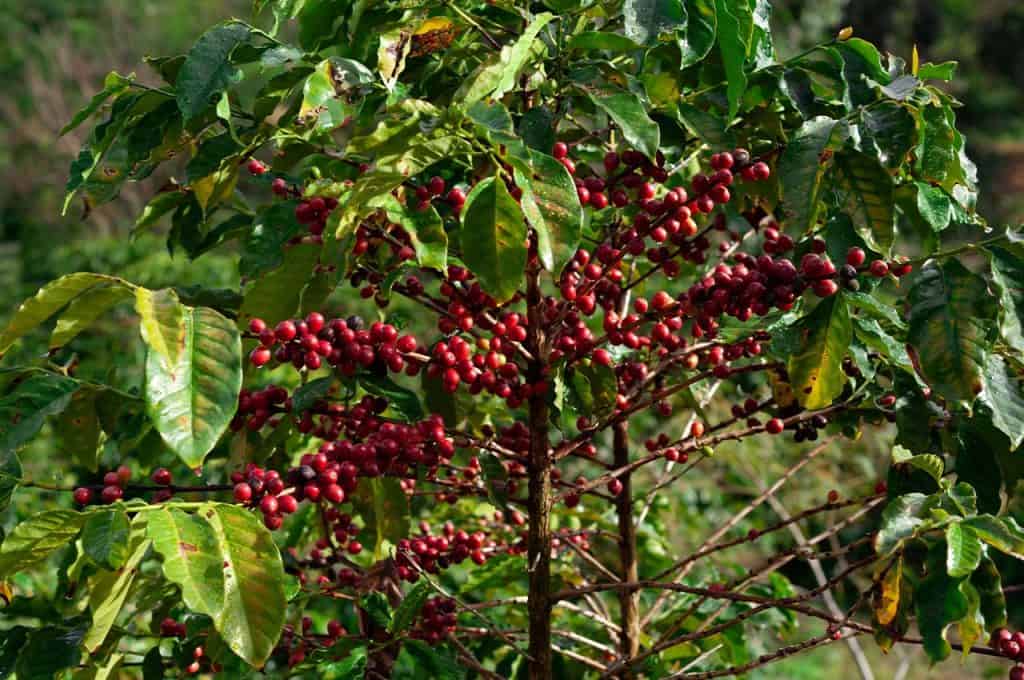
Legend tells of Kaldi, an Ethiopian goat herder, who noticed his goats dancing energetically after munching on red berries. Curious, Kaldi sampled the berries and experienced newfound vitality. Sharing his discovery with local monks, they realized the berries aided in staying awake during prayers. This narrative, though mythical, highlights Ethiopia’s pivotal role in uncovering coffee’s stimulating properties, setting the stage for its spread across continents.
Sacred Energy: Yemen’s Early Brews

Yemen was among the first to cultivate coffee plants, transforming the berries into a drink that fueled religious devotion. Sufi monks harnessed its energizing benefits during extended prayer sessions. Yemeni port city Mocha became a bustling hub for coffee trade, with beans exported throughout the Islamic world. Here, coffee was more than just a beverage; it was a divine tool, illustrating early innovations in preparation and brewing techniques.
Ottoman Empire: Coffeehouse Culture Begins

Coffee spread throughout the Ottoman Empire, where the first coffeehouses, or ‘qahveh khaneh,’ emerged as vibrant social centers. These establishments were not only places to enjoy a cup but also venues for intellectual discourse and entertainment. Ottoman coffeehouses set the foundation for modern café culture, highlighting the drink’s social significance. The preparation method involving finely ground beans and a cezve pot endures as a traditional favorite.
Europe’s New Morning Ritual: Coffee Takes Over

Coffee reached Europe in the 17th century, initially sparking debate but quickly turning into a beloved staple. Coffeehouses flourished, becoming venues for political and philosophical discussions, frequented by renowned figures. The introduction of the espresso machine in the 19th century in Italy revolutionized coffee consumption, establishing espresso as a cultural icon. Europe’s embrace of coffee highlights its evolution from an occasional luxury to an essential daily ritual.
Colonial Expansion: Global Coffee Journey
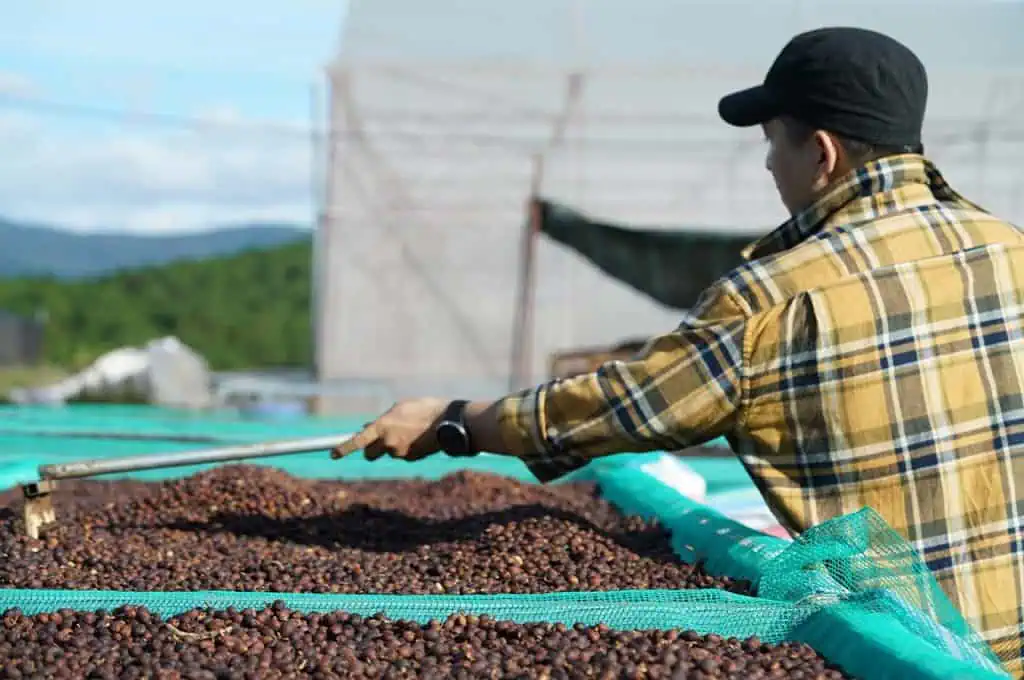
The global journey of coffee began with European colonial expansion, transforming it from a regional luxury to a worldwide staple. As coffee plants spread through European settlements, the drink became integral to trade routes. Extensive cultivation emerged in the Caribbean, Asia, and South America. Key techniques like selective picking and careful drying were developed to enhance flavor. Understanding these early methods can inspire current practices, emphasizing the importance of bean origin and processing in achieving robust, complex flavours.
Industrial Revolution: Rise of Instant Coffee

During the Industrial Revolution, the innovation of instant coffee emerged, catering to a fast-paced world. This era saw technological advances that streamlined coffee production and expanded its reach. Innovators experimented with dehydration techniques, preserving flavor while ensuring convenience. It was a time for balancing efficiency with taste, encouraging a deeper appreciation for both form and function. For modern cooks, this underscores the value of methodical preparation, finding that perfect blend between speed and quality in coffee and beyond.
Modern Times: From Starbucks to Third-Wave

Today, coffee culture is fiercely diverse, with Starbucks typifying the second-wave boom in mass-market growth. Meanwhile, the third-wave movement spotlights artisanal craftsmanship, treating coffee as a culinary art. Each wave emphasizes different skills, from mastering espresso machines to understanding terroir in specialty beans. For home brewers, this era invites a nuanced exploration of methods, pourovers, cold brews, and beyond, and a commitment to extract maximum flavor from every grind. It’s a testament to coffee’s enduring cultural and gastronomic significance.
