
14 “Popular” Foods Everyone Pretends to Like
Let’s be honest, some so-called “popular” foods are more about appearances than actual enjoyment. From bitter green juices to overpriced superfoods, plenty of trendy dishes look great on Instagram but fall flat on the plate. Whether it’s the texture, the taste, or just pure hype, these are the foods everyone claims to love, but secretly can’t wait to push aside after the first bite.
The Truth About Kale Smoothies

Kale smoothies are often praised for their nutrient-rich profile, yet their appeal can be deceptive. The key to enhancing their naturally earthy, sometimes bitter taste lies in balance. Incorporating sweet fruits like bananas or mangoes not only offsets any bitter notes but also enriches texture. A pinch of sea salt can enhance the flavors, tying the ingredients together. Experimenting with lemon juice or ginger can add brightness and complexity. Blending the kale thoroughly ensures a silky consistency, avoiding unappetizing leaf bits.
Avocado Toast: Overhyped and Overrated?

Avocado toast has been a brunch staple, its creamy texture and visual appeal undeniable. However, its simplicity can lead to blandness without thoughtful preparation. Choosing ripe avocados ensures the best texture. Adding a sprinkle of sea salt and a drizzle of lime juice elevates the flavor. Contrasting textures, like crunchy radishes or sunflower seeds, can bring an interesting dimension. Toasting high-quality, hearty bread provides a robust base. While often seen as mundane, with the right touches, it can transform into a satisfying experience.
Quinoa: Trendy or Tasteless?
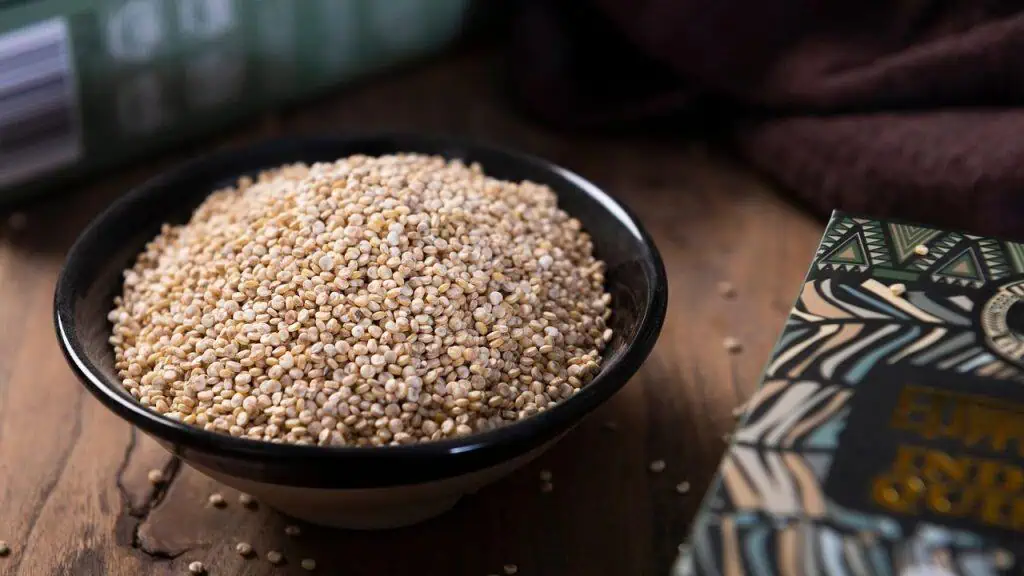
Quinoa is celebrated for its protein content but can be underwhelming if not properly seasoned. Rinsing it before cooking removes bitterness. Using vegetable or chicken stock instead of water can infuse flavor from the start. Adding aromatics such as garlic and onions during cooking enhances depth. When fluffing quinoa, mixing in herbs like parsley or cilantro and a squeeze of lemon juice introduces freshness. Its adaptability allows for an array of accompanying ingredients, from roasted vegetables to spicy sauces, making it more than just a bland health food.
Tofu: The Tasteless Protein

Tofu’s reputation for being flavorless stems from misunderstanding its culinary potential. Proper preparation involves pressing to remove excess moisture, allowing it to absorb marinades deeply. Marinating in soy sauce, ginger, and garlic imbues vibrant flavors. Cooking techniques like pan-frying or baking can add a delightful char and firm texture. High heat helps achieve a crispy outer layer while maintaining a tender interior. Pairing tofu with bold sauces or spices can transform it from a bland necessity into a versatile, flavorful component of varied cuisines.
Oysters: A Slippery Delicacy

Oysters divide opinions, often revered yet misunderstood. Their distinct taste, a blend of brine and mineral notes, can be acquired. Choosing the freshest oysters is crucial, their aroma should evoke fresh seawater. Despite their raw reputation, serving with mignonette sauce or a dash of lemon juice can enhance the delicate flavors. For those less keen on raw texture, a light grilling with garlic butter offers a compelling alternative, caramelizing their edges and introducing a warm, savory profile. Each method offers a unique way to appreciate this contentious delicacy.
Celery Juice: Health Fad or Fail?

Celery juice has surged in popularity for its touted health benefits, but its flavor often leaves much to be desired. For those willing to dive into the juicer’s realm, use the freshest stalks to ensure optimal hydration and nutrient retention. Remove leaves to avoid bitterness, and consider blending with cucumber or a squeeze of lemon to enhance palatability. While its diuretic properties are celebrated, the fibrous texture might not appeal to everyone, highlighting the need for proper straining techniques to achieve a smoother sip.
Caviar: Pricey but Palatable?

Caviar carries a refined allure, yet its briny burst can be divisive. For enthusiasts, it’s an indulgence that comes with a price tag. Serve chilled, over ice, and pair with blini or toast points for contrast. A touch of crème fraîche mellows the intense oceanic notes, while a sleek mother-of-pearl spoon preserves its nuanced flavors. For newcomers, a small, quality purchase allows exploration without splurge, offering a taste of luxury that might be surprisingly palatable when expertly accompanied.
Kombucha: The Fermented Fad

Kombucha offers a tart, effervescent profile, appealing to fermentation aficionados. Crafting at home requires precision, start with a quality SCOBY and adhere to cleanliness to avoid contamination. Monitor the brew’s temperature, and favor flavored teas for complexity without overwhelming sweetness. When fermenting, balance acidity and carbonation to maintain a refreshing, crisp finish. Beginners may take time adjusting to its vinegar-like tang, but its probiotic benefits and customizable taste can win over the health-conscious palate.
Beet Salad: Earthy and Unappetizing

Beet salad’s earthy undertones can be invigorated by thoughtful preparation. Begin with roasting to soften the beet’s texture and draw out its natural sweetness. Pair with tangy vinaigrettes to contrast its robust flavor, and mix in creamy elements like goat cheese for balance. Add nuts for crunch, turning the salad into a dynamic dish with varied textures. While the deep, red color can seem off-putting, mastering the right blend of components transforms it into a vibrant, delightful plate.
Blue Cheese: Bold but Unbeloved

Blue cheese offers a pungent punch that polarizes palates. For those willing to explore its complexities, pair it with honey or fig preserves to counteract its characteristic bite. Crumble sparingly over salads for depth without overpowering. When melted, it creates a creamy backdrop in sauces and dips. Introducing it in small doses may ease the hesitance of new tasters. Although strikingly intense, its potential to elevate dishes makes it an unforgettable ingredient for the adventurous.
Chia Pudding: Superfood or Sludge?

Chia pudding is often revered for its nutrient density, rich in omega-3 fatty acids and fiber. The key to transforming it from a gelatinous blob into a delightful breakfast lies in proportion and patience. Mix chia seeds with your favorite milk at a 1:4 ratio and sweeten with a touch of maple syrup or honey. Allow it to soak overnight, ensuring it reaches a creamy consistency, not a lumpy mass. Add diced fruits or crushed nuts for texture contrast. The right balance ensures a satisfying start rather than an uninspiring mush.
Matcha Lattes: The Bitter Brew

Crafting a matcha latte with depth involves understanding the tea’s inherent bitterness. Whisk matcha powder with a small amount of hot water to create a paste that smooths out clumps. Gradually add steamed milk, whether dairy or a plant-based option, to control the bitterness. A dash of vanilla or a light sweetener can enhance its earthy flavors without overpowering them. The texture should be silky, with a vibrant green hue signaling properly sourced and prepared matcha. Balance is key for a latte that embodies tradition and taste.
Vegan ‘Cheese’: Not Quite Cheese

Vegan ‘cheese’ can be an acquired taste, with its texture often resembling clay more than the smoothness of dairy. To elevate this substitute, focus on boosting its flavors with nutritional yeast, which provides a cheesy umami. Blending soaked cashews with olive oil, garlic, and lemon juice can achieve a creamy texture that spreads easily. For melting, incorporate tapioca flour that gives a stretchy quality. The goal is texture and taste that satisfy those looking for a dairy-free alternative, without the disappointing plastic-like feel.
Raw Kale Salad: The Chewy Choice

Raw kale salad can often feel fibrous and tough. Massaging the leaves can soften their texture significantly, breaking down the tough fibers and making them more palatable. Use olive oil and a sprinkle of salt to massage the kale for a few minutes. This step not only softens but also enhances the kale’s flavor. Combine with ingredients such as lemon juice, dried fruits, or nuts to add layers of acidity and crunch. By tempering its natural bitterness and enhancing its texture, the salad becomes a crisp, vibrant dish.
