
14 Foods That Were Once Peasant Meals—Now Considered Delicacies
Several iconic delicacies of today were once the sustenance of necessity for less affluent communities. These foods transitioned from humble origins to luxury status over time, highlighting changes in culinary trends and cultural appreciation. Understanding the evolution of these ingredients offers insightful perspectives into their preparation and current day elegance.
Lobster: The Humble Seaside Catch

Once deemed a lowly source of protein, lobster was abundant in early America and fed to prisoners and servants. Its transformation to a luxurious dish started in the mid-19th century with railroads making fresh seafood accessible to urban diners. For preparing lobster, opt for steaming or boiling to retain its sweetness. Serve with drawn butter and a splash of lemon to accentuate its natural flavors. The key is to cook the lobster just until the shell turns vibrant red and the meat is opaque, ensuring tenderness.
Oysters: From Poverty to Prestige
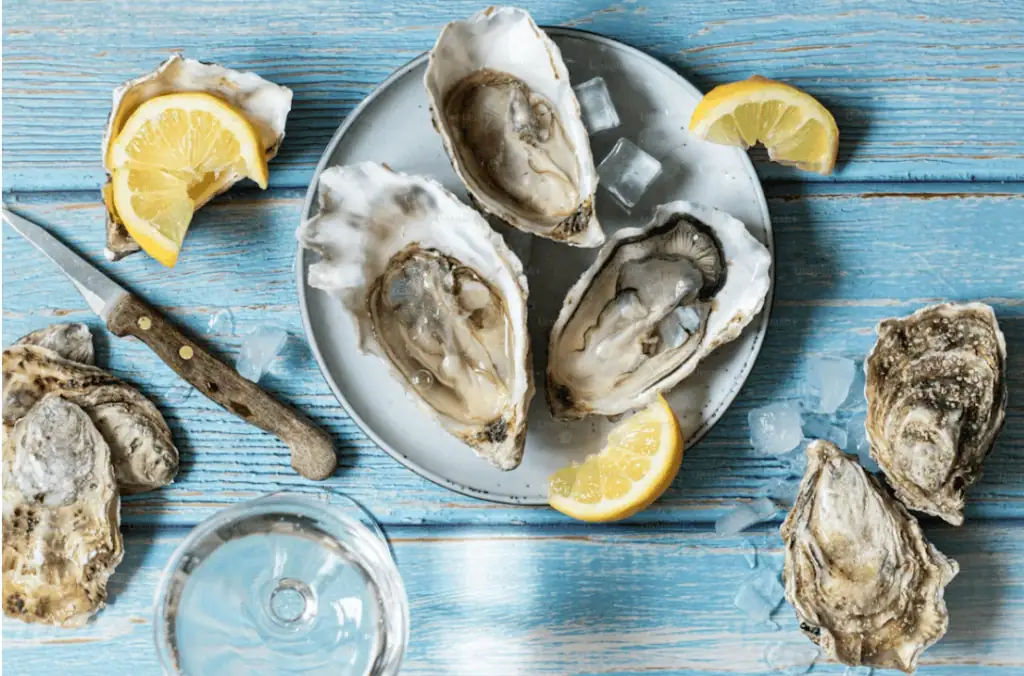
Oysters were once plentiful and cheap, consumed mainly by the poor. However, overfishing and habitat changes made them scarce, elevating their status. When selecting oysters, look for tightly closed shells and a fresh ocean scent. Shucking requires patience and a sturdy knife; slide the blade carefully between the shells to release. Serve chilled on ice with a touch of mignonette or a squeeze of lemon to balance their briny flavor, enhancing the natural freshness they are cherished for.
Caviar: From Riverfolk to Royals

Sturgeon caviar was originally a staple for Russian peasants who harvested it from local rivers. As demand grew, it became a symbol of opulence. To enjoy caviar, consider serving it with classic accompaniments such as blinis or toast points to complement its subtle, salty notes. Avoid metal utensils as they can alter the taste. A mother-of-pearl spoon preserves caviar’s delicate flavor. Let the caviar touch the tongue directly to fully appreciate its luxurious texture.
Foie Gras: Farm Feed to Fine Dining

Foie gras, derived from fattened duck or goose liver, began as a simple farm practice in ancient times. It is now revered for its rich, buttery texture. Opt for searing slices in a hot pan to achieve a crisp exterior while keeping the inside luscious. Season lightly with salt and serve with a tart fruit compote or balsamic reduction to counterbalance its richness. Quick cooking prevents melting, preserving the decadent fat that defines foie gras’s indulgent experience.
Truffles: Earthy Roots of Elegance
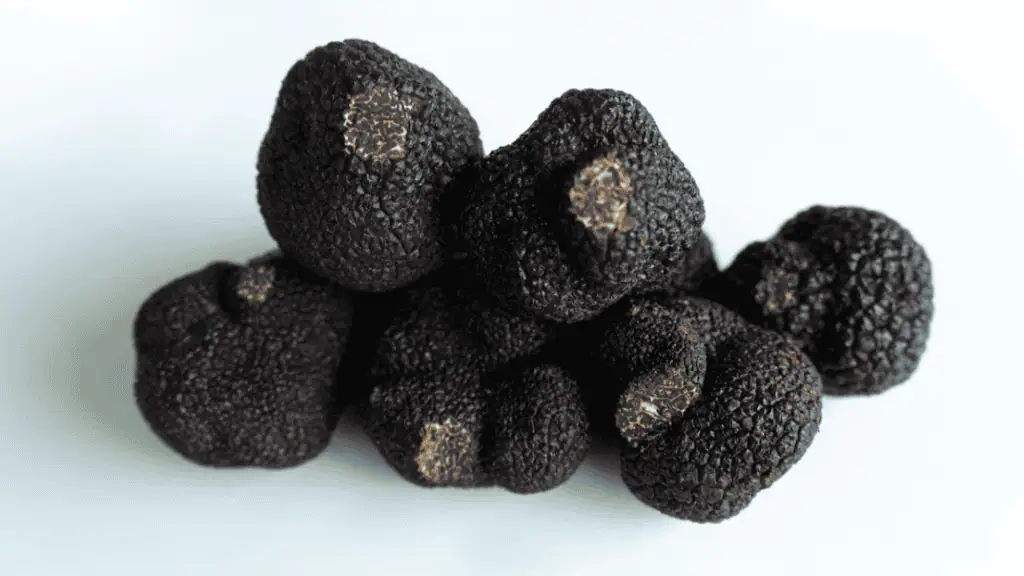
Truffles emerge from the soil, embodying an unparalleled depth of flavor. Their intense, earthy aroma can elevate any dish from simple to sublime. To harness their full potential, use a fine grater or microplane to shave them thinly over warm dishes. The heat releases their aroma, enhancing creamy risottos or delicate pasta dishes. Pair with mild ingredients like eggs or potatoes to ensure the truffle’s unique scent remains the star. Freshness is key, so use them as soon as possible after purchase.
Escargot: From Garden Pest to Gourmet

Once considered a nuisance, escargot is now a refined delicacy. Cooking these snails to perfection involves preparing a classic garlic-parsley butter. Soften the butter and blend with minced garlic and parsley, seasoning with a touch of salt. Bake snails in this mixture until tender, taking care not to overcook them to avoid a rubbery texture. Serve with crusty bread for soaking up the rich, aromatic sauce, allowing the subtle taste of the meat to shine through.
Get the Recipe: Escargot
Polenta: Rustic Staple to Restaurant Star

Polenta’s transformation from simple staple to a gourmet delight lies in its versatility. Begin by whisking coarse cornmeal into boiling, salted water, stirring frequently. Once thickened, switch to low heat, continuing to stir to prevent lumps. For a silky finish, incorporate a generous amount of butter and grated parmesan. Serve it creamy as a base for hearty meats, or chill and grill it to add texture. Its gentle corn flavor complements a range of robust toppings, inviting creativity.
Get the Recipe: Polenta
Bouillabaisse: Fishermen’s Stew to Chic Cuisine

Originally crafted by fishermen using unsold catches, bouillabaisse has risen to culinary prominence. The secret lies in building a rich broth with fennel, leeks, onions, and tomatoes. Add an aromatic touch with saffron, lending its warm color and subtle flavors. Poach an assortment of seafood, from firm white fish to tender mussels, ensuring each piece cooks evenly. Serve with a dollop of rouille on crusty bread to capture the essence of the sea in each spoonful.
Get the Recipe: Bouillabaisse
Sushi: Street Snack to Luxury Roll

Transcending its humble origins, sushi now epitomizes luxurious restraint. Achieving perfect sushi rice is crucial; rinse short-grain rice until water runs clear, then cook and season with rice vinegar, sugar, and salt. Keep it slightly warm for assembly. Select sushi-grade fish, ensuring its freshness and quality. Using a sharp knife, slice fish into uniform pieces. Assemble with precision, letting the pure flavors of the fish and rice harmonize, each roll a testament to simplicity and skill.
Ramen: Budget Bowl to Trendy Treat

Ramen’s humble beginnings as a simple, inexpensive meal have been transformed into an artisanal experience. Focus on creating a rich, umami-packed broth by slow-simmering pork bones with kombu and shiitake mushrooms for depth. Use fresh ramen noodles for an authentic texture; they should be cooked just enough to retain a bit of chewiness. Garnish with sliced chashu pork, marinated eggs, and fresh scallions. Attention to seasoning balance—combining soy sauce, miso, or flavored oils—turns this from a basic bowl into a sophisticated meal.
Brisket: Smoked Slab to Culinary Art
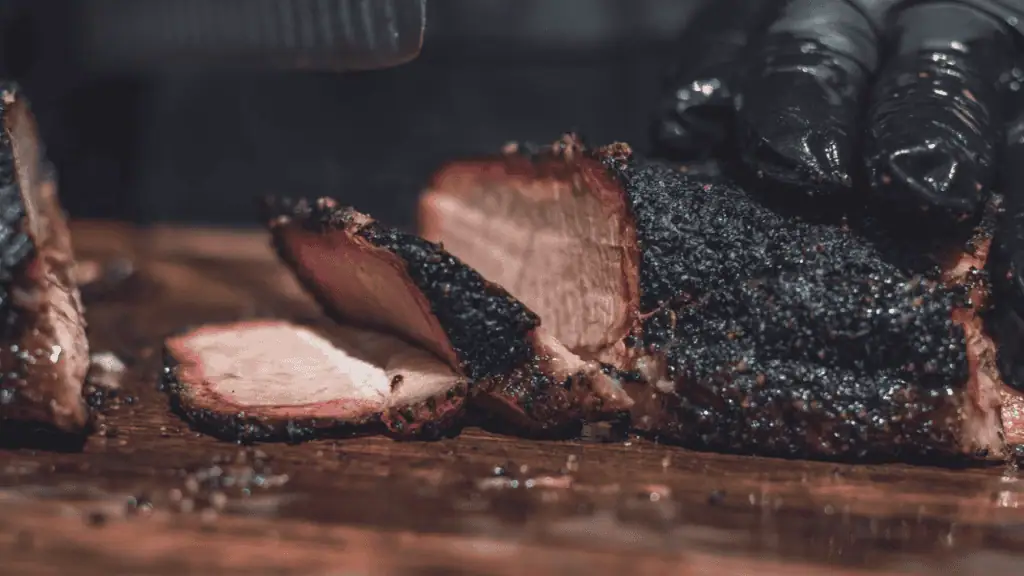
Brisket, once a tough cut cooked for long hours, is now a testament to the art of smoking. Begin with a quality meat cut, marbled well for flavor. Use a dry rub rich in paprika, black pepper, and garlic powder to enhance its savory notes. Smoking at a low temperature over numerous hours ensures tenderness and a pronounced smokiness. Let the brisket rest post-cooking to redistribute the juices. Serve sliced thinly across the grain to showcase its succulence, with a side of tangy barbecue sauce for an irresistible finish.
Octopus: Catch of the Poor to Chef’s Favorite

Octopus has transitioned from a modest catch to a gastronomic highlight. Achieving perfect tenderness involves a gentle braise before grilling; simmer it in a pot with wine corks, or a touch of vinegar, for optimal results. Once tender, marinate in olive oil, garlic, and herbs, then grill until just charred. The exterior should be slightly crisp, while the interior remains tender. Pair with a drizzle of lemon and olive oil or serve with a vibrant chimichurri to emphasize the octopus’s natural ocean flavor.
Sweetbreads: Offal to Opulent Offering

Sweetbreads, once overlooked, now shine in refined kitchens. The key lies in preparation; soak them in cold water and a splash of acid like lemon juice to remove any remaining blood. A gentle poaching firms them before chilling. Once cooled, sear in a hot pan until golden brown to bring out their creamy texture. Serve with a rich sauce, perhaps a caper-beurre blanc, to complement their nuttiness. A pinch of finishing salt enhances their subtle, luxurious taste, making them both rich and delicate.
Get the Recipe: Sweetbreads
Risotto: Field Grains to Gourmet Grain

Risotto has evolved from a simple peasant dish to a showcase of culinary finesse. Start by gently toasting Arborio rice to coax out its starch, ensuring a creamy result. Add warm stock incrementally, allowing each addition to be absorbed before the next, accompanied by steady stirring. This technique yields a luscious texture. Incorporate seasonal ingredients, such as wild mushrooms or asparagus, for added depth. Finish with a generous grating of Parmigiano-Reggiano and a knob of butter for a glossy, flavorful finish.
