
10 Unexpected Ways Tech Is Powering Your Restaurant Meal (You Just Don’t See It)
Technology is shaping the way we experience restaurant meals in ways that might surprise you. Behind the scenes, innovative solutions enhance efficiency and elevate the dining experience. From menu optimization to cooking precision, these advancements subtly yet powerfully impact your meal.
AI-Powered Menu Design Revolution

AI-driven tools are transforming menu creation by analyzing data trends to optimize offerings. By understanding customer preferences and peak demand times, restaurants can refine their menus to focus on high-demand dishes or introduce new flavors that cater to emerging tastes. This targeted approach ensures that menus are both diverse and appealing, resulting in a curated experience for diners.
Smart Fryers and Grills for Precision

Modern kitchens are embracing smart cooking appliances equipped with precise sensors and timers. These devices maintain consistent temperatures and cooking durations, ensuring that each dish is cooked to perfection every time. From achieving the ideal crispiness of fries to the perfect sear on a steak, smart fryers and grills help guarantee predictable, delicious results, minimizing human error in busy kitchens.
Rise of Kitchen Robots

The introduction of kitchen robots has streamlined repetitive tasks, allowing chefs to focus on creativity. These robots handle labor-intensive duties such as chopping, blending, and even cooking certain dishes. This technology not only speeds up preparation times but also ensures uniformity in presentation and taste, while allowing culinary teams to concentrate on refining complex elements of the meal.
Dynamic Pricing Software Explained

Dynamic pricing software adapts menu prices based on real-time factors such as ingredient costs and customer demand. This approach allows restaurants to efficiently manage resources and maximize profits without compromising on quality. By leveraging data analytics, restaurants can offer competitive pricing that benefits both the business and the consumer, ensuring a sustainable dining model.
QR Code Ordering: Touchless Convenience
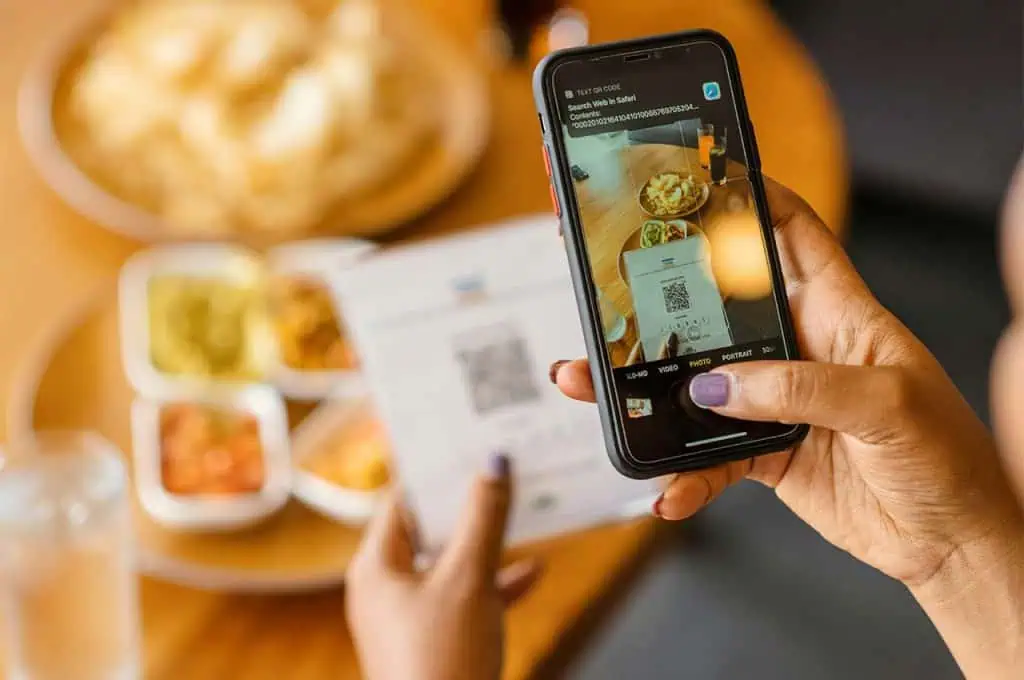
QR code ordering streamlines the dining experience by eliminating the need for physical menus. Customers scan a QR code placed at their table, instantly accessing a digital menu tailored for quick updates and personalization. This method reduces paper waste and allows for swift menu modifications. It also reduces wait times, as orders are sent directly to the kitchen, enhancing efficiency while respecting social distancing needs. The implementation of touchless technology supports a seamless, hygienic dining experience, particularly valued in today’s health-conscious environment.
Predictive Inventory Systems
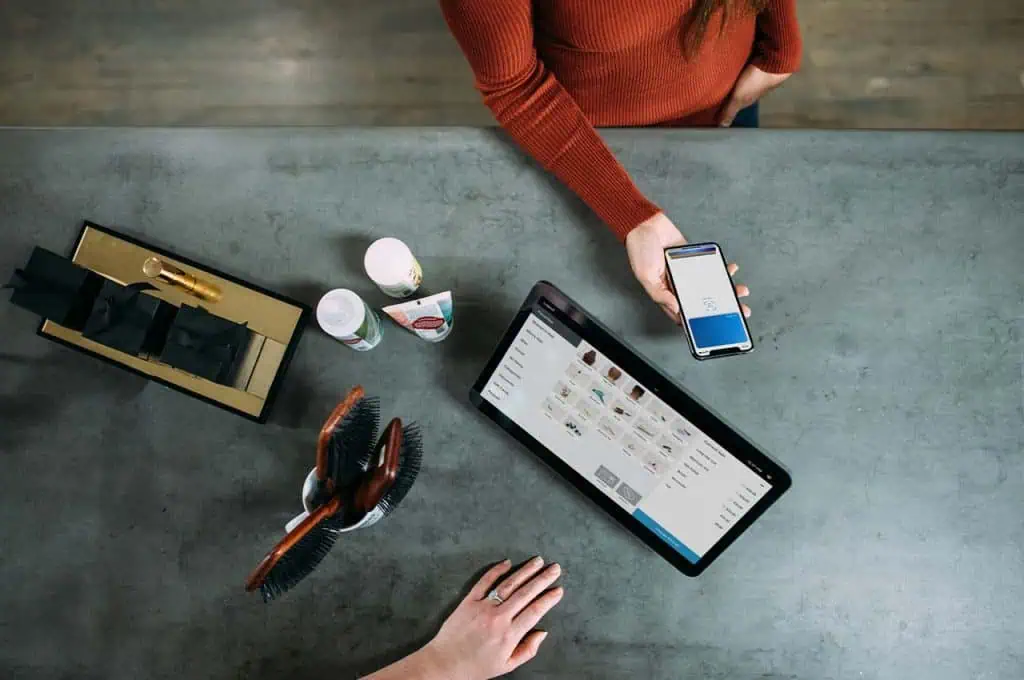
Predictive inventory systems transform how restaurants manage their supplies, using artificial intelligence to forecast demand and optimize stock levels. By analyzing past sales data and current trends, these systems minimize waste and ensure ingredients are fresh and available. This technology adjusts orders based on changing customer preferences and seasonal fluctuations, helping restaurants maintain optimal inventory. The approach not only enhances sustainability but also guarantees consistent dish quality, allowing chefs to focus on creativity rather than resource management hiccups.
The Magic of Digital Flavor Profiling

Digital flavor profiling utilizes data analytics to craft dishes that cater to individual palates. By collecting consumer taste preferences and feedback, chefs can refine recipes to enhance satisfaction and push culinary boundaries. This technology provides insights into flavor combinations, assisting chefs in experimenting with new ingredients while ensuring a balanced menu. It fosters personalized dining experiences, guiding menu evolution with precision, allowing establishments to stay ahead of culinary trends and customer expectations.
Voice-Activated Drive-Thrus

Voice-activated drive-thrus introduce a new level of ease and efficiency in ordering on-the-go. By employing sophisticated voice recognition, these systems accurately capture orders, improving speed and reducing errors. They enable a contactless interaction, suitable for enhancing convenience in fast-paced environments. These drive-thrus adapt to various accents and languages, offering accessibility to a diverse clientele while minimizing frictions in communication. The integration of this technology elevates customer service while streamlining the operational workflow.
Table Sensors for Effortless Service

Table sensors precisely monitor when customers need assistance, detecting signals such as waving hands or empty glasses. These discreet devices alert servers in real-time, allowing for prompt responses without intruding on the dining experience. They enhance staff efficiency, ensuring attention is provided exactly when required, and reduce waiting periods for guests. By optimizing service dynamics, these sensors contribute to a smoother, more pleasant atmosphere, giving patrons a sense of attentiveness that elevates their overall experience.
Food Delivery Algorithms

Today’s dining experience often begins with a seamless tap on your phone, thanks to sophisticated food delivery algorithms. These systems direct delivery drivers efficiently, optimizing routes to ensure your meal reaches you quickly. By analyzing real-time traffic data and predicting the busiest times, these algorithms communicate with restaurant kitchens to maintain food quality from cook to delivery. This integration helps keep dishes hot and fresh, allowing you to enjoy restaurant-standard cuisine at home. Understanding these behind-the-scenes technologies elevates appreciation for the effort and precision in every order.
