
10 Foods that Show up most Often in food Safety Reports
Some foods have a reputation for being risky, but the biggest troublemakers might surprise you. Using food safety trends tied to outbreaks, contamination, and common handling mistakes, this gallery breaks down 10 foods that show up again and again in illness data. The goal isn’t to scare you off dinner, it’s to help you eat smarter, shop more carefully, and know where the real red flags are.
Leafy Greens

Salads look like the picture of healthy eating, but leafy greens are frequently tied to foodborne illness data because they’re often eaten raw. That means there’s no heat step to kill bacteria that may have come from contaminated water, soil, or processing equipment before the greens ever reached your kitchen.
Romaine, spinach, and mixed greens have all been involved in notable outbreaks, especially involving E. coli. Their many folds and creases can also make them harder to clean thoroughly.
Pre-washed doesn’t always mean risk-free, so cold storage and attention to recall notices matter more than most people realize.
Raw Oysters
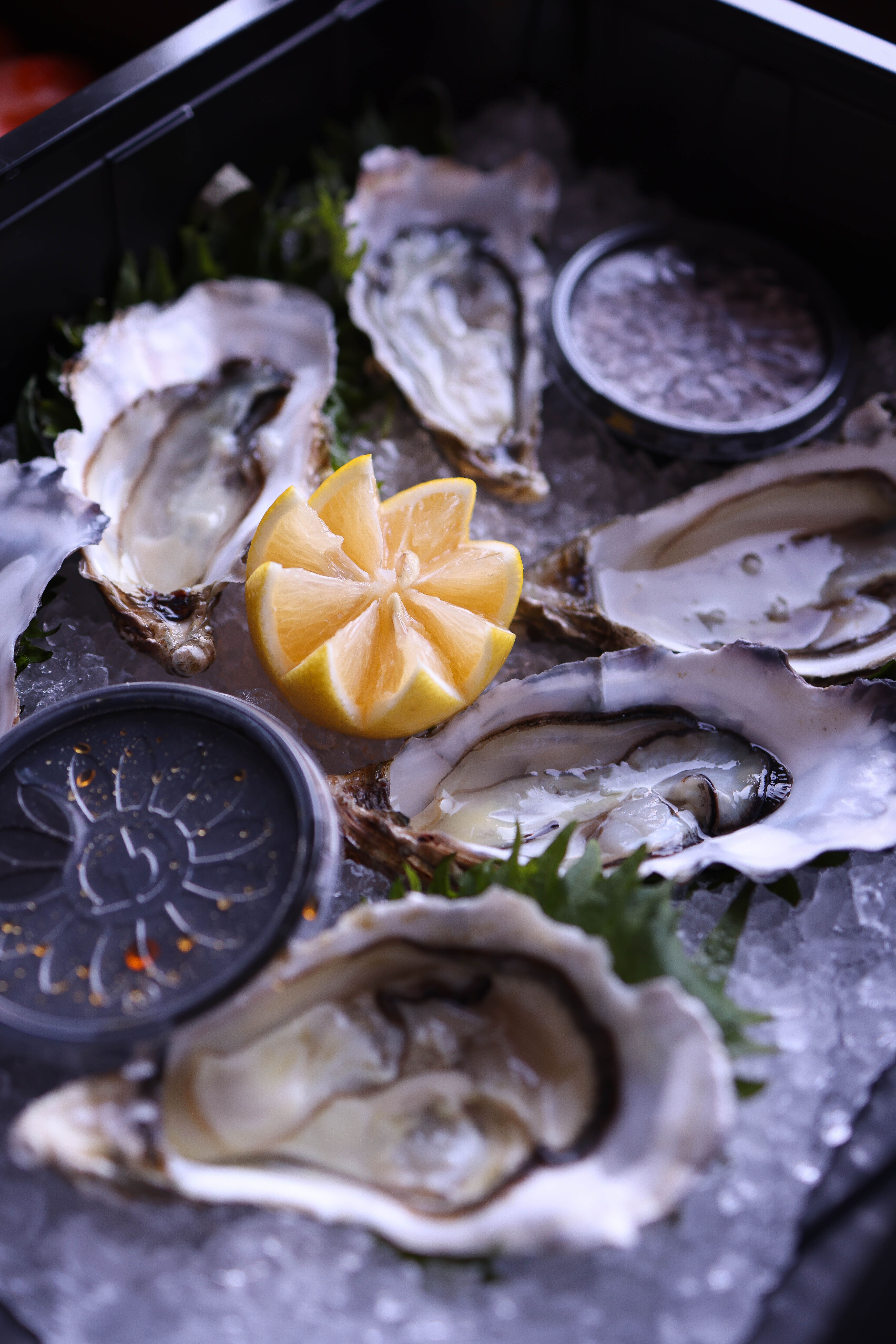
Raw oysters are one of those foods that feel fancy and carefree right up until food safety experts start talking about them. Because oysters filter large volumes of water, they can concentrate harmful bacteria and viruses from their environment, including Vibrio and norovirus, which makes them a recurring problem in outbreak reports.
The risk climbs in warmer months, when Vibrio levels can rise in coastal waters. For healthy people, illness may mean a miserable few days, but for older adults or anyone with liver disease or weakened immunity, it can become much more serious.
Cooking oysters thoroughly dramatically lowers the danger, even if it takes some of the romance off the half shell.
Undercooked Chicken

Chicken remains one of the most common sources of foodborne bacteria, especially Salmonella and Campylobacter. Food safety data regularly points to poultry because contamination can happen during processing, and once raw chicken juices spread around the kitchen, the problem is no longer just what’s in the pan.
This is where everyday habits really matter. Rinsing raw chicken can splatter bacteria onto counters and sinks, and guessing doneness by color alone is a risky move.
A food thermometer is the unsung hero here. Cook chicken to a safe internal temperature, keep it separate from ready-to-eat foods, and you’ve already cut the odds of a very unpleasant dinner aftermath.
Deli Meats

Cold cuts are convenient, lunchbox-friendly, and surprisingly high on the list of foods that worry safety officials. The big concern is Listeria, a bacterium that can survive and grow in refrigerated environments, making sliced meats and deli counters a particular point of concern in food safety monitoring.
For most healthy adults, the risk may still seem abstract, but it’s taken much more seriously for pregnant people, older adults, and those with weakened immune systems. That’s because listeriosis can be especially severe.
Freshly sliced doesn’t automatically mean safer, either. Time, temperature, and meticulous sanitation at the deli counter all play a larger role than most shoppers ever see.
Unpasteurized Milk
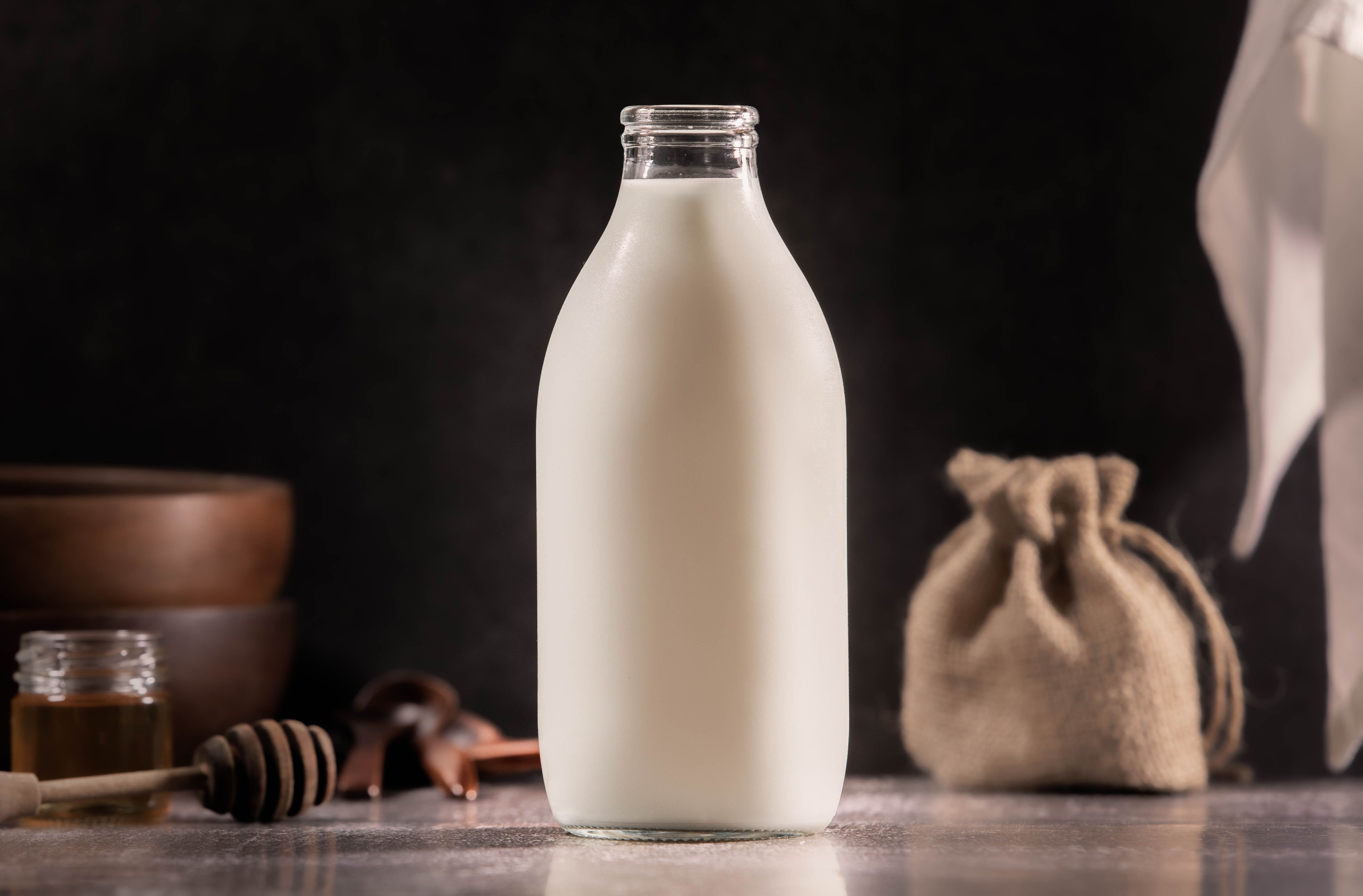
Raw milk has a devoted fan base, but food safety data has consistently linked unpasteurized dairy to outbreaks caused by Campylobacter, E. coli, Salmonella, and more. Pasteurization exists for a reason: it kills pathogens that can be present even when a farm looks spotless and the milk appears perfectly fresh.
The tricky part is that contamination isn’t always obvious. You can’t reliably smell, taste, or inspect your way out of the risk, which is what makes raw dairy such a stubborn public health issue.
Cheeses made from unpasteurized milk can carry similar concerns, especially soft varieties. For many people, the gamble simply isn’t worth the rustic charm.
Soft Cheeses

Soft cheeses like queso fresco, brie, camembert, and feta can be delicious, but they show up in safety warnings more often than hard cheeses. Their higher moisture content makes them more hospitable to bacterial growth, and when they’re made with unpasteurized milk or contaminated during production, the risk rises fast.
Listeria is the main reason these cheeses get extra scrutiny. It’s particularly concerning because it can grow at refrigerator temperatures, quietly turning a seemingly innocent cheese board into a potential health problem.
Not every soft cheese is dangerous, of course. Checking labels for pasteurization and keeping an eye on storage times can make a meaningful difference when it’s snack hour.
Eggs
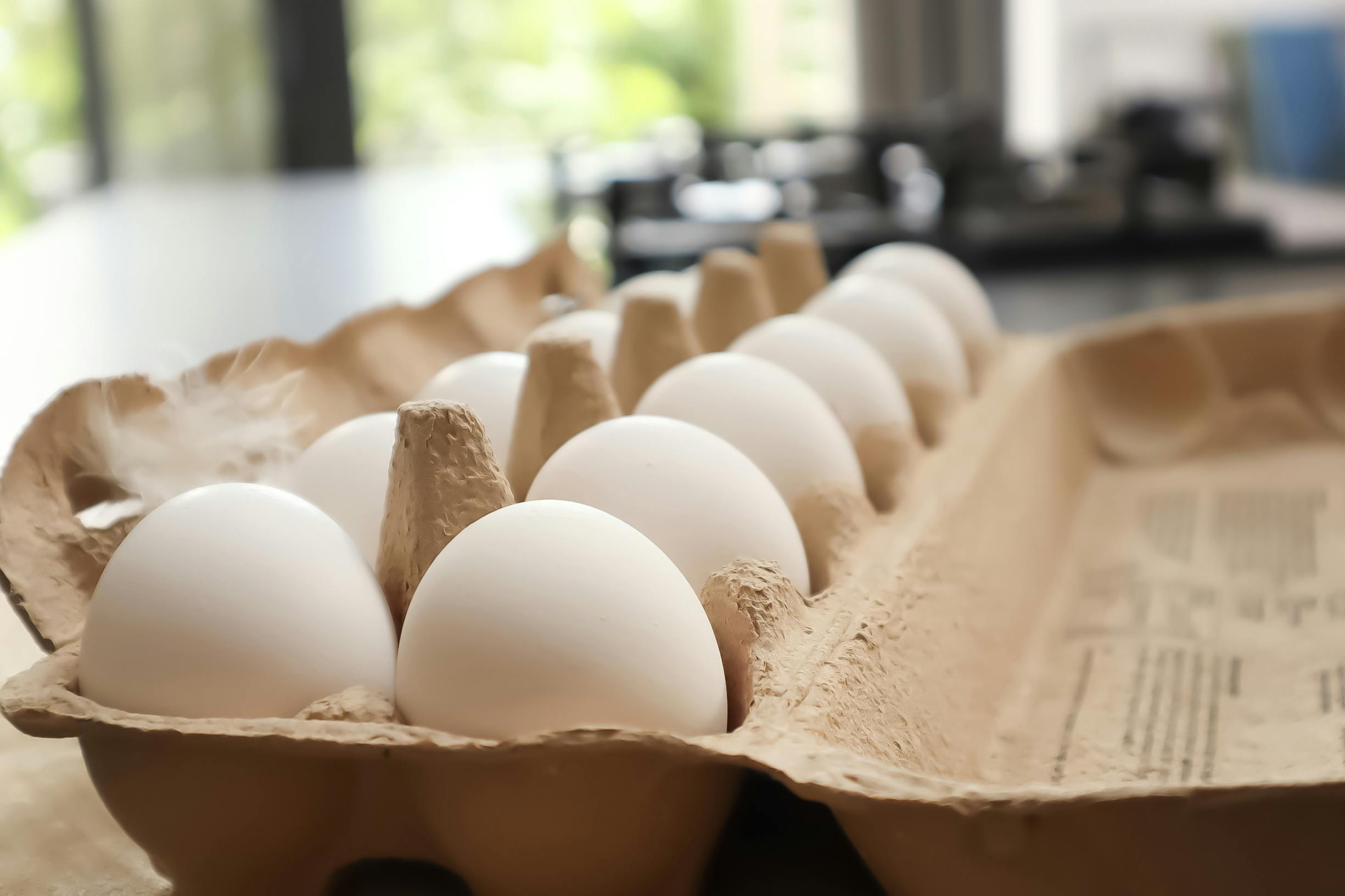
Eggs are a classic kitchen staple, but they’ve long been associated with Salmonella in food safety tracking. The risk can come from contamination on the shell or, less visibly, inside the egg before it ever reaches the carton.
That’s why dishes made with raw or lightly cooked eggs deserve a little extra caution. Homemade Caesar dressing, aioli, cookie dough, and runny brunch favorites can all edge into riskier territory if pasteurized eggs aren’t used.
Refrigeration helps, and proper cooking helps even more. For most people, eggs are still a sensible food choice, but they’re a reminder that simple ingredients can carry hidden complications.
Ground Beef

A steak can have bacteria mostly on the outside, but ground beef changes the equation because surface contamination gets mixed throughout. That’s why food safety agencies pay close attention to it, especially in cases involving E. coli and undercooked burgers.
The danger isn’t always dramatic or obvious. A burger that looks browned on the outside can still be undercooked in the middle, and cross-contamination from packaging or prep surfaces can add another layer of trouble.
Safe handling matters from grocery cart to grill. Keeping ground beef cold, avoiding messy juice spread, and cooking it thoroughly are the kinds of boring steps that can save you from a very memorable mistake.
Sprouts
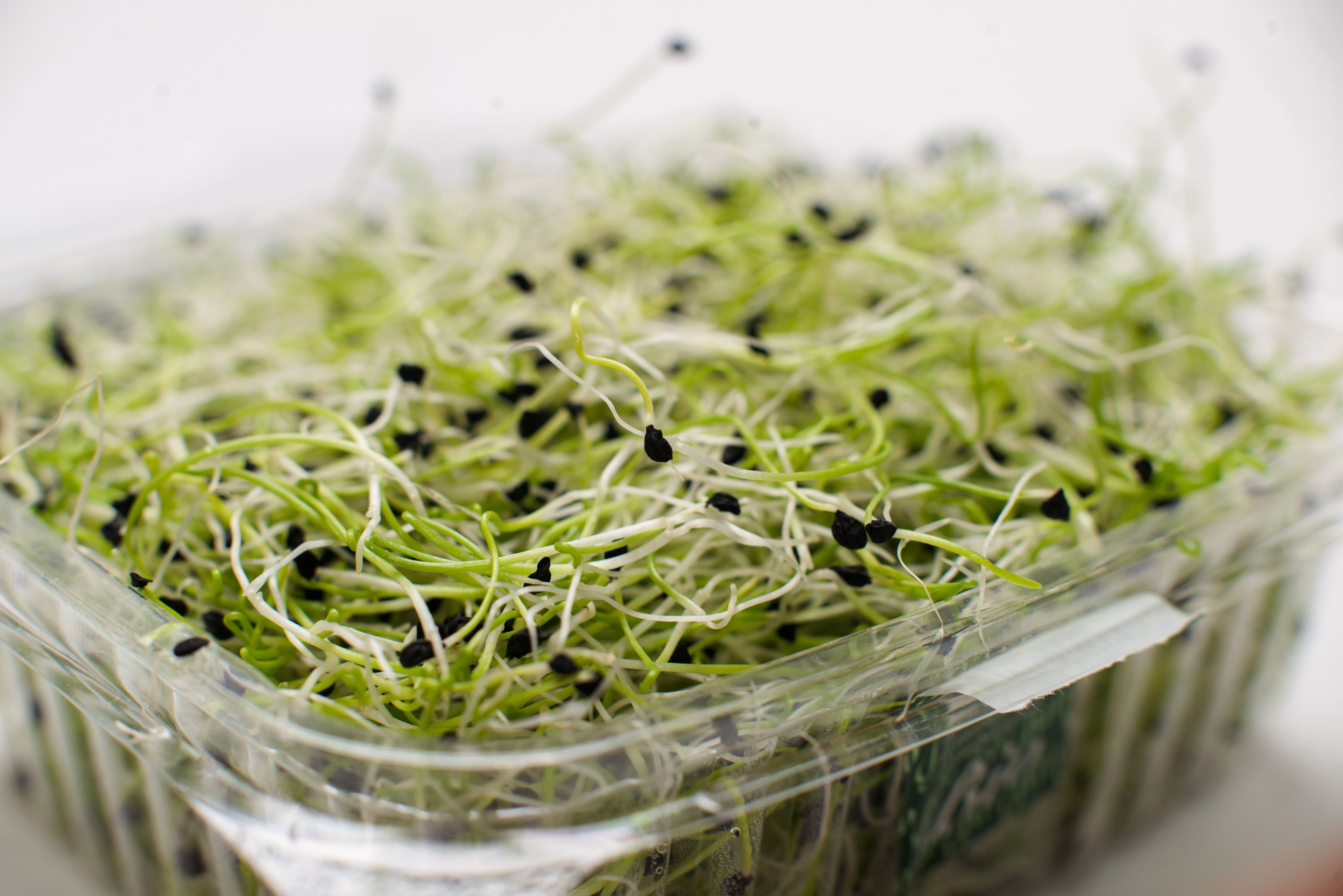
Sprouts have a wholesome image, but they’ve been linked to a surprising number of outbreaks. The issue starts during germination, when warm, humid conditions that help seeds sprout also create an ideal setting for bacteria like Salmonella and E. coli to multiply.
Because contamination can be present inside the seed itself, rinsing the finished sprouts doesn’t solve the problem. And since many people eat alfalfa, bean, or clover sprouts raw, there’s often no kill step to reduce the hazard.
They can still be enjoyed more safely when cooked, but raw sprouts remain one of those foods that routinely raises eyebrows among food safety professionals.
Melons
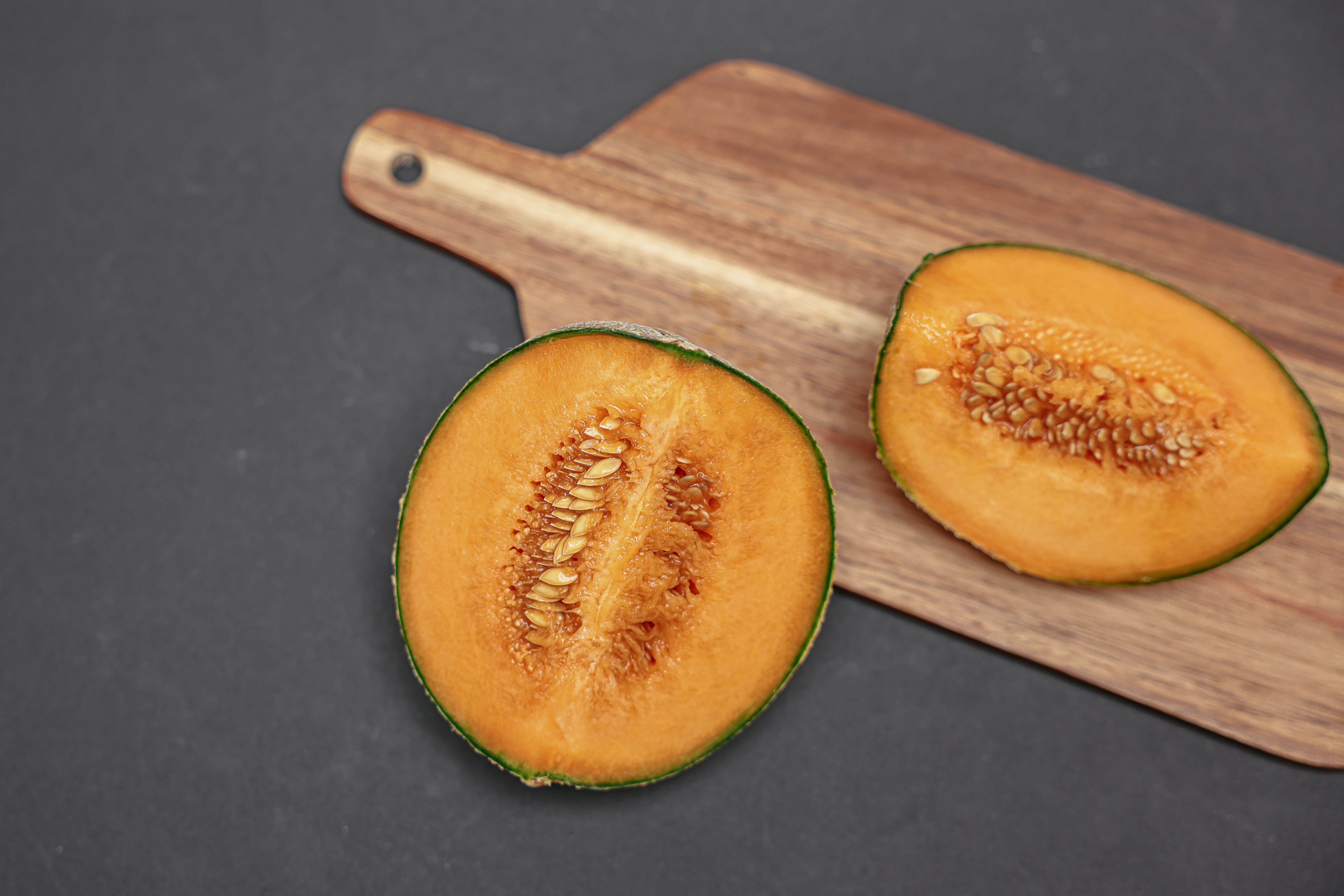
Melons don’t usually make people think of food poisoning, which is exactly why they’re easy to underestimate. Cantaloupe in particular has been tied to serious outbreaks because its rough rind can trap bacteria, and once a knife cuts through the surface, contamination can be dragged into the flesh.
Watermelon and honeydew can also become risky after slicing if they sit too long at room temperature. Their juicy interiors are a perfect environment for bacterial growth once the protective outer skin is breached.
Washing the outside before cutting and refrigerating slices promptly can go a long way. It’s a small ritual that matters more than most fruit lovers realize.
Flour

Flour is the sleeper pick on this list because people rarely think of it as raw. But flour is an agricultural product, not a ready-to-eat one, and food safety data has tied it to outbreaks involving E. coli and Salmonella.
The big surprise is how often the risk shows up in uncooked dough and batter. Tasting cookie dough from the bowl feels harmless and nostalgic, yet raw flour is one reason experts say to skip that habit unless the product was made specifically to be eaten uncooked.
It’s also easy to spread flour dust around the kitchen while baking. Once again, the least dramatic ingredient turns out to have a serious side.
What Makes a Food Risky

The riskiest foods usually share a few traits: they’re eaten raw, they’re hard to clean, or they spend time in conditions where bacteria can grow. Sometimes the issue starts on the farm, sometimes in a processing plant, and sometimes it’s a simple home-kitchen mistake that turns a manageable food into a problem.
Food safety data doesn’t mean these foods are always dangerous or that you need to swear them off forever. It means some foods demand more respect than others.
Refrigerate promptly, avoid cross-contamination, cook when it counts, and pay attention to recalls. Most of the time, safer eating is less about fear and more about a few smarter habits.
